Vehicle Heat Dangers for Dogs: Temperature Safety Guidelines
Learn critical temperature thresholds and time limits to protect your dog from heat-related illness in parked vehicles.
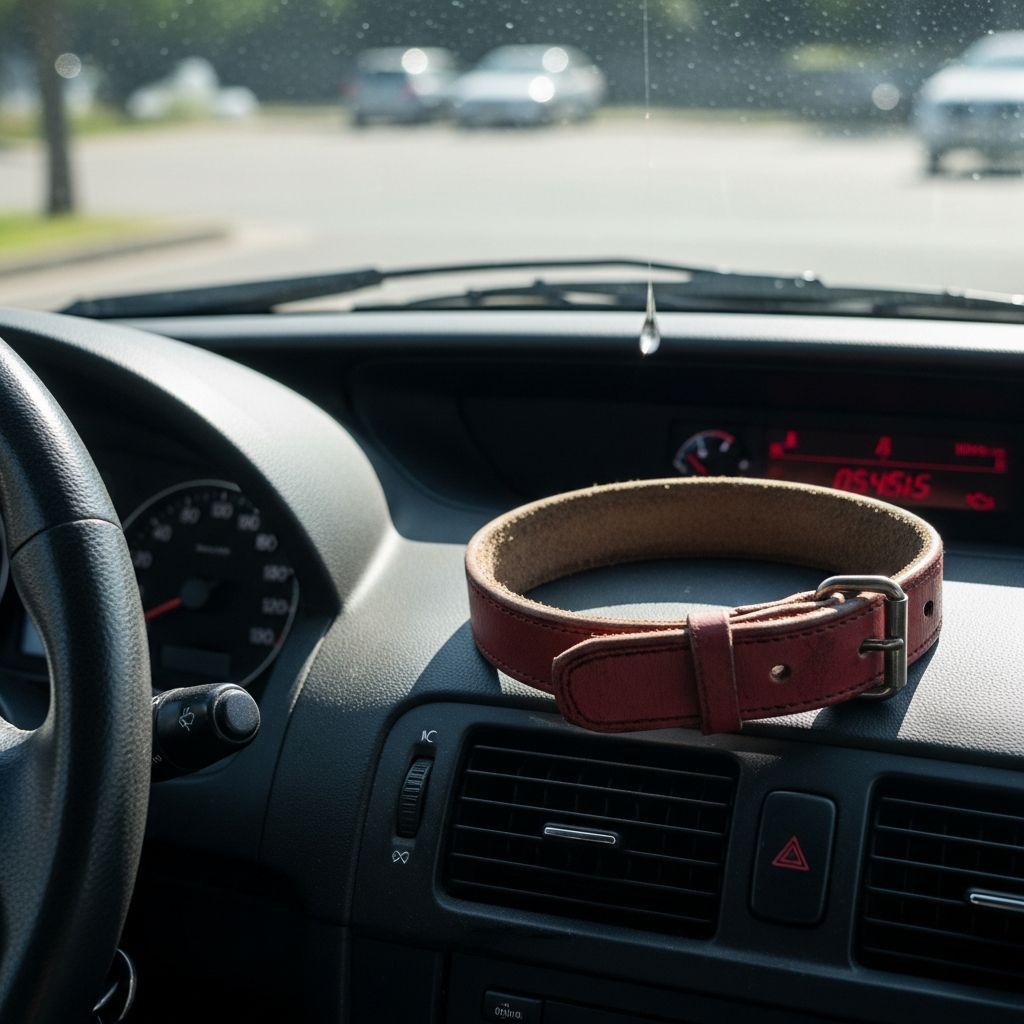
Understanding Vehicle Heat Hazards: Keeping Your Dog Safe During Warm Weather
Every year, countless dogs suffer serious injuries or death from being left in parked vehicles during warm months. The danger develops far more rapidly than most pet owners realize. A seemingly comfortable spring day can transform the interior of a car into a dangerous environment within minutes, putting your dog at risk of life-threatening heat stroke. Understanding the specific temperature dangers and how quickly heat accumulates inside vehicles empowers you to make safer decisions for your pet.
How Rapidly Interior Temperatures Climb
The physics of vehicle heat accumulation work against pet safety every time you park your car. Research demonstrates that vehicle interiors warm dramatically faster than the outside environment. Within just 10 minutes of parking in mild weather conditions, the temperature inside your car rises approximately 19-20 degrees Fahrenheit above the external temperature. This seemingly modest increase escalates significantly over longer time periods. After 20 minutes, the interior has climbed roughly 29 degrees higher than outside conditions. By the 30-minute mark, expect temperature increases of around 34 degrees. If your vehicle remains parked for a full hour, the interior temperature will exceed the outside temperature by more than 40 degrees Fahrenheit.
These numbers translate into concrete dangers for your dog. Consider a pleasant 75-degree spring day—a temperature that feels comfortable to humans. Within just 10 minutes, your car’s interior reaches approximately 94 degrees Fahrenheit. After 30 minutes, that same vehicle interior climbs to a dangerous 109 degrees. On an 80-degree day, the situation deteriorates even more rapidly: your car reaches 99 degrees within 10 minutes and an extreme 114 degrees within just 20 minutes.
Even on a mild 70-degree day, which might seem completely safe, your vehicle interior reaches 89 degrees within 10 minutes and escalates to a critical 104 degrees after just 30 minutes. These temperature increases occur regardless of whether you crack your windows or park in partial shade. Research consistently shows that cracking windows provides virtually no meaningful temperature reduction—typically lowering interior temperatures by only 2-3 degrees at most. Shade offers minimal protection as well, reducing interior temperatures by approximately 5-10 degrees, which still creates dangerous conditions on any warm day.
| Elapsed Time | Temperature Increase |
|---|---|
| 10 minutes | +19-20°F |
| 20 minutes | +29°F |
| 30 minutes | +34°F |
| 60 minutes | +40-43°F |
| 1-2 hours | +45-50°F |
Identifying the Temperature Threshold Where Risk Begins
Veterinary professionals and research organizations have established clear temperature guidelines for dog safety in vehicles. The danger zone begins at 70 degrees Fahrenheit outside temperature. Once outside conditions reach this threshold, veterinarians recommend that no dog should remain in a parked vehicle, regardless of duration. Between 65 and 70 degrees, dogs face measurable risk after just 3 minutes in vehicles. Below 65 degrees, dogs may safely remain in vehicles for a maximum of 5 minutes.
The critical interior temperature threshold for dogs is 85 degrees Fahrenheit. At this temperature, dogs begin experiencing heat stress even if they don’t display obvious symptoms. The American Veterinary Medical Association confirms that any outside temperature above 65 degrees Fahrenheit potentially creates lethal interior conditions. This means that what feels like a cool, comfortable day to humans may already pose serious risks to your dog inside a parked vehicle.
Recognizing Heat Exhaustion and Heat Stroke Warning Signs
Heat-related illness in dogs progresses rapidly and can become life-threatening within minutes. The early stages of heat exhaustion and the transition into heat stroke happen so quickly that delay in recognizing symptoms can be fatal. Understanding the warning signs allows you to identify problems immediately and seek emergency veterinary care.
Dogs experiencing heat stress display several observable symptoms. Excessive panting often accompanies a panicked or distressed facial expression. The gums may appear bright red or, conversely, unusually pale. Thick saliva or drool becomes noticeable. Some dogs experience vomiting or diarrhea. Loss of coordination develops as the condition worsens. Additional warning signs include lethargy, disorientation, seizures, and bloody diarrhea or vomit.
Body temperature provides the most critical indicator of heat stroke severity. When a dog’s core temperature exceeds 104 degrees Fahrenheit, cellular and organ damage begins. Once body temperature reaches 106 degrees, damage to the cellular system and organs may become irreversible. At 109 degrees Fahrenheit, multiple organ failure becomes likely. Dogs experiencing these extreme temperatures may show weakness, collapse, or seizures within just 15-30 minutes of being in a hot car.
Special Risk Factors for Vulnerable Dogs
Certain dog populations face significantly elevated risks from heat-related illness compared to healthy adult dogs. Brachycephalic breeds—those with flat or shortened faces such as Pugs, Bulldogs, and Boston Terriers—cannot pant as effectively as other dogs because their facial structure compromises airway efficiency. This reduced ability to expel heat means these breeds develop dangerous body temperatures much more rapidly than dogs with longer muzzles.
Senior dogs, overweight dogs, and dogs with existing heart or lung disease should be kept in air-conditioned environments as much as possible during warm months. These populations have diminished physiological capacity to regulate body temperature effectively. Young puppies also face increased vulnerability. Additionally, dogs with thick or heavy coats struggle to release heat through panting alone, making them prone to heat stroke even in moderately warm conditions.
Practical Cooling Solutions and Equipment Options
If you must travel with your dog during warm weather, several cooling strategies can help maintain safer conditions, though none of these solutions should replace leaving your dog at home in an air-conditioned environment.
Active cooling devices: Battery-powered fans designed for pet carriers provide active air circulation but only remain effective when interior temperatures stay below 90 degrees Fahrenheit. These fans work best as supplementary cooling during travel rather than as primary safety solutions for parked vehicles.
Cooling mats: Gel-filled or water-filled cooling mats absorb body heat and provide relief for 3-4 hours of travel time. These work most effectively when placed on car seats before your journey begins, giving them time to reach full cooling capacity.
Reflective shades: Reflective windshield shades reduce interior temperature by 15-20 degrees Fahrenheit when properly installed. However, even with this reduction, temperatures still reach dangerous levels once outside conditions exceed 75 degrees.
Ventilation equipment: Battery-operated window fans pull hot air out while drawing cooler air in, reducing interior temperature by 10-15 degrees maximum. Reflective car covers designed for pet travel can reduce cabin air temperature by approximately 17.7 degrees Celsius when vehicles must park in direct sunlight.
Hydration supplies: Portable water bowls with non-spill designs prevent dehydration during travel. Frozen water bottles wrapped in towels provide temporary cooling zones where dogs can rest against the cold surface.
Emergency Strategies for Unavoidable Situations
Pop-up canopies attached to vehicle doors create shade zones during brief stops but require constant supervision and only function safely in temperatures below 80 degrees. These emergency solutions serve as last-resort options for medical emergencies or truly unavoidable situations, never as primary safety strategies during warm weather months.
Protecting Your Dog During Outdoor Activities in Heat
Beyond vehicle safety, dogs face heat-related dangers during outdoor activities. Avoid walking, running, or hiking with your dog during the hottest parts of the day or on particularly warm days. Schedule exercise during cooler morning and evening hours instead. Walking your dog at dawn or dusk when pavement has cooled significantly protects paw pads from burning on hot asphalt and reduces overall heat exposure.
The sensitive paw pads on dogs’ feet can suffer serious burns from contact with hot pavement. Because dogs sit so close to the ground, their bodies heat up rapidly during ground-level exposure. Dog booties provide paw protection, and staying on grass whenever possible further reduces heat exposure. Ensure your dog has access to plenty of fresh, clean water throughout the day, and provide shaded areas where they can rest away from direct sunlight.
Grooming Considerations During Warm Months
Dogs with heavy coats often struggle to regulate body temperature during warm weather because their dense fur traps heat close to the skin. A thorough bath, brushing, and trimming helps dogs stay cooler during warm months. However, avoid shaving your dog completely, as the coat also provides some protection against sunburn and excessive heat absorption.
Legal Consequences of Leaving Dogs in Hot Vehicles
Beyond the animal welfare concerns, leaving your dog in a hot vehicle carries legal consequences in many jurisdictions. As of 2025, 32 states have laws making it illegal to leave animals in parked vehicles under dangerous conditions. These laws carry potential penalties including fines and criminal charges. Some states allow bystanders to break car windows to rescue dogs in immediate danger without facing legal liability.
Key Safety Principles to Remember
Three critical numbers form the foundation of dog vehicle safety:
- 70 degrees Fahrenheit marks the outside temperature danger zone—above this threshold, no dog should remain in a parked vehicle
- 85 degrees Fahrenheit represents the interior temperature threshold where heat stress begins in dogs
- 5 minutes is the absolute maximum safe duration for dogs in any parked vehicle, and only at outside temperatures below 65 degrees
Heat stroke develops with alarming speed and kills dogs rapidly once temperatures exceed safe thresholds. The combination of rapid heat accumulation, minimal protection from windows or shade, and dogs’ limited heat-regulation abilities through panting creates a consistently dangerous situation. When facing split-second decisions about your pet’s safety, default to the safest choice: leave your dog at home in a climate-controlled environment rather than risking their life in a parked vehicle.
Frequently Asked Questions
Is it safe to leave my dog in the car with the air conditioning running?
Never rely on air conditioning alone when leaving your dog unattended in a vehicle. Engine failure, malfunction, or the unexpected death of the air conditioning system could leave your dog in a rapidly heating car with no escape. Additionally, if your car is struck or damaged while parked, the air conditioning system may cease functioning, trapping your dog inside a heating vehicle.
What should I do if I discover a dog locked in a hot car?
If you find a dog in obvious distress in a hot vehicle, call emergency services immediately. In many states, you are legally protected if you break car windows to rescue the animal. Document the situation with photos and video if possible, and provide first aid if you have training. Move the dog to shade, provide water if available, and cool the dog gradually—never with ice water, which can cause shock.
Can I safely leave my dog in a running car with the windows open?
No. Leaving your dog unattended in any vehicle, even with windows open and the engine running, poses serious risks. The car could be stolen, the air conditioning could malfunction, or the vehicle could be involved in an accident. Additionally, opening windows wide enough to provide meaningful ventilation creates opportunities for your dog to jump out and escape.
At what outside temperature does a parked car become dangerous?
Outside temperatures above 65 degrees Fahrenheit begin creating risk for dogs in parked vehicles. At 70 degrees and above, veterinarians recommend no dog should remain in a vehicle regardless of duration. Below 65 degrees, the maximum safe time is 5 minutes with windows cracked.
How can I tell if my dog has heat stroke versus just being hot?
Heat exhaustion shows signs like excessive panting and mild disorientation. Heat stroke is life-threatening and includes seizures, bloody diarrhea or vomit, complete loss of coordination, and body temperatures exceeding 104 degrees. Heat stroke requires immediate emergency veterinary treatment. When in doubt, seek emergency care immediately rather than waiting to see if symptoms resolve.
References
- Car Temperature Dog Safety Chart: Protect Your Pet — Dogington Post. Accessed January 2026. https://www.dogingtonpost.com/car-temperature-dog-safety-chart-protect-your-pet/
- Summer Pet Safety Tips — Golf Rose Animal Services. Accessed January 2026. https://www.golfrose.com/summer-safety-tips/
- How to Keep Pets Safe When Temperatures Rise — American Red Cross. Accessed January 2026. https://www.redcross.org/about-us/news-and-events/news/keep-pets-safe-in-hot-weather.html
- Heat and Pets — Centers for Disease Control and Prevention. Accessed January 2026. https://www.cdc.gov/heat-health/risk-factors/heat-and-pets.html
- Pet Safety in Vehicles — American Veterinary Medical Association. Accessed January 2026. https://www.avma.org/resources-tools/pet-owners/petcare/pets-vehicles
- The Dangers of Leaving an Animal in a Hot Car and Other Heat-Related Hazards — ASPCA. Accessed January 2026. https://www.aspca.org/news/dangers-leaving-animal-hot-car-and-other-heat-related-hazards
- Children, Pets and Vehicles — National Weather Service. Accessed January 2026. https://www.weather.gov/safety/heat-children-pets
Similar Articles








Read full bio of medha deb