

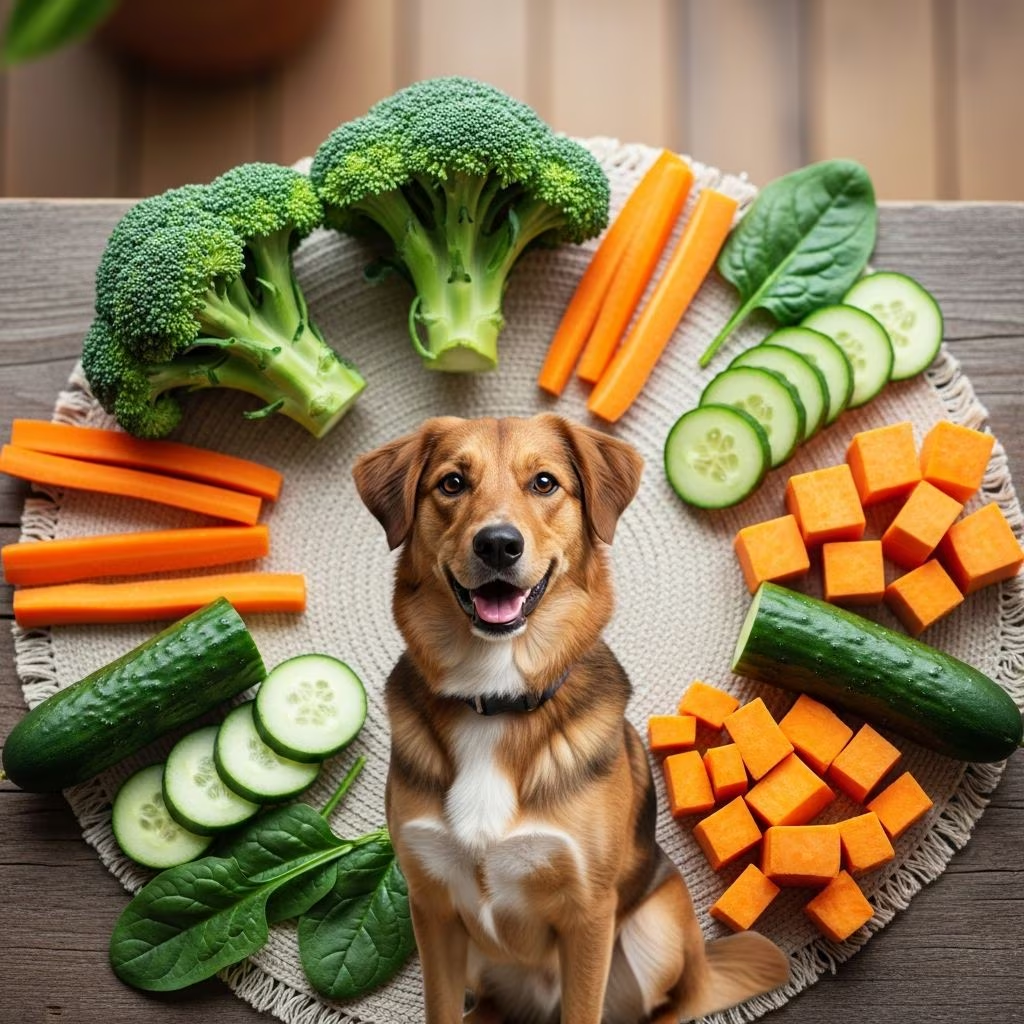
Vegetables for Dogs: A Complete Nutritional Guide
Vegetables are a nutritious addition to your dog’s diet, offering essential vitamins, minerals, fiber, and phytonutrients that support overall health and wellness. When incorporated properly, vegetables can complement a balanced diet and provide numerous health benefits for your canine companion. However, not all vegetables are safe for dogs, and some require special preparation. This comprehensive guide will help you understand which vegetables are beneficial for your dog, how to serve them safely, and why they matter for your pet’s nutrition.
Health Benefits of Vegetables for Dogs
Vegetables offer remarkable health advantages for dogs when selected and prepared correctly. Understanding these benefits can help you make informed decisions about your pet’s dietary choices.
Nutritional Density
Vegetables are packed with essential nutrients including proteins, fats, carbohydrates, and fiber. They supply important phytonutrients that aren’t found in meat, helping to balance your dog’s overall diet. While dogs require meat for a complete array of amino acids, vegetables provide vital nutritional components that support optimal health.
Immune System Support
Many vegetables contain powerful antioxidants and vitamins that strengthen your dog’s immune system. Butternut squash is high in vitamin C, which directly supports immune function, while other vegetables like broccoli and kale are richest in phytonutrients that can kill cancer cells and reduce inflammation.
Digestive Health
Raw vegetables are high in fiber, which passes through the dog’s intestines and ferments in the colon to create short-chain fatty acids (SCFAs). These compounds are used for energy, to build immune cells, and protect the mucous lining in the gut. Additionally, vegetables like asparagus, spinach, and tomatoes are especially rich in enzymes that aid digestion and support metabolic processes.
Heart and Bone Health
Green beans help promote good bone and heart health by improving blood fat levels through omega-3 fatty acids. They contain silicone, Vitamin K, calcium, magnesium, and phosphorous—all essential for maintaining strong bones and healthy cardiovascular function.
Hydration
Dogs eating kibble often exist in a chronic state of dehydration, which can contribute to kidney disease or bladder stone formation. Vegetables like cucumbers, lettuce, broccoli, and Brussels sprouts are more than 85% water, providing excellent hydration to support kidney and urinary health.
Safe Vegetables for Dogs
Not all vegetables are created equal when it comes to dog nutrition. Here are vegetables that are safe and beneficial for your canine companion:
Carrots
Carrots are an excellent choice for a healthy dog treat. They’re high in fiber and low in calories, containing beta-carotene, which produces vitamin A for better vision. The crunchy texture naturally helps clean teeth, and most dogs enjoy their natural sweetness.
Broccoli
This nutrient-dense food contains vitamins A, C, and D, plus beta carotene, folic acid, fiber, chromium, and calcium. Broccoli is a low glycemic vegetable that won’t raise your pet’s blood sugar levels and can help prevent cancer while boosting the immune system.
Green Beans
Green beans are a wonderful source of nutrition, containing vitamins A, B6, C, and K, along with protein, iron, calcium, and fiber. They’re low in calories but help your dog feel full, and most dogs appreciate their natural sweetness.
Spinach
This leafy green vegetable is excellent for dogs with inflammatory or heart problems due to its iron content—twice as much as many other greens. Spinach is a great source of fiber, calcium, potassium, and vitamins A, B6, and K, and helps prevent cancer.
Celery
Celery is a great source of calcium, potassium, phosphorous, sodium, iron, and vitamins A, B, and C. Components of celery act as powerful tumor-fighting agents and help regulate blood pressure. However, celery is a natural diuretic, so feed it in moderation to avoid excessive urination.
Pumpkin
Pumpkin is high in fiber and can help regulate digestion and prevent constipation in dogs. It’s rich in antioxidants and a good source of vitamins A, C, and E, plus potassium and iron. Canned pumpkin is widely available and convenient to add to meals.
Sweet Potatoes
Sweet potatoes are nutrient-rich vegetables that should be thoroughly cooked before feeding to your dog. They provide essential vitamins and minerals that support overall health and wellness.
Brussels Sprouts
Brussels sprouts are full of fiber, antioxidants, and vitamins A, B1, B6, C, and K. However, eating too many can cause flatulence and stomach issues like upset stomach or diarrhea, so serve in moderation.
Butternut Squash
High in vitamin C and fiber, butternut squash is rich in antioxidants and supports immune function. It’s a popular ingredient in commercial dog treats and food, making it easy to incorporate into your dog’s diet.
Cucumbers
Because cucumbers are 96% water, they’re highly hydrating for your dog. They’re low in calories and sugar, containing potassium, magnesium, vitamin C, and vitamin K.
Peas
Peas are a good source of vitamins A, C, and K as well as iron and potassium. They’re high in fiber and contain antioxidants that can reduce inflammation. Sugar snap, English, snow, and garden peas are all safe varieties for dogs.
Asparagus
Asparagus is rich in vitamins B6, C, E, and K, plus thiamin, niacin, and minerals like copper, potassium, chromium, and selenium. Raw asparagus makes a great alternative to chew sticks, though grilling or steaming makes it easier to swallow.
Zucchini
Low in calories and rich in fiber, zucchini offers an abundance of vitamins and minerals that strengthen dogs’ bones, kidneys, and hearts. It’s best steamed before serving to soften the skin.
Preparation Methods and Serving Guidelines
How you prepare vegetables significantly impacts their safety and nutritional value for your dog.
Raw Vegetables
Dogs can eat raw bell peppers, broccoli, carrots, cauliflower, lettuce, spinach, and zucchini. Raw vegetables retain maximum nutrients and provide the added benefit of natural teeth cleaning through chewing.
Cooked Vegetables
Some vegetables like pumpkin, squash, and sweet potatoes should be thoroughly cooked before feeding to your dog. Cooking makes these vegetables easier to digest and reduces choking hazards.
Canned Vegetables
Dogs can consume canned versions of safe vegetables as long as they’re not salted and are prepared properly. Safe canned options include green beans, pumpkin, spinach, and peas. Always check labels for added sodium and artificial ingredients.
Portion Sizes and Dietary Balance
While vegetables are nutritious, they should complement rather than replace your dog’s main diet. Follow these guidelines for safe incorporation:
- Vegetables should comprise no more than 10% of your dog’s daily caloric intake
- Start with small portions to allow your dog’s digestive system to adjust
- Monitor your dog’s response to new vegetables for digestive upset
- Adjust portions based on your dog’s size, age, and activity level
- Consult your veterinarian about appropriate serving sizes for your specific dog
Vegetables to Avoid
While many vegetables are safe, some can be toxic or harmful to dogs and should be completely avoided.
Onions and Garlic
These vegetables contain compounds that can damage dogs’ red blood cells and cause hemolytic anemia. They should never be fed to dogs under any circumstances.
Avocados
Avocados contain persin, which can cause digestive upset and other health issues in dogs. Keep this fruit completely away from your pet.
Raw Potatoes
Raw potatoes contain solanine, a toxic compound. Only feed cooked potatoes in moderation to your dog.
Nutritional Comparison Table
| Vegetable | Key Nutrients | Primary Benefits | Preparation |
|---|---|---|---|
| Carrots | Beta-carotene, Fiber, Vitamin A | Vision, Dental health | Raw or cooked |
| Broccoli | Vitamins A, C, D, Calcium, Fiber | Immune support, Cancer prevention | Raw or cooked |
| Spinach | Iron, Vitamins A, B6, K | Heart health, Inflammation reduction | Raw or cooked |
| Pumpkin | Fiber, Vitamins A, C, E | Digestion, Constipation relief | Cooked |
| Green Beans | Vitamins A, B6, C, K, Minerals | Bone health, Heart support | Raw or cooked |
| Sweet Potatoes | Vitamins, Minerals, Fiber | Overall health support | Cooked |
Special Considerations for Different Dogs
Senior Dogs
Senior dogs benefit greatly from the antioxidants in vegetables, which support cognitive function and joint health. Softer vegetables like cooked pumpkin and steamed carrots are easier for older dogs with dental issues to consume.
Puppies
Introduce vegetables gradually to puppies to avoid digestive upset. Small portions of soft, cooked vegetables are ideal for developing digestive systems.
Dogs with Specific Health Conditions
Dogs with diabetes benefit from low glycemic vegetables like broccoli that won’t spike blood sugar. Dogs with heart problems benefit from the potassium in spinach and celery. Always consult your veterinarian about dietary modifications for dogs with health conditions.
How to Introduce Vegetables to Your Dog’s Diet
Introducing new vegetables requires a gradual, thoughtful approach to prevent digestive issues and identify any sensitivities your dog might have.
Introduction Steps
- Start with one new vegetable at a time
- Introduce small portions (1-2 tablespoons for large dogs, less for small dogs)
- Wait 3-5 days before introducing another new vegetable
- Monitor your dog for any signs of digestive upset or allergic reactions
- Gradually increase portions if well-tolerated
- Keep a food journal to track which vegetables your dog enjoys and tolerates well
Creative Ways to Serve Vegetables
Making vegetables appealing to your dog can be fun and rewarding for both of you.
Vegetable Combinations
Mix safe vegetables together to create variety and interest. Combine carrots, green beans, and pumpkin for a nutritious medley. Mix spinach with sweet potato for added nutrient density.
Frozen Treats
Freeze pureed vegetables or finely chopped vegetables mixed with plain yogurt for refreshing summer treats. Frozen vegetables can also help soothe teething puppies.
Mixed Into Meals
Incorporate vegetables directly into your dog’s regular meals. Mix cooked, chopped vegetables into their standard food for added nutrition without changing their main diet significantly.
Frequently Asked Questions
Q: Can dogs eat raw vegetables?
A: Yes, many vegetables can be safely eaten raw, including carrots, broccoli, spinach, and cucumbers. Raw vegetables retain maximum nutrients and help clean teeth. However, some vegetables like sweet potatoes and pumpkin should be cooked first to aid digestion.
Q: How much vegetable can I give my dog daily?
A: Vegetables should comprise no more than 10% of your dog’s daily caloric intake. For a medium-sized dog, this typically means 1-2 cups of mixed vegetables per day, but consult your veterinarian for specific recommendations based on your dog’s size and health status.
Q: Are vegetables a complete meal for dogs?
A: No, vegetables should supplement, not replace, your dog’s primary diet. Dogs require high-quality protein from meat sources to obtain all essential amino acids. Vegetables are best used as additions to balanced meals or healthy treats.
Q: Can vegetables help with dog weight management?
A: Yes, low-calorie vegetables like carrots and green beans are excellent for weight management. They can help your dog feel full while providing fewer calories than traditional treats, supporting healthy weight loss when combined with appropriate portion control.
Q: What should I do if my dog has a negative reaction to vegetables?
A: If your dog experiences vomiting, diarrhea, or other digestive upset, discontinue the vegetable immediately and consult your veterinarian. Introduce vegetables gradually in small portions and track which ones your dog tolerates well.
Q: Are canned vegetables safe for dogs?
A: Canned vegetables are safe if they contain no added salt or artificial ingredients. Always check labels carefully and rinse canned vegetables to reduce sodium content. Canned pumpkin and green beans are particularly popular and convenient options.
Q: Can puppies eat vegetables?
A: Yes, puppies can eat vegetables, but introduce them gradually and in small portions. Choose soft, easy-to-digest options like cooked pumpkin and steamed carrots. Always consult your veterinarian before adding vegetables to your puppy’s diet.
References
- Fruits & Vegetables to Benefit Your Dogs — Humane Society of Dayton. 2014-11-01. https://hsdayton.org/fruits-vegetables-to-benefit-your-dogs/
- What Vegetables Can Dogs Eat? — PetMD. 2024. https://www.petmd.com/dog/nutrition/what-vegetables-can-dogs-eat
- 11 Benefits Of Vegetables For Dogs — Dogs Naturally Magazine. 2024. https://www.dogsnaturallymagazine.com/10-reasons-to-feed-vegetables-for-dogs/
- What Vegetables Can Dogs Eat? A List of Good (& Bad) Veggies For Dogs — Pawlicy. 2024. https://www.pawlicy.com/blog/vegetables-dogs-can-and-cant-eat/
- Fruits and Vegetables Dogs Can or Can’t Eat — American Kennel Club. 2024. https://www.akc.org/expert-advice/nutrition/fruits-vegetables-dogs-can-and-cant-eat/
- 14 Vegetables Dogs Can Eat (And May Just Love) — ToeGrips. 2024. https://toegrips.com/vegetables-dogs-can-eat/
- Benefits of Vegetables — Dr. Judy Morgan’s Naturally Healthy Pets. 2024. https://drjudymorgan.com/blogs/blog/benefits-of-vegetables



