

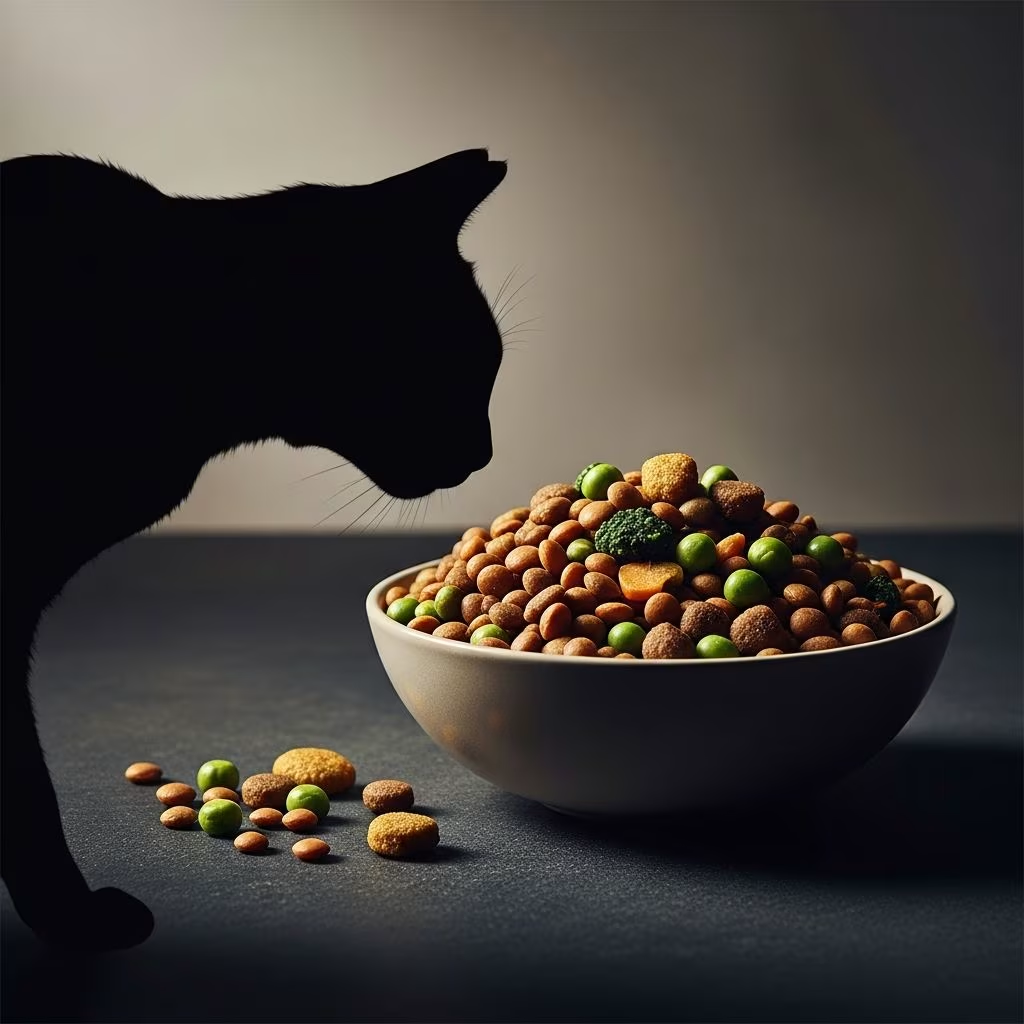
Cats, as obligate carnivores, have evolved to derive vital nutrients primarily from animal sources, raising questions about the suitability of vegan diets. While some pet owners pursue plant-based options for ethical or environmental reasons, scientific evidence reveals both potential benefits and significant nutritional challenges.
Understanding Cats as Obligate Carnivores
Cats possess a short digestive tract optimized for meat digestion, lacking the enzymes to efficiently process plant material. Their biology demands nutrients like taurine, arachidonic acid, vitamin A, and certain B vitamins, which are scarce or absent in plants. Without these, deficiencies can lead to severe conditions such as heart disease, vision loss, and poor coat quality.
- Taurine: Essential amino acid found almost exclusively in animal tissues; deficiency causes dilated cardiomyopathy and retinal degeneration.
- Arachidonic Acid: Omega-6 fatty acid critical for skin health and inflammation control, bioavailable mainly from animal fats.
- Vitamin A: Preformed retinol in meat supports vision and immune function; plants offer only provitamin A, poorly converted by cats.
These requirements underscore why commercial vegan cat foods rely heavily on synthetic supplements to mimic meat-based nutrition.
Nutritional Challenges of Plant-Based Diets
Formulating balanced vegan cat food is complex due to cats’ inefficient metabolism of plant proteins and carbs. Poorly designed diets risk protein shortages, leading to muscle wasting, weakened immunity, and skin issues. Additionally, plant ingredients often create alkaline urine pH, elevating risks of urinary tract infections and struvite crystals.
| Nutrient | Natural Source | Vegan Alternative | Potential Issue |
|---|---|---|---|
| Taurine | Meat, fish | Synthetic supplement | Absorption variability |
| Arachidonic Acid | Animal fats | Plant oils + conversion | Inefficient feline conversion |
| Vitamin A | Liver, organs | Supplements/beta-carotene | Poor bioavailability |
| B Vitamins (e.g., B12, Folic Acid) | Animal products | Synthetic/fermented | Lower serum levels observed |
Blood analyses in vegan-fed cats often show normal protein and B12 but significantly reduced folic acid levels, hinting at incomplete nutrient replication.
Insights from Recent Health Studies
Emerging research provides mixed signals on vegan diets. A 2023 study of 1,369 cats found vegan-fed ones had lower reported health issues: 7.3% fewer vet visits, 14.9% less medication, and 54.7% reduced progression to therapeutic diets, though not statistically significant. Owners noted better body condition and fewer gastrointestinal problems.
Another 2021 survey of 1,026 cats reported vegan groups in “very good health” more often, with ideal body scores and lower hepatic disorders. Prevalence of disorders was slightly lower (37% vs. 42% in meat-fed).
However, clinical exams revealed no diet-linked abnormalities, but vegan cats showed lower folic acid. A 2006 study of 34 vegetarian cats found most had normal taurine/B12, except those on inconsistent diets.
These trends suggest well-formulated vegan foods may support health comparably, but lack of significance and small samples urge caution.
Potential Health Risks and Warning Signs
Despite supplements, risks persist. Taurine deficiency manifests as lethargy, poor appetite, heart enlargement, and blindness. Arachidonic shortages cause dry skin and poor wound healing. Alkaline urine promotes crystals and infections.
- Monitor for weight loss, dull coat, diarrhea.
- Watch eye discharge or vision changes.
- Track urination habits for crystals/UTIs.
Kittens face heightened risks during growth, demanding high protein unmet by many vegan formulas. Long-term reliance on synthetics questions sustainability of artificial nutrition.
Expert Recommendations for Vegan Feeding
Veterinarians advise against vegan diets unless under strict supervision. Consult a vet nutritionist for bloodwork and tailored supplements. Choose foods meeting AAFCO standards with proven taurine stability.
Transition gradually over weeks to avoid digestive upset. Regular check-ups, including taurine levels and urine pH, are essential.
Ethical and Environmental Motivations
Many opt for vegan pet food to reduce meat industry impacts like hormones and antibiotics. Plant-based options lower carbon footprints, appealing to eco-conscious owners. Yet, cat biology prioritizes health over ideals.
Comparing Diet Outcomes: Key Metrics
| Health Metric | Meat-Based Cats | Vegan Cats | Notes |
|---|---|---|---|
| Vet Visits Reduction | Baseline | 7.3% lower | Not significant |
| Medication Use | Baseline | 14.9% lower | Tendency |
| Severe Illness (Owner View) | Baseline | 22.8% lower | Strong tendency |
| Disorders Prevalence | 42% | 37% | Lower in vegan |
| Folic Acid Levels | Normal | Significantly lower | Clinical finding |
Alternatives to Full Vegan Diets
- High-Welfare Meat Foods: Ethical sourcing minimizes concerns.
- Raw or Homemade: Balance with organ meats for natural nutrients.
- Reduced-Meat Hybrids: Partial plant inclusion with animal proteins.
These maintain carnivorous needs while addressing ethics.
FAQs on Vegan Cat Nutrition
Can cats thrive on vegan food?
Some studies show comparable health, but risks from nutrient gaps remain, especially without monitoring.
What supplements are crucial?
Taurine, arachidonic acid, vitamin A, and B vitamins; verify via lab tests.
Is vegan food AAFCO-approved?
Some are, but feline-specific standards prioritize animal sources; check labels.
How to spot deficiencies early?
Lethargy, hair loss, heart issues; annual bloodwork recommended.
Are there long-term studies?
Limited; most span 1+ years with trends but no significance.
Conclusion: Informed Choices for Feline Health
Vegan cat food offers intriguing prospects backed by preliminary data, yet obligate carnivore physiology demands caution. Prioritize veterinary guidance, quality formulations, and vigilant health checks to balance ethics with biology. Your cat’s vitality hinges on meeting innate needs.
References
- Vegan versus meat-based cat food: Health outcomes in 1,369 cats — Knight A, et al. PMC. 2023. https://pmc.ncbi.nlm.nih.gov/articles/PMC10499249/
- Can Cats Be Vegan or Vegetarian? — PetMD. 2023 (updated). https://www.petmd.com/cat/nutrition/can-cats-be-vegan-or-vegetarian
- Should Our Cats Eat A Vegan Diet? — Just Be Kind. 2023. https://justbekind.co.uk/blogs/news/should-our-cats-eat-a-vegan-diet
- Vegan Cat Food and Vegan Cats: Weighing Risks & Rewards — Holistic Vet Blend. 2023. https://holisticvetblend.com/blogs/news/vegan-cat-food-and-vegan-cats-weighing-risks-rewards
- Is It Safe To Feed Your Cat a Vegan Diet? — Cats.com. 2023 (updated). https://cats.com/vegan-cat-food
- Vegan Diets: Health Impact in Dogs and Cats — Knight A, Leitsberger M. PMC. 2023. https://pmc.ncbi.nlm.nih.gov/articles/PMC9860667/



