

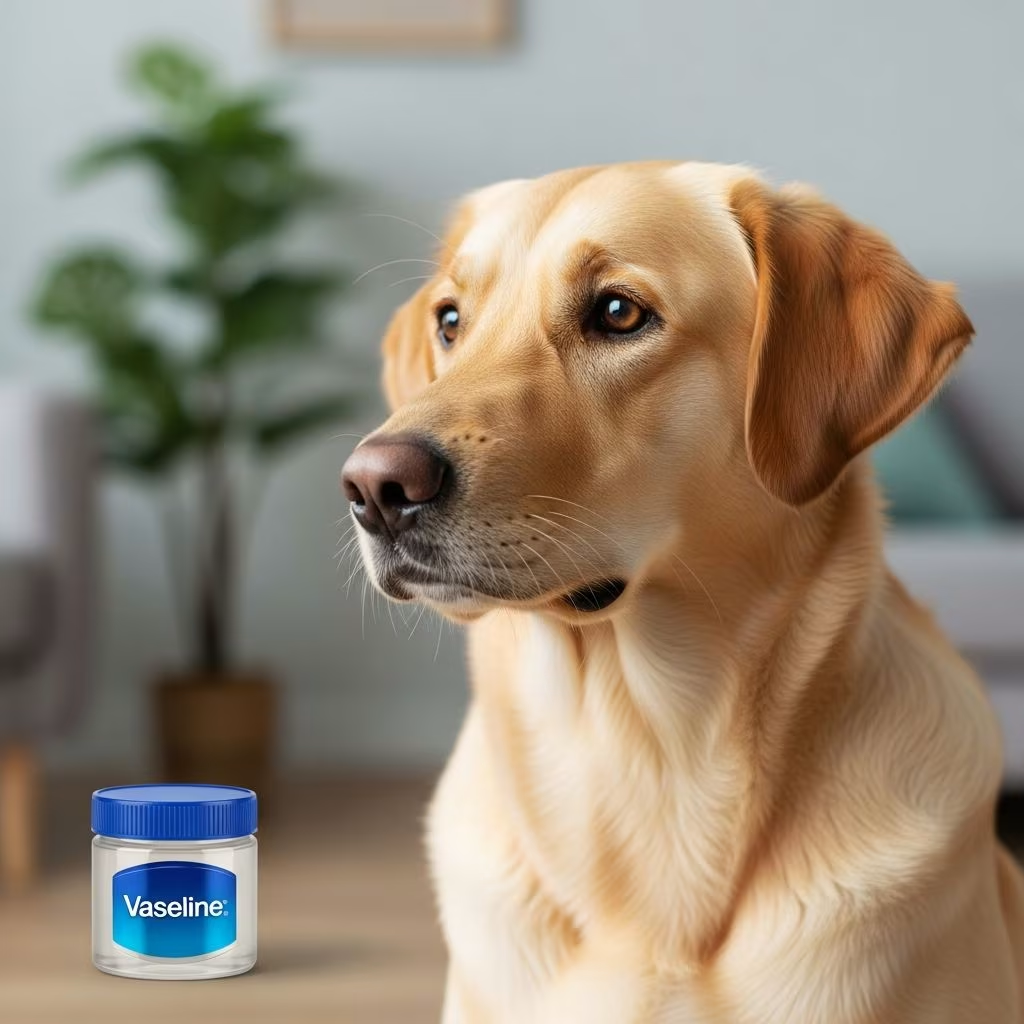
Petroleum jelly, commonly known as Vaseline, serves as a versatile moisturizer for human skin but raises questions when it comes to canine companions. While not inherently toxic, its application on dogs demands caution primarily because of their instinctive licking behavior, which can lead to digestive disturbances.
Understanding Petroleum Jelly’s Composition
Vaseline consists of purified petrolatum, a byproduct of petroleum refining that forms an occlusive barrier to lock in moisture. This property makes it effective for chapped human lips or minor cuts. For dogs, however, the same inert nature means it passes through the digestive system undigested, potentially causing loose stools or vomiting if consumed in notable quantities.
Unlike medicated versions, pure Vaseline lacks active healing ingredients, offering protection rather than treatment. Veterinary sources emphasize that while small topical amounts pose minimal threat, the risk escalates with ingestion.
Primary Concerns with Topical Application
Dogs frequently groom themselves, turning any surface ointment into an accidental meal. Key issues include:
- Gastrointestinal Upset: Ingested petroleum jelly acts as a laxative, leading to diarrhea, vomiting, or abdominal discomfort. Small licks might pass unnoticed, but larger intakes can dehydrate sensitive pups.
- Occlusion Risks: The jelly can seal in moisture alongside bacteria or allergens, fostering infections on irritated skin or paws.
- Slipperiness: Applied to paw pads, it creates hazardous traction loss, increasing slip-and-fall injuries.
Flavored or additive-laden variants amplify dangers; always verify 100% pure formulations if use is unavoidable.
When Might Vaseline Be Considered?
In emergencies, sparing use holds potential benefits for transient issues:
- Dry, cracked paw pads from harsh winters or hot pavements.
- Minor nose dryness, though licking remains a hurdle.
- Temporary shielding of superficial abrasions post-cleaning.
Application tips for minimal risk:
- Clean the area thoroughly with mild soap and water.
- Apply a pea-sized dab, rubbing thinly.
- Distract with toys or walks to deter immediate licking.
- Monitor for 24 hours; discontinue if adverse signs appear.
These scenarios underscore Vaseline’s role as a stopgap, not a staple in pet care routines.
Dangers of Ingestion: What to Watch For
If your dog consumes Vaseline—perhaps from a tipped jar—symptoms vary by volume:
| Ingestion Amount | Expected Effects | Action Steps |
|---|---|---|
| Trace (licked off paws) | Mild or none | Observe; ensure water access |
| Small (teaspoonful) | Possible soft stools | Monitor 48 hours |
| Large (tablespoon+) | Vomiting, diarrhea, lethargy | Contact vet immediately |
Large doses risk dehydration or exacerbate conditions like pancreatitis. Prompt veterinary input prevents escalation, often involving hydration support or laxatives to expel the substance.
Superior Alternatives for Canine Skin Health
Vet-formulated products outperform household remedies by resisting licking and incorporating healing agents. Consider these categories:
- Paw Balms: Beeswax-based waxes like Musher’s Secret hydrate without slipperiness, ideal for pads.
- Nose Soothers: Organic balms with shea butter or coconut oil target hyperkeratosis safely.
- Medicated Ointments: Hydrocortisone-free creams for allergies, prescribed post-diagnosis.
- Natural Oils: Diluted coconut or olive oil for light moisturizing, though patch-test first.
Transition table for common issues:
| Problem Area | Vaseline Drawback | Better Option |
|---|---|---|
| Paw Pads | Slippery; licked off | Hard wax balms |
| Dry Nose | Ingested easily | Pet-specific noses |
| Elbow Calluses | Traps debris | Healing salves |
These alternatives absorb better and include bitter agents to discourage consumption.
Preventive Strategies for Skin Wellness
Proactive care reduces reliance on topicals:
- Dietary Balance: Omega-3 supplements from fish oil combat dryness internally.
- Environmental Tweaks: Booties for salted sidewalks; humidifiers in dry homes.
- Grooming Routines: Weekly paw soaks in Epsom salts for cracks.
- Breed Awareness: Short-nosed breeds prone to nasal dryness benefit from routine checks.
Holistic approaches like oatmeal baths soothe without residues.
Veterinary Perspectives on Home Remedies
Experts concur: human products like Vaseline fall short for pets. DVMs advocate diagnostics for persistent issues—fungal infections or allergies often mimic simple dryness. Routine exams catch precursors early.
For ingestion events, ASPCA Poison Control echoes monitoring small amounts but urging professional aid for substantial exposures.
Frequently Asked Questions
Is Vaseline toxic to dogs?
No, but it induces gastrointestinal distress via laxative effects upon ingestion.
Can I use Vaseline on my puppy’s paws?
Avoid; opt for puppy-safe balms to prevent slips and tummy woes.
What if my dog ate a whole jar?
Seek vet care promptly; risks include severe dehydration.
Are there scented Vaselines safe for dogs?
No; additives heighten toxicity risks.
How much licking is too much?
Any notable ingestion warrants observation; diarrhea signals excess.
Long-Term Implications of Improper Use
Repeated applications risk chronic issues: trapped follicles lead to folliculitis, while frequent GI episodes strain health. Petroleum buildup, though rare, associates with lipoid pneumonia from aspiration. Prioritizing canine-specific solutions fosters sustained vitality.
Empower your dog’s comfort through informed selections, blending prevention with targeted interventions.
References
- Can I Put Vaseline on My Dog? — Heart of Chelsea Veterinary Group. 2023. https://heartofchelsea.com/blog/can-i-put-vaseline-on-my-dog/
- Is Vaseline safe for dogs? — BetterPet. 2024. https://www.betterpet.com/learn/vaseline-safe-for-dogs
- Can You Put Vaseline on Dogs? Answers & Alternatives — LolaHemp. 2023. https://lolahemp.com/blogs/dog-health/can-i-put-vaseline-on-my-dog
- Can I Put Vaseline on My Dog? Safe Uses & Better Options — Marley Bones. 2024. https://marleybones.com/blogs/news/health-can-i-put-vaseline-on-my-dog
- My Dog Ate Vaseline: When to Worry & Vet-Approved Advice — Dogster. 2023. https://www.dogster.com/dog-health-care/my-dog-ate-vaseline
- Is Vaseline Safe for a Dog’s Nose? Snout Soother vs. Vaseline — FurChild Pets. 2023. https://furchildpets.com/blog/is-vaseline-safe-for-dog-nose-snout-soother-vs-vaseline



