

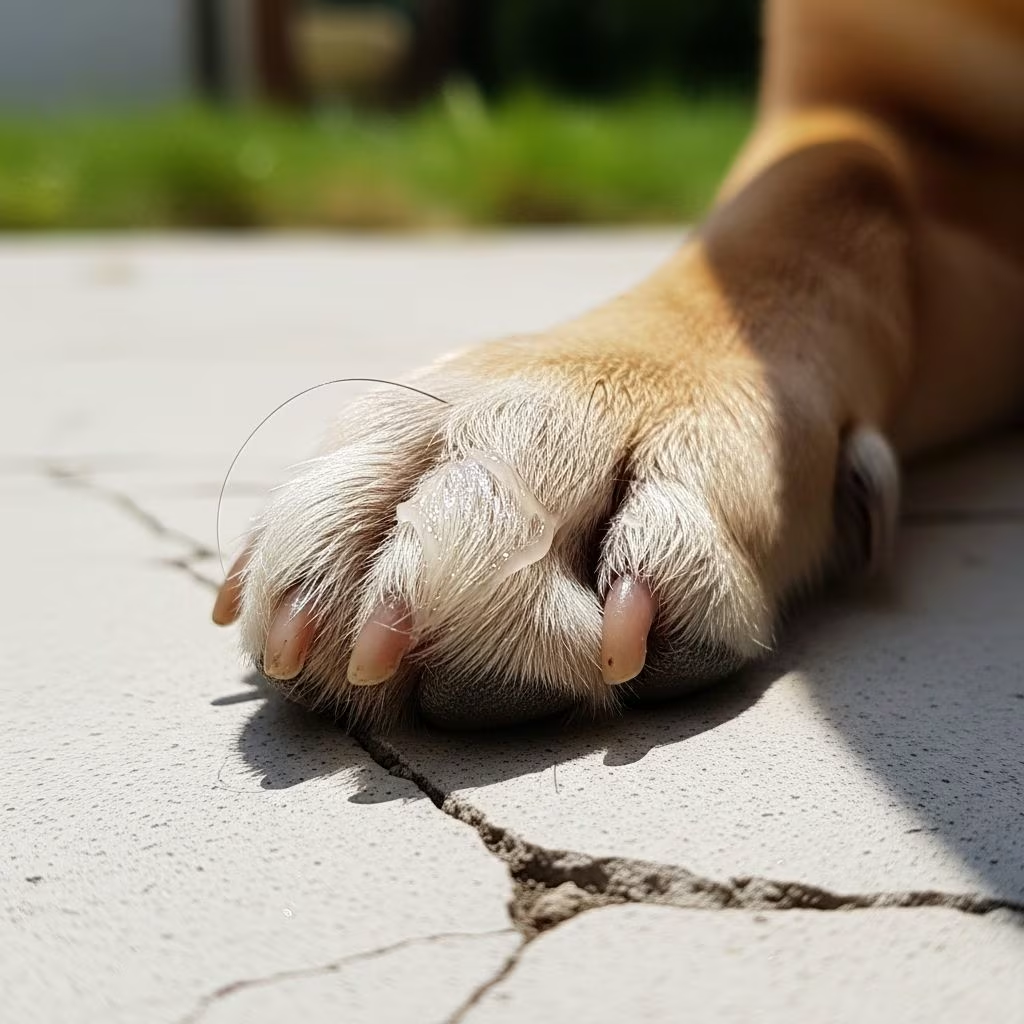
Dog paws endure daily wear from walks, rough terrain, and environmental hazards. Many owners wonder if petroleum jelly like Vaseline can moisturize dry or cracked pads safely. While it offers temporary relief by forming a barrier against moisture loss, experts caution against routine use due to potential ingestion risks and lack of therapeutic benefits tailored for pets.
Understanding Paw Pad Anatomy and Common Issues
Paw pads consist of tough, leathery skin filled with fat for cushioning, sweat glands for cooling, and sensitive nerves. They protect against heat, cold, rocks, and chemicals. Common problems include cracking from dryness, cuts from glass or thorns, burns from hot pavement, infections from bacteria, and allergies causing itching or licking.
Environmental factors like winter salt, summer heat, or allergens exacerbate these issues. Regular inspection reveals early signs: redness, swelling, limping, excessive licking, or foreign objects lodged between toes.
Pros and Cons of Using Vaseline on Dog Paws
Potential Benefits:
- Creates a protective barrier to lock in moisture and shield from irritants.
- Softens mildly cracked pads temporarily.
- Readily available and inexpensive household item.
Key Drawbacks:
- Ingestion Toxicity: Dogs lick paws constantly; petroleum jelly can cause diarrhea, vomiting, or aspiration pneumonia if swallowed in quantity.
- Traps Dirt and Bacteria: Oily base seals in debris, promoting infections rather than healing.
- Lacks Nutrients: Unlike paw-specific balms, it provides no vitamins, oils, or antibacterials for repair.
- Not Vet-Approved: Organizations like the AKC recommend pet-formulated products over human items.
| Aspect | Vaseline | Dog Paw Balm |
|---|---|---|
| Moisturizing | Basic barrier | Deep hydration with natural oils |
| Safety for Licking | Risky | Pet-safe, non-toxic |
| Healing Properties | None | Antibacterial, anti-inflammatory |
| Best Use | Emergency only | Daily prevention/treatment |
Safer Alternatives to Vaseline for Paw Protection
Opt for veterinary-approved paw waxes, balms, or creams with ingredients like shea butter, beeswax, vitamin E, and essential oils. These hydrate without greasiness, resist licking, and include antimicrobials. Examples include products with apricot oil or pathentol for crack prevention.
For daily care:
- Apply balm post-walk to seal in moisture.
- Use wax for winter ice or hot summer pavement protection.
- Combine with booties for extreme conditions.
Epsom salt soaks (5-10 minutes daily) soothe itchy paws from allergies by removing contaminants.
Step-by-Step First Aid for Injured Paws
Act quickly to prevent complications. Always consult a vet for deep wounds, heavy bleeding, or signs of infection (pus, fever, lethargy).
- Assess and Restrain: Muzzle if needed; examine for foreign objects like thorns or glass.
- Stop Bleeding: Apply firm pressure with clean cloth for 5-10 minutes. Elevate paw; use cold compress to constrict vessels.
- Clean Thoroughly: Flush with warm soapy water or saline. Use diluted chlorhexidine antiseptic. Avoid hydrogen peroxide.
- Bandage Properly:
- Trim fur around wound.
- Pad toes with cotton; cover with sterile gauze.
- Wrap snugly from toes to ankle with self-adhesive Vetwrap—fit two fingers underneath.
- Change daily; monitor for swelling.
- Treat Burns: Cool under lukewarm water 10-20 minutes; no ice. Apply antibiotic ointment.
Daily Paw Care Routine for Prevention
Proactive habits keep paws resilient:
- Inspect Weekly: Use “thumb test”—run thumb over pads to check skin between toes and claws.
- Clean After Outings: Wipe with damp cloth or dog wipes to remove salt, dirt, allergens.
- Moisturize Regularly: Massage balm into pads 2-3 times weekly, more in dry climates.
- Trim Fur: Keep inter-pad hair short to avoid matting.
- Desensitize Paws: Touch/massage during play for paw-handling comfort.
- Choose Safe Surfaces: Alternate hard pavement with grass; limit hot/cold exposure.
Recognizing and Treating Paw Infections
Infections show as swelling, heat, odor, limping. Causes: trapped bacteria, allergies, yeast. Clean daily; apply pet-safe antibacterial cream. For allergies, Epsom soaks or medicated wipes reduce itching. Vet-prescribed antibiotics may be needed.
Seasonal Paw Protection Strategies
Summer Heat
Test pavement with hand—if too hot for 5 seconds, it’s scorching paws. Use booties, paw wax, walk early mornings.
Winter Woes
Wipe off de-icing salts immediately; moisturize against cracks. Musher’s wax prevents snowballs.
When to See a Veterinarian Urgently
- Deep punctures or lacerations.
- Uncontrolled bleeding after 10 minutes pressure.
- Signs of infection or systemic illness.
- Limping persists >24 hours.
- Multiple paws affected or chemical burns.
FAQs
Can dogs lick Vaseline off paws?
Limited amounts rarely cause issues, but frequent licking risks GI upset. Use lick-safe balms instead.
Is coconut oil better than Vaseline?
Coconut oil has antimicrobial properties but can be messy and caloric if ingested. Paw balms are superior.
How often should I apply paw balm?
2-3 times weekly for maintenance; daily for dry/cracked pads.
What if my dog chews bandages?
Use flavored deterrent wraps or cone collar; consult vet for alternatives.
Are paw booties necessary?
Ideal for extreme weather or injuries; accustom dog gradually.
Building Lifelong Paw Resilience
Consistent care transforms vulnerable paws into tough protectors. Start with inspections, hygiene, and safe moisturizers. Avoid shortcuts like Vaseline; invest in quality products. Healthy paws mean happy, active dogs year-round.
References
- Sore paws in dogs – causes, treatment and prevention — Ardap Care. 2023. https://ardapcare.com/en/blogs/hund/wunde-pfoten-hund
- What To Do If Your Dog Has a Cut Paw — Berkeley Dog & Cat Hospital. 2021-11-15. https://www.berkeleydogandcat.com/site/blog/2021/11/15/dog-cut-paw
- How to Clean and Care for Your Dog’s Paws — American Kennel Club (AKC). Recent. https://www.akc.org/expert-advice/health/clean-dog-paws/
- 8 Vet-Approved Home Remedies for Your Dog — PetMD. Recent. https://www.petmd.com/dog/general-health/home-remedies-for-dogs
- Paw Care Basics: Essential Tips for Healthy Dog Paws — Paw Oasis Pet Resort. Recent. https://pawoasispetresort.com/paw-care-basics-essential-tips-for-healthy-dog-paws/
- Tough Feet, Tough Dogs: A Veterinarian’s Guide to Foot Care — Pheasants Forever. Recent. https://www.pheasantsforever.org/BlogLanding/Blogs/Pheasants-Forever/Sporting-Dog-Shorts-Tough-Feet,-Tough-Dogs-A-Veterinarian-s-Guide-to-Foot-Care.aspx



