

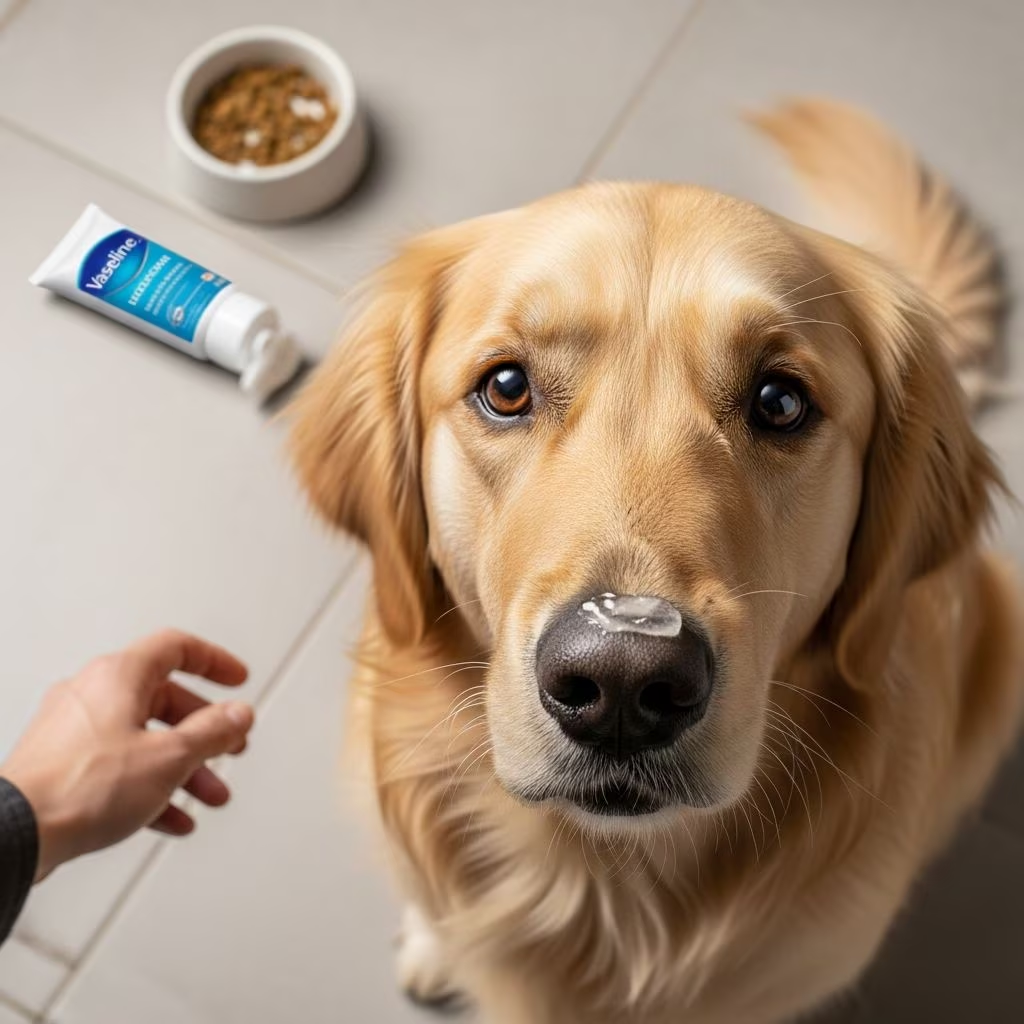
Pet owners often face unexpected situations when their curious canine companions get into household products. One common concern is accidental Vaseline ingestion. Whether your dog licked a small amount or managed to consume a significant quantity, understanding the potential consequences and appropriate response measures is essential for responsible pet care. This guide provides evidence-based information to help you assess the situation and determine the necessary course of action.
Is Vaseline Toxic to Dogs?
One of the first questions pet parents ask is whether Vaseline poses a poisoning risk. The straightforward answer is that standard Vaseline, composed primarily of petroleum jelly, is not inherently toxic to dogs. Dogs will not be poisoned from consuming Vaseline in typical household quantities. This knowledge can provide reassurance when accidents occur, though it does not mean there are no potential health considerations to monitor.
The distinction between toxicity and safety is important. While Vaseline itself is not poisonous, it can still cause digestive complications depending on the amount consumed and the individual dog’s health status. Additionally, some formulations of Vaseline may contain added ingredients that warrant different considerations than plain petroleum jelly.
Potential Health Effects of Vaseline Consumption
When dogs ingest Vaseline, the most common outcome involves gastrointestinal symptoms rather than systemic poisoning. Understanding these potential effects helps pet owners recognize what to expect and when professional intervention may be warranted.
Digestive Tract Effects
Vaseline primarily affects the digestive system due to its oily composition and how it interacts with normal digestion. The petroleum jelly can coat the digestive tract lining, which leads to several observable effects. This coating action creates the characteristic symptoms that dog owners often notice after their pets consume Vaseline.
The most common digestive consequence is greasy or oily diarrhea. Dogs that consume Vaseline frequently produce loose, glossy stools that may appear unusually slick. In some cases, vomiting occurs, and dogs may experience stomach discomfort or gastrointestinal distress characterized by audible stomach sounds.
Secondary Health Concerns
Beyond the direct digestive effects, Vaseline ingestion can trigger secondary health issues. Dehydration represents a significant concern, particularly when diarrhea and vomiting occur simultaneously. Dogs losing fluids through digestive upset need adequate water intake to maintain proper hydration levels.
Another potential complication, though less common, involves aspiration pneumonia. This occurs when oily substances travel down the trachea into the lungs rather than the stomach, causing irritation and inflammation. The viscosity of Vaseline makes this risk lower than with thinner petroleum products, but it remains a consideration, which is why inducing vomiting is generally not recommended after Vaseline ingestion.
Additionally, Vaseline may interfere with nutrient absorption in the intestines due to its coating effect on the digestive tract lining. While temporary nutrient disruption from small amounts is typically inconsequential, larger quantities could impact nutritional status if symptoms persist for extended periods.
Assessing the Severity Based on Consumption Amount
The amount of Vaseline consumed is the primary factor in determining how significantly your dog may be affected. Pet owners should attempt to estimate consumption levels to guide their response.
| Consumption Level | Typical Dog Size | Expected Symptoms | Recommended Action |
|---|---|---|---|
| Minimal (lick or small taste) | Any size | No symptoms or minimal soft stool | Monitor for 24 hours; no veterinary visit needed |
| Small amount (approximately one spoonful) | Medium to large | Loose stools, possible mild gassiness | Increase water intake; monitor symptoms |
| Small amount (approximately one spoonful) | Toy or small breed | Diarrhea, vomiting, gastrointestinal distress | Contact veterinarian for guidance |
| Moderate amount (several spoonfuls or more) | Any size | Greasy diarrhea, vomiting, abdominal discomfort | Monitor closely; contact vet if symptoms intensify |
| Large amount or entire container | Any size | Severe vomiting, persistent diarrhea, lethargy, dehydration | Contact veterinarian immediately |
Special Considerations for Formulated Vaseline Products
Not all products labeled as Vaseline are identical. Some formulations include additional ingredients beyond plain petroleum jelly, which can change the safety assessment. Scented or medicated Vaseline products may contain compounds that pose different risks than standard Vaseline.
Common additives include:
- Cocoa butter (which contains theobromine, potentially toxic to dogs)
- Aloe vera (which may cause gastrointestinal irritation)
- Essential oils or fragrance compounds
- Medicinal ingredients designed for human use
- Lanolin or other emollients
If your dog consumed scented, medicated, or specialty Vaseline, contact your veterinarian immediately to discuss the specific product composition. The added ingredients may warrant professional evaluation and specific guidance beyond standard Vaseline ingestion protocols.
The Container and Choking Risks
While the Vaseline product itself may pose limited toxicity risk, the container presents additional hazards. Dogs that consume the plastic container along with its contents face risks of gastrointestinal blockage or choking. Plastic fragments can lodge in the throat or create intestinal obstructions requiring surgical intervention.
Pet owners should examine whether the container was consumed, partially destroyed, or simply opened. Any indication that the dog swallowed plastic pieces warrants veterinary attention, even if the amount of Vaseline consumed was small.
Timeline for Symptom Development and Resolution
Understanding the expected timeline helps pet owners distinguish between normal post-ingestion effects and concerning prolonged symptoms. Most dogs experiencing Vaseline-related digestive upset show symptoms within a few hours of consumption. The symptoms typically manifest as loose stools or vomiting.
The duration of these effects varies based on consumption amount. In most cases, symptoms pass within 24 to 48 hours, with the dog returning to normal bowel function and appetite. During this period, you may notice greasy or glossy appearance to stools as the Vaseline passes through the digestive system.
The digestive tract generally clears Vaseline within one to two days. Pet owners often notice residual slick or oily stools even after primary vomiting or diarrhea subsides, which is normal and expected. Once the Vaseline completely passes through the system, stool appearance and consistency return to baseline.
When Professional Veterinary Care Is Necessary
While many Vaseline ingestion cases resolve without veterinary intervention, specific situations warrant immediate professional evaluation. Pet owners should contact their veterinarian if their dog exhibits any of the following:
- Persistent or frequent vomiting occurring more than once or continuing beyond a few hours
- Diarrhea lasting more than 48 hours, particularly if it becomes bloody
- Lethargy or lack of responsiveness, indicating possible systemic illness
- Refusal to eat or drink for extended periods
- Abdominal pain evidenced by hunched posture, whining, or guarding behavior
- Blood in vomit or stool, suggesting intestinal inflammation or damage
- Evidence of container ingestion, indicating possible blockage risk
- Ingestion of medicated or scented Vaseline with unknown ingredients
- Consumption of large quantities by small breed dogs
- Symptoms in dogs with pre-existing health conditions affecting digestion or immune function
Additionally, dogs displaying signs of dehydration require veterinary attention. Dehydration indicators include dry nose, excessive panting, lethargy, thick or stringy saliva, sunken eyes, and tacky or dull gums. These signs suggest fluid loss exceeding the dog’s ability to maintain hydration through normal drinking.
Immediate Response Steps After Discovery
If you discover that your dog has consumed Vaseline, taking prompt action improves outcomes. The first steps include:
- Remove the Vaseline source by securing or discarding the product and cleaning any residue from your dog’s mouth, paws, or fur
- Assess the situation by determining approximately how much was consumed and identifying the specific product used
- Observe for immediate symptoms such as difficulty breathing, drooling, or signs of choking that would require emergency care
- Ensure water availability and encourage drinking to support hydration
- Document timing and symptoms to communicate with your veterinarian if consultation becomes necessary
- Contact your veterinarian or poison control if uncertainty exists about consumption amount or product composition
Preventive Strategies for Future Safety
Prevention remains the most effective approach to avoiding Vaseline-related incidents. Pet owners should implement household management strategies to reduce exposure risks:
- Store Vaseline and similar petroleum-based products in secured cabinets or high shelves away from dog access
- Keep personal care products in bathrooms or bedrooms with closed doors
- Dispose of empty or opened containers promptly in sealed trash bins
- Educate family members about the importance of securing household products
- Supervise puppies and dogs with a history of eating non-food items during household activities
- Use veterinarian-approved alternatives for treating dry paws, noses, or skin conditions
Safe Alternatives for Treating Dry Skin in Dogs
If your dog has dry, cracked paws or nose, Vaseline application is not recommended. Instead, consult your veterinarian about appropriate canine-specific products designed for pets. Professional guidance ensures that any underlying health issues contributing to dry skin receive proper treatment while using safe products formulated specifically for canine use.
Frequently Asked Questions
Will my dog be okay after eating Vaseline?
Yes, in the majority of cases, dogs recover completely from Vaseline ingestion. Most dogs experience only mild, temporary digestive upset that resolves within 24 to 48 hours without lasting effects. Serious complications are rare and typically occur only with very large consumption amounts or in dogs with pre-existing health conditions.
How much Vaseline is considered dangerous?
While Vaseline itself is not toxic at any dose, very large amounts increase the risk of complications such as blockage, severe dehydration, or aspiration pneumonia. For small breed dogs, even moderate amounts can trigger significant symptoms. When in doubt, contact your veterinarian with specific information about your dog’s size and the estimated consumption amount.
Should I induce vomiting if my dog ate Vaseline?
No, inducing vomiting is generally not recommended after Vaseline ingestion due to the increased risk of aspiration pneumonia from the oily substance entering the lungs. Allow the Vaseline to pass through the digestive tract naturally.
Can Vaseline cause blockages in dogs?
Plain Vaseline typically does not cause blockages. However, if your dog consumed the plastic container along with the product, there is a genuine risk of gastrointestinal obstruction. Veterinary evaluation is warranted if you suspect container ingestion.
What does dehydration look like in dogs?
Dehydration signs include excessive panting, lethargy, dry gums and nose, sunken eyes, and thick or sticky saliva. If your dog exhibits these signs after Vaseline ingestion and accompanying diarrhea or vomiting, seek veterinary care promptly.
Conclusion
While accidental Vaseline ingestion by dogs is frightening for pet owners, most cases resolve without serious consequences. Understanding the difference between non-toxicity and complete safety allows for appropriate response calibration. Small amounts of standard Vaseline typically cause only temporary digestive upset, while larger quantities or specialty formulations may warrant professional evaluation. By implementing preventive strategies, recognizing warning signs requiring veterinary attention, and maintaining calm observation during recovery, pet owners can effectively manage these situations. When uncertainty exists, consulting with a veterinarian provides personalized guidance based on your individual dog’s health status and specific circumstances.
References
- Dog Ate Vaseline? Here’s What Comes Out The Other End! — Canine Journal. 2024. https://www.caninejournal.com/dog-ate-vaseline/
- My Dog Ate Vaseline: Here’s What to Do (Vet Approved Advice) — Hepper. 2024. https://articles.hepper.com/my-dog-ate-vaseline/
- Can You Put Vaseline on Dogs? Answers & Alternatives — Lola Hemp. 2024. https://lolahemp.com/blogs/dog-health/can-i-put-vaseline-on-my-dog
- Can I Put Vaseline on My Dog? — Heart of Chelsea Veterinary Group. 2024. https://heartofchelsea.com/blog/can-i-put-vaseline-on-my-dog/
- Can I Put Vaseline on My Dog? Expert Insights on Proper Use — Kinship. 2024. https://www.kinship.com/dog-health/can-i-put-vaseline-on-my-dog



