Vascular Tumors Affecting the Skin in Pets
Understanding benign and malignant vascular skin tumors in dogs and cats: symptoms, diagnosis, and treatment options.
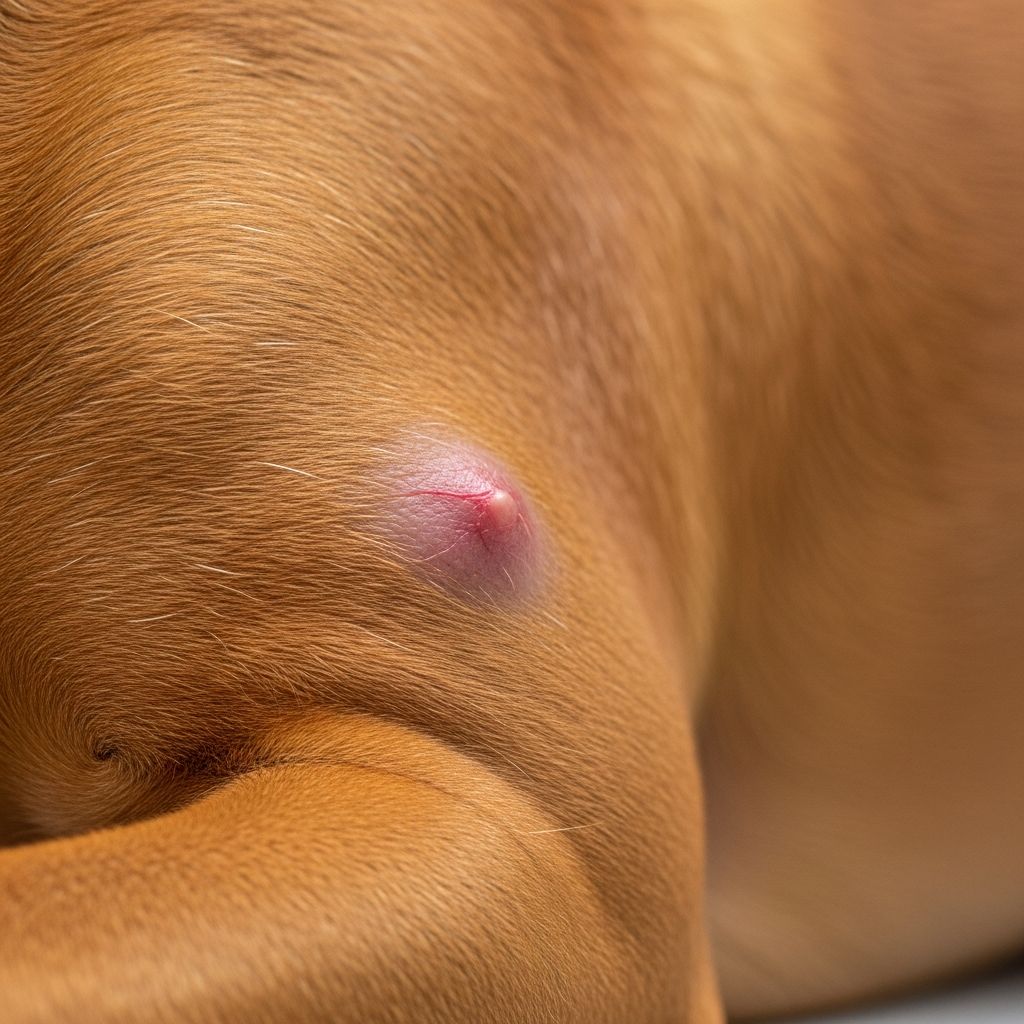
Understanding Vascular Tumors Affecting the Skin
Vascular tumors are abnormal growths that develop from blood vessels in the skin and subcutaneous tissues of pets. These tumors can range from benign lesions that pose minimal threat to aggressive malignancies that require immediate intervention. Understanding the differences between types of vascular tumors, recognizing warning signs, and knowing when to seek veterinary care is essential for pet owners. Blood vessel tumors of the skin and soft tissues are growths that closely resemble normal blood vessels, but their behavior varies significantly depending on their classification.
Types of Vascular Tumors
Hemangiomas: Benign Vascular Growth
Hemangiomas are benign vascular tumors that can be thought of as large blood blisters. These tumors are composed of proliferations of blood vessels that do not typically spread to other parts of the body. Histologically, several types of hemangiomas can be distinguished based on microscopic features, with capillary and cavernous hemangiomas being the most commonly reported in domestic animals. Hemangiomas generally grow slowly and may remain stable for extended periods. While they are not cancerous, their location can sometimes cause complications if they interfere with normal body functions or if they rupture and bleed.
Hemangiosarcomas: Malignant Vascular Tumors
Hemangiosarcomas represent the malignant counterpart to benign hemangiomas. These aggressive tumors develop from the endothelial cells lining blood vessels and have a tendency to spread rapidly throughout the body. Cutaneous hemangiosarcomas, also known as angiosarcomas or angioendotheliomas, often start out resembling benign hemangiomas but then progress to become malignant blood vessel tumors. This progression makes early detection and intervention critical. The prognosis for hemangiosarcoma is generally guarded, as these tumors are highly invasive and metastatic.
Arteriovenous Hemangiomas: Rare Variants
Arteriovenous hemangiomas are rare vascular tumor variants that have been documented in both dogs and cats. These tumors are characterized by non-encapsulated proliferations of variably sized arterial and venous vessels, often accompanied by clusters of capillaries and immature vascular structures. All vasoformative elements typically have specialized endothelial linings enclosed by smooth muscle layers or pericytes, creating a complex vascular architecture.
Breed and Species Predisposition
Dogs at Higher Risk
Certain large breed dogs are particularly predisposed to developing hemangiosarcoma. German Shepherds, Labrador Retrievers, and Golden Retrievers are among the breeds with the highest incidence rates. Additional breeds prone to vascular tumors include Saint Bernards, Scottish Terriers, Norwegian Elkhounds, Whippets, Italian Greyhounds, white Boxers, and Pit Bull Terriers. Dogs with short coats and high sun exposure are especially vulnerable to cutaneous angiosarcomas, as solar radiation is a significant risk factor for these tumors. While hemangiosarcomas are more common in large breed dogs, it is important to note that all sizes of dogs can develop these tumors.
Cats and Vascular Tumors
Hemangiosarcoma is a rare tumor in cats, accounting for less than 1.5-2% of non-blood cancers in this species. While the cause of visceral vascular tumors in cats has not been definitively determined, the disease follows similar aggressive patterns as in dogs when it does occur. Cats can also develop cutaneous vascular lesions and arteriovenous hemangiomas, though these presentations are uncommon.
Genetic and Environmental Risk Factors
Several genetic abnormalities have been identified in dogs with vascular tumors, contributing to breed predisposition. Environmental factors also play a significant role in tumor development. Solar radiation exposure is a primary risk factor for cutaneous angiosarcomas, particularly in dogs with light-colored, short coats that provide minimal protection from ultraviolet rays. Dogs living in regions with intense sun exposure or those spending extended time outdoors are at increased risk. Additionally, chemical carcinogens and chronic irritation may contribute to vascular tumor formation in some cases.
Clinical Presentation and Symptoms
Cutaneous Manifestations
Vascular tumors affecting the skin present with characteristic signs that pet owners should recognize. On the skin surface, rapidly growing lumps or lesions may appear suddenly, especially if a tumor ruptures and bleeds. These lesions may bleed spontaneously or ulcerate, creating open sores. The tumors are often irregular in appearance and may vary in color from red to purple to black. Some vascular tumors may appear as flat patches or nodules, while others present as raised masses.
Location Patterns
In dogs, cutaneous angiosarcomas most frequently develop on the underside of the trunk, hip, thigh, and lower legs. Canine arteriovenous hemangiomas may present as cutaneous vascular lesions on the skin, while other manifestations may occur as bleeding masses in the tongue or other oral locations. Location of the tumor significantly impacts prognosis and treatment options, with some areas being more amenable to surgical removal than others.
Systemic Symptoms
Beyond local skin manifestations, pets with hemangiosarcomas may display systemic symptoms including lethargy, decreased appetite, pale gums indicating anemia from internal bleeding, and in advanced cases, collapse or shock if massive internal hemorrhage occurs. The severity of systemic symptoms depends on whether the tumor is confined to the skin or has metastasized to internal organs.
Diagnosis and Diagnostic Testing
Physical Examination
The diagnostic process begins with a thorough physical examination by a veterinarian. The veterinarian will assess the size, location, appearance, and texture of the lesion. Older dogs, particularly those in advanced age, are at higher risk for developing these tumors, so age becomes a significant factor in diagnostic consideration.
Biopsy and Histopathology
Definitive diagnosis requires a biopsy of the suspected tumor. During this procedure, a sample of tissue is collected and examined under a microscope by a veterinary pathologist. Histological examination allows for classification of the tumor type and assessment of cellular characteristics that determine whether the tumor is benign or malignant. The presence of von Willebrand factor-positive endothelia and smooth muscle actin-positive tunica media helps confirm vascular tumor diagnosis.
Advanced Imaging
For hemangiosarcomas with potential for internal involvement, additional diagnostic imaging such as ultrasound or computed tomography may be recommended. These imaging studies help determine whether the tumor has metastasized to internal organs such as the spleen or liver. Diagnostic imaging is particularly important when hemangiosarcoma is suspected, as many cases involve internal organs alongside or instead of skin lesions.
Treatment Options
Surgical Removal
Surgical excision is the primary treatment for most vascular tumors affecting the skin. For benign hemangiomas, surgical removal is often curative. Consequently, surgical removal is the treatment of choice for many cutaneous vascular tumors. The veterinarian will remove the entire tumor along with a margin of normal tissue to ensure complete removal and reduce recurrence risk. Small surface tumors are easily controlled with freezing (cryosurgery) or laser surgery as needed.
Advanced Surgical Techniques
For larger or more complex vascular tumors, advanced surgical techniques may be employed. Wide surgical removal, involving removal of both the tumor and surrounding tissue, is most often recommended for malignant lesions. This approach reduces the likelihood of leaving behind tumor cells that could lead to recurrence. In some cases, reconstructive surgery may be necessary following tumor removal to restore skin integrity and function.
Chemotherapy
For hemangiosarcomas and other malignant vascular tumors, chemotherapy is often recommended following surgical removal or as a standalone treatment when surgery is not possible. Post-operative chemotherapy helps manage the disease and may increase survival time. Chemotherapy can target circulating tumor cells and microscopic disease not visible on imaging studies. The specific chemotherapy protocols used depend on the tumor type, stage, and individual patient factors.
Radiation Therapy
Radiation therapy may be recommended as an adjunctive treatment following surgical removal of vascular tumors. This approach is particularly useful when surgical margins cannot be adequately achieved or when there is concern about residual disease. Radiation treatment can increase the tumor-free interval and may be combined with chemotherapy for optimal outcomes.
Sun Protection and Prevention
For dogs at risk of sun-induced cutaneous angiosarcomas, avoidance of further sun exposure may reduce the development of new tumors. However, pet owners should be aware that additional tumors can still appear over several years despite sun protection measures. Limiting sun exposure, using protective clothing when possible, and applying pet-safe sunscreen can help minimize risk.
Prognosis and Outcome Considerations
The prognosis for vascular tumors varies significantly based on tumor type and stage. Benign hemangiomas generally have excellent prognosis following surgical removal, with recurrence being uncommon. Hemangiosarcomas, by contrast, carry a guarded prognosis due to their aggressive nature and tendency toward metastasis. Even with comprehensive treatment including surgery, chemotherapy, and radiation, hemangiosarcomas remain life-threatening conditions requiring ongoing monitoring and management.
Early detection is crucial for improving outcomes. When hemangiosarcoma is caught at an early stage before metastasis has occurred, treatment options are more extensive and prognosis may be somewhat improved. The importance of early detection and specialized treatment cannot be overstated, as demonstrated by case studies where comprehensive care including diagnostic imaging, biopsy confirmation, surgery, and post-operative chemotherapy allowed dogs to regain quality of life.
Frequently Asked Questions (FAQs)
Q: What is the difference between a hemangioma and a hemangiosarcoma?
A: Hemangiomas are benign vascular tumors that grow slowly and do not typically spread to other parts of the body, often resembling large blood blisters. Hemangiosarcomas are malignant vascular tumors that develop from blood vessel endothelial cells and have a tendency to spread rapidly throughout the body, making them much more serious and aggressive.
Q: Which dog breeds are most at risk for hemangiosarcoma?
A: Large breed dogs such as German Shepherds, Labrador Retrievers, and Golden Retrievers are particularly predisposed to hemangiosarcoma. Additionally, Saint Bernards, Scottish Terriers, Norwegian Elkhounds, and certain other breeds show increased susceptibility. Dogs with light-colored, short coats that receive high sun exposure are also at increased risk for cutaneous angiosarcomas.
Q: How are vascular skin tumors diagnosed?
A: Diagnosis involves physical examination followed by biopsy and histopathological examination. A tissue sample is collected and examined under a microscope to determine whether the tumor is benign or malignant. Advanced imaging such as ultrasound or CT scans may be recommended to check for internal involvement or metastasis.
Q: What is the primary treatment for vascular skin tumors?
A: Surgical removal is the primary treatment option for most vascular skin tumors. The surgeon removes the entire tumor along with a margin of normal tissue. For malignant hemangiosarcomas, surgery is often combined with chemotherapy and potentially radiation therapy to improve outcomes and reduce recurrence risk.
Q: Can sun protection help prevent vascular tumors in dogs?
A: Yes, for dogs at risk of sun-induced cutaneous angiosarcomas, limiting sun exposure can reduce the development of new tumors. Pet owners should minimize outdoor time during peak sun hours, use protective clothing when possible, and apply pet-safe sunscreen. However, additional tumors may still develop despite preventive measures.
Q: How common is hemangiosarcoma in cats?
A: Hemangiosarcoma is a rare tumor in cats, accounting for less than 1.5-2% of non-blood cancers in this species. While cats can develop vascular tumors, the incidence is significantly lower than in dogs, particularly in large breed dogs.
Q: What is the prognosis after treatment for hemangiosarcoma?
A: The prognosis for hemangiosarcoma varies depending on stage at diagnosis and treatment response. Early detection and comprehensive treatment including surgery, chemotherapy, and possible radiation therapy can improve outcomes. However, hemangiosarcomas remain aggressive tumors with potential for recurrence and metastasis requiring ongoing monitoring.
References
- Arteriovenous haemangioma in two dogs and a cat — PubMed/National Center for Biotechnology Information. 2008-08-15. https://pubmed.ncbi.nlm.nih.gov/18620702/
- Visceral Vascular Tumors – Hemangioma and Hemangiosarcoma — VCA Animal Hospitals. https://vcahospitals.com/know-your-pet/vascular-tumors
- Tumors of the Skin in Dogs — Merck Veterinary Manual. https://www.merckvetmanual.com/dog-owners/skin-disorders-of-dogs/tumors-of-the-skin-in-dogs
- Tumors of the Skin in Cats — MSD Veterinary Manual. https://www.msdvetmanual.com/cat-owners/skin-disorders-of-cats/tumors-of-the-skin-in-cats
- Vascular Cancer in Pets: What Owners Need to Know — Erawan Pet Hospital. 2025-07-15. https://www.erawanpethospital.com/en/content/30424/vascular-cancer-in-pets-what-owners-need-to-know
Similar Articles








Read full bio of medha deb