

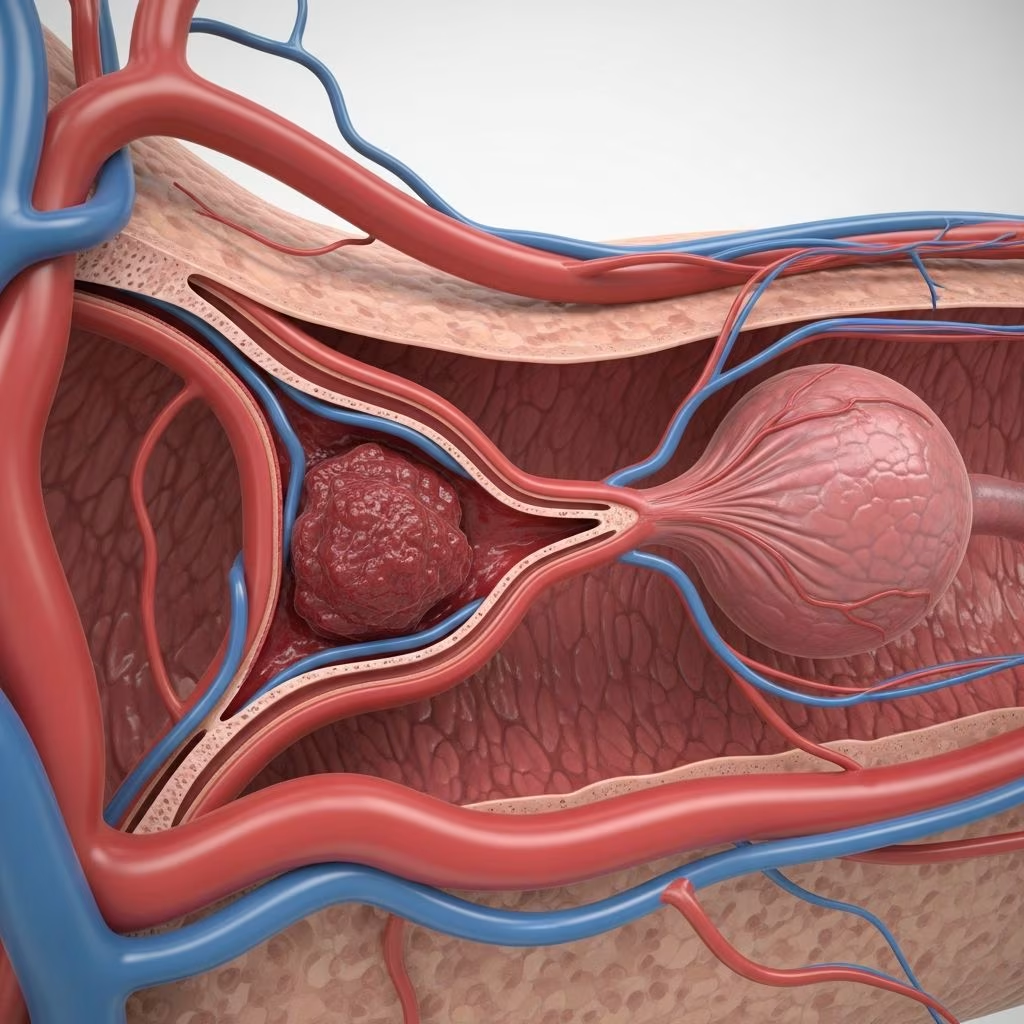
Blood clots, known as thrombi, and aneurysms represent serious vascular challenges in horses, potentially leading to lameness, organ damage, or sudden death. These conditions disrupt normal blood flow, causing tissue deprivation and severe complications.
Understanding Thrombosis in Equine Circulation
Thrombosis occurs when blood coagulates abnormally within vessels, forming blockages that impair circulation. In horses, this often stems from excessive clotting triggered by infections, trauma, or inflammation. Clots in limb vessels can induce lameness and tissue necrosis, while systemic ones spread infection.
Horses with gastrointestinal issues like colitis face heightened jugular vein thrombosis risk post-catheterization, marked by swelling, heat, and pain along the vein. Bilateral blockages lead to head and neck edema from venous return obstruction.
Mechanisms Behind Aneurysms Formation
Aneurysms develop as weakened vessel walls balloon out, prone to rupture or secondary clotting. In stallions, aortic aneurysms at the sinus of Valsalva frequently rupture during breeding, causing instant fatality. Fungal guttural pouch infections also provoke these ruptures.
Parasitic invasions, particularly Strongylus vulgaris larvae, inflame cranial mesenteric arteries, fostering thrombi and aneurysms. This verminous arteritis triggers recurrent colic, constipation, or diarrhea, though modern dewormers have reduced incidence.
Common Clinical Manifestations
Symptoms vary by location. Pulmonary clots cause abrupt respiratory distress. Cardiac infective thrombi link to endocarditis, while abdominal vessel occlusions provoke colic.
- Hindlimb syndrome: Horses rest normally but exhibit hindlimb weakness, bilateral lameness, tremors, and sweating during exercise. Advanced cases show muscle atrophy, exercise intolerance, or paralysis with cold limbs and absent pulses.
- Cranial vena cava issues: Swelling in head, neck, and brisket areas, mimicking heart failure.
- Aneurysm signs: Often silent until rupture, presenting distress, tachycardia, tachypnea, colic, tremors, pale membranes, murmurs, or collapse.
Jugular thrombosis post-injection shows vein thickening and obstruction, confirmed via ultrasound.
Diagnostic Approaches for Vascular Issues
Veterinarians rely on history, clinical exams, and imaging. Rectal palpation detects iliac artery pulse asymmetry. Ultrasonography visualizes clots, flow obstruction, and aneurysm extent in veins, aorta, and iliacs.
Echocardiography aids aortic dissection detection near pulmonary artery bifurcation. For parasitic causes, fecal exams and larval migration history inform diagnosis.
| Diagnostic Tool | Target Area | Key Findings |
|---|---|---|
| Ultrasonography | Jugular veins, aorta, iliac arteries | Clot size, obstruction degree, blood flow velocity |
| Rectal Palpation | Abdominal vessels | Pulse variation, vessel asymmetry |
| Echocardiography | Heart and great vessels | Aneurysms, dissections, murmurs |
| Clinical Signs Assessment | Whole body | Lameness patterns, edema, colic recurrence |
Risk Factors and Predisposing Conditions
Several factors elevate thrombosis risk: bacterial septicemia in foals, colitis, jugular catheterization, and parasitic burdens. Aortic/iliac clots often link to inflammation without aneurysms. Air emboli from venous lines pose acute threats, causing neurological deficits or sudden death.
Breeding stallions and fungal-infected horses face aneurysm perils. Gastrointestinal disorders amplify clotting tendencies.
Treatment Strategies and Management
Therapy targets underlying causes and symptom relief. Anticoagulants prevent clot expansion, though equine use requires caution. Anti-inflammatories reduce vessel wall damage. Surgical thrombectomy suits select cases, but prognosis varies with clot chronicity.
For parasitic aneurysms, aggressive deworming clears larvae. Supportive care includes fluids, pain management, and rest. Severe hindlimb ischemia may necessitate euthanasia if paralysis persists.
Infective endocarditis demands antibiotics. Ruptured aneurysms often prove fatal, emphasizing prevention.
Prevention Tactics for Horse Owners
Proactive measures mitigate risks:
- Routine deworming with larvicidal agents against Strongylus vulgaris.
- Aseptic jugular venipuncture techniques.
- Monitor colitis cases for thrombosis signs.
- Pre-breeding aortic checks in stallions.
- Secure IV line connections to avoid air emboli.
Equine influenza virus (EHV-1) links to platelet-driven thrombosis; vaccination curbs outbreaks.
Prognosis Across Vascular Disorders
Outcomes depend on site and timeliness. Jugular clots often resolve with care, but bilateral ones threaten severely. Aortic ruptures are lethal. Hindlimb thromboembolism yields guarded prognoses; partial occlusions allow recovery, complete ones lead to shock.
Verminous cases improve post-deworming, though chronic damage lingers.
FAQs on Equine Vascular Health
What triggers sudden hindlimb lameness in horses?
Aortic or iliac clots cause exercise-induced weakness resolving at rest, with cold limbs and weak pulses.
Can aneurysms be detected early?
Many are asymptomatic until rupture; ultrasound and echo provide clues in at-risk horses.
How do parasites contribute to clots?
Strongylus vulgaris larvae inflame arteries, promoting thrombi and aneurysms, leading to colic.
Is jugular thrombosis treatable?
Yes, with anti-inflammatories, anticoagulants, and monitoring; early intervention boosts success.
What are air emboli risks?
Venous catheter mishaps introduce air, causing agitation, seizures, or death; vigilance is key.
Advanced Insights into Equine Thrombosis Research
Recent studies enhance clotting disorder diagnosis via improved platelet assays, vital for EHV-1 complications like abortion. Veterinary manuals stress multimodal imaging for precise localization.
Horses with von Willebrand defects show prolonged bleeding, distinct from occlusive thrombi, highlighting coagulopathy spectrum.
References
- Blood Clots and Aneurysms in Horses — MSD Veterinary Manual. 2023. https://www.msdvetmanual.com/horse-owners/heart-and-blood-vessel-disorders-of-horses/blood-clots-and-aneurysms-in-horses
- Thrombosis, Embolism, Aneurysm, and Dissection in Animals — Merck Veterinary Manual. 2023. https://www.merckvetmanual.com/circulatory-system/thrombosis-embolism-aneurysm-and-dissection/thrombosis-embolism-aneurysm-and-dissection-in-animals
- Improving Diagnosis of Blood Clotting Disorders in Horses — University of Illinois College of Veterinary Medicine. 2024-03-06. https://vetmed.illinois.edu/2024/03/06/improving-diagnosis-of-blood-clotting-disorders-in-horses/
- Breaking Down Blood Clots — Cornell University College of Veterinary Medicine. 2014-06-20. https://www.vet.cornell.edu/about-us/news/20140620/breaking-down-blood-clots



