
Vasa Parrot: Personality, Food & Care Guide
Complete guide to Vasa Parrot care, diet, behavior, and personality traits for bird enthusiasts.
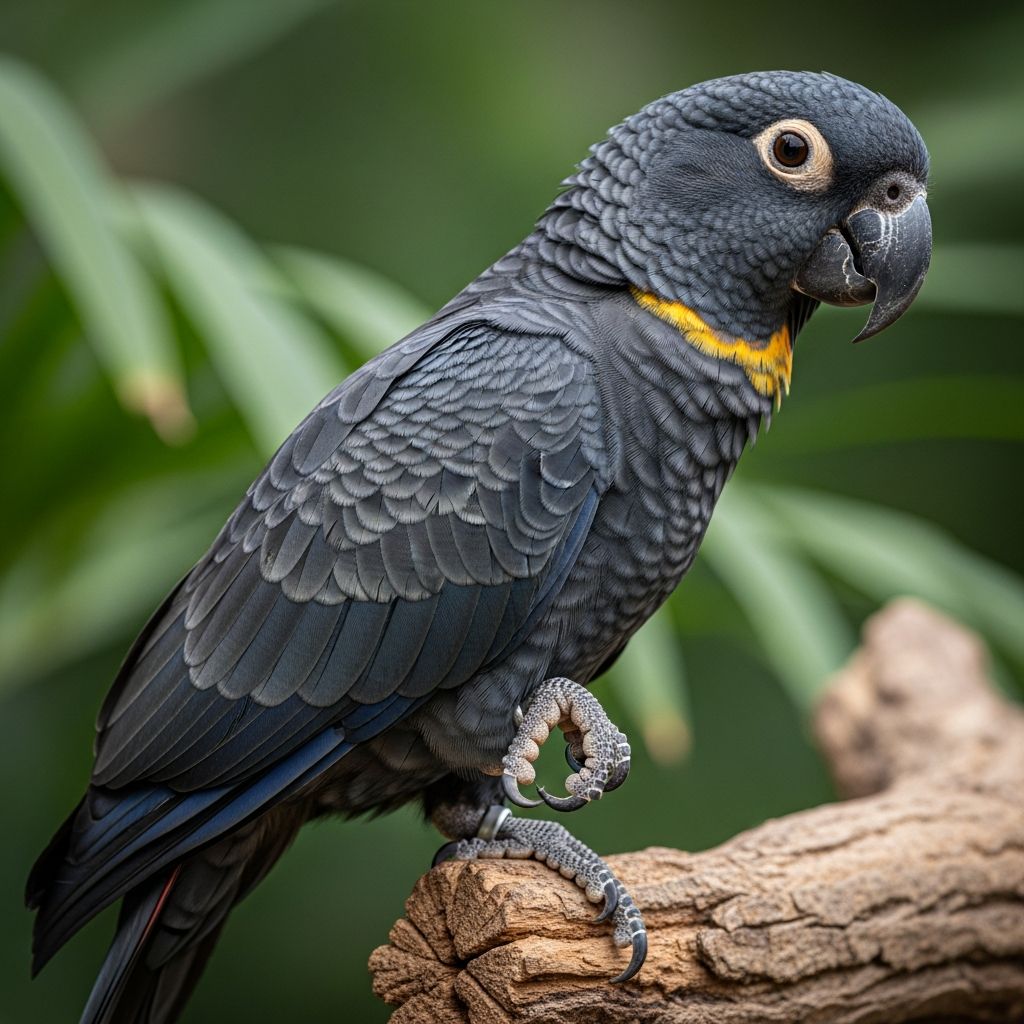
Vasa Parrot: Complete Care Guide for Unique Madagascar Birds
The Vasa Parrot is one of the most distinctive and fascinating parrot species available to bird enthusiasts and pet owners. Native to Madagascar and surrounding islands, these medium-sized birds are known for their unusual appearance, remarkable personality, and intriguing behavioral characteristics that set them apart from other parrot species. Unlike the vibrant, colorful parrots most people envision, Vasa Parrots possess a muted, sophisticated aesthetic combined with curious and intelligent personalities that make them compelling companion birds for the right owner.
Understanding the Vasa Parrot’s unique needs, temperament, and care requirements is essential for anyone considering bringing one of these remarkable birds into their home. This comprehensive guide explores every aspect of Vasa Parrot ownership, from their distinctive physical characteristics to their dietary needs and social requirements.
Physical Characteristics and Appearance
Vasa Parrots present a striking contrast to the brightly colored parrots commonly seen in pet stores and popular media. These medium-sized birds measure approximately 18 to 20 inches in length, making them substantial but not oversized companions. Their plumage is notably subdued, ranging from dark gray to black with subtle brown tones throughout their bodies. The birds’ most distinctive feature is their bald, grayish-pink head, which becomes significantly more pronounced and pronounced during the breeding season.
The Vasa Parrot’s body structure differs from many familiar parrot species. They possess relatively short tails and bodies compared to other parrots, resembling Amazon parrots in their overall shape. Their large, strong beak is horn or pale pink colored and slightly hooked, providing the powerful bite strength characteristic of parrot species. The uniform dark plumage combined with their pale beak creates a striking visual contrast that many bird enthusiasts find aesthetically appealing in its understated elegance.
Sexual Dimorphism and Breeding Season Transformations
One of the most remarkable aspects of Vasa Parrots is the dramatic physical transformation they undergo during breeding season, particularly in females. Female Vasa Parrots are notably larger than males—an unusual characteristic among parrot species, as males typically match or exceed female size in most other parrot varieties. This size difference becomes particularly apparent when observing breeding pairs.
During breeding season, female Vasa Parrots experience profound physical changes. The female loses most or all of her head feathers, resulting in complete or near-complete baldness on the head and facial area. The exposed skin transforms from pale grayish-pink to a dark mustard or golden yellow color. Her plumage undergoes a color shift from gray to brown, though this color change occurs not through molting but rather through a remarkable redistribution of melanin in her existing feathers. This biological process, unique among parrot species, allows the female’s feathers to display brown coloration without replacing them entirely.
Male Vasa Parrots also experience breeding season changes, though less dramatically than females. The male’s facial skin turns yellow during breeding season, but notably, he retains his head feathers throughout this period. One of the more remarkable physiological adaptations in male Vasa Parrots involves the prolapse of the cloaca to form a hemipenis, a specialized reproductive structure that can extend up to 2 inches in length and is thought to aid in prolonged mating cycles.
Personality and Behavioral Traits
Vasa Parrots possess distinctive personality characteristics that diverge significantly from more familiar parrot species. These birds are highly intelligent and deeply curious, displaying an intrinsic drive to explore their environment and engage with novel stimuli. However, they maintain an independent streak that sets them apart from more dependent parrot species.
Social and Affectionate Nature
While Vasa Parrots are fundamentally social birds that value interaction with their human companions, they are not particularly cuddly or affectionate in the manner of some parrot species. These birds value their personal space and may not consistently enjoy frequent handling or physical contact. Despite this independent nature, they form strong, meaningful bonds with their owners when provided with appropriate attention and engagement.
Vasa Parrots thrive on mental stimulation and interactive engagement rather than constant physical affection. Providing abundant toys, puzzle feeders, foraging opportunities, and interactive play sessions is essential to keep their inquisitive minds appropriately engaged and prevent behavioral problems associated with boredom.
Vocalization Patterns
Interestingly, Vasa Parrots are relatively quiet compared to many other parrot species, producing less noise than macaws, cockatoos, or Amazon parrots. However, they are not completely silent birds and will produce vocalizations including whistling, puppy-like yapping, harsh squawks, and occasionally raucous calls. Their vocalizations tend to be less frequent and less piercing than those of larger parrot species, making them somewhat more suitable for apartment living or noise-sensitive environments.
Space and Housing Requirements
Vasa Parrots are active, energetic birds that require spacious accommodations to thrive both physically and mentally. These birds need large cages or aviaries that provide ample room for movement, flight, and exercise. The minimum cage size should accommodate spreading wings without touching the sides, with additional space for perches at varying heights, toys, and feeding stations.
Beyond cage requirements, Vasa Parrots benefit tremendously from out-of-cage time in a bird-safe environment where they can fly, climb, and explore under supervision. Daily playtime and interaction with their people is essential for maintaining physical fitness, mental engagement, and emotional well-being. These active birds require consistent exercise to prevent obesity, behavioral problems, and psychological stress.
Diet and Nutritional Requirements
Proper nutrition is fundamental to maintaining a healthy Vasa Parrot throughout its lifespan. In their native Madagascar habitat, wild Vasa Parrots consume a varied diet of seeds, nuts, berries, and fruits, supplemented by cultivated crops including maize, rice, and millet when available. Replicating this diverse nutritional profile in captivity ensures optimal health and longevity.
Commercial Parrot Food
High-quality commercial parrot food formulated for medium to large parrots serves as an appropriate dietary foundation for captive Vasa Parrots. These formulated diets are specifically developed to provide balanced nutrition meeting the complex dietary needs of parrot species. Look for pellet-based foods that include whole grains, legumes, and nutrient-dense ingredients rather than seed-only diets.
Fresh Foods and Supplementation
Supplementing commercial parrot food with fresh, bird-safe fruits and vegetables significantly enhances nutritional variety and provides beneficial phytonutrients. Appropriate fresh foods include leafy greens, carrots, berries, apples, pears, and other seasonal produce. Nuts provided in moderation offer beneficial healthy fats and enrichment value through the foraging process required to crack them open.
Access to clean, fresh water must be maintained constantly, with water changed daily to prevent bacterial contamination and maintain hygiene. Some Vasa Parrots enjoy water for bathing, which provides important feather care and enrichment opportunities.
Unique Reproductive and Breeding Behaviors
Vasa Parrots exhibit breeding and reproductive behaviors that are distinctly unusual among parrot species and indeed among birds generally. Understanding these unique characteristics is important for anyone breeding Vasa Parrots or simply seeking comprehensive knowledge about the species.
Polyandrous Mating System
One of the most remarkable behavioral characteristics of Vasa Parrots is their polyandrous mating system, where a single dominant female mates with multiple males. This breeding arrangement is exceptionally rare among bird species and appears in only one other parrot species in the wild—the Eclectus Parrot. In this system, while the female incubates eggs, she receives feeding and care assistance from multiple males, suggesting an evolutionary adaptation to the demanding feeding requirements of rapidly growing chicks.
Rapid Development and Breeding Timeline
Vasa Parrots exhibit accelerated reproductive cycles compared to other parrot species of similar size. The incubation period lasts only eighteen days, compared to approximately thirty days required by most similarly-sized parrots. Eggs are typically slightly elliptical in shape and measure approximately 46.0 x 34.0 millimeters.
Clutch sizes typically range from three to four eggs, with each egg potentially fathered by different males within the polyandrous group. This genetic diversity may provide adaptive advantages for offspring survival and genetic health.
Chick Development and Feeding
Vasa Parrot chicks hatch naked and develop feathers rapidly, skipping the downy “fuzzy” stage that most other parrot chicks pass through during development. These chicks are extraordinarily voracious feeders with seemingly insatiable appetites, presenting significant challenges for breeders attempting to hand-feed them with spoon-feeding methods.
The demanding feeding requirements of Vasa Parrot chicks likely explains the evolutionary advantage of polyandrous mating systems. Multiple males sharing feeding responsibilities can collectively meet the substantial caloric and nutritional demands of rapidly developing chicks. Young Vasa Parrots grow remarkably quickly and can be ready to fledge in approximately seven weeks—exceptionally fast development for such large parrots. Chicks possess specialized pads on their beaks that stimulate powerful feeding responses when touched, facilitating efficient feeding in the nest.
Lifespan and Longevity
Vasa Parrots are long-lived companion birds with lifespans extending from thirty to fifty years in captivity. This extended lifespan represents a long-term commitment for potential owners, requiring consideration of multi-decade companionship and care responsibilities. Proper nutrition, healthcare, mental stimulation, and environmental enrichment throughout the bird’s entire life contribute significantly to maximizing lifespan and quality of life.
Geographic Distribution and Habitat
Vasa Parrots are endemic to Madagascar, where they inhabit diverse environments ranging from moist dense forests to open dry woodlands, savannas, and cultivated agricultural areas. These adaptable birds demonstrate considerable flexibility in habitat selection, though they concentrate in forested regions with abundant fruit trees and dense foliage providing food resources and nesting sites.
The Greater Vasa Parrot primarily inhabits the eastern and northwestern portions of Madagascar, thriving in tropical climate zones. They favor humid and semiarid regions supporting varied vegetation. Rather than engaging in large-scale seasonal migrations, Vasa Parrots adjust movement patterns locally based on food availability and environmental conditions.
Conservation Status and Threats
Despite their remarkable adaptability, wild Vasa Parrot populations face significant conservation challenges. The species is experiencing population decline due to multiple threatening factors. Habitat loss from deforestation represents a primary conservation concern, as is the case for many Madagascan species. Additionally, Vasa Parrots are legally hunted in Madagascar where they are considered crop pests, with high levels of hunting pressure contributing substantially to population decline.
Conservation efforts focusing on habitat protection and sustainable land management practices are essential for protecting wild Vasa Parrot populations and maintaining biodiversity in Madagascar’s unique ecosystems.
Frequently Asked Questions About Vasa Parrots
Q: How long do Vasa Parrots live in captivity?
A: Vasa Parrots can live 30 to 50 years in captivity with proper care, diet, veterinary attention, and environmental enrichment. This extended lifespan represents a significant long-term commitment for potential owners.
Q: Are Vasa Parrots good pets for first-time bird owners?
A: Vasa Parrots are better suited for experienced bird owners who understand their need for space, mental stimulation, and independent social dynamics. Their relatively quiet nature is beneficial, but their size and exercise requirements demand commitment and knowledge.
Q: What is the minimum cage size for a Vasa Parrot?
A: Vasa Parrots require large cages or aviaries with ample space for movement and flight. Additionally, they need daily out-of-cage time in a bird-safe environment for exercise and mental stimulation to maintain physical and psychological health.
Q: How much do Vasa Parrots vocalize?
A: Vasa Parrots are relatively quiet compared to many other parrot species, though not completely silent. They produce whistling, yapping, and occasional harsh squawks, making them more suitable for noise-sensitive environments than larger parrot species.
Q: What is the most distinctive feature of female Vasa Parrots during breeding season?
A: Female Vasa Parrots become nearly or completely bald on their heads during breeding season, with the exposed skin turning from pale to dark mustard yellow. Their body feathers shift from gray to brown through melanin redistribution rather than molting.
Q: Do Vasa Parrots require special breeding conditions?
A: Vasa Parrots demonstrate natural breeding behaviors in appropriate conditions. Females typically lay 3 to 4 eggs with an 18-day incubation period. Their unique polyandrous mating system makes breeding management different from other parrot species.
Q: What should constitute a Vasa Parrot’s diet?
A: A healthy Vasa Parrot diet includes high-quality commercial parrot pellets, supplemented with fresh fruits, vegetables, nuts, and seeds. This varied diet mirrors their natural Madagascar diet and provides comprehensive nutrition supporting optimal health and longevity.
References
- Vasa Parrot Personality, Food & Care – Pet Birds by Lafeber Co. — Lafeber Company. 2024. https://lafeber.com/pet-birds/species/vasa-parrot/
- Vasa Parrot — World Parrot Trust. 2024. https://parrots.org/encyclopedia/vasa-parrot/
- Vasa Parrot — Full Profile, History, and Care — Dial A Vet. 2024. https://www.dialavet.com/blog/vasa-parrot-full-profile-history-and-care
- Greater Vasa Parrot – Stay connected with nature and your friend — MyBirdBuddy. 2024. https://app.mybirdbuddy.com/birds/greater-vasa-parrot/7ad494d3-ff47-4a3a-a048-712343cb908e
- Parrot Oddballs Part I: The Vasa Parrot — Zoologica. 2010. https://zoologica.wordpress.com/2010/04/05/parrot-oddballs-part-i-the-vasa-parrot/
- Vasa Parrot – Madagascar — Newquay Zoo. 2024. https://www.newquayzoo.org.uk/animals-az/vasa-parrot/
Similar Articles








Read full bio of medha deb


