
Liver Conditions In Pets: An Expert Guide For Owners
Explore uncommon hepatic issues in dogs and cats, from infections to toxins, with diagnosis tips and care strategies for better pet health.
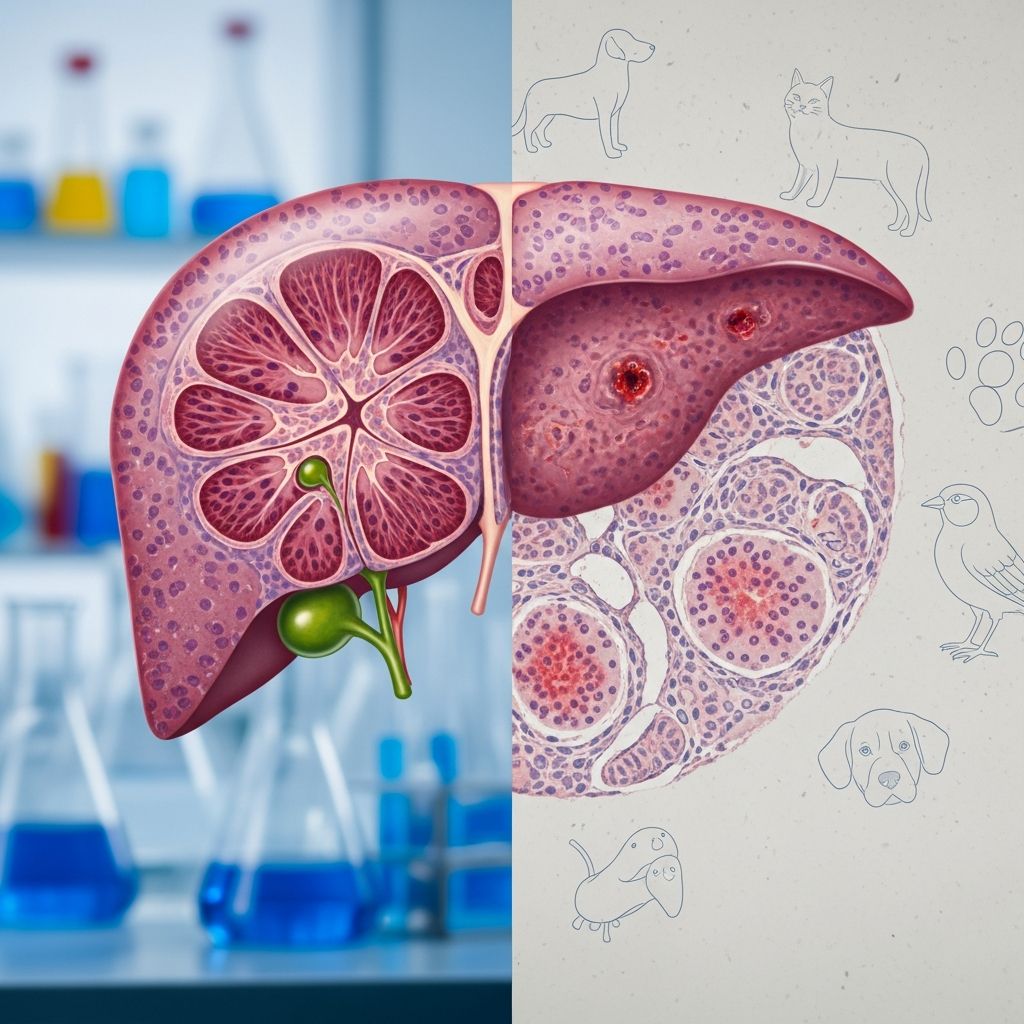
The liver plays a vital role in small animals like dogs and cats, handling detoxification, metabolism, and nutrient processing. When affected by uncommon diseases, it can lead to serious health challenges. This article delves into a range of lesser-known hepatic disorders, drawing from veterinary insights to help owners and professionals recognize, diagnose, and manage these conditions effectively.
Understanding Hepatic Health in Companion Animals
Liver issues in pets often go unnoticed until advanced stages due to the organ’s remarkable reserve capacity. Specific signs such as jaundice, fluid buildup in the abdomen, low blood sugar, bleeding tendencies, or neurological confusion typically emerge only after significant damage, around 70-80% loss of function. Early detection relies on routine blood work, which may reveal elevated enzymes even without overt symptoms.
Companion animals with liver problems might show intermittent vomiting, lethargy, appetite loss, or behavioral changes. A detailed history—including diet, medications, travel, and exposures—is crucial for pinpointing causes.
Viral Threats to the Liver
Viruses can target the liver directly or cause secondary damage. In dogs, infectious canine hepatitis from adenovirus 1 leads to acute cell death, potentially progressing to long-term inflammation or scarring if immunity fails to clear it. Puppies face high mortality from canine herpesvirus, which causes widespread necrosis alongside other symptoms.
Cats grapple with feline infectious peritonitis and aggressive calicivirus strains that disseminate systemically, impacting the liver. A newly noted hepadnavirus in felines links to cancer development. Parvovirus in dogs rarely injures the liver via bloodstream spread.
- Key symptoms: Fever, abdominal pain, pale gums.
- Diagnosis: Serology, PCR testing.
- Prevention: Core vaccinations.
Bacterial Invaders and Their Impact
Bacteria like Leptospira serovars (e.g., Icterohaemorrhagiae, Pomona) frequently involve the liver in dogs, causing enzyme spikes and bilirubin elevation, though signs may be subtle. Microscopic changes include disrupted hepatocyte alignment, signaling deeper structural harm.
Tyzzer disease, from Clostridium piliforme, strikes vulnerable neonates or stressed adults, leading to fatal gut-liver syndrome. Risk factors include overcrowding, weaning stress, or immunosuppression.
Mycobacteria such as M. bovis (from raw meat or milk) and M. avium (in immune-compromised breeds like Basset Hounds) cause disseminated infections with liver involvement.
| Bacterial Agent | Common Hosts | Main Risks |
|---|---|---|
| Leptospira spp. | Dogs | Water contamination, sepsis |
| Clostridium piliforme | Dogs/Cats (neonates) | Stress, poor hygiene |
| Mycobacterium avium | Dogs/Cats | Immunodeficiency |
Fungal Infections Affecting Hepatic Function
Systemic fungi like Blastomyces, Histoplasma, and Coccidioides spread to the liver in dogs and cats, but primary liver symptoms are rare. Instead, respiratory or skin issues dominate. Aspergillosis, especially in German Shepherds, disseminates widely, occasionally hitting the liver without standout hepatopathy signs.
Cryptococcosis in cats follows a similar pattern, with multi-organ involvement overshadowing liver-specific complaints.
Toxin-Induced Liver Damage
Household toxins pose acute risks. Medications, toxic mushrooms, algae blooms, and chemicals overwhelm the liver’s detox role, causing swift failure. Dogs ingesting human drugs or wild plants show rapid vomiting, yellowing skin, disorientation, or seizures—demanding immediate vet intervention.
Idiosyncratic reactions to approved drugs can also occur, with delayed toxicity limiting safe dosing.
Diagnostic Strategies for Liver Disorders
Blood tests are first-line: Enzymes like ALT/AST indicate damage, while albumin, urea, cholesterol, and clotting times assess function. Mild rises in cats warrant attention due to faster enzyme turnover.
Imaging (ultrasound) spots masses, shunts, or bile issues. Cytology from fine-needle aspirates correlates well with lipidosis or cancer but poorly with inflammation. Bile analysis via cholecystocentesis aids bacterial detection.
Biopsy provides definitive insights, categorizing issues as vascular, biliary, parenchymal, or neoplastic.
- History and exam.
- Biochemistry panel.
- Imaging and cytology.
- Biopsy for confirmation.
Treatment Approaches and Supportive Care
Management varies by cause. Infections demand antibiotics (e.g., for Leptospira) or antivirals; fluids and hospitalization stabilize critical cases.
Immunosuppressants help inflammatory hepatitis, with studies showing extended survival in dogs. Toxin cases prioritize decontamination and liver protectants.
General support includes:
- Nutritional therapy (high-calorie, anti-nausea diets).
- Ursodeoxycholic acid for bile flow.
- Antioxidants like SAMe or milk thistle (under vet guidance).
- Monitor for complications like encephalopathy.
Prognosis Factors
Outcomes hinge on early intervention and cause. Acute viral or toxin cases can resolve with prompt care, but chronic fibrosis or neoplasia dims hopes. Breeds with genetic risks (e.g., Bedlington Terriers for copper) need screening.
FAQs
What are early signs of liver trouble in my dog?
Lethargy, poor appetite, vomiting, or yellow gums signal potential issues—get bloodwork done promptly.
Can cats recover from liver infections?
Yes, with antibiotics and support, many do, especially if caught before severe damage.
Is raw diet safe for pets prone to liver disease?
No, it risks bacterial/mycobacterial exposure; cooked food is safer.
How do vets test liver function?
Via enzyme levels, bile acids, imaging, and biopsy for comprehensive evaluation.
Preventing toxin liver damage?
Secure meds/chemicals, avoid wild mushrooms, and use pet-safe products.
Breeds at Heightened Risk
Certain dogs like German Shepherds (aspergillosis) or Schnauzers (mycobacteria) face elevated odds. Cats like Abyssinians may have innate susceptibilities. Regular check-ups aid prevention.
In summary, vigilance and veterinary collaboration are key to managing these hepatic challenges, improving life quality for affected pets.
References
- Infectious Diseases of the Liver in Small Animals — Merck Veterinary Manual. 2023. https://www.merckvetmanual.com/digestive-system/hepatic-diseases-of-small-animals/infectious-diseases-of-the-liver-in-small-animals
- Companion animal liver disease – diagnosis and management — Vet Times. 2016-07-18. https://www.vettimes.com/news/vets/small-animal-vets/companion-animal-liver-disease-diagnosis-and-management
- Liver Failure in Dogs: Emergency Signs & Immediate Actions — GSVS. 2023. https://gsvs.org/blog/liver-failure-dogs-emergency-actions/
- Internal Medicine: Medical Conditions – Leptospirosis — Cornell University College of Veterinary Medicine. 2023. https://www.vet.cornell.edu/hospitals/services/imaging-service/internal-medicine-medical-conditions
- Hepatotoxins in Small Animals — Merck Veterinary Manual. 2023. https://www.merckvetmanual.com/digestive-system/hepatic-diseases-of-small-animals/hepatotoxins-in-small-animals
- Liver Enzyme Interpretation and Function Tests — Today’s Veterinary Practice. 2023. https://todaysveterinarypractice.com/hepatology/liver-enzyme-interpretation-and-function-tests/
Similar Articles








Read full bio of medha deb


