

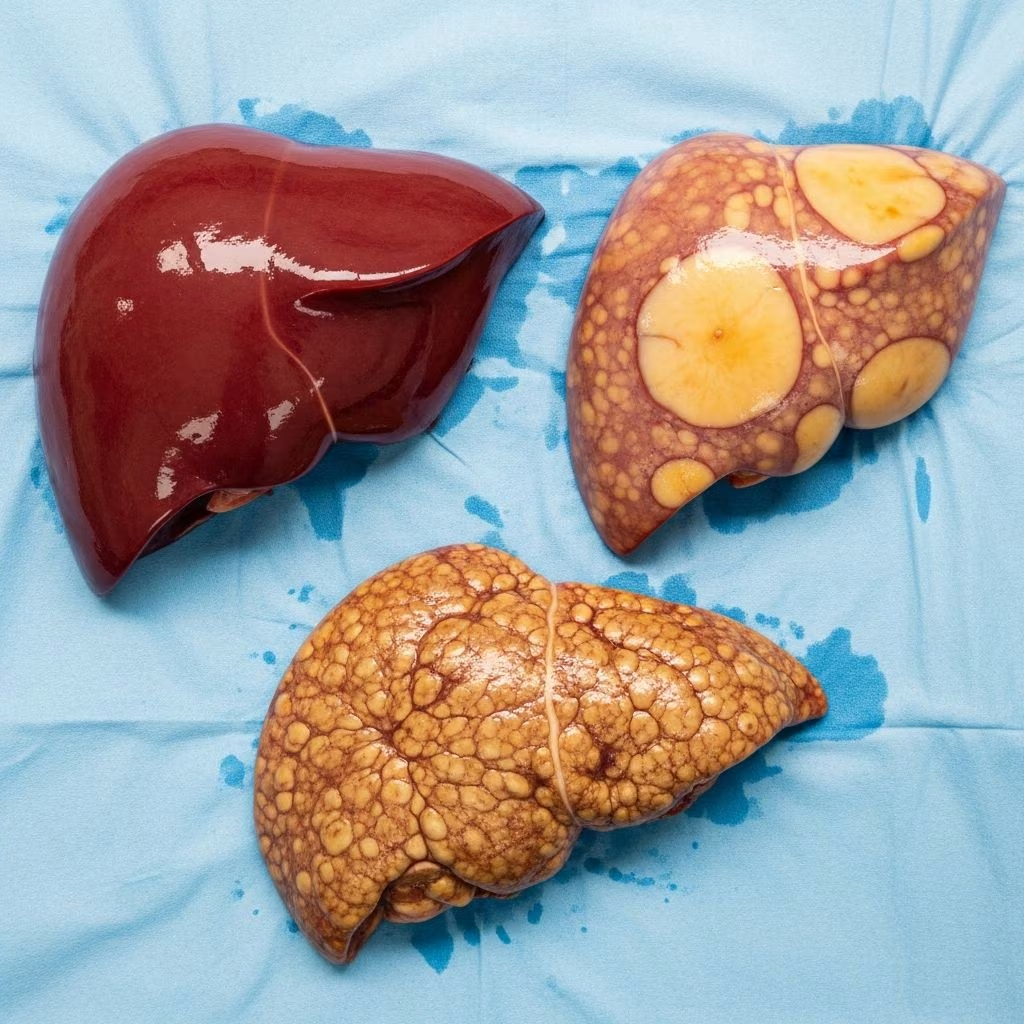
Large animals such as cattle, horses, sheep, and goats can suffer from a range of uncommon liver problems that impact their productivity, growth, and overall well-being. These conditions often stem from environmental toxins, infectious agents, nutritional imbalances, or congenital factors. Early recognition of clinical signs like jaundice, weight loss, and abdominal distension is crucial for timely intervention. This guide examines key disorders, diagnostic approaches, and management options to support livestock health.
Understanding Liver Function in Livestock
The liver in farm animals plays vital roles in detoxification, nutrient metabolism, bile production, and blood clotting. Its large reserve capacity means issues may go unnoticed until advanced stages. Common indicators include icterus (yellowing of mucous membranes), lethargy, reduced feed intake, and fluid buildup in the abdomen. Blood tests revealing elevated enzymes like alkaline phosphatase or gamma-glutamyl transferase often signal hepatic compromise.
Toxic Insults to the Liver
Exposure to hepatotoxins represents a major threat to livestock livers. Mycotoxins from molds in feed, such as aflatoxins and fumonisins, frequently cause acute failure in ruminants and horses. Fusarium species toxins are particularly prevalent in equine cases, leading to rapid necrosis and hemorrhage.
Plant-based poisons also contribute. Pyrrolizidine alkaloids in ragwort or groundsel provoke chronic fibrosis upon ingestion over time. Signs manifest as photosensitization, weight decline, and unthriftiness. Preventive measures include pasture management and feed quality checks.
- Aflatoxin effects: Suppresses protein synthesis, causing hemorrhage and coagulopathy.
- Fumonisin impacts: Disrupts lipid metabolism, resulting in equine leukoencephalomalacia alongside liver damage.
- Diagnosis: Feed analysis and liver histopathology confirm toxin presence.
Parasitic Burdens on Hepatic Tissue
Parasites like liver flukes (Fasciola hepatica) infest ruminants, migrating through liver parenchyma and inciting fibrosis and bile duct proliferation. In cattle and sheep, chronic infections lead to anemia, hypoalbuminemia, and secondary infections. Deer liver flukes pose risks via contaminated hay.
Migrating nematode larvae, such as those from Hypoderma or Dictyocaulus, create tracts that impair function. Horses face issues from habronemiasis or cyathostomins, though less liver-centric.
| Parasite | Host | Key Damage | Treatment |
|---|---|---|---|
| Fasciola hepatica | Cattle, Sheep | Bile duct hyperplasia, anemia | Triclabendazole |
| Dicrocoelium dendriticum | Sheep, Goats | Cholangitis | Praziquantel |
| Deer fluke | Cattle | Track migration lesions | Anthelmintics |
Metabolic and Nutritional Derangements
Nutritional excesses or deficiencies disrupt hepatic metabolism. High-energy diets in horses can induce hepatic lipidosis, where fat accumulates in hepatocytes, impairing function. In ruminants, selenium or copper imbalances foster oxidative damage.
Amyloidosis, a protein deposition disorder, affects horses and cattle, leading to nodular livers and portal hypertension. Clinical features encompass edema, ascites, and poor performance. Biopsy reveals apple-green birefringence under polarized light.
Infectious Agents Targeting the Liver
Bacterial invaders like Trueperella pyogenes form abscesses in cattle livers, often from rumen perforations. Viral hepatitides are rarer but devastating; equine herpesvirus type 1 causes fulminant necrosis in foals.
Fungal infections such as aspergillosis arise in immunosuppressed animals, manifesting as granulomatous hepatitis. Rickettsial diseases, akin to those in dogs, may involve livestock with fever and transaminitis.
Congenital and Developmental Abnormalities
Portosystemic shunts divert blood from the liver, stunting growth in calves and foals. Polycystic liver disease occurs in certain breeds, with cysts expanding to compress parenchyma. Nodular hyperplasia, benign regenerative foci, increases with age but rarely causes dysfunction.
Diagnostic Strategies for Hepatic Issues
A multimodal approach is essential. Hematology and biochemistry panels detect enzyme elevations and bilirubinemia. Ultrasonography visualizes masses, cysts, or bile sludge. Advanced imaging like CT aids in shunt confirmation.
Laparoscopic biopsy provides superior samples over needle aspirates, allowing histopathologic assessment. Toxin screening of feed and feces guides etiology.
- Signalment and history review
- Physical exam for icterus and hepatomegaly
- Lab profiling
- Imaging modalities
- Biopsy procurement
Treatment and Supportive Care
Specific therapies target causes: anthelmintics for parasites, antifungals for mycoses, and hepatoprotectants like silymarin. Supportive measures include fluid therapy, gastroprotectants, and nutritional support via tube feeding if needed.
In acute failure, plasma transfusions address coagulopathy. Chronic cases benefit from low-protein diets to lessen ammonia load.
Prevention Through Herd Management
Vaccination against viral agents, strategic deworming, and mycotoxin-free feed mitigate risks. Pasture rotation curbs fluke cycles. Regular monitoring via fecal egg counts and serum enzymes enables early detection.
Prognostic Considerations
Outcomes vary by disorder acuity and timeliness. Acute toxicosis carries high mortality, while managed parasitism yields good recovery. Fibrotic end-stage disease portends poor prognosis.
FAQs
What are the first signs of liver trouble in cattle?
Watch for yellow gums, poor appetite, and bottle jaw swelling.
How do I test for liver flukes in sheep?
Fecal sedimentation or ELISA serology confirms infection.
Can horses recover from mycotoxin poisoning?
Supportive care aids regeneration if addressed promptly.
Is surgery needed for liver cysts?
Only if symptomatic; most are incidental.
What feed prevents hepatic lipidosis?
Balanced forage-to-concentrate ratios.
References
- Hepatotoxins in Large Animals — Merck Veterinary Manual. 2023. https://www.merckvetmanual.com/digestive-system/hepatic-disease-in-large-animals/hepatotoxins-in-large-animals
- Diagnostic approach to liver disease — Vet Times. 2022-10-12. https://www.vettimes.com/news/vets/small-animal-vets/diagnostic-approach-to-liver-disease
- Liver flukes and redwater disease in Minnesota beef cattle — University of Minnesota Extension. 2024. https://extension.umn.edu/beef-cow-calf/liver-flukes-and-redwater-disease-minnesota-beef-cattle
- Infectious Hepatopathies in Dogs and Cats — PMC (NCBI). 2020-03-15. https://pmc.ncbi.nlm.nih.gov/articles/PMC7104989/
- Disorders of the Liver and Gallbladder in Dogs — MSD Veterinary Manual. 2025. https://www.msdvetmanual.com/dog-owners/digestive-disorders-of-dogs/disorders-of-the-liver-and-gallbladder-in-dogs



