
Valley Fever in Dogs
Understand the risks, symptoms, diagnosis, and long-term management of this fungal infection affecting dogs in arid regions.
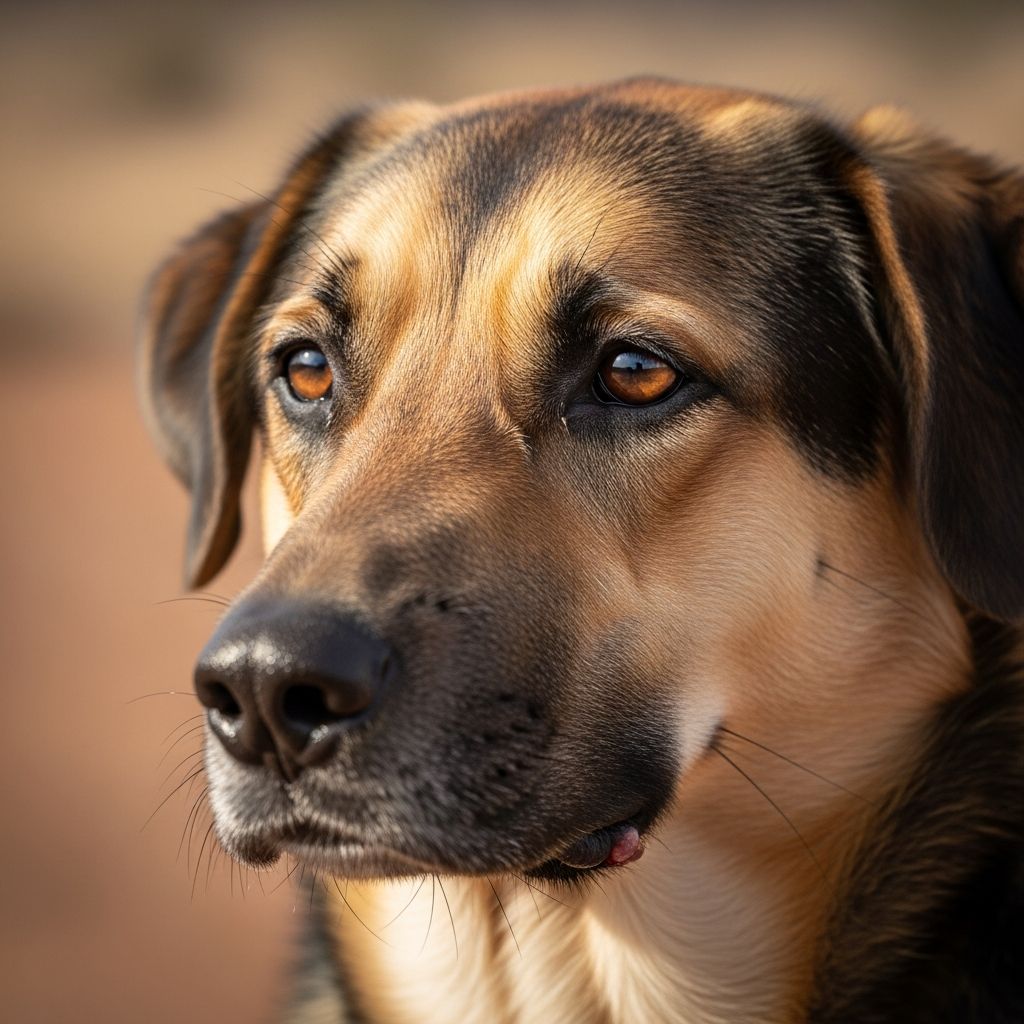
Valley Fever, scientifically known as coccidioidomycosis, represents a significant health concern for dogs residing in or traveling to endemic regions. This fungal infection, triggered by inhaling spores of Coccidioides immitis or C. posadasii, primarily impacts the respiratory system but can disseminate to other organs if untreated. Dog owners in arid southwestern states must remain vigilant, as early detection dramatically improves outcomes.
Understanding the Fungal Threat
The fungus thrives in soil of dry, dusty environments, particularly in the southwestern United States. Spores become airborne during digging, construction, or windy conditions, allowing dogs to inhale them inadvertently. Unlike bacterial infections, Valley Fever does not spread directly between dogs or from dogs to humans, though immunocompromised individuals should exercise caution around symptomatic pets.
Upon inhalation, spores transform into spherules within the lungs, releasing endospores that perpetuate the infection. In robust dogs, the immune system may contain the threat asymptomatically. However, vulnerable breeds or those with weakened immunity face higher risks of progression.
Geographic Hotspots and Risk Factors
Endemic areas encompass south-central Arizona, southern California, southwestern Texas, Nevada, New Mexico, and Utah, extending into parts of Mexico and Central America. Dogs in these zones, especially those that dig or explore dusty yards, encounter elevated exposure. Breeds like Labrador Retrievers and Dobermans appear predisposed, alongside puppies, seniors, and dogs with conditions such as diabetes.
- High-risk activities: Digging in native soil, hiking in desert trails, or living near construction sites.
- Seasonal peaks: Rainy periods following dry spells, when spore growth surges.
- Travel risks: Pets visiting endemic areas for even short durations can contract the disease.
Recognizing Early Warning Signs
Initial symptoms mimic respiratory infections, emerging 1-3 weeks post-exposure. A persistent dry, hacking cough tops the list, often paired with fever, lethargy, and appetite loss. Affected dogs may lose weight rapidly if the condition persists.
As the fungus disseminates, symptoms vary by affected site:
- Skeletal involvement: Lameness, bone pain, or swollen joints, impacting up to 50% of disseminated cases.
- Ocular issues: Uveitis, glaucoma, or blindness from retinal detachment.
- Neurological effects: Seizures, ataxia, or meningitis in severe instances.
- Cardiac or dermal: Heart murmurs, non-healing ulcers, or abscesses.
| Symptom Category | Common Signs | Frequency |
|---|---|---|
| Pulmonary | Cough, fever, lethargy | Most common initial presentation |
| Skeletal | Limping, joint swelling | Seen in disseminated disease |
| Ocular | Red eyes, vision loss | 20-30% of cases |
| Systemic | Weight loss, swollen nodes | Variable |
Owners should note that some dogs recover spontaneously from primary pulmonary forms, but monitoring prevents silent dissemination.
Diagnostic Approaches for Confirmation
Veterinarians employ a multi-faceted strategy for diagnosis. Chest X-rays reveal pneumonia or enlarged lymph nodes. Blood tests detect antibodies via agar gel immunodiffusion (AGID) or enzyme-linked immunosorbent assay (ELISA), with titers guiding severity assessment. Urine antigen tests offer rapid insights into disseminated disease.
Cytology from aspirates or biopsies confirms spherules, though titers above 1:16 signal active infection warranting therapy. Serial monitoring tracks response, as titers decline with successful treatment.
Antifungal Treatment Protocols
Treatment hinges on oral antifungals administered for 6-12 months minimum, sometimes lifelong for disseminated cases. Fluconazole stands as the cornerstone due to excellent tissue penetration, including the central nervous system.
- Fluconazole: 5-10 mg/kg daily; preferred for its safety profile and efficacy.
- Itraconazole: 5 mg/kg twice daily; cost-effective for pulmonary cases.
- Ketoconazole: 10-15 mg/kg daily; less favored due to hepatotoxicity risks.
For refractory cases, intravenous Amphotericin B provides aggressive intervention, administered 3x weekly over 5 weeks, with kidney monitoring essential. Supportive care includes anti-inflammatories, appetite stimulants, and fluids.
Dogs typically improve within 1-2 weeks, but completion of therapy prevents relapse. Periodic bloodwork safeguards against liver enzyme elevations common with these drugs.
Prognosis and Long-Term Management
With prompt treatment, over 80% of dogs achieve remission, though relapse rates hover at 20-40% post-therapy. Lifelong monitoring via titers is crucial, especially in endemic areas. Survival plummets in untreated disseminated disease, with some succumbing despite intervention.
Post-treatment, restrict dusty activities and schedule annual titer checks. Nutritional support bolsters immunity during recovery.
Prevention Strategies for Dog Owners
Absolute prevention eludes us absent a vaccine, but mitigation works:
- Administer antifungals prophylactically to high-risk dogs in endemic zones (under vet guidance).
- Avoid digging sites; use muzzles outdoors if needed.
- Employ air-conditioned housing and limit dusty play.
- Vaccinate where available (e.g., experimental options in trials).
Regular vet check-ups in hot spots facilitate early intervention.
Frequently Asked Questions (FAQs)
Can my dog give Valley Fever to humans?
No, transmission occurs solely via environmental spores, not pet-to-person contact.
How long does treatment last?
Typically 6-12 months, extendable based on titers and symptoms.
Is Valley Fever fatal?
Early treatment yields high survival; untreated dissemination can be lethal.
Which dogs are most at risk?
Outdoor breeds in arid Southwest, especially Labs and Dobermans.
Can Valley Fever resolve without drugs?
Yes, in mild pulmonary cases, but monitoring is advised.
Navigating Costs and Veterinary Care
Therapy expenses range $2,000-$5,000 annually, factoring meds, diagnostics, and follow-ups. Pet insurance often covers fungal infections; discuss with providers. Seek board-certified specialists in endemic regions for optimal management.
Emerging second-generation antifungals promise better efficacy but await veterinary trials.
References
- Valley Fever Treatment in Scottsdale, AZ — Salt River Veterinary Specialists. 2023. https://saltrivervet.com/valley-fever/
- Valley Fever in Dogs: Everything You Need to Know — PetMD. 2023. https://www.petmd.com/dog/conditions/respiratory/valley-fever-dogs-everything-you-need-know
- Valley Fever in Pets and Other Animals — California Department of Public Health (CDPH). 2024. https://www.cdph.ca.gov/Programs/CID/DCDC/Pages/ValleyFeverPets.aspx
- Valley Fever in Dogs — VCA Animal Hospitals. 2023. https://vcahospitals.com/know-your-pet/valley-fever-in-dogs
- Coccidioidomycosis in Animals — Merck Veterinary Manual. 2023. https://www.merckvetmanual.com/infectious-diseases/fungal-infections/coccidioidomycosis-in-animals
Similar Articles








Read full bio of Sneha Tete




