

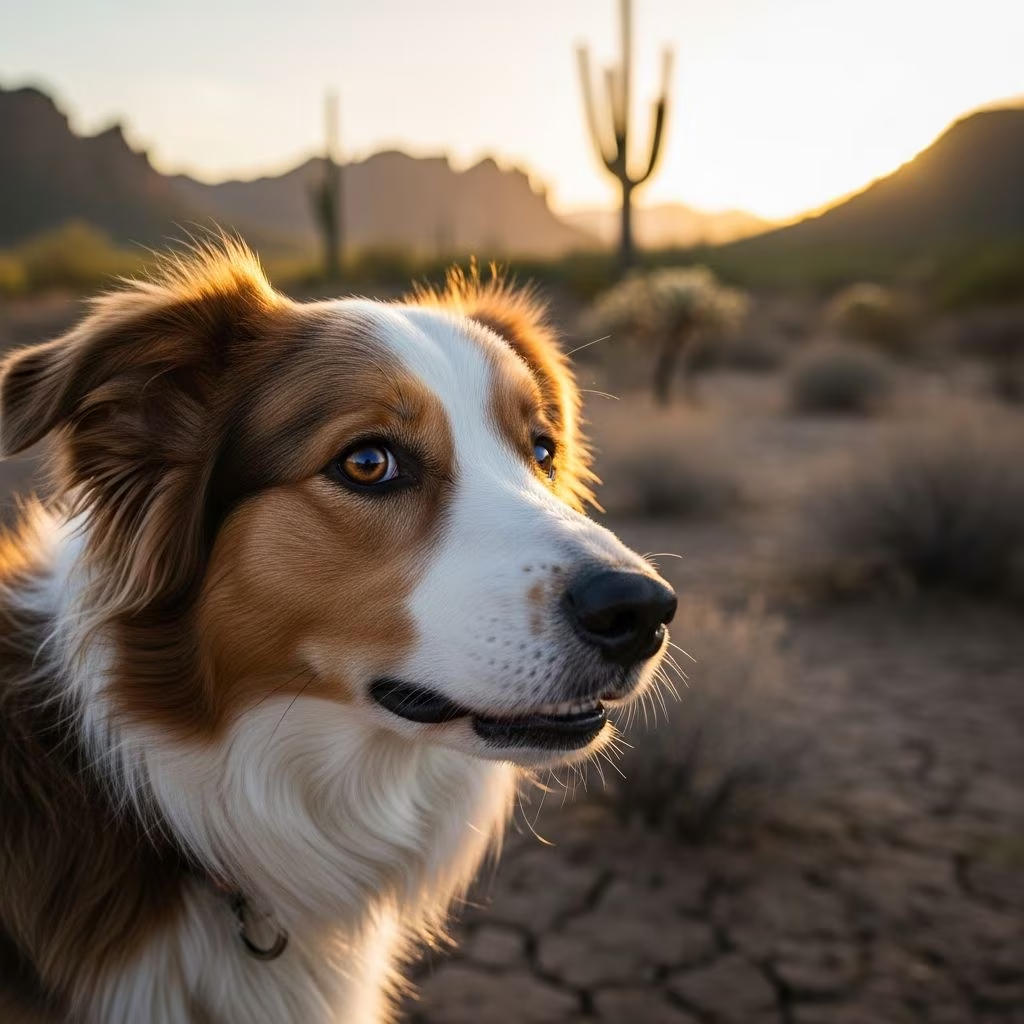
Understanding Valley Fever in Dogs
Valley fever, medically known as coccidioidomycosis, is a fungal infection that affects dogs and other animals in specific geographic regions. This condition is caused by the fungus Coccidioides immitis, which thrives in desert soil and arid climates. Understanding this disease is crucial for dog owners living in endemic areas or planning to travel with their pets to regions where valley fever is prevalent. The infection can range from mild to severe, and early recognition of symptoms can significantly impact treatment outcomes and your dog’s quality of life.
How Dogs Contract Valley Fever
Valley fever is acquired when dogs inhale fungal spores from contaminated soil. The Coccidioides immitis fungus naturally exists in soil, particularly in desert regions and areas with low rainfall. As part of its life cycle, the fungus produces spores that become airborne when soil is disturbed. These spores are released into the air through various activities, including high winds, walking through infected soil, and digging.
Once a dog inhales these microscopic spores, they travel through the respiratory tract and settle in the lungs, where the infection begins to develop. The spores can also spread to other parts of the body, potentially causing systemic complications. Dogs of any age or breed can contract valley fever, though some factors influence susceptibility and disease severity.
Incubation Period and Early Recognition
The incubation period for valley fever in dogs typically ranges from seven to twenty-one days after exposure to the fungal spores. During this time, infected dogs may not show any visible symptoms, making it difficult to identify the condition immediately. Once symptoms appear, the severity depends on the number of spores inhaled and individual factors affecting the dog’s immune response. Early recognition of symptoms is essential, as prompt veterinary intervention can prevent the disease from progressing to more severe stages.
Primary Symptoms of Valley Fever
Valley fever presents with various symptoms that can affect multiple body systems. Recognizing these signs early allows for timely treatment and better management of the condition. The following symptoms are commonly observed in infected dogs:
Respiratory Symptoms
- Persistent dry hacking cough (often the first noticeable symptom)
- Coughing that may worsen over time
- Difficulty breathing in severe cases
- Wheezing or abnormal lung sounds
General Systemic Symptoms
- Fever and elevated body temperature
- Lethargy and reduced activity levels
- Loss of appetite or decreased food intake
- Weight loss, particularly when combined with loss of appetite
- General weakness and malaise
Musculoskeletal Symptoms
- Joint swelling and inflammation
- Back pain or spinal discomfort
- Limb pain affecting mobility
- Weakness or lameness in the legs
- Difficulty walking or reluctance to move
- Neck pain and stiffness
Cutaneous (Skin) Symptoms
- Swollen lymph nodes
- Skin abscesses or lesions
- Draining wounds or sores
- Hair loss in affected areas
Ocular (Eye) Symptoms
- Eye swelling and inflammation
- Redness of the eyes
- Eye discharge or drainage
- Vision problems in severe cases
Factors Affecting Susceptibility to Valley Fever
Not all dogs exposed to valley fever fungus develop the disease. Several factors influence whether a dog will contract valley fever and how severe the infection becomes. Understanding these risk factors helps owners identify dogs at higher risk and take appropriate preventive measures.
Immune System Status
The immune system plays a critical role in determining susceptibility to valley fever. Dogs with strong and active immune systems often remain asymptomatic despite exposure to fungal spores. Conversely, dogs with compromised immune systems are significantly more susceptible to severe disease. Immunosuppression can result from underlying health conditions, age-related immune decline, or immunosuppressive medications used to treat other conditions. Dogs undergoing chemotherapy or those with conditions like diabetes or chronic illness face elevated risk.
Age and Breed Considerations
While valley fever can affect dogs of any age or breed, certain age groups may be at higher risk. Puppies with underdeveloped immune systems and senior dogs with declining immunity are particularly vulnerable. Additionally, some breeds may have genetic predispositions to more severe disease manifestations.
Geographic Location
Living in endemic areas significantly increases exposure risk. Valley fever is most common in the southwestern United States, particularly in Arizona, California, Nevada, New Mexico, and Utah. Dogs living or traveling in these regions face considerably higher chances of exposure to Coccidioides immitis spores.
Diagnosis of Valley Fever
Diagnosing valley fever requires veterinary expertise and specialized testing. Your veterinarian will perform a thorough physical examination and may recommend several diagnostic tests, including chest radiographs (X-rays), blood tests to detect antibodies against the fungus, and occasionally more advanced imaging studies. The combination of clinical symptoms, geographic history, and diagnostic test results helps confirm the diagnosis.
Treatment Options for Valley Fever
Valley fever requires comprehensive and often lengthy treatment. The primary approach involves antifungal medications that inhibit fungal growth and allow the dog’s immune system to control and eliminate the infection. Multiple treatment options are available, tailored to individual cases and disease severity.
Antifungal Medications
Three primary antifungal medications are commonly prescribed for valley fever in dogs:
- Fluconazole (Diflucan®) – The most frequently prescribed medication, administered orally at 5–10 mg/kg every 24 hours. It effectively inhibits fungal reproduction and can cross the blood-brain barrier to treat neurological infections.
- Itraconazole (Itrafungol® and Sporanox®) – An oral medication administered at 10 mg/kg every 24 hours, commonly used as an alternative to fluconazole.
- Ketoconazole (Nizoral®) – An older antifungal medication still used in some cases, though less frequently prescribed than the other two options.
Treatment Duration
The length of treatment depends on disease severity and infection extent. Most dogs require antifungal medication for a minimum of six to twelve months. Dogs with disseminated valley fever affecting bones, skin, or other organs typically require longer treatment courses. Most critically, if the fungus has invaded the central nervous system (brain and spinal cord), lifelong antifungal medication is usually necessary to prevent symptom recurrence.
Symptomatic and Supportive Care
Beyond antifungal medications, veterinarians prescribe additional treatments to manage specific symptoms and support recovery:
- Cough Suppressants – Provided to relieve persistent coughing, particularly when coughing is the primary symptom
- Pain Relief Medications – Anti-inflammatory drugs and analgesics prescribed to alleviate joint pain, back pain, and lameness, improving the dog’s comfort and appetite
- Fever Management – Treatment to reduce high fevers, which improves appetite and energy levels
- Nutritional Support – A balanced, nutritious diet supports immune function and recovery. Follow your veterinarian’s specific dietary recommendations
- Rest and Activity Management – Dogs with valley fever need a calm, comfortable environment for rest during the recovery period, as lethargy and weakness are common
- Fluid Therapy – May be necessary in severe cases to support hydration and organ function
Advanced Treatment Options
For dogs that do not respond to traditional oral antifungal medications or have severe infections, alternative treatments are available. Amphotericin B (Abelcet) is an intravenous medication administered over several hours, typically three times weekly for approximately fifteen treatments over five weeks. While amphotericin B directly kills valley fever organisms, it carries potential kidney toxicity risks, requiring frequent monitoring through blood and urine tests.
Surgical Intervention
In rare severe cases where the infection forms abscesses and granulomas, surgical intervention may be necessary. Qualified veterinary specialists can surgically drain or remove these lesions to treat severe fungal infections. However, surgery is typically reserved for cases where medical management alone is insufficient.
Monitoring and Long-term Care
Regular monitoring is essential throughout treatment to evaluate your dog’s response to medication. Veterinarians assess treatment effectiveness through blood tests and may adjust medication dosages based on response. Regular follow-up visits allow veterinarians to track infection progress and make necessary treatment modifications. Some dogs begin showing improvement within one to two weeks of starting treatment, though complete recovery requires the full course of medication.
Potential Medication Side Effects
Antifungal medications can cause side effects, particularly affecting the gastrointestinal system and liver function. Common side effects include stomach and intestinal upset, lack of appetite, nausea, lethargy, vomiting, and diarrhea. Additionally, these medications may cause elevations in liver enzymes, particularly ketoconazole and itraconazole, which are heavily metabolized by the liver. Fluconazole is metabolized to a lesser degree by the liver, approximately 10-20%. Regular liver enzyme monitoring ensures that medication toxicity is not developing.
Prognosis and Recovery
Valley fever can be cured in many dogs using long-term antifungal medications, though treatment duration depends on disease severity and individual response. Dogs usually begin feeling better within one to two weeks after treatment begins, providing hope for a positive outcome. However, dogs that recover from valley fever can suffer relapses, particularly those with weaker immune systems or those living in endemic areas. Unfortunately, medical and surgical treatment cannot always help animals with valley fever, and some dogs may die from the infection. Overall, approximately one in four dogs with valley fever may face fatal outcomes, emphasizing the importance of early diagnosis and aggressive treatment.
Prevention Strategies
While a vaccine for valley fever is not currently available, several preventive measures can reduce your dog’s risk of infection:
- Limit Outdoor Activities During Dry Seasons – Fungal spores are more prevalent during dry months, so reduce outdoor exposure during these periods
- Avoid High-Risk Areas – Keep your dog away from open fields, construction sites, and areas where soil disturbance is likely
- Provide Adequate Shelter – Ensure your dog has access to a clean, dry, and well-ventilated shelter to prevent exposure to environmental factors contributing to valley fever spread
- Maintain Immune Health – A healthy shelter helps maintain your dog’s immune system by preventing exposure to extreme weather conditions
- Consider Geographic Planning – If possible, limit travel to endemic areas during peak spore seasons
Frequently Asked Questions
Q: Can valley fever in dogs be cured completely?
A: Yes, valley fever in dogs can be cured using long-term antifungal medications. However, treatment duration depends on disease severity and the dog’s response to treatment. Most dogs require six to twelve months of medication, while those with neurological involvement may need lifelong treatment.
Q: Can valley fever recur in dogs?
A: Yes, valley fever can recur in dogs, particularly those with weaker immune systems and those living in endemic areas where reexposure to fungal spores is possible.
Q: How long does treatment for valley fever typically last?
A: Most dogs require antifungal medication for a minimum of six to twelve months. Dogs with disseminated infections affecting multiple organs or the nervous system may require longer treatment periods, sometimes indefinitely.
Q: What are the most commonly prescribed medications for valley fever?
A: The three most commonly prescribed antifungal medications are fluconazole (Diflucan®), itraconazole (Itrafungol® and Sporanox®), and ketoconazole (Nizoral®). Fluconazole is the most frequently prescribed option.
Q: What geographic areas are most affected by valley fever?
A: Valley fever is most common in the southwestern United States, particularly in Arizona, California, Nevada, New Mexico, and Utah. Dogs living or traveling in these regions face significantly higher exposure risks.
Q: Can I prevent valley fever in my dog?
A: While no vaccine is currently available, you can reduce risk by limiting outdoor activities during dry seasons, avoiding high-risk areas like construction sites, providing adequate shelter, and maintaining your dog’s overall immune health through proper nutrition and care.
Q: How quickly do symptoms improve after starting treatment?
A: Many dogs begin feeling better within one to two weeks after starting antifungal medication treatment, though complete recovery requires the full course of medication as prescribed by your veterinarian.
References
- Valley Fever Dogs: Breakdown of Symptoms, Causes, and Proven Treatment — Vet and Tech. 2024. https://www.vetandtech.com/blogs/valley-fever-dogs
- Valley Fever in Dogs: Everything You Need to Know — PetMD. 2024. https://www.petmd.com/dog/conditions/respiratory/valley-fever-dogs-everything-you-need-know
- Valley Fever in Dogs — Neighborhood Veterinary Clinic. 2024. https://www.neighborhoodvetclinic.com/valley-fever-in-dogs-2/
- Valley Fever in Dogs: Signs, Symptoms, Treatment — American Kennel Club. 2024. https://www.akc.org/expert-advice/health/valley-fever-in-dogs/
- Valley Fever Treatment in Scottsdale, AZ — Salt River Veterinary Clinic. 2024. https://www.saltrivervet.com/valley-fever/
- Valley Fever in Dogs — VCA Animal Hospitals. 2024. https://vcahospitals.com/know-your-pet/valley-fever-in-dogs
- Coccidioidomycosis in Animals — Merck Veterinary Manual. 2024. https://www.merckvetmanual.com/infectious-diseases/fungal-infections/coccidioidomycosis-in-animals



