

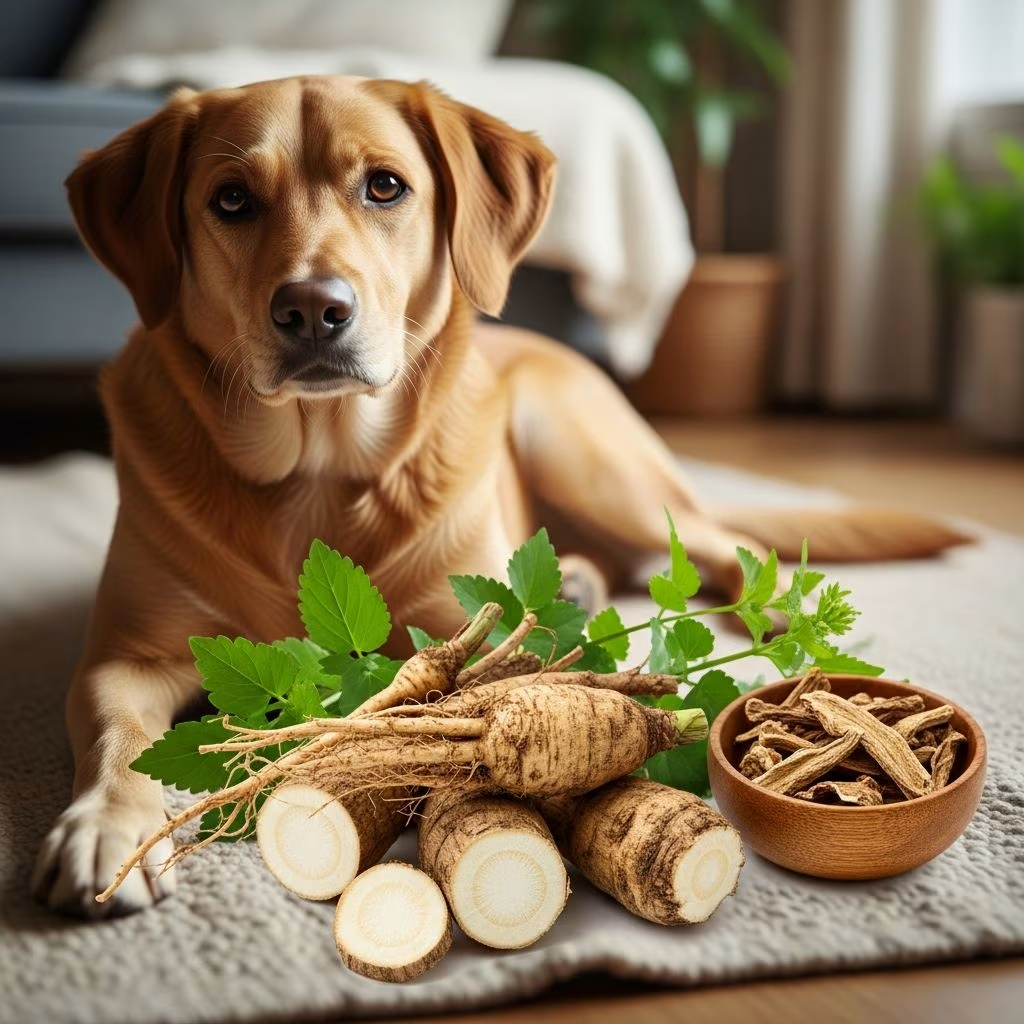
Valerian root, derived from the Valeriana officinalis plant, offers a natural approach to managing anxiety and stress in dogs. This herbal supplement promotes relaxation by influencing brain chemicals, making it popular among pet owners seeking alternatives to prescription medications.
Understanding the Science Behind Valerian Root’s Effects
Valerian root primarily works by enhancing levels of gamma-aminobutyric acid (GABA), a neurotransmitter that inhibits excessive brain activity. This mechanism blocks signals between neurons responsible for overstimulation, resulting in a calming effect without heavy sedation in most cases.
Research, though limited in veterinary applications, supports its role in reducing anxiety-related behaviors. Studies on dogs have shown improvements in stress responses during events like thunderstorms, with some formulations demonstrating measurable reductions in neuroendocrine stress markers.
While human studies provide a foundation, canine-specific evidence includes observations of better sleep onset and quality, aiding overall resilience to stressors.
Key Benefits for Canine Health and Behavior
Pet owners report notable improvements in various behavioral issues when using valerian root. Its versatility makes it suitable for multiple scenarios.
- Anxiety Reduction: Effective for noise phobias such as fireworks or thunderstorms, separation anxiety, and travel-related fears.
- Sleep Enhancement: Helps dogs fall asleep faster and enjoy deeper rest, crucial for those with nighttime restlessness.
- Stress Management: Supports calm during vet visits, grooming, or encounters with unfamiliar people and animals.
- Seizure Support: Some veterinarians suggest it for dogs prone to frequent seizures, though more research is needed.
- Hyperactivity Control: Mild sedative properties can reduce restlessness and promote relaxation.
These benefits stem from its natural compounds, including valepotriates, which may also offer antidepressant-like effects.
Common Uses in Everyday Dog Care
Integrating valerian root into a dog’s routine can address predictable stressors. Administer it prophylactically before known triggers for optimal results.
| Stressful Situation | Why Valerian Helps | Typical Timing |
|---|---|---|
| Thunderstorms/Fireworks | Blocks fear responses via GABA boost | 30-60 minutes prior |
| Car Rides/Vet Visits | Reduces motion sickness anxiety | 1 hour before departure |
| Separation Anxiety | Promotes calm when alone | Daily or as needed |
| Nighttime Wakefulness | Improves sleep quality | Evening dose |
| Social Gatherings | Eases overstimulation | Before guests arrive |
This table outlines practical applications, emphasizing proactive use.
Safe Dosage Guidelines for Different Dog Sizes
Dosage varies by form, dog weight, and anxiety severity. Always start low and consult a vet, especially if combining with other treatments.
- Dried Root: 1-7.5 grams per day, divided into doses. Small dogs (under 20 lbs): 1-2g; Medium (20-50 lbs): 2-4g; Large (over 50 lbs): 4-7.5g.
- Tincture: 7-15 ml daily. Adjust based on concentration; use dropper for precision.
- Capsules/Powders: Follow product labels, typically 50-200 mg per 10 lbs body weight.
For acute events, higher end of range may be used short-term. Monitor for 24-48 hours before events like holidays.
Forms of Valerian Root Supplements Available
Choose quality products from reputable sources to ensure purity and potency.
- Dried Root: Brew as tea or mix into food; retains natural potency.
- Tinctures: Alcohol or glycerin-based for quick absorption; easy oral administration.
- Capsules/Tablets: Convenient for precise dosing; often combined with other herbs.
- Powders: Sprinkle on meals; ideal for picky eaters.
- Topical Sprays: For environmental calming, though less common for ingestion.
Organic, third-party tested options minimize contaminants.
Potential Side Effects and Risks to Watch For
Valerian is generally safe but not without risks. Overdose can cause lethargy, vomiting, or gastrointestinal upset.
- Common Mild Effects: Drowsiness, upset stomach if dosed too high.
- Rare Severe Reactions: Ataxia (wobbliness), excessive sedation; discontinue immediately.
- Drug Interactions: May amplify sedatives, anesthetics, or anxiety meds like benzodiazepines.
Senior dogs, puppies, pregnant, or lactating females should avoid it due to limited safety data.
Who Should Avoid Valerian Root and Alternatives
Not all dogs benefit equally. Avoid in cases of liver disease, as it metabolizes hepatically. Breeds sensitive to sedatives (e.g., those with MDR1 gene mutation like Collies) require vet screening.
Alternatives include:
- Other Herbs: Chamomile, passionflower for milder calming.
- Nutraceuticals: L-theanine, melatonin blends.
- Behavioral Training: Desensitization, counter-conditioning.
- Prescription Options: Fluoxetine for chronic cases.
Real-World Experiences from Dog Owners and Vets
Integrative veterinarians often endorse valerian for situational anxiety, citing its favorable safety profile over pharmaceuticals. Owners note quicker recovery post-stressors and fewer destructive behaviors during alone time.
One study on nutraceutical diets including valerian showed reduced cortisol levels in anxious dogs, validating anecdotal success.
Integrating Valerian into a Holistic Wellness Plan
Combine with exercise, pheromone diffusers, and routine for best outcomes. Track responses in a journal to refine dosing.
Long-term use appears safe in moderation, but cycle off periodically to prevent tolerance.
Frequently Asked Questions (FAQs)
Is valerian root toxic to dogs?
No, it’s non-toxic when dosed properly, but excess can cause side effects like drowsiness.
How quickly does valerian work in dogs?
Effects onset in 30-60 minutes, peaking within 1-2 hours for tinctures.
Can I give valerian root to puppies?
Not recommended under 6 months; consult vet for young dogs.
Does valerian interact with CBD for dogs?
Possible additive sedation; monitor closely and adjust doses.
Where to buy high-quality valerian for pets?
Pet-specific brands from vets or trusted retailers; check for lab testing.
Valerian root empowers pet owners with a gentle, natural tool for behavioral support. Professional guidance ensures safe, effective use tailored to your dog’s needs.
References
- The Benefits of Valerian Root for Dogs — The Pet Gourmet. 2023. https://www.thepetgourmet.com/blogs/pet-owners-tips-and-tricks/the-benefits-of-valerian-root-to-dog-s-health
- Valerian Root for Dogs: Does It Work? — PetMD. 2023. https://www.petmd.com/dog/wellness/valerian-root-dogs-does-it-work
- A guide to valerian root for dogs — BetterPet. 2023. https://www.betterpet.com/learn/valerian-root-for-dogs
- Valerian Root for Dogs: Help Calm Anxiety Naturally — ZamiPet. 2023. https://zamipet.com.au/blogs/pet-health-hub/valerian-root-for-dogs-australia
- A Guide to Valerian Root for Dogs — Pet Honesty. 2023-10-01. https://www.pethonesty.com/blogs/blog/a-guide-to-valerian-root-for-dogs
- Valerian Root Extract (Valeriana officinalis) — Thorne Vet. 2023. https://thornevet.com/glossary/79143/
- Valerian Root for Dogs — JustFoodForDogs Blog. 2023. https://blog.justfoodfordogs.com/valerian-root-for-dogs.html



