

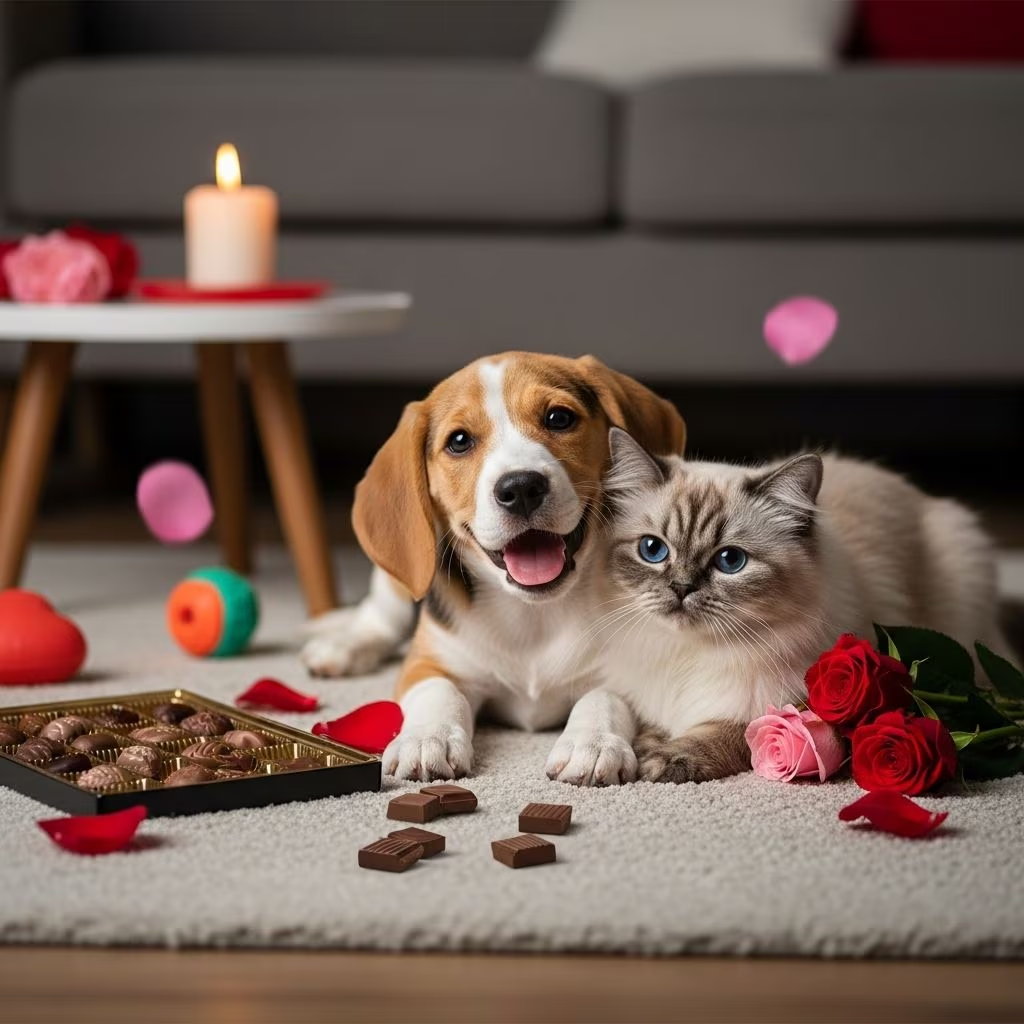
Valentine’s Day is a time filled with love, celebration, and thoughtful gestures. However, for pet owners, this romantic holiday can present unexpected dangers to our beloved furry companions. While humans enjoy chocolates, flowers, and special meals, pets can face serious health risks from common Valentine’s Day items. Understanding these hazards and taking appropriate precautions ensures that your pets can enjoy a safe and happy celebration alongside you.
Pet-Safe Bouquets
Flowers are a quintessential Valentine’s Day gift, but many popular blooms pose significant dangers to pets. Some of the most common flowers given on Valentine’s Day are among the most toxic to animals. It’s essential to know which flowers are dangerous and which alternatives are safe for your furry friends.
Toxic Flowers to Avoid
Lilies are extremely toxic to cats and can cause severe kidney failure even when ingested in small amounts. Tulips and daffodils contain toxic compounds that can cause gastrointestinal upset, drooling, and abdominal pain. Baby’s breath, despite its delicate appearance, can cause mild to moderate gastrointestinal issues. Roses, while not inherently toxic, often have sharp thorns that can injure pets’ mouths and throats.
Pet-Friendly Flower Alternatives
Instead of traditional Valentine’s Day bouquets, consider choosing pet-safe flowers such as sunflowers, orchids, or zinnias. If you do receive flowers as a gift, remove them from low surfaces where curious pets might access them. Keep floral arrangements in rooms your pets don’t frequent, and always supervise your animals around any flowers in your home.
Forbidden Chocolates and Sweets
Chocolate is perhaps the most iconic Valentine’s Day treat, but it is highly toxic to both dogs and cats. Understanding chocolate toxicity and identifying dangerous sweets is crucial for pet owners during this holiday season.
Why Chocolate Is Dangerous
Chocolate contains theobromine and caffeine, stimulants that pets cannot metabolize efficiently. These compounds can cause vomiting, diarrhea, rapid heart rate, tremors, seizures, and even death in severe cases. Dark chocolate and baking chocolate are more dangerous than milk chocolate because they contain higher concentrations of theobromine. Even small amounts of chocolate can be harmful to small dogs and cats.
Other Dangerous Sweets
Beyond chocolate, many Valentine’s Day candies pose significant risks. Sugar-free candies and gums containing xylitol, an artificial sweetener, are extremely dangerous and can cause liver failure and hypoglycemia in pets. Hard candies, lollipops, and candy with wrappers can also become choking hazards or cause intestinal blockages.
Safe Storage Practices
Store all chocolate, candies, and sweets in secure locations where pets cannot access them. Educate house guests about keeping treats away from your pets, as well-meaning visitors may inadvertently offer harmful foods. Keep candy dishes off counters and tables, and properly dispose of Valentine’s Day candy wrappers.
Careful with Cocktails
Alcoholic beverages are a common part of Valentine’s Day celebrations, but alcohol is toxic to pets and should be kept completely out of their reach. Even small amounts of alcohol can cause serious health problems in animals.
Alcohol Toxicity in Pets
Ethanol in alcoholic drinks can cause intoxication, vomiting, diarrhea, decreased coordination, tremors, and respiratory depression in pets. Small animals are particularly susceptible to alcohol’s effects due to their smaller body size. Additionally, uncooked dough containing yeast and alcohol poses a double threat, as the dough expands in the stomach and the fermentation produces alcohol.
Prevention and Safety
Never leave alcoholic beverages unattended where pets can access them. Clean up spills immediately, and dispose of alcohol-containing products safely. Be especially cautious during Valentine’s Day parties or gatherings when drinks may be left on tables or counters at pet level.
Playing with Fire
Romantic candlelit dinners are a Valentine’s Day tradition, but open flames present serious burn and fire hazards to curious pets. Cats and dogs may accidentally knock over candles, resulting in burns, singed fur, or even house fires.
Candle Safety Tips
Consider using flameless LED candles that create ambiance without the risk of open flames. If you do use traditional candles, place them in secure locations away from areas where pets spend time. Never leave burning candles unattended, and ensure they are completely out before leaving the room or going to sleep.
Additional Fire Hazards
Decorative items like essential oil diffusers can also pose risks. Some essential oils are toxic to pets when inhaled or ingested. Be cautious with any heating devices or decorative elements that might endanger your animals.
Wrap It Up
Gift-wrapping materials, while festive and beautiful, present choking hazards and intestinal blockage risks to pets. Ribbons, bows, and wrapping paper can be swallowed, causing serious digestive complications that may require surgical intervention.
Safe Gift-Wrapping Practices
If you wrap gifts for your pets, consider using pet-safe materials or skip wrapping altogether. For gifts to humans, use wrapping paper made specifically for pets that doesn’t contain toxic dyes. Keep wrapped gifts stored securely where pets cannot chew on or ingest wrapping materials.
Alternative Gift Presentation Methods
Instead of traditional wrapping, present pet gifts in a sturdy box or paper bag that’s easy to open. This eliminates ribbon and bow hazards while still providing the excitement of gift-giving. For human gifts, unwrap them promptly and dispose of all wrapping materials properly.
Other Ways to Help
Beyond avoiding hazards, there are many positive ways to celebrate Valentine’s Day safely with your pets while showing them how much you care.
Pet-Safe Treats and Snacks
Celebrate your pet with specially made pet treats or healthy alternatives. Heart-shaped pet treats are widely available and designed to be safe and nutritious. You can also prepare homemade treats using pet-safe ingredients like peanut butter (xylitol-free), pumpkin, and oats.
Recommended Pet-Safe Foods
Many fruits and vegetables make excellent healthy treats for pets:
- Carrots
- Sweet potatoes (cooked)
- Green beans
- Broccoli
- Cucumbers
- Squash
- Brussels sprouts
- Cauliflower
- Spinach and kale
- Edamame
When offering fruits and vegetables, wash them thoroughly, remove any seeds, and cut them into bite-sized pieces to prevent choking. Serve them lightly steamed, baked, pureed, or raw. You can even cut them into heart shapes to add a Valentine’s Day touch.
Spa Day Celebrations
Pamper your pet with a special spa day. Many pets enjoy baths and brushing, which not only keep them clean and comfortable but also support healthy coat and skin by stimulating circulation. Schedule a professional grooming appointment or create a relaxing spa experience at home with gentle baths and thorough brushing sessions.
Quality Time and Activities
One of the best ways to celebrate Valentine’s Day with your pet is through quality time and attention. Consider these safe and meaningful activities:
- Plan extra-long walks or visits to their favorite parks
- Engage in extended play sessions with their favorite toys
- Arrange a cozy movie night with their favorite blanket
- Invest in new pet toys or puzzle toys stuffed with treats
- Spend quiet time together showing physical affection
Pet Insurance as a Gift
While it’s not something you can wrap, pet insurance is a valuable Valentine’s Day gift that demonstrates your commitment to your pet’s health and wellbeing. A comprehensive pet insurance plan helps ensure you can provide the best possible care in case of accidents, illnesses, or wellness treatments, allowing your pet to enjoy a long and healthy life.
Recognizing Signs of Poisoning
Despite your best efforts, accidents can happen. Knowing the signs of poisoning allows you to act quickly and potentially save your pet’s life. If your pet ingests something toxic, watch for these warning signs:
- Vomiting or diarrhea
- Drooling or excessive salivation
- Lethargy or unusual behavior
- Tremors or seizures
- Rapid or irregular heartbeat
- Loss of appetite
- Abdominal pain or distension
- Difficulty breathing
If you suspect your pet has been exposed to any toxic substance, contact your veterinarian immediately or call the ASPCA Animal Poison Control Center (APCC). Prompt action can make a critical difference in treatment outcomes.
Quick Reference: Valentine’s Day Pet Hazards
| Hazard Category | Common Items | Why It’s Dangerous | Safety Steps |
|---|---|---|---|
| Flowers | Lilies, tulips, daffodils, baby’s breath | Toxins cause gastrointestinal upset, kidney failure in cats | Choose pet-safe flowers; keep arrangements elevated |
| Chocolates | Dark chocolate, milk chocolate, baking chocolate | Theobromine and caffeine cause tremors, seizures, death | Store securely; educate guests; dispose of wrappers properly |
| Candies | Hard candies, xylitol gum, lollipops | Choking hazards; xylitol causes liver failure | Keep out of reach; check labels for xylitol |
| Alcohol | Wine, beer, cocktails, fermented dough | Causes intoxication, respiratory depression, organ damage | Never leave drinks unattended; clean spills immediately |
| Candles | Open flame candles, scented candles | Burn and fire hazards; essential oils may be toxic | Use flameless LED candles; keep out of reach |
| Wrapping Materials | Ribbons, bows, wrapping paper, string | Choking hazards; intestinal blockage | Use pet-safe materials; supervise unwrapping |
Frequently Asked Questions
Q: What should I do if my pet eats chocolate on Valentine’s Day?
A: Contact your veterinarian or the ASPCA Animal Poison Control Center immediately. Provide information about the type and amount of chocolate consumed. Do not wait for symptoms to develop, as prompt treatment can be lifesaving.
Q: Are all flowers toxic to pets?
A: No, not all flowers are toxic. Orchids, sunflowers, and zinnias are generally safe. However, when in doubt, research specific flowers or choose commercially available pet-safe flower arrangements to be certain.
Q: Can I give my pet a small piece of chocolate as a treat?
A: No, even small amounts of chocolate can be dangerous to pets. Toxicity depends on the type of chocolate, amount consumed, and your pet’s size. The safest approach is to avoid chocolate entirely and offer pet-safe treats instead.
Q: What are the safest ways to celebrate Valentine’s Day with my pet?
A: Safe celebrations include offering pet-safe treats, planning spa days with baths and brushing, spending quality time together, purchasing pet-safe toys, taking extra-long walks, and considering pet insurance as a gift that protects their health.
Q: What is xylitol and why is it dangerous?
A: Xylitol is an artificial sweetener found in sugar-free candies, gums, and some peanut butters. It causes rapid insulin release in pets, leading to severe hypoglycemia and liver damage. Always check ingredient labels before giving any human food to pets.
Q: How can I tell if my pet has been poisoned?
A: Watch for vomiting, diarrhea, drooling, lethargy, tremors, seizures, rapid heartbeat, and unusual behavior. Any of these signs warrant immediate veterinary attention or a call to Animal Poison Control Center at your earliest opportunity.
References
- Lilies and Cats: A Dangerous Combination — ASPCA Animal Poison Control Center. 2024. https://www.aspca.org/pet-care/general-pet-care/poisonous-plants
- Chocolate Toxicity in Dogs and Cats — American Veterinary Medical Association (AVMA). 2024. https://www.avma.org/resources/pet-owners/petcare/chocolate-toxicity
- Holiday Hazards for Pets — ASPCA. 2025. https://www.aspca.org/pet-care/general-pet-care/valentines-day-safety-tips
- Animal Poison Control Center — ASPCA. 2025. https://www.aspca.org/pet-care/animal-poison-control
- Xylitol Toxicity in Dogs — PetPoisonHelpline. 2024. https://www.petpoisonhelpline.com/poison/xylitol/
- Pet-Safe Foods and Treats — ASPCA Pet Insurance. 2025. https://www.aspcapetinsurance.com/resources/pet-friendly-valentines-day/



