

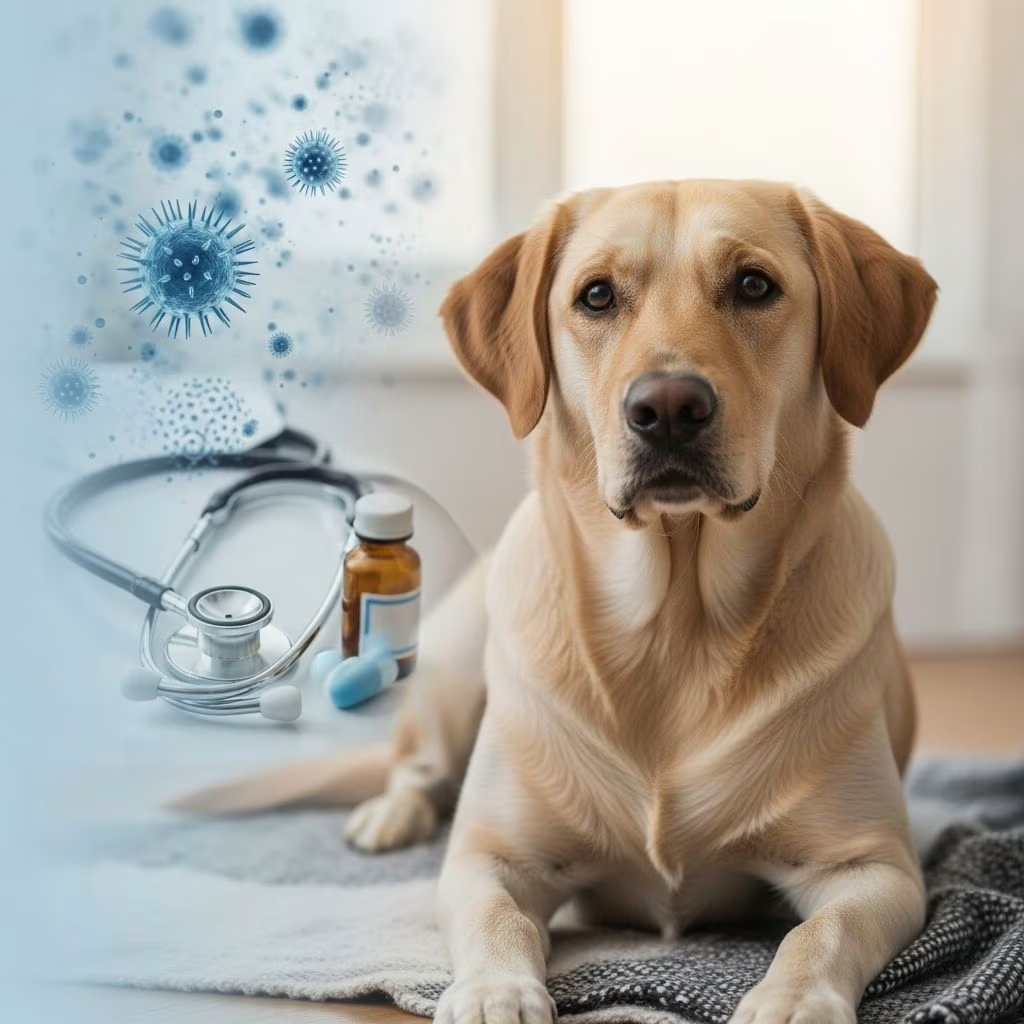
Vaginitis is an inflammation of the vagina that occurs in female dogs, whether they are intact (not spayed) or spayed. This condition can affect dogs of any age or breed and is one of the most common health issues seen in veterinary practice. Understanding the causes, recognizing the symptoms, and knowing the available treatment options can help pet owners provide appropriate care for their dogs experiencing this condition.
What is Vaginitis in Dogs?
Vaginitis refers to the inflammation of the vaginal tissues in female canines. The condition manifests as an inflammatory response in the vaginal area and can range from mild to severe depending on the underlying cause. Dogs with vaginitis often experience discomfort and may exhibit behavioral changes related to their genital area. The condition is particularly common in puppies before their first heat cycle, though it can also develop in adult dogs.
The vagina is a naturally moist and warm environment, which makes it susceptible to bacterial growth and infection. When the delicate balance of the vaginal flora is disrupted, inflammation can occur. It is important to note that vaginitis can be a primary condition or secondary to another underlying health issue.
Causes of Vaginitis in Dogs
Vaginitis in dogs can result from various causes, which are broadly categorized into congenital, structural, infectious, and environmental factors. Understanding these causes is essential for proper diagnosis and treatment.
Congenital and Structural Abnormalities
Some dogs are born with anatomical abnormalities that predispose them to vaginitis. These include ectopic ureters, where the ureter (the tube carrying urine from the kidney to the bladder) does not connect to the bladder properly, causing urine to leak into the vagina. Other congenital issues include hooded vulvas, vestibulovaginal stenosis, and clitoral hyperplasia. These abnormalities can allow urine to pool in the vagina, creating an environment conducive to bacterial growth and inflammation.
Infectious Causes
Bacterial and yeast infections are common culprits in vaginitis cases. Bacterial infections can be primary or secondary to other conditions such as urinary tract infections or anal gland infections. Yeast infections and overgrowth may occur secondary to other underlying health conditions or immune system challenges. Viral infections, such as canine herpesvirus, can also cause vaginitis, though this is less common.
Urinary Tract Issues
Urinary incontinence is a significant contributing factor to vaginitis. When female dogs have a weak urinary sphincter, urine leaks into the vagina, causing irritation and inflammation. Urinary tract infections frequently accompany vaginitis, as the infection can spread from the urethra to the vaginal tissues. Additionally, abnormal urine pH can disrupt the natural bacterial balance in the vagina.
Environmental and Hygiene Factors
Poor hygiene can contribute to vaginitis development. In overweight dogs or those with excess skin, dirt and bacteria can become trapped in skin folds around the vulva. Conditions like obesity, arthritis, and diarrhea may prevent dogs from cleaning themselves adequately. Foreign bodies such as seeds, burrs, or debris can become lodged in the vagina and cause irritation. Fecal contamination, particularly in puppies, can also lead to infection.
Hormonal Factors
Low estrogen levels can cause vaginal inflammation in spayed females. Certain medications containing androgenic steroids may also trigger vaginitis. In puppies, hormonal imbalances during development can contribute to the condition.
Symptoms and Signs of Vaginitis
Pet owners should be aware of the various signs that may indicate their dog has vaginitis. Recognizing these symptoms early allows for timely veterinary intervention.
Common signs of vaginitis include:
- Excessive licking or chewing of the genital area
- Scooting or rubbing the genital region on the ground or furniture
- Vaginal discharge that may be clear, mucoid, purulent, or mucopurulent
- Increased frequency of urination
- Redness and swelling of the vaginal tissues
- Discomfort or pain during urination
In intact females, changes in discharge consistency and volume may be observed, particularly during the estrous cycle. However, any vaginal discharge in spayed females, intact females not in heat, or puppies too young to be in heat warrants a veterinary examination.
It is crucial to note that these symptoms can also indicate other health conditions, including pyometra, colitis, urinary tract infections, and anal gland obstructions. Therefore, professional veterinary evaluation is necessary for accurate diagnosis.
Diagnosis of Vaginitis
Veterinarians use multiple diagnostic approaches to confirm vaginitis and identify its underlying cause. A thorough diagnostic process ensures appropriate treatment planning.
Physical Examination
The veterinarian will conduct a complete physical examination, including inspection of the external genital area for signs of inflammation, discharge, and abnormalities. This initial assessment provides important clues about the condition.
Laboratory Tests
Urinalysis is routinely performed to evaluate urine composition, pH, and the presence of bacteria or white blood cells. Microscopic examination of vaginal discharge can reveal the presence of bacteria, yeast cells, or white blood cells. Vaginal bacterial culture and sensitivity testing help identify specific bacterial organisms and determine which antibiotics will be most effective.
Diagnostic Imaging and Vaginoscopy
Radiographs or ultrasound may be utilized to identify structural abnormalities or foreign bodies. Vaginoscopy, a minimally invasive procedure using a small camera to visualize the interior of the vagina, allows veterinarians to directly observe the vaginal tissues and identify anomalies such as urine pooling or mass lesions.
Treatment of Vaginitis in Dogs
Treatment for vaginitis is tailored to the underlying cause and severity of the condition. In many cases, addressing the root cause resolves the vaginitis without requiring extensive treatment.
Cause-Specific Treatment
When a specific cause is identified, treatment focuses on addressing that underlying problem. Removal of foreign bodies or surgical correction of anatomical abnormalities is often curative. If urinary tract infection is present, appropriate antibiotic therapy helps resolve associated vaginitis. Surgery or chemotherapy may be indicated when urogenital masses or neoplasms are detected.
Antibiotic Therapy
Many dogs receive antibiotics based on sensitivity testing results or the source location of the infection. The choice of antibiotic depends on the identified organism and its susceptibility profile. In cases of idiopathic vaginitis where no specific cause is found, empirical antibiotic therapy may be prescribed.
Local Treatments
Vaginal douches using solutions such as 0.05% chlorhexidine or 0.5% povidone-iodine are performed twice daily in many cases. These mild disinfectants help reduce bacterial populations and promote healing. Medicated vaginal wipes or baby wipes can be used for regular cleaning of the perivulvar area to maintain hygiene and prevent reinfection.
Anti-inflammatory Therapy
Analgesic and anti-inflammatory medications, particularly nonsteroidal anti-inflammatory drugs (NSAIDs), are recommended in most cases. NSAIDs are preferred over corticosteroids due to the increased risk of urinary tract infections associated with corticosteroid use.
Hormonal Treatment
In spayed female dogs with idiopathic vaginitis, oral estrogens or estrogen creams have been shown to be helpful. Diethylstilbestrol (DES) may help control subclinical urinary incontinence and enhance the movement of white blood cells into the vaginal vault while increasing vaginal wall elasticity. However, DES should not be used in dogs that have not achieved full adult height, as it may cause premature closure of bone growth plates. Phenylpropanolamine is another option for managing incontinence-related vaginitis.
Supportive Care
Probiotics may be recommended to help restore normal vaginal flora and support immune function. Keeping the area clean and dry is essential for preventing secondary infections and promoting healing. In mild cases, monitoring and maintaining good hygiene may be sufficient for resolution.
Puppy Vaginitis: Special Considerations
Puppy vaginitis is particularly common in young female dogs before their first heat cycle. In most cases, juvenile vaginitis will resolve on its own after the first heat cycle, as hormonal changes improve vaginal health.
The condition in puppies is often caused by underdeveloped sex organs, hormonal imbalances, foreign irritants, or mild bacterial or yeast infections. Treatment for puppy vaginitis typically involves monitoring and maintaining cleanliness rather than aggressive intervention.
Pet owners should keep the area clean and dry, watch for signs of worsening symptoms, and schedule regular veterinary check-ups. In most cases, simple hygiene maintenance is sufficient until the puppy matures and the condition resolves naturally.
Adult Dog Vaginitis: Treatment Approach
Adult dogs with vaginitis require more comprehensive evaluation and treatment compared to puppies. Chronic vaginitis in mature dogs may develop from causes that manifest slowly or from malformations that increase infection risk. Treatment options for adult dogs include antibiotics, anti-inflammatories, wound care, hormone treatment, and possibly surgery depending on the underlying cause.
Prognosis and Recovery
The prognosis for dogs with vaginitis varies depending on the underlying cause and the dog’s overall health status. In most cases, the prognosis is good with appropriate treatment. Puppy vaginitis typically resolves with the onset of the first heat cycle. Adult-onset vaginitis caused by identifiable and treatable causes generally responds well to targeted therapy.
However, idiopathic vaginitis (where no specific cause is identified) can be chronic and may require ongoing management. Pet owners should have realistic expectations about recovery timelines and discuss long-term management strategies with their veterinarian.
Prevention and Management
While not all cases of vaginitis can be prevented, certain management practices may reduce the risk:
- Maintain appropriate body weight to prevent skin fold complications
- Ensure regular hygiene and grooming
- Promptly address urinary tract infections
- Monitor for signs of discomfort or discharge
- Schedule regular veterinary check-ups
- Consider spaying to eliminate intact status-related risks (in consultation with your veterinarian)
Frequently Asked Questions About Canine Vaginitis
Q: Is vaginitis contagious to other dogs?
A: No, vaginitis is not contagious between dogs. It is a condition specific to the individual dog and is caused by internal factors or environmental irritation rather than infectious agents spread from dog to dog.
Q: Can vaginitis cause infertility in dogs?
A: While severe or chronic vaginitis may affect reproductive function, most cases do not cause permanent infertility. However, treating the condition promptly is important for maintaining reproductive health.
Q: How long does it take for vaginitis to resolve?
A: Resolution time varies depending on the cause and severity. Puppy vaginitis typically resolves after the first heat cycle. Adult-onset vaginitis may resolve within a few weeks with appropriate treatment, though chronic cases may require ongoing management.
Q: Should I bathe my dog if she has vaginitis?
A: Gentle cleaning of the external genital area with warm water or specialized wipes is beneficial. However, avoid excessive bathing or using harsh soaps, as these can disrupt the natural vaginal flora and worsen the condition.
Q: Can diet affect vaginitis in dogs?
A: While diet alone does not cause vaginitis, maintaining a healthy diet supports immune function and overall health, which may help prevent secondary infections. Some dogs may benefit from probiotics added to their diet to support vaginal health.
Q: Is it necessary to spay my dog to prevent vaginitis?
A: Spaying eliminates intact status-related causes of vaginitis but does not prevent all cases. Spayed dogs can still develop vaginitis from other causes. Discuss the pros and cons of spaying with your veterinarian based on your individual dog’s health status.
When to Contact Your Veterinarian
Contact your veterinarian if your dog shows signs of vaginitis, such as excessive genital licking, scooting, vaginal discharge, or increased urination. Early intervention helps prevent complications and ensures appropriate treatment. If your dog has been diagnosed with vaginitis and symptoms worsen despite treatment or do not improve within the expected timeframe, schedule a follow-up appointment with your veterinarian to reassess the treatment plan.
Conclusion
Vaginitis is a common condition in female dogs that can significantly impact their comfort and quality of life. By understanding the various causes, recognizing the symptoms, and seeking appropriate veterinary care, pet owners can help their dogs recover from this condition. Whether your dog is a puppy experiencing transient vaginitis or an adult dog with a chronic condition, working closely with your veterinarian to develop an individualized treatment plan ensures the best possible outcome. With proper diagnosis, targeted treatment, and supportive care, most dogs with vaginitis achieve full recovery and return to normal, healthy functioning.
References
- Vaginitis in Dogs: Causes, Symptoms and Treatment Options — CareCredit Well-U. Accessed 2025. https://www.carecredit.com/well-u/pet-care/vaginitis-in-dogs/
- Vaginitis in Dogs: Causes, Diagnosis and Treatment — Vets & Clinics. Accessed 2025. https://vetsandclinics.com/en/vaginitis-in-dogs-causes-diagnosis-and-treatment
- Understanding Vaginitis in Puppies: Causes, Symptoms, and Treatment — NOAH Vets. Accessed 2025. https://www.noahvets.com/understanding-vaginitis-in-puppies-causes-symptoms-and-treatment/
- Vaginitis in Dogs — VCA Animal Hospitals. Accessed 2025. https://vcahospitals.com/know-your-pet/vaginitis-in-dogs
- Vaginal Inflammation (Vaginitis) in Dogs – Causes, Treatment and Prevention — Vetster. Accessed 2025. https://vetster.com/en/conditions/dog/vaginal-inflammation
- Vaginitis in Dogs: A Simple Approach to a Complex Condition — DVM360. Accessed 2025. https://www.dvm360.com/view/vaginitis-dogs-simple-approach-complex-condition



