

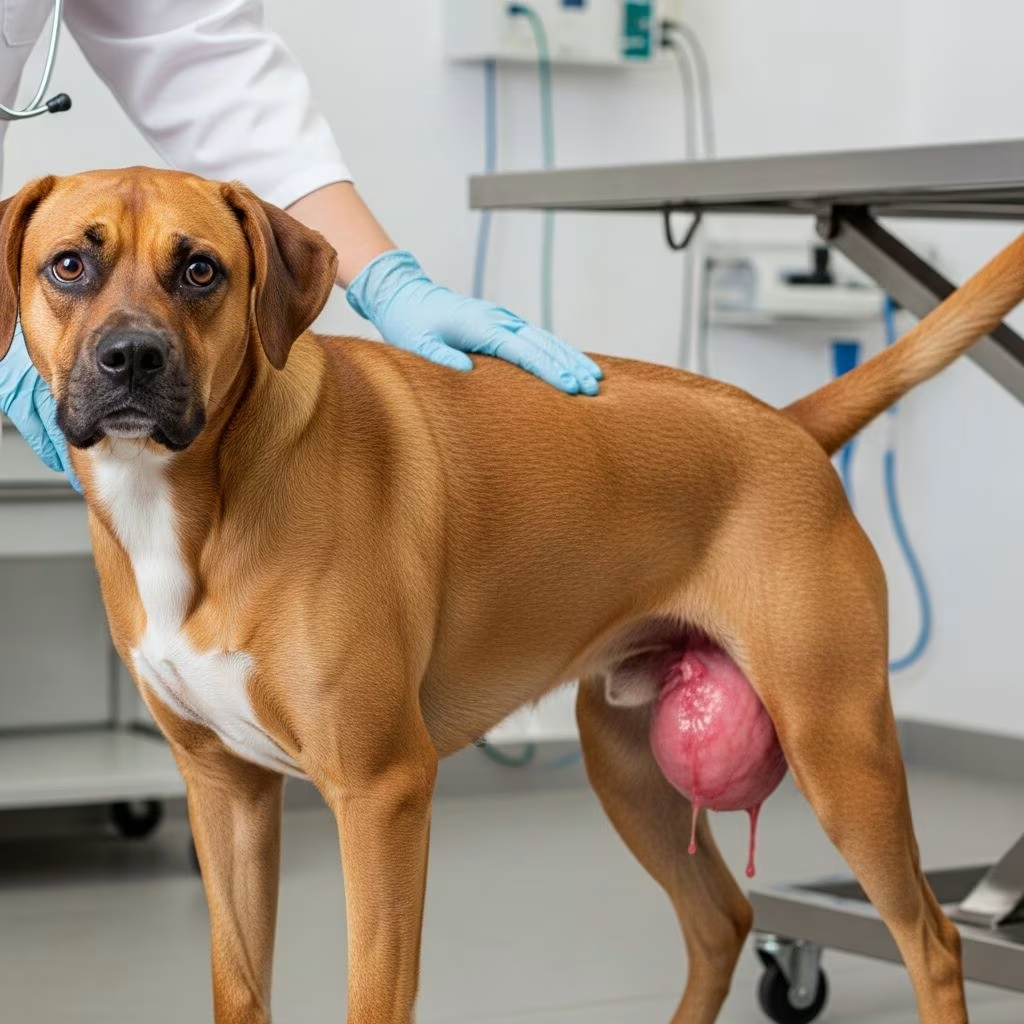
Vaginal prolapse in dogs occurs when vaginal tissue protrudes through the vulva, often linked to hormonal changes during heat cycles. This condition primarily affects unspayed female dogs, especially during their first estrus or subsequent cycles, and requires prompt veterinary attention to prevent complications like tissue damage or urinary obstruction.
Understanding the Condition
Vaginal prolapse, sometimes associated with vaginal hyperplasia, involves the swelling and eversion of vaginal walls due to estrogen stimulation. It manifests as a fleshy mass emerging from the vulva, which can vary in severity. While many cases resolve with the progression of the estrous cycle, severe instances demand intervention to avoid necrosis or infection.
The condition is not life-threatening in most scenarios but can cause significant discomfort. Young dogs entering their first heat are particularly susceptible, alongside certain breeds predisposed by genetics or anatomy.
Common Symptoms to Watch For
Early detection hinges on recognizing key signs. Owners often notice:
- A visible pink or red mass protruding from the vulva, resembling a donut-shaped structure in advanced cases.
- Excessive licking or grooming of the genital area beyond normal behavior.
- Straining to urinate (dysuria) or frequent unsuccessful attempts, potentially leading to urinary retention.
- Vulvar swelling, discharge, or bleeding.
- Reluctance to mate or signs of pain during reproductive activities.
- Lethargy, loss of appetite, or distress if the tissue becomes traumatized.
These symptoms typically appear during proestrus or estrus phases. If urination is impossible, it signals an emergency due to risks of bladder rupture.
Primary Causes and Risk Factors
The root cause is elevated estrogen levels during heat, prompting excessive vaginal tissue growth and prolapse. Other contributors include:
- Genetic factors in breeds like Boxers, Bulldogs, Bullmastiffs, Shar Peis, Labradors, and English Springer Spaniels.
- Postpartum straining or dystocia (difficult labor).
- Trauma from mating, constipation, or forced separation during breeding ties.
- Vaginal hyperplasia, where tissue swells independently or alongside prolapse.
Large and brachycephalic breeds face higher incidence due to conformational traits that facilitate tissue eversion.
| Breed | Risk Level | Notes |
|---|---|---|
| Boxer | High | Common in first estrus |
| Bulldog | High | Brachycephalic anatomy |
| Labrador Retriever | Moderate | Large breed predisposition |
| Shar Pei | High | Facial folds correlate with vulvar issues |
| German Shepherd | Moderate | Reported in studies |
This table highlights breeds with elevated risks, based on veterinary observations.
Diagnosis Process
Veterinarians diagnose through a combination of history, physical exam, and tests. Key steps include:
- Reviewing the dog’s heat cycle, breed, and history of reproductive issues.
- Visual and manual examination of the vulva to identify the protruding mass, which feels soft and moist.
- Baseline blood work (CBC, biochemistry) and urinalysis to rule out infections or systemic issues.
- Vaginal cytology or biopsy in older dogs to exclude neoplasia.
- Imaging like ultrasound if uterine prolapse is suspected.
The classic appearance—a large, cylindrical or donut-shaped mass—confirms the diagnosis in most cases without advanced tools.
Treatment Options
Treatment varies by severity, focusing on reduction, tissue protection, and recurrence prevention. Mild cases (Type I, minimal protrusion) may resolve spontaneously post-ovulation.
Conservative Management
- Manual reduction: Gently repositioning tissue with lubrication; often temporary.
- Hormonal therapy: GnRH or hCG injections to induce ovulation and reduce edema.
- Supportive care: Urinary catheterization for blockages, anti-inflammatory creams, saline cleanses, and e-collars to prevent self-trauma.
Surgical Interventions
For persistent or damaged tissue:
- Circumferential resection: Removing hyperplastic tissue.
- Purse-string sutures or Bühner sutures to secure tissue temporarily.
- Ovariohysterectomy (spay): Definitive for non-breeding dogs, eliminating hormonal triggers.
Outpatient care suffices if urination is possible; hospitalization is needed for obstructions.
Home Care and Recovery
Post-treatment, prioritize:
- Cleaning the area daily with saline or prescribed solutions.
- Using diapers or pads to shield from trauma and contamination.
- Elizabethan collar to deter licking.
- Soft bedding and a stress-free environment.
- Monitoring for recurrence, common in 66-100% of cases without spaying.
Follow-up exams ensure healing and assess for complications like infection or necrosis.
Prevention Strategies
Proactive measures reduce risks:
- Spay non-breeding females after maturity or post-first heat to halt cycles.
- Regular veterinary check-ups during estrus-prone periods.
- Breed selection avoiding high-risk lines.
- Manage obesity and constipation to minimize straining.
Early spaying prevents most recurrences, offering lifelong protection.
Prognosis and Long-Term Outlook
With timely care, prognosis is excellent; most dogs recover fully. Recurrence risks drop dramatically post-spay. Untreated severe cases risk tissue death or chronic urinary issues, but intervention averts these.
Frequently Asked Questions (FAQs)
What breeds are most prone to vaginal prolapse?
Boxers, Bulldogs, Bullmastiffs, Shar Peis, and large breeds like Labradors show higher susceptibility due to genetics and anatomy.
Can vaginal prolapse resolve on its own?
Yes, mild cases often regress after ovulation as estrogen declines, but monitoring is essential.
Is surgery always necessary?
No, conservative treatments suffice for many, but spaying is recommended for permanent prevention in non-breeders.
What if my dog can’t urinate?
This is an emergency; seek immediate vet care to prevent kidney damage or rupture.
How can I prevent recurrence?
Spaying is the most effective method, alongside vigilant home care during heat cycles.
This FAQ addresses common owner concerns for quick reference.
Potential Complications
Left unchecked, prolapse can lead to desiccation, ulceration, secondary infections, or urethral obstruction. Rare twists involve uterine involvement, escalating urgency.
References
- Vaginal Prolapse In Dogs – Wag! — WagWalking. 2023. https://wagwalking.com/condition/vaginal-prolapse
- Vaginal Prolapse in Dogs: Treatment and Prevention — PetPlace.com. 2023. https://www.petplace.com/article/dogs/pet-health/vaginal-prolapse-in-dogs
- Vagina: prolapse in Dogs (Canis) — Vetlexicon. 2024. https://www.vetlexicon.com/canis/reproduction/articles/vagina-prolapse/
- Vaginal Hyperplasia in Small Animals — Merck Veterinary Manual. 2023-11-26. https://www.merckvetmanual.com/reproductive-system/reproductive-diseases-of-the-female-small-animal/vaginal-hyperplasia-in-small-animals
- Mass Protrusion from the Vaginal Area in Dogs — PetMD. 2023. https://www.petmd.com/dog/conditions/reproductive/c_multi_vaginal_hyperplasia_and_prolapse



