

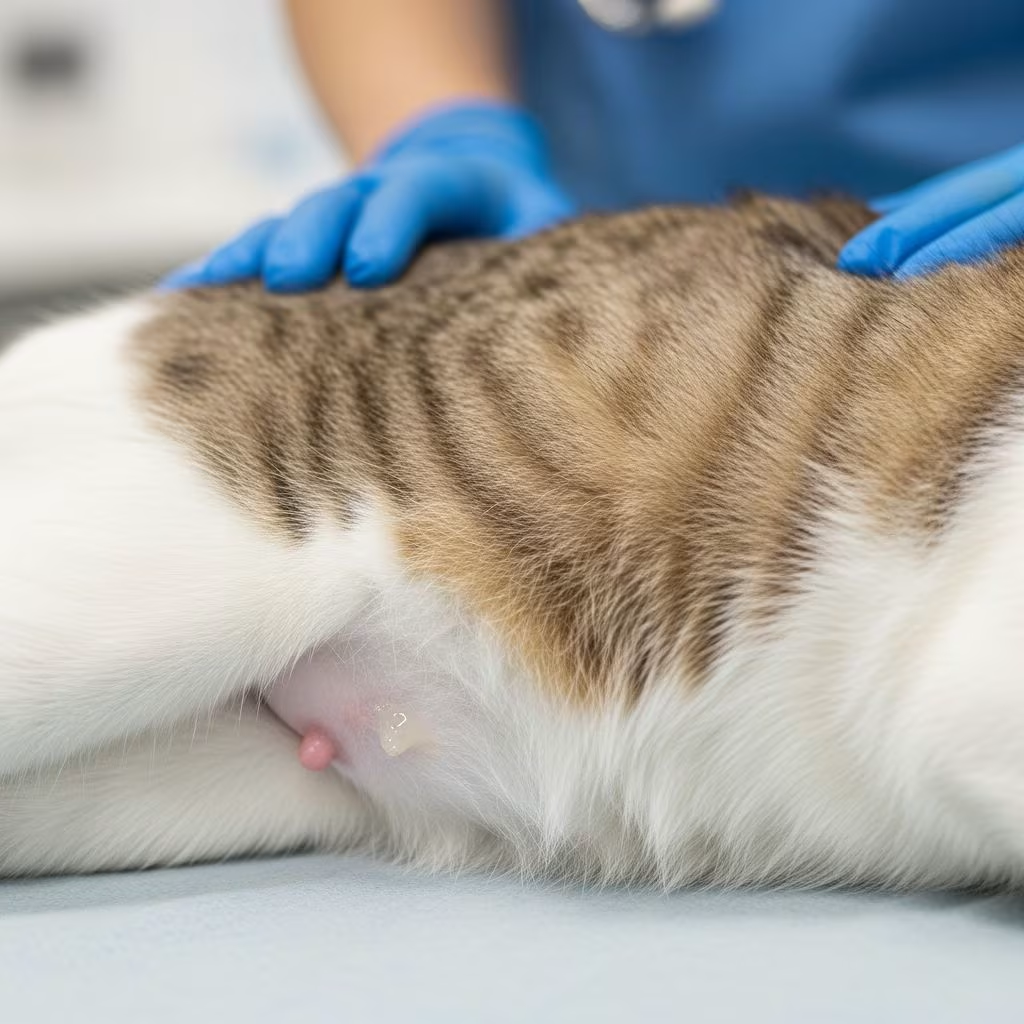
Vaginal discharge during cat pregnancy can range from a harmless physiological event to a signal of grave health issues. Knowing the difference helps cat owners protect their pets effectively.
Normal Physiological Discharges in Feline Pregnancy
During gestation, pregnant cats—often called queens—experience hormonal shifts that trigger certain vaginal secretions. A clear, mucus-like discharge resembling egg whites may appear near the end of pregnancy, signaling the expulsion of the uterine plug as labor approaches. This plug protects the developing kittens from external bacteria and is typically odorless and scant in volume.
Post-birth, a small amount of bloody or reddish discharge is common for a few days, representing lochia, the natural shedding of uterine tissues. This should diminish quickly without foul odors or excessive volume. Swollen vulva accompanied by clear mucous is also typical during late pregnancy as the body prepares for delivery.
These normal discharges are usually self-limiting and do not accompany systemic symptoms like lethargy or appetite loss. Monitoring ensures they stay within expected bounds.
Abnormal Discharges: When to Be Concerned
Any discharge deviating from clear, minimal, and odorless norms warrants attention, especially in pregnant cats. Pus-like, green, yellow, bloody, or foul-smelling secretions often indicate infection or complications. Thick, sticky mucus or blood-tinged pus can signal retained placentas, metritis, or emerging pyometra.
- Pus-filled discharge: Common in open-cervix pyometra, visible on fur or bedding despite grooming.
- Bloody discharge pre-labor: Dark, brown, green, or black hues before kittens arrive suggest distress.
- Excessive volume: Persistent or profuse flow disrupts normal behavior.
Pregnancy heightens vulnerability to uterine issues due to progesterone suppressing immune responses and promoting fluid accumulation.
Common Causes of Problematic Discharge
Several conditions can provoke abnormal vaginal discharge in gestating felines. Understanding these aids prompt intervention.
| Condition | Description | Risk Factors |
|---|---|---|
| Pyometra | Bacterial uterus infection causing pus buildup; open or closed cervix variants. | Unspayed, post-heat cycles, mid-age+ queens. |
| Postpartum Metritis | Uterine inflammation from retained tissues after birth. | Recent kittening, incomplete labor. |
| Vaginitis/Vaginosis | Vaginal inflammation or bacterial overgrowth. | Poor hygiene, obesity limiting grooming. |
| Trauma/Foreign Bodies | Injuries or objects causing irritation. | Mating trauma, accidents. |
| Tumors/Polyps | Growths secreting fluids. | Older unspayed cats. |
Pyometra stands out as a primary threat, stemming from cystic endometrial hyperplasia where repeated heats thicken the uterus, fostering bacterial havens. Pregnant cats face amplified risks if prior cycles went unmonitored.
Recognizing Accompanying Symptoms
Discharge rarely occurs alone; observe for clusters of signs indicating severity.
- Lethargy or depression, signaling systemic toxemia.
- Anorexia or vomiting from bacterial toxins.
- Excessive thirst/polydipsia and urination due to kidney strain.
- Fever, abdominal distension/pain.
- Behavioral shifts: hiding, grumpiness, scooting.
- Over-grooming or unkempt coat from discomfort.
In closed pyometra, no external discharge appears, but rapid decline with abdominal swelling demands immediate action. Early subtle signs like mild fatigue can escalate swiftly.
Veterinary Diagnosis Process
Professional evaluation is crucial for accurate diagnosis. Vets begin with history and physical exams, inspecting vulva, abdomen, and overall state.
- Vaginal cytology/swabs: Detect bacteria, inflammation, or hormonal status.
- Imaging: Ultrasound reveals uterine fluid, fetuses, or masses; X-rays assess pregnancy stage.
- Bloodwork: Checks white cells, toxins, organ function.
- Biopsy: For suspicious growths.
Early pyometra may mimic mild illness, but unspayed females with discharge prompt pyometra suspicion.
Treatment Approaches and Prognosis
Treatment hinges on diagnosis, pregnancy status, and severity. Pyometra often requires emergency spaying to excise the infected uterus, supplemented by IV fluids and antibiotics. Medical management suits select breeding cases but risks recurrence.
For metritis or infections, antibiotics and supportive care suffice if caught early. Prognosis excels with prompt care; delays in closed pyometra can prove fatal. Pregnant cats may need C-sections if fetuses are viable.
Home care post-treatment includes clean bedding, nutrition, and rest monitoring.
Prevention Strategies for Cat Owners
Spaying before first heat eliminates pyometra risk by preventing hormonal uterine changes. For breeders, vigilant heat cycle tracking, hygiene, and pre-breeding health checks minimize complications.
- Maintain optimal weight to enable grooming.
- Provide clean environments reducing infection vectors.
- Schedule regular vet visits during pregnancy.
Postpartum monitoring for 1-2 weeks catches issues early.
FAQs on Vaginal Discharge in Pregnant Cats
Is all vaginal discharge dangerous in pregnant cats?
No, clear mucus or slight bloody lochia post-birth is normal; foul or profuse types are not.
How quickly does pyometra progress?
Hours to days; closed cases decline fastest.
Can pregnant cats recover from pyometra without surgery?
Rarely; surgery offers best outcomes, potentially saving kittens if early.
What if my cat licks the discharge excessively?
May hide it but indicates irritation; check for redness or odor.
Should I breed a cat with prior discharge issues?
Consult vets; spaying often safer long-term.
Key Takeaways for Cat Owners
Daily checks of your pregnant cat’s rear, behavior, and appetite prevent oversights. Any abnormal discharge merits a vet call—better safe than facing emergencies. Spaying remains the gold standard for health.
References
- Vaginal Discharge in Cats – Symptoms, Causes, Diagnosis — WagWalking. 2023. https://wagwalking.com/cat/condition/vaginal-discharge
- Vaginal discharge in cats — Joii Pet Care. 2024. https://www.joiipetcare.com/blogs/health-symptoms/vaginal-discharge-in-cats
- Pyometra in Cats — VCA Animal Hospitals. 2023-10-01. https://vcahospitals.com/know-your-pet/pyometra-in-cats
- Pyometra in Cats: What Is It and How Do Vets Treat It? — PetMD. 2024. https://www.petmd.com/cat/conditions/reproductive/pyometra-cats-what-it-and-how-do-vets-treat-it
- Pyometra in Cats: Signs, Treatment, and When It’s an Emergency — GSVS. 2023. https://gsvs.org/blog/pyometra-in-cats-emergency/
- Cat Pregnancy — Lockwood Veterinary Group. 2024. https://veterinary.org.uk/care/pregnancy/cat-pregnancy



