Vaginal Discharge in Dogs: 6 Causes, Warning Signs & Care Guide
Discover the reasons behind vaginal discharge in female dogs, from normal cycles to serious infections, and learn how to spot issues early for timely care.
Vaginal Discharge in Dogs: A Comprehensive Guide for Pet Owners
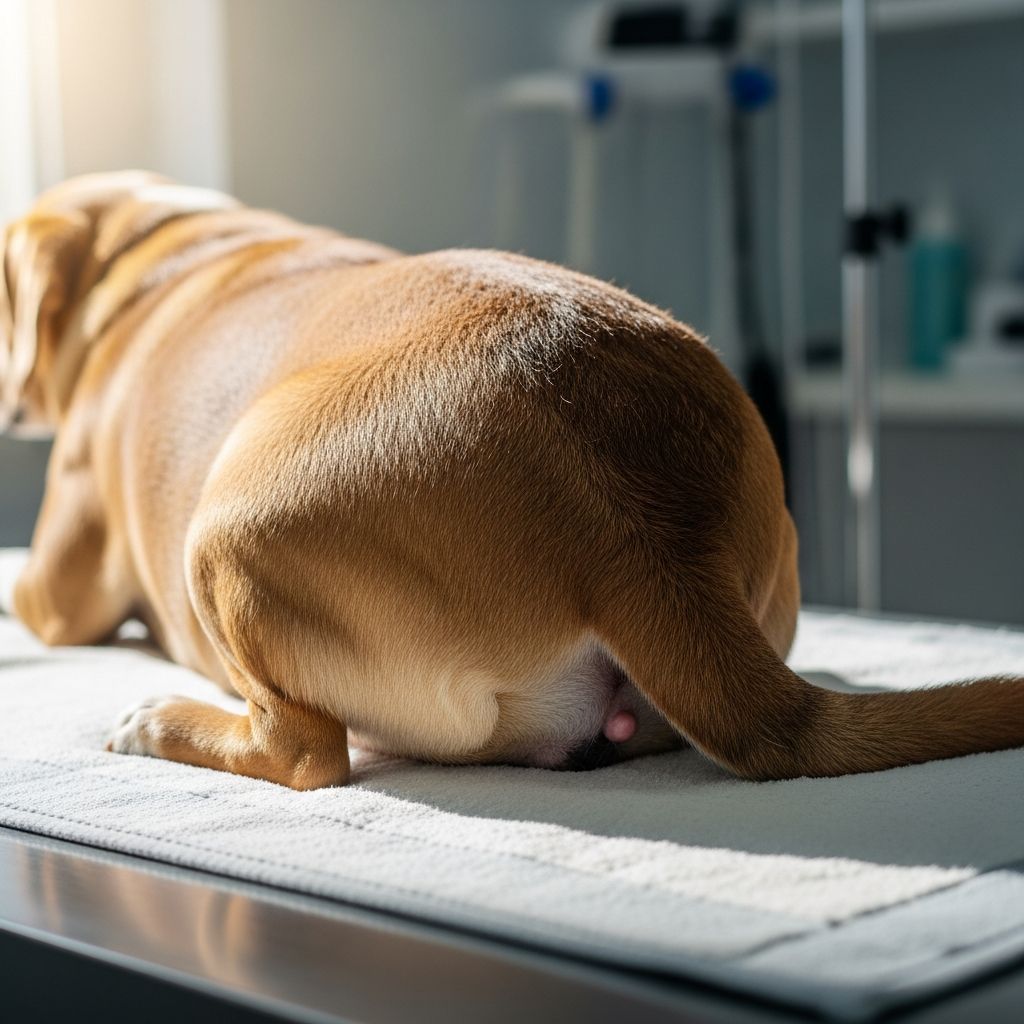
Vaginal discharge in female dogs is a frequent concern that can signal anything from routine physiological processes to urgent medical conditions. Understanding the differences between normal and abnormal discharge helps owners respond appropriately, potentially saving their pet’s life.
Normal vs. Abnormal Discharge: Key Differences
Healthy female dogs may produce small amounts of clear or slightly mucous-like discharge as part of their natural cleansing mechanism. During the estrus (heat) cycle, which occurs 1-3 times per year, bloody or pinkish discharge is typical and lasts about 2-3 weeks. This is a normal sign of fertility and does not require intervention unless excessive.
Abnormal discharge, however, demands attention. It often appears yellow, green, brown, or pus-filled, accompanied by a foul odor, indicating infection or inflammation. Persistent discharge outside heat cycles, especially with swelling, lethargy, or behavioral changes, points to underlying issues.
- Normal discharge: Clear, minimal, tied to heat cycles.
- Abnormal discharge: Colored (yellow/green/brown), odorous, ongoing, with additional symptoms.
Common Causes of Vaginal Discharge
Several factors contribute to vaginal discharge in dogs. Identifying the root cause is essential for effective management.
1. Infections: Bacterial, Yeast, and Fungal
Bacterial infections, such as those caused by E. coli, Streptococcus, or Staphylococcus, are primary culprits. These lead to inflammation and discharge that may be thick, yellow, or green with a strong smell. Yeast or fungal infections like Candida thrive in imbalanced environments, often in dogs with weakened immunity. Poor hygiene or hormonal shifts exacerbate these issues.
2. Vaginitis in Puppies and Adults
Vaginitis involves vaginal inflammation and affects puppies before their first heat (puppy vaginitis) or adults due to infections, foreign objects, or anatomical issues like recessed vulvas. Symptoms include cloudy or bloody discharge, excessive licking, and frequent urination. Puppy cases often resolve naturally post-maturity, but adults need targeted treatment.
3. Pyometra: A Life-Threatening Uterine Infection
Pyometra strikes unspayed females, filling the uterus with pus. Discharge is typically white, yellow, or green; dogs show lethargy, vomiting, increased thirst, and abdominal swelling. This emergency requires immediate surgery (ovariohysterectomy) as mortality rises without intervention[10].
4. Heat Cycles and Hormonal Fluctuations
Beyond normal bloody discharge, hormonal imbalances from cystic ovaries or adrenal disorders can cause irregular flows. Post-spay hormonal remnants may also trigger issues in some dogs.
5. Trauma, Foreign Bodies, and Tumors
Curious dogs may introduce grass or sticks into the vagina, causing irritation and discharge. Trauma from mating or injuries leads to bloody flows. Tumors, benign or malignant, in the reproductive tract produce abnormal secretions.
6. Other Contributors: UTI and Postpartum
Urinary tract infections mimic vaginal discharge with cloudy urine mixing in. After whelping, lochia (post-birth discharge) is normal for weeks but turns foul if infected.
| Cause | Typical Discharge | Associated Symptoms |
|---|---|---|
| Bacterial Infection | Yellow/green, odorous | Itching, redness, licking |
| Pyometra | Pus-filled (white/yellow) | Lethargy, vomiting, thirst |
| Vaginitis (Puppy) | Clear/cloudy | Swelling, frequent urination |
| Heat Cycle | Bloody/pink | None (normal behavior) |
| Foreign Body | Bloody/mucousy | Discomfort, straining |
Recognizing Warning Signs
Monitor for these red flags:
- Foul-smelling or colored discharge persisting beyond heat.
- Swollen vulva with redness or heat.
- Excessive genital licking or scooting.
- Behavioral shifts: lethargy, appetite loss, vomiting.
- Abdominal pain, distension, or increased drinking/urination.
- Straining to urinate or defecate.
Early detection prevents complications like sepsis from pyometra or chronic infections.
Diagnostic Approaches
Veterinarians start with a physical exam, including vulvar inspection and digital vaginal palpation. Key tests include:
- Cytology/swabs: Microscopic analysis of discharge for bacteria, yeast, or cells.
- Culture/sensitivity: Identifies specific pathogens and effective antibiotics.
- Ultrasound/X-rays: Detects uterine fluid (pyometra), tumors, or foreign bodies.
- Bloodwork: Checks for infection markers, hormone levels, or systemic illness.
- Urinalysis: Rules out UTIs.
Accurate diagnosis tailors treatment, improving outcomes.
Treatment Strategies
Treatments vary by cause:
- Infections: Antibiotics (e.g., for bacteria) or antifungals (topical/oral) for yeast. Vaginal douches with chlorhexidine may flush debris.
- Vaginitis: Often resolves in puppies; adults get meds or surgery for anatomical fixes.
- Pyometra: Emergency spay; medical management rare and risky.
- Foreign bodies: Manual/surgical removal under sedation.
- Hormonal/Tumors: Spaying or tumor excision.
Supportive care includes pain relief, fluids, and hygiene advice. Spaying prevents recurrence in most cases.
Prevention and Home Care Tips
Proactive steps reduce risks:
- Spay before first heat to avoid pyometra (90% risk reduction).
- Maintain hygiene: Gentle wipes, keep rear clean.
- Regular vet check-ups, especially for unspayed females.
- Monitor heat cycles and post-whelping discharge.
- Control obesity/diabetes to bolster immunity.
Avoid home remedies like human douches, which disrupt pH. Consult vets promptly.
When to Rush to the Vet
Seek immediate care if discharge is pus-like with systemic signs (lethargy, fever) or persists >2-3 weeks. Pyometra can kill within days.
Frequently Asked Questions (FAQs)
Is vaginal discharge normal in spayed dogs?
Rarely; it may indicate vaginitis, UTI, or tumors. Vet evaluation needed.
How long is postpartum discharge normal?
Up to 3-6 weeks; foul smell signals metritis.
Can diet cause vaginal discharge?
Indirectly via obesity weakening immunity; focus on balanced nutrition.
Does puppy vaginitis need antibiotics?
Often not; cleans with maturity, but test for infections.
What’s the pyometra survival rate post-surgery?
High (90%+) if caught early.
This guide empowers owners to safeguard their dogs’ health. Always prioritize professional veterinary advice for personalized care.
References
- Understanding Vaginal Discharge in Dogs: Causes, Symptoms, and Treatment — Noah Vets. 2023. https://www.noahvets.com/understanding-vaginal-discharge-in-dogs-causes-symptoms-and-treatment/
- Vaginitis in Dogs: Causes, Symptoms, and Treatment — PetCareRx. 2023. https://www.petcarerx.com/article/vaginitis-in-dogs-causes-symptoms-and-treatment/6632
- Swollen Vulva in Dogs: Causes and Treatment — Veteris. 2024. https://veteris.co.uk/petcare-advice/swollen-vulva-in-dogs-causes-and-treatment
- Vaginal Discharge in Dogs — My Corner Vet. 2023. https://www.mycornervet.com.au/vaginal-discharge-in-dogs
- Vaginal Discharge in Dogs: US Pet Owners Guide — Cain Hoy Veterinary Hospital. 2024. https://www.cainhoyvet.com/vaginal-discharge-in-dogs-us-pet-owners-guide/
- Pyometra — Cornell University College of Veterinary Medicine. 2025-01-15. https://www.vet.cornell.edu/departments-centers-and-institutes/riney-canine-health-center/canine-health-topics/pyometra
Similar Articles




Read full bio of Sneha Tete