

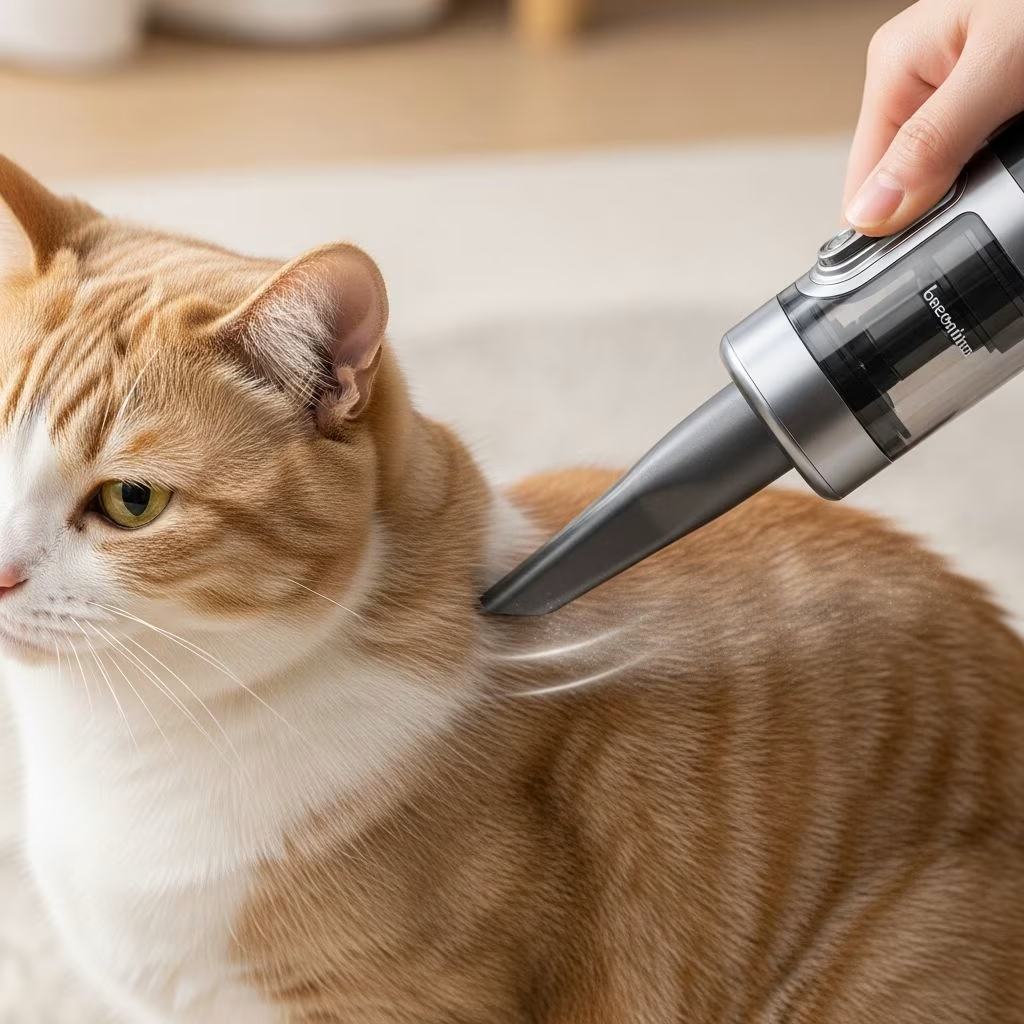
Fleas pose a significant threat to cats, causing itching, allergies, and potential disease transmission. Vacuuming serves as a primary, chemical-free method to combat these pests directly on pets and throughout the living environment, with studies showing up to 96% mortality in adult fleas and 100% in immature stages upon suction.
The Flea Life Cycle: Why Vacuuming Targets Every Stage
Understanding flea biology is essential for effective control. Cat fleas (*Ctenocephalides felis*) progress through four stages: egg, larva, pupa, and adult. Adults live on the host, feeding on blood and laying eggs that fall into the environment. Eggs hatch into larvae that feed on organic debris, then form pupae in protective cocoons, emerging as adults when stimulated by heat, vibration, or carbon dioxide.
Vacuuming disrupts this cycle comprehensively:
- Eggs: Easily dislodged from fur, carpets, and upholstery by suction.
- Larvae: Pulled from hidden spots like cracks and pet bedding, often crushed in the process.
- Pupae: Vibrations prompt premature emergence, making them vulnerable.
- Adults: Physically removed and damaged by brushes and airflow.
This multi-stage attack prevents population rebound, as a single female can produce thousands of offspring in her lifetime without intervention.
Scientific Evidence on Vacuuming’s Lethal Power
Research from Ohio State University confirms vacuuming’s efficacy. In controlled tests on cat fleas, adult fleas suffered 96% mortality on average across six trials, while larvae and pupae achieved 100% kill rates. The mechanism involves mechanical damage: vacuum brushes abrade the flea’s waxy cuticle, leading to dehydration, combined with high-speed air currents and impacts from fans.
Experts note that vacuum type matters little; the physical forces prove universally destructive. “No matter what vacuum a flea gets sucked into, it’s probably a one-way trip,” states entomologist Glen Needham. Follow-up tests ruled out toxicity from vacuum bags, attributing death solely to trauma.
Safe Vacuuming Techniques for Cats and Home
Directly vacuuming a cat requires gentleness to avoid stress or injury. Use a soft brush attachment on low suction, starting at the tail and working forward against the fur grain. Focus on the neck, belly, and base of tail where fleas congregate. Sessions should last 5-10 minutes daily during infestations, rewarding the cat with treats to build positive associations.
| Area | Frequency | Tips |
|---|---|---|
| Cat Fur | Daily | Low suction, soft brush; hold skin taut. |
| Carpets & Rugs | Daily | Slow passes; overlap strokes. |
| Furniture & Upholstery | Daily | Crevice tool for edges; flip cushions. |
| Pet Bedding | After each vacuum | Wash in hot water (>60°C). |
For the home, vacuum thoroughly: carpets, under furniture, baseboards, and floors. Empty the canister or bag immediately into a sealed outdoor bin to prevent escape. Robot vacuums offer convenience with scheduled runs, but require prompt emptying to avoid flea survival.
Maximizing Results: Frequency and Consistency
Daily vacuuming for 3-6 weeks breaks the flea cycle, as pupae can remain dormant for months. Initial passes remove visible adults, while ongoing efforts target emerging pupae stimulated by vibrations. Consistency reduces populations faster than sporadic cleaning.
Combine with washing all pet bedding, throws, and human linens in hot water weekly. This removes eggs and larvae embedded in fabrics.
Limitations of Vacuuming Alone
While powerful, vacuuming isn’t a standalone solution. Pupae cocoons resist suction, and not all fleas contact the vacuum. Adult fleas on cats may jump away. Integrate with veterinary-approved treatments like topical spot-ons or oral preventatives for comprehensive control.
Avoid over-reliance during heavy infestations; professional pest services may be needed if vacuuming alone fails after two weeks.
Preventing Flea Reinfestation on Cats
Proactive measures keep fleas at bay:
- Year-round flea preventatives prescribed by vets.
- Regular grooming with flea combs.
- Lawn maintenance to reduce outdoor reservoirs.
- Inspect visiting pets or wildlife.
Monitor for signs: excessive scratching, flea dirt (black specks turning red with water), or pale skin patches from allergies.
Health Risks of Fleas and Urgency of Action
Fleas transmit tapeworms, Bartonella (cat scratch disease), and rarely plague. Cat flea allergy dermatitis causes severe itching and hair loss. Prompt vacuuming minimizes these risks while awaiting treatments to take effect.
FAQ
Can I vacuum my cat daily?
Yes, with a soft attachment and low power to prevent skin irritation. Limit to 10 minutes and watch for stress.
Does vacuuming kill flea eggs on cats?
Suction removes eggs from fur effectively, though some may remain in the environment.
How long until vacuuming eliminates fleas?
Expect noticeable reduction in 1-2 weeks with daily sessions; full cycle disruption takes 4-6 weeks.
Is a robot vacuum effective against fleas?
Yes, for floors and rugs, but empty frequently and clean brushes to kill fleas.
Should I vacuum after flea treatment?
Absolutely; it removes dead fleas, eggs, and stimulates pupae for better efficacy.
Advanced Strategies for Stubborn Infestations
For persistent cases, employ integrated pest management (IPM):
- Assess infestation level via flea comb counts.
- Treat pet with vet-recommended insecticide.
- Vacuum rigorously to expose hidden stages.
- Apply environmental sprays to cracks (pet-safe formulas).
- Repeat monitoring and vacuuming.
Steam cleaning carpets kills additional eggs and larvae via heat, complementing vacuuming.
References
- Cat Fleas’ Journey Into The Vacuum Is A ‘One-way Trip’ — Ohio State University. 2007-12-17. https://www.sciencedaily.com/releases/2007/12/071217111010.htm
- Vacuuming Fleas: Can You Do It & Will It Kill Them? — Ecovacs. N/A. https://www.ecovacs.com/us/blog/can-you-vacuum-fleas
- Why the vacuum cleaner is your best weapon against fleas — British Pest Control Association (BPCA). N/A. https://bpca.org.uk/news-and-blog/is-the-vacuum-cleaner-is-your-best-weapon-against-fleas–bpca



