

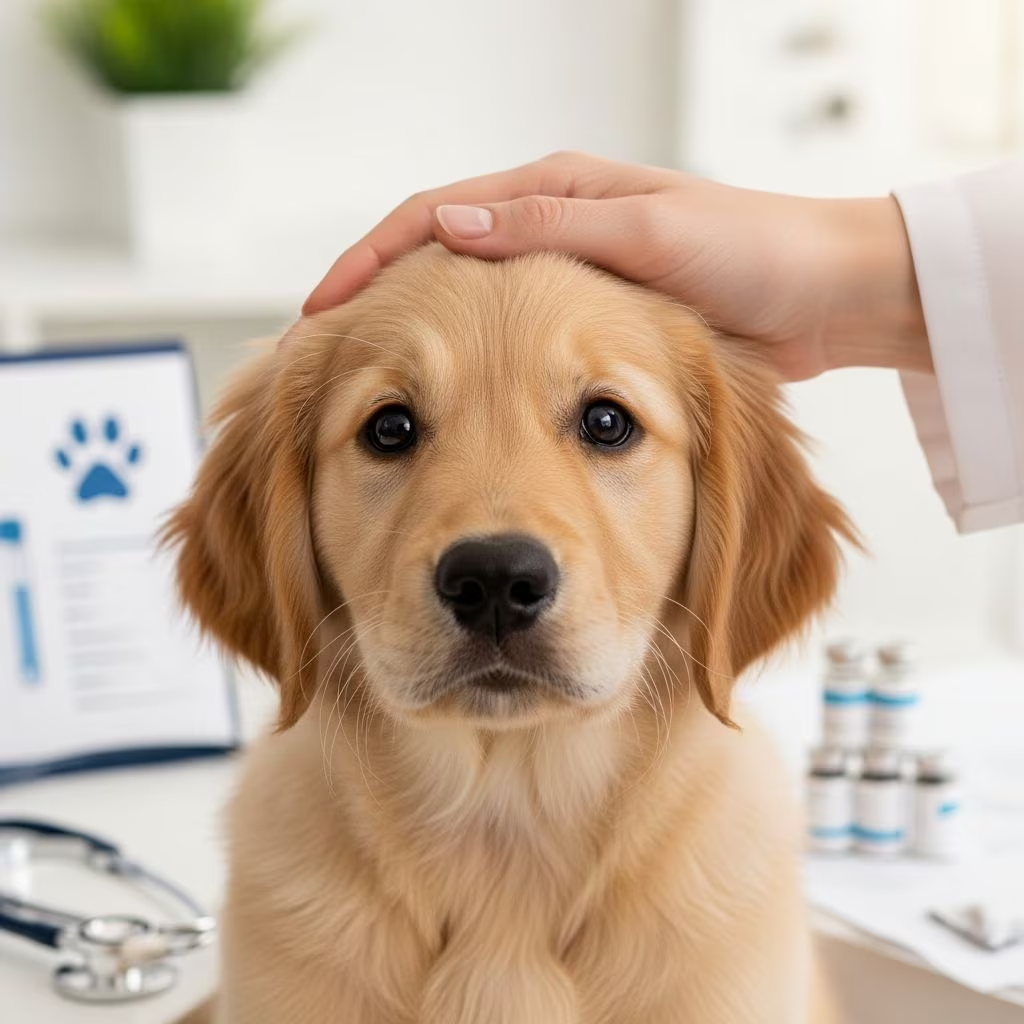
Vaccines for Dogs: Complete Guide to Canine Immunization
Vaccinating your dog is one of the most important steps you can take to ensure a long, healthy life. Vaccines work by stimulating your dog’s immune system to recognize and fight specific diseases before they ever become a threat. Understanding which vaccines your dog needs, when they should receive them, and how they work is essential for any responsible pet owner.
What Are Vaccines and How Do They Work?
Vaccines contain weakened or inactive forms of disease-causing organisms that train your dog’s immune system to identify and combat actual pathogens. When your dog receives a vaccine, their body develops antibodies and cellular immunity without experiencing the full effects of the disease. This means that if your dog encounters the actual disease in the future, their immune system is already prepared to fight it off effectively.
Core Vaccines: Essential Protection for All Dogs
Core vaccines are those recommended for all dogs regardless of their lifestyle or geographic location. These vaccines protect against serious, potentially life-threatening diseases. The American Animal Hospital Association (AAHA) recommends that all puppies and dogs receive the following core vaccines:
Core Vaccine Components
– Canine adenovirus-2 (hepatitis)- Canine distemper virus- Canine parainfluenza virus- Canine parvovirus- Leptospira (leptospirosis)- Rabies virus
Many of these vaccines are combined into a single injection for convenience and to minimize the number of shots your puppy receives. The combination vaccine commonly referred to as DAPPV includes distemper, adenovirus, parainfluenza, and parvovirus.
Understanding Individual Core Vaccines
Distemper, Hepatitis, and Parvovirus: These three serious diseases are typically included in one injection. Distemper is a highly contagious viral disease that affects the respiratory, gastrointestinal, and nervous systems. Hepatitis causes inflammation of the liver, while parvovirus is extremely dangerous to puppies and unvaccinated dogs, causing severe vomiting, diarrhea, and dehydration.
Leptospirosis: This vaccine protects against a bacterial disease that can cause kidney and liver failure in dogs and can also be transmitted to humans. Leptospirosis vaccination is critical for all dogs and requires annual boosters. The vaccine protects against four serovars: Grippotyphosa, Pomona, Canicola, and Icterohaemorrhagiae.
Rabies: Rabies vaccination is not only recommended but legally required in most jurisdictions by a certain age. According to California state law, all dogs must receive a rabies vaccine by four months of age, with the minimum age being 12 weeks. This vaccine is critical because rabies is almost always fatal once clinical signs appear.
Non-Core Vaccines: Additional Protection Based on Lifestyle
Non-core vaccines are recommended based on a dog’s individual risk factors, lifestyle, and geographic location. These vaccines protect against diseases that may not be present everywhere or that primarily affect dogs with specific exposure risks.
Common Non-Core Vaccines
Bordetella and Parainfluenza (CIRDC): The Canine Infectious Respiratory Disease Complex (CIRDC) vaccine protects against kennel cough, a highly contagious respiratory condition. This vaccine is especially important for dogs that will be boarded, visit daycare facilities, or spend time in environments with high concentrations of other dogs. The intranasal version is preferred as it confers rapid immunity within 72 hours. Annual boosters are recommended for dogs with ongoing exposure risk.
Canine Influenza: The canine influenza vaccine is recommended for dogs in high-risk situations such as daycare, boarding facilities, or areas with known outbreaks. If your puppy receives this vaccine during their early vaccination series, they should get two doses spaced 2 to 4 weeks apart, followed by annual boosters if they remain at risk.
Lyme Disease: The Lyme vaccine is recommended for dogs living in or visiting areas with known Lyme disease cases. Puppies in endemic areas should complete the series before six months of age, with two doses given three weeks apart, followed by annual boosters.
Puppy Vaccination Schedule
Getting your puppy’s vaccination schedule right is crucial for establishing lifelong immunity. The timing of vaccinations is important because maternal antibodies can interfere with vaccine effectiveness in young puppies.
Initial Puppy Series
Distemper, hepatitis, and parvovirus vaccinations typically begin when puppies are between 6 and 8 weeks old. These injections are given at least three times, spaced approximately 3-4 weeks apart, and should finish at or after 16 weeks of age. For dogs older than 16 weeks receiving their first vaccinations, two doses given 3-4 weeks apart are recommended.
Leptospirosis vaccination may be combined with the distemper, hepatitis, and parvovirus vaccine in the same injection or given separately in two doses spaced 3-4 weeks apart. The rabies vaccine is typically administered at 12 to 16 weeks of age.
Booster Vaccinations During Puppyhood
Your puppy should receive the DAPPV vaccine again approximately one year after finishing the initial puppy series, likely when your puppy is around 16 to 20 months old. Additionally, an extra vaccine may be recommended at 6 months of age to immunize puppies that still had maternal antibody interference at 16-18 weeks.
Adult Dog Vaccination Schedule
Once your dog completes their initial vaccination series and boosters, vaccination frequency changes based on the specific vaccine and your dog’s individual needs.
Core Vaccine Boosters for Adults
Because adult dogs who have been previously vaccinated develop long-lasting immunity, core vaccines are recommended every three years (triennially) from that point onward. This includes DAPPV and rabies vaccines given with products approved for three-year administration.
However, leptospirosis remains an exception to this rule. We recommend annual vaccination of all dogs with vaccines containing the four Leptospira serovars. This is because immunity to leptospirosis is not as long-lasting as immunity to other core diseases, making annual boosters essential for continuous protection.
Non-Core Vaccine Boosters for Adults
Non-core vaccines follow different schedules depending on the vaccine and your dog’s risk level. The CIRDC vaccine requires annual boosters for dogs with ongoing exposure risk. If your dog will be boarding and is not up to date on their CIRDC vaccine, they should receive the intranasal vaccine at least 72 hours prior to boarding. Canine influenza and Lyme vaccines, if needed, are due one year after finishing the original series and then annually thereafter.
How Are Vaccines Administered to Dogs?
Vaccines can be administered through different routes depending on the specific vaccine and the immunity response required. Understanding how vaccines are given can help you know what to expect during your dog’s appointment.
Vaccination Routes
Some vaccines are given locally, such as intranasal vaccines administered into the nose, but most are injected to achieve maximum stimulation of the immune system. Injected vaccines can be administered either subcutaneously (just under the skin) or intramuscularly (into the muscle). Your veterinarian will determine the appropriate administration route for each vaccine.
Combination Vaccines
Vaccines are often available in combinations that can be given in a single dose. Combination vaccines are convenient and help avoid extra injections for your dog. Your veterinarian will advise you on the appropriate vaccines for your dog based on their individual risk factors and lifestyle.
Vaccination Recommendations Based on Lifestyle
Your dog’s specific vaccination needs may vary based on their lifestyle and activities. Dogs with different levels of social interaction and travel may require different non-core vaccines.
Indoor Dogs
Dogs that spend most of their time indoors and have minimal exposure to other animals may only require core vaccines. However, they should still receive annual leptospirosis vaccines as this disease can be contracted through contact with contaminated water or soil.
Active and Social Dogs
Dogs that regularly visit parks, attend daycare, go on playdates, or participate in dog sports should receive non-core vaccines such as CIRDC, canine influenza, and potentially Lyme vaccines depending on geographic location.
Traveling Dogs
Dogs that travel frequently or visit different regions should discuss additional vaccine requirements with their veterinarian, as disease prevalence varies by geographic location.
Special Considerations for Vaccination
Certain situations may affect your dog’s vaccination needs or timing. Adult dogs with unknown vaccination history should receive a single dose of rabies vaccine. Your veterinarian can perform a vaccine titer test to determine if your dog has immunity to specific diseases, which can help guide revaccination decisions in some cases.
On years when DAPPV is due, a combination product containing both DAPPV and leptospirosis can be given as one injection, reducing the number of separate vaccinations your dog receives.
Frequently Asked Questions About Dog Vaccines
Q: At what age should my puppy start receiving vaccines?
A: Puppies should begin their vaccination series between 6 and 8 weeks of age. The initial series consists of multiple injections spaced 3-4 weeks apart, finishing at or after 16 weeks of age.
Q: How often does my adult dog need vaccinations?
A: Core vaccines like DAPPV and rabies are recommended every three years after the initial series. However, leptospirosis requires annual vaccination for all dogs, and non-core vaccines depend on your dog’s lifestyle and risk factors.
Q: Are combination vaccines safe for my dog?
A: Yes, combination vaccines are safe and convenient. They contain the same antigens as individual vaccines but reduce the number of injections your dog needs to receive.
Q: Can my dog have a reaction to vaccines?
A: Mild reactions such as slight letharness or soreness at the injection site can occur. Serious reactions are rare but should be reported to your veterinarian immediately.
Q: Is the rabies vaccine required by law?
A: Yes, in most jurisdictions including California, dogs must receive a rabies vaccine by four months of age. Requirements may vary by location, so check with your local veterinarian or animal control.
Q: Does my indoor dog need non-core vaccines?
A: Indoor dogs primarily need core vaccines. However, if they ever visit parks, doggy daycare, or travel, non-core vaccines like CIRDC or canine influenza may be beneficial. Consult your veterinarian about your dog’s individual risk factors.
Q: What should I do if I’m unsure about my dog’s vaccination history?
A: If your dog’s vaccination history is unknown, your veterinarian may recommend starting a new vaccination series or performing titer tests to determine immunity levels. Adult dogs with unknown history should receive at least one dose of rabies vaccine.
Working with Your Veterinarian
Your veterinarian is your best resource for determining which vaccines your dog needs. They will assess your dog’s individual risk factors, lifestyle, age, and health status to create a personalized vaccination plan. Regular veterinary visits allow your veterinarian to monitor your dog’s health and adjust vaccination recommendations as needed.
Keep detailed records of your dog’s vaccinations, including the date administered, vaccine type, and lot number. This information is essential for boarding facilities, travel, and future veterinary care.
References
- Vaccination Guidelines for Dogs and Cats — UC Davis School of Veterinary Medicine. 2024. https://healthtopics.vetmed.ucdavis.edu/health-topics/feline/vaccination-guidelines-dogs-and-cats
- Puppy Vaccine Schedule — VCA Animal Hospitals. 2024. https://vcahospitals.com/pediatric/puppy/health-wellness/puppy-vaccine-schedule
- Vaccines for Dogs — VCA Animal Hospitals. 2024. https://vcahospitals.com/know-your-pet/vaccines-for-dogs
- 2022 AAHA Canine Vaccination Guidelines — American Animal Hospital Association. 2022. https://www.aaha.org/resources/2022-aaha-canine-vaccination-guidelines/
- Puppy Vaccination Needs Into Adulthood — VCA Animal Hospitals. 2024. https://vcahospitals.com/pediatric/puppy/health-wellness/puppy-vaccinations



