Vaccines for Cats: Complete Guide to Feline Immunization
Protect your feline friend: Essential vaccines, schedules, and immunization guidelines for cats.
Understanding Vaccines for Cats
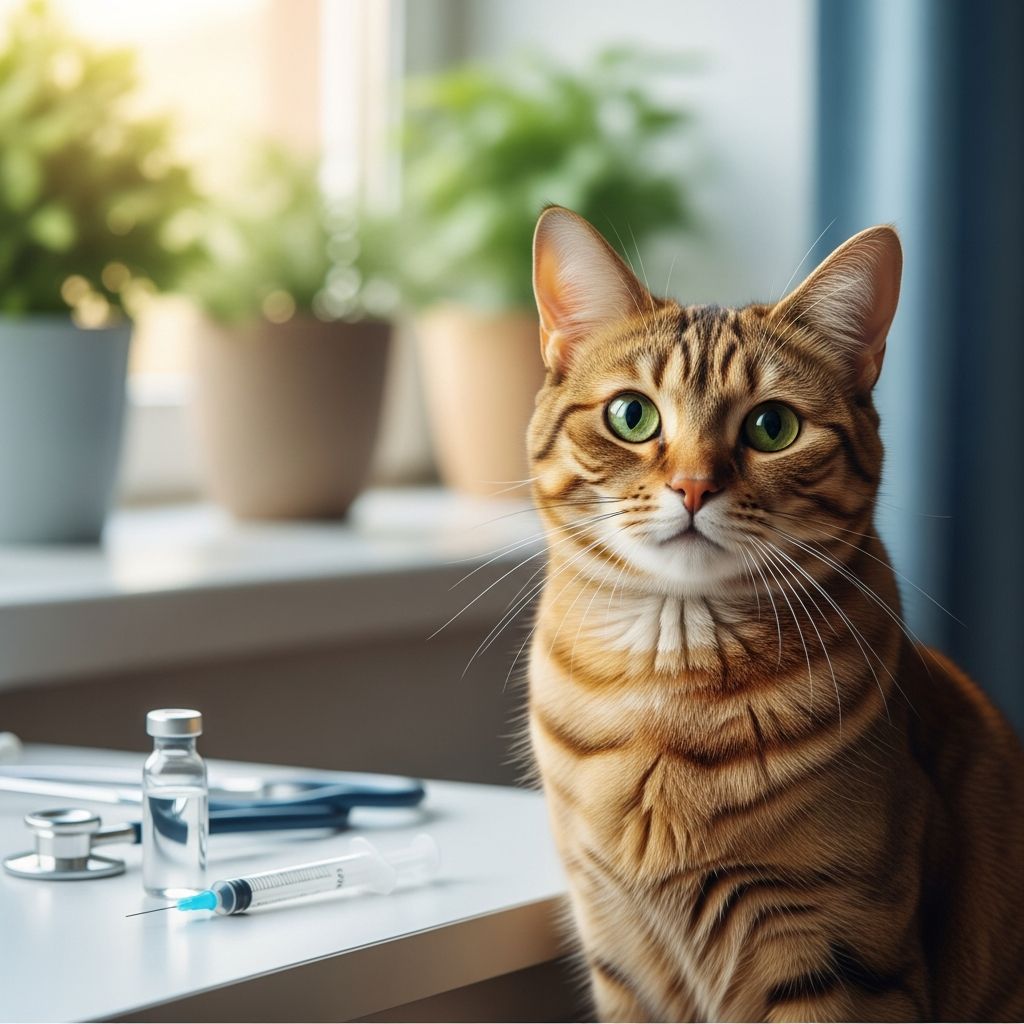
Vaccination is one of the most important preventive health measures you can provide for your feline companion. Vaccines work by stimulating your cat’s immune system to recognize and fight off dangerous pathogens before they cause illness. Whether you have a kitten or an adult cat, understanding the vaccination requirements and schedule is essential for maintaining your pet’s long-term health and well-being.
Cats face exposure to various infectious diseases throughout their lives, and vaccines play a crucial role in protecting them. The vaccination needs of your cat may vary depending on age, lifestyle, health status, and risk factors. By working closely with your veterinarian, you can develop a personalized vaccination plan that ensures your cat receives appropriate protection against serious feline diseases.
Core Vaccines Recommended for All Cats
The Feline Veterinary Medical Association (FelineVMA) and the American Animal Hospital Association (AAHA) have identified core vaccines that are recommended for all kittens and cats. These vaccines protect against diseases that pose significant health risks and are considered essential regardless of a cat’s lifestyle or environment.
The following core vaccines are currently recommended for all cats:
- Feline Viral Rhinotracheitis (FHV-1) — Also known as herpes virus type 1, this vaccine protects against a highly contagious upper respiratory infection
- Feline Calicivirus — Another common respiratory pathogen that causes upper respiratory disease in cats
- Feline Panleukopenia Virus (FPV) — A severe and often fatal viral disease that affects the gastrointestinal and immune systems
- Rabies Virus — A fatal disease with no treatment or cure, rabies poses a threat to both cats and humans
- Feline Leukemia Virus (FeLV) — Considered a core vaccine for kittens and one-year-old cats, this virus is a major cause of disease and death in cats
These five vaccines represent the minimum protection every cat should receive. The combination vaccine known as FVRCP covers the first three diseases (feline viral rhinotracheitis, calicivirus, and panleukopenia) and is commonly administered together. Rabies and FeLV vaccines are typically given separately.
Non-Core Vaccines for Cats
In addition to core vaccines, your veterinarian may recommend non-core or optional vaccines based on your cat’s individual risk factors and lifestyle. These vaccines are not recommended for all cats but may be appropriate for certain individuals with specific exposures or risk levels.
Non-core vaccines for cats include:
- Chlamydia felis — Recommended for cats with exposure risk to this bacterial infection, particularly those in multi-cat environments
- Bordetella bronchiseptica — Useful for cats with high exposure risk to this respiratory pathogen, especially those in boarding facilities or shelters
- Feline Immunodeficiency Virus (FIV) — Recommended only for kittens at high risk of contracting this virus through bite wounds; cats should be tested before vaccination
Your veterinarian will assess your cat’s lifestyle, environment, and risk factors to determine which non-core vaccines may be beneficial. Indoor cats with minimal exposure risks may not need these additional vaccines, while outdoor cats or those in high-risk environments may benefit from broader protection.
Kitten Vaccination Schedule
Proper timing of vaccinations during the kitten stage is critical for establishing strong, lasting immunity. Kittens receive antibodies from their mother’s milk that provide temporary protection, but these maternal antibodies gradually decline over time. The vaccination schedule is designed to vaccinate your kitten after maternal immunity has waned but before she is exposed to infectious diseases.
The recommended kitten vaccination schedule is as follows:
- 6-8 weeks of age — First FVRCP vaccination
- 9-11 weeks of age — Second FVRCP vaccination; optional FeLV vaccination may begin
- 12-14 weeks of age — Third FVRCP vaccination; FeLV booster if started earlier
- 15-17 weeks of age — Fourth FVRCP vaccination and first Rabies vaccination; optional FIV booster if being vaccinated
- 1 year of age — Booster vaccinations for FVRCP and Rabies; FeLV booster if vaccination series was completed
Vaccination boosters should be given every three to four weeks until the kitten is 16-20 weeks of age. This series of vaccinations at specific intervals increases the odds of stimulating active immunity, as the goal is to vaccinate during the critical window that occurs after the kitten loses maternal immunity and before exposure to infectious diseases.
For kittens older than 16 weeks of age at first vaccination, two doses of vaccine containing modified live virus (MLV) FHV1, FCV, and FPV given 3-4 weeks apart are recommended, even though a single vaccination is sufficient to induce immunity. An additional vaccine should be given at 6 months of age to immunize any kitten that still had maternal antibodies at 16 weeks of age.
Vaccination Schedule for Adult Cats
Once your kitten has completed the initial vaccination series, adult cats require periodic booster vaccinations to maintain immunity. The frequency of boosters depends on your cat’s lifestyle, risk factors, and the specific vaccines used.
Most adult cats that received the complete booster series of vaccines as kittens should be revaccinated one year later and then every one to three years based on a lifestyle risk assessment. Currently, the Feline Veterinary Medical Association (FelineVMA) vaccination guidelines recommend that low-risk adult cats who receive the complete booster series of vaccines as kittens, and again one year later, can be vaccinated every three years thereafter for the core vaccines (feline viral rhinotracheitis, feline calicivirus, feline panleukopenia, and rabies).
However, high-risk cats—those with outdoor access, exposure to other cats, or frequent boarding—may require more frequent boosters. Your veterinarian can discuss whether annual boosters are beneficial for your cat’s specific situation.
For Feline Leukemia Virus (FeLV), the recommendations differ slightly. While FeLV is considered a core vaccine for kittens, adult cats receive boosters on an as-needed basis depending on risk. For cats at higher risk of exposure, particularly those spending time outdoors, 2-yearly boosters are recommended after the initial vaccination series.
Vaccination Administration Methods
Vaccines for cats are administered through various methods depending on the type of vaccine and the immune response required. Understanding how vaccines are given can help you prepare your cat for vaccination appointments.
The primary administration methods include:
- Subcutaneous Injection — Administered just under the skin, this is the most common method for most feline vaccines. These injections stimulate the immune system effectively and are relatively quick to administer.
- Intramuscular Injection — Given directly into muscle tissue, this method is used for certain vaccines when deeper penetration is desired for optimal immune response.
- Intranasal Administration — Some vaccines, such as those for certain respiratory pathogens, are given locally into the nose rather than by injection. This method can stimulate localized immune responses in the respiratory tract.
Many vaccines are available in combination formulations that can be given in a single dose, which is convenient and reduces the number of injections your cat receives during each veterinary visit. Your veterinarian will advise you on the most appropriate administration method and vaccine combinations based on your cat’s specific needs.
To minimize the risk of injection-site complications, rabies vaccines are administered subcutaneously as distally as possible in the right pelvic limb, while FeLV vaccines are administered subcutaneously as distally as possible in the left pelvic limb. FVRCP vaccines are typically administered on the right thoracic limb as distally as possible.
Vaccination Considerations for Indoor Cats
Indoor cats face different risk exposures than outdoor cats, which affects their vaccination needs. However, even strictly indoor cats require core vaccinations. The key is to work with your veterinarian to determine which vaccines are necessary based on your specific living situation and lifestyle.
All cats—indoor cats, too—should be vaccinated according to recommended schedules outlined by veterinary organizations. Indoor cats should receive:
- Distemper, rhinotracheitis, and calicivirus (FVRCP) — Given at 8-10 weeks, 12-14 weeks, and 16-18 weeks of age in the kitten series, with a booster about one year later and then every three years
- Feline Leukemia Virus (FeLV) — Given as part of the kitten series at 12-14 weeks and again at 16-18 weeks, then based on risk assessment
- Rabies — Given once kittens are 12 weeks of age and every three years thereafter
When considering FeLV vaccination for indoor cats, it is important to consider all the cats in the household. If you have more than one cat and one of them spends time outdoors, that cat could potentially become a carrier and transport FeLV indoors, exposing strictly indoor cats. In such situations, vaccination may be recommended for all cats in the household regardless of their indoor status.
Booster Vaccines: Are They Necessary?
Booster vaccinations are an essential part of maintaining your cat’s immunity over time. While not all vaccines need yearly boosters, annual boosters are beneficial for most cats. The decision about booster frequency should be based on your cat’s lifestyle and risk factors.
In the initial vaccination series, two doses of vaccine are administered one month apart, which is necessary to provide strong, lasting immunity. Even so, this immunity will decline over time and periodic revaccination will be necessary. Your veterinarian will advise you about the recommended revaccination schedule based on your cat’s lifestyle and needs.
Currently, the Feline Veterinary Medical Association (FelineVMA) vaccination guidelines recommend a rotating vaccine schedule—it is no longer considered appropriate to vaccinate against every disease every year. Instead, the frequency of boosters is based on an assessment of your cat’s risk level:
- Low-risk cats — May receive core vaccines every three years after the initial kitten and one-year boosters
- Moderate-risk cats — May benefit from vaccines every 1-2 years based on exposure potential
- High-risk cats — Outdoor cats or those in environments with disease exposure may require more frequent boosters
Frequently Asked Questions About Cat Vaccines
Q: At what age should kittens receive their first vaccination?
A: Kittens should generally be vaccinated for the first time between six and eight weeks of age, with booster doses given every three to four weeks until 16-20 weeks of age.
Q: Is rabies vaccination really necessary for indoor cats?
A: Yes, rabies is a fatal disease with no treatment or cure that poses a threat to both cats and humans. Additionally, many jurisdictions legally require rabies vaccination for all cats. Rabies vaccines are given once kittens are 12 weeks of age and then every three years thereafter.
Q: Can my cat have a reaction to vaccines?
A: While serious adverse reactions are rare, some cats may experience mild side effects such as soreness at the injection site or lethargy. Serious reactions are uncommon and the benefits of vaccination far outweigh the risks. Always inform your veterinarian of any concerns.
Q: How often does my adult cat need booster vaccinations?
A: Most adult cats should be revaccinated one year after completing the kitten series and then every one to three years based on lifestyle risk assessment. Low-risk indoor cats may only need boosters every three years, while high-risk cats may benefit from more frequent vaccination.
Q: Do indoor cats need FeLV vaccination?
A: FeLV is recommended for all kittens as part of the core vaccination series. For adult indoor cats, the decision depends on household circumstances. If all cats in the household are strictly indoors with no outdoor access, FeLV may not be necessary. However, if any cat has outdoor access, vaccination is recommended.
Q: What is the difference between core and non-core vaccines?
A: Core vaccines are recommended for all cats and protect against serious, widespread diseases. Non-core vaccines are optional and recommended only for cats with specific risk factors or lifestyle exposures.
Q: Are combination vaccines safe for cats?
A: Yes, combination vaccines are safe and convenient. They provide protection against multiple diseases in a single injection, which reduces the number of needlesticks your cat receives during vaccination appointments.
References
- Vaccination Guidelines for Dogs and Cats — UC Davis School of Veterinary Medicine. 2024. https://healthtopics.vetmed.ucdavis.edu/health-topics/feline/vaccination-guidelines-dogs-and-cats
- Vaccines for Cats — VCA Animal Hospitals. 2024. https://vcahospitals.com/know-your-pet/vaccines-for-cats
- Kitten Vaccine Schedule For First-Year Shots — Pawlicy Advisor. 2024. https://www.pawlicy.com/blog/kitten-vaccine-schedule/
- Vaccinating Your Indoor Cat — VCA Animal Hospitals. 2024. https://vcahospitals.com/shop/articles/vaccinating-your-indoor-cat
- What Vaccines Do Kittens Need? — VCA Animal Hospitals. 2024. https://vcahospitals.com/pediatric/kitten/health-wellness/what-vaccines-do-kittens-need
- Feline Leukemia Virus Vaccination — VCA Animal Hospitals. 2024. https://vcahospitals.com/know-your-pet/feline-leukemia-virus-vaccination
- Are Booster Vaccines Necessary for Cats? — VCA Animal Hospitals. 2024. https://vcahospitals.com/know-your-pet/are-booster-vaccines-necessary-for-cats
Similar Articles






Read full bio of Sneha Tete