

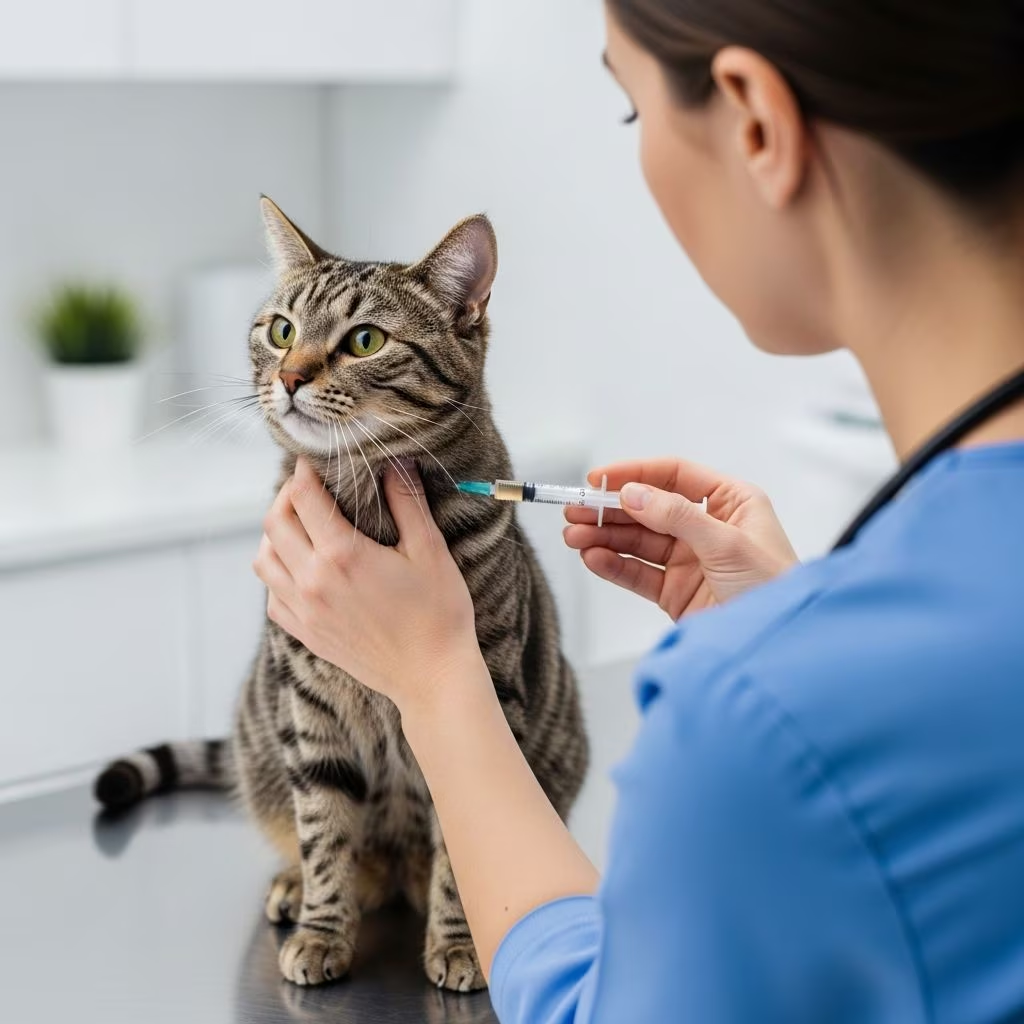
Understanding Feline Vaccines
Vaccines play a crucial role in protecting cats from serious and potentially life-threatening infectious diseases. As a responsible pet owner, understanding the importance of vaccination and the different types available is essential for maintaining your cat’s health and longevity. Veterinary professionals consistently recommend vaccination as one of the most effective preventive health measures for felines of all ages.
The primary purpose of vaccination is to reduce illnesses in cats caused by infectious diseases by stimulating the immune system to recognize and fight specific pathogens. Continuous improvements are being made in vaccine safety and effectiveness, making modern vaccines safer and more reliable than ever before. Veterinarians classify vaccines into two main categories: core vaccines, which are recommended for all cats regardless of lifestyle, and non-core vaccines, which are administered selectively based on individual risk factors and environmental exposure.
Core Vaccines for All Cats
Core vaccines are those that the Feline Veterinary Medical Association (FelineVMA) and the American Animal Hospital Association (AAHA) recommend for every kitten and adult cat. These vaccines protect against the most common and serious feline diseases. The five primary core vaccines include:
- Feline Caliciviruses — A respiratory virus that causes upper respiratory infections in cats
- Feline Leukemia Virus (FeLV) — Considered a core vaccine for kittens and one-year-old cats, this is a serious disease affecting feline health
- Feline Panleukopenia Virus — A highly contagious and often fatal viral disease in cats
- Feline Viral Rhinotracheitis (FHV-1) — Also known as herpes virus type 1, this causes severe respiratory disease
- Rabies Virus — A fatal disease with no cure that affects both pets and humans
These core vaccines are typically combined into a single injection known as FVRCP (Feline Viral Rhinotracheitis, Calicivirus, and Panleukopenia), which protects against three diseases in one dose. This combination vaccine approach is convenient and reduces the number of injections your cat needs to receive.
Non-Core and Optional Vaccines
Non-core vaccines are recommended selectively for cats with specific risk of exposure to particular diseases based on their lifestyle and environment. The FelineVMA and AAHA recognize several non-core vaccines that may be appropriate for certain cats:
- Chlamydophila felis — Causes feline chlamydiosis and is recommended for cats in multicat environments or with previous illness history
- Bordetella bronchiseptica — Causes feline bordetellosis and is relevant for cats with exposure risk
- Feline Leukemia Virus (FeLV) in adult cats — While FeLV is a core vaccine for kittens, it becomes optional for adult indoor cats with low exposure risk
Other vaccines exist but are not specifically recommended by major veterinary associations, including feline infectious peritonitis (FIP) vaccine. Your veterinarian will advise you on which non-core vaccines are appropriate based on your individual cat’s risk factors, lifestyle, and environment.
Kitten Vaccination Schedule
Establishing a proper vaccination schedule during kittenhood is critical for developing strong immunity against infectious diseases. Generally, kittens are vaccinated for the first time between six and eight weeks of age, with subsequent booster doses administered every three to four weeks until 16–20 weeks of age.
A typical kitten vaccination schedule follows this timeline:
| Age | Vaccines Administered | Notes |
|---|---|---|
| 6-8 weeks | FVRCP (1st dose) | First vaccination appointment |
| 9-11 weeks | FVRCP (2nd dose); Optional: FeLV, FIV | Booster and non-core vaccines as recommended |
| 12-14 weeks | FVRCP (3rd dose); FeLV (2nd dose); Optional: FIV (2nd dose) | Additional protection development |
| 15-17 weeks | FVRCP (4th dose); Rabies; Optional: FIV (3rd dose) | Final kitten series doses |
| 1 year | FVRCP booster; Rabies booster; FeLV booster | One-year booster appointment |
| Every 3 years | FVRCP booster; Rabies booster | Ongoing adult maintenance schedule |
It is important to note that a kitten will not be fully protected until seven to ten days after completing the vaccination series. Under certain circumstances, your veterinarian may advise an alternative vaccination regime based on your kitten’s individual health status and risk factors.
Why Kittens Require Multiple Vaccine Doses
Many new cat owners wonder why their kittens need multiple doses of the same vaccine rather than just one initial injection. This is an important question that reveals the complexities of feline immunology. Without complicated testing, it is impossible to know precisely when a kitten loses the passive protection it receives from its mother through maternal antibodies.
An early decline in maternal antibodies can leave a kitten susceptible to infection at a very young age. Conversely, strong maternal immunity can interfere with early vaccination attempts. By administering multiple vaccine doses throughout the critical early weeks of life, veterinarians ensure that your kitten develops immunity regardless of its individual antibody timeline.
Additionally, the first vaccine dose often serves as a “priming” dose, particularly with killed vaccines. The second dose then boosts the immune response to a higher, longer-lasting level of protection. This two-dose approach, sometimes called prime and boost, creates a much more robust immune response than a single injection could achieve.
How Vaccine Administration Works
Vaccines for cats are administered through different routes depending on the specific vaccine formulation. Most feline vaccines must be injected to achieve maximum stimulation of the immune system. Vaccines are typically given in one of two ways:
- Subcutaneous injection — Administered just under the skin, the most common method for most feline vaccines
- Intramuscular injection — Injected directly into muscle tissue, used for certain vaccine types
Some vaccines, such as certain respiratory vaccines, can be given locally through nasal administration. However, injected vaccines generally provide superior immune system stimulation. Veterinarians often utilize combination vaccines that deliver protection against multiple diseases in a single injection, making the vaccination process more convenient and reducing the number of needlesticks your cat experiences.
Timeline for Vaccine Immunity Development
Understanding how long it takes for vaccines to produce effective immunity is important for planning your cat’s health care and socialization activities. Within a few hours of vaccination, the earliest phases of the immune response are stimulated at the cellular level. However, a reasonable level of protection typically takes 10 to 14 days to establish.
It is important to note that killed vaccines may not provide adequate protection until after the second dose is administered. In young kittens with strong maternal antibodies still present, this protection may not fully develop until later in the vaccination series. For this reason, it is advisable to wait until a kitten has finished its full vaccination course before allowing close access to other cats and kittens of unknown vaccination history.
Vaccine Safety and Potential Side Effects
Many cat owners express concerns about vaccine safety, which is a legitimate consideration when making health decisions for your pet. The good news is that there are very few risks associated with vaccination when administered by qualified veterinary professionals. Your veterinarian can advise you on specific details concerning your individual cat’s health status and risk profile.
Most cats experience minimal to no side effects from vaccination. You may notice your cat has a temporary loss of appetite or appears less lively for a day or two after vaccination, but these mild symptoms should resolve within 24–48 hours without intervention.
In rare instances, cats may be allergic to one or more components of the vaccine and experience more serious side effects, including vomiting, diarrhea, or difficulty breathing. If these signs occur following vaccination, contact your veterinarian immediately for evaluation and treatment.
It is also important to understand that while vaccines provide strong protection, they cannot completely block microorganisms from entering the body. This means that occasionally, a vaccinated cat may not display visible signs of illness, thanks to the vaccine’s protective effects, but could still potentially spread the invading microorganisms to other unvaccinated cats. This consideration becomes particularly important in breeding colonies or multicat households.
Factors Affecting Vaccine Response
Not all cats respond identically to vaccination, and several factors can influence the effectiveness of feline vaccines. Individual cats’ immune systems vary considerably in their responsiveness to vaccination. A cat’s immune system may underperform due to disease, sickness, stress, or complications associated with advanced age. Some cats naturally respond less robustly to vaccination, so their immunity may be incomplete or shorter-lived than what is typically expected.
Certain breeds and genetic lines have a tendency toward suboptimal vaccine response, which your veterinarian may have observed through their experience. This is another reason why professional veterinary guidance is essential in determining the most appropriate vaccination schedule and strategy for your specific cat.
Booster Vaccination Requirements
Maintaining immunity throughout your cat’s life requires periodic booster vaccinations. After completing the kitten vaccination series, adult cats need boosters to sustain their protective immunity. The frequency of booster vaccinations depends on the specific vaccine and your cat’s individual circumstances.
Generally, core vaccines such as FVRCP and rabies are boosted one year after the final kitten series dose, then every three years thereafter. Some non-core vaccines may require more frequent boosters, particularly in high-risk cats. Your veterinarian will advise you about the recommended revaccination schedule based on your cat’s lifestyle, risk factors, and the specific vaccines administered.
Special Considerations for Indoor Cats
Even indoor cats should be vaccinated according to the recommended schedule with core vaccines. While indoor cats have reduced exposure to some outdoor pathogens, infectious diseases can still reach them through windows, doors, and contact with humans who carry pathogens. Additionally, indoor cats that accidentally escape or are involved in accidents may encounter infectious diseases.
For indoor cats, non-core vaccines such as FeLV may be less critical unless the cat has potential outdoor exposure, but core vaccines remain essential for all cats regardless of lifestyle.
Professional Veterinary Guidance
While this guide provides comprehensive information about feline vaccines, professional veterinary advice is irreplaceable. Decisions about vaccine types and vaccination schedules that are best for each cat require individual professional evaluation by a qualified veterinarian. Your veterinarian understands your cat’s complete health history, lifestyle factors, and individual risk profile.
Talk to your veterinarian about your cat’s lifestyle and discuss their vaccination schedule to determine what is best for your specific pet. Veterinarians can address your questions and concerns, identify any contraindications specific to your cat, and develop a personalized vaccination protocol.
Frequently Asked Questions About Cat Vaccines
Q: When should I start vaccinating my kitten?
A: Kittens should receive their first vaccination between six and eight weeks of age. Booster doses should then be given every three to four weeks until the kitten reaches 16–20 weeks of age.
Q: Are vaccines required by law for cats?
A: Rabies vaccination is required by law in most jurisdictions, though requirements vary by location. Core vaccines are strongly recommended by veterinary associations, and non-core vaccines depend on individual risk factors.
Q: Can indoor cats skip vaccinations?
A: No, indoor cats should still receive core vaccines. While their exposure risk is lower than outdoor cats, diseases can still reach indoor cats, and vaccinations are a critical part of responsible pet ownership.
Q: How long do cat vaccines last?
A: Most core vaccines provide protection for three years after the initial kitten series and booster. Some vaccines, like rabies, may have similar duration depending on local regulations and vaccine availability.
Q: What should I do if my cat experiences vaccine side effects?
A: Mild side effects like temporary loss of appetite typically resolve within 24–48 hours. Serious symptoms like vomiting, diarrhea, or difficulty breathing require immediate veterinary attention.
Q: Is the FVRCP vaccine safe for all cats?
A: FVRCP is safe for the vast majority of cats. However, very few cats may be allergic to vaccine components. Your veterinarian can evaluate your cat’s individual health status before vaccination.
References
- Vaccines for Cats — VCA Animal Hospitals. 2024. https://vcahospitals.com/know-your-pet/vaccines-for-cats
- Kitten Vaccine Schedule For First-Year Shots [Chart] — Pawlicy Advisor. 2024. https://www.pawlicy.com/blog/kitten-vaccine-schedule/
- Vaccinating Your Indoor Cat — VCA Animal Hospitals. 2024. https://vcahospitals.com/shop/articles/vaccinating-your-indoor-cat



