
Vaccine Issues in Animals: Failures and Side Effects
Explore causes of vaccine failures, adverse reactions, and strategies to enhance immunization success in livestock and pets.
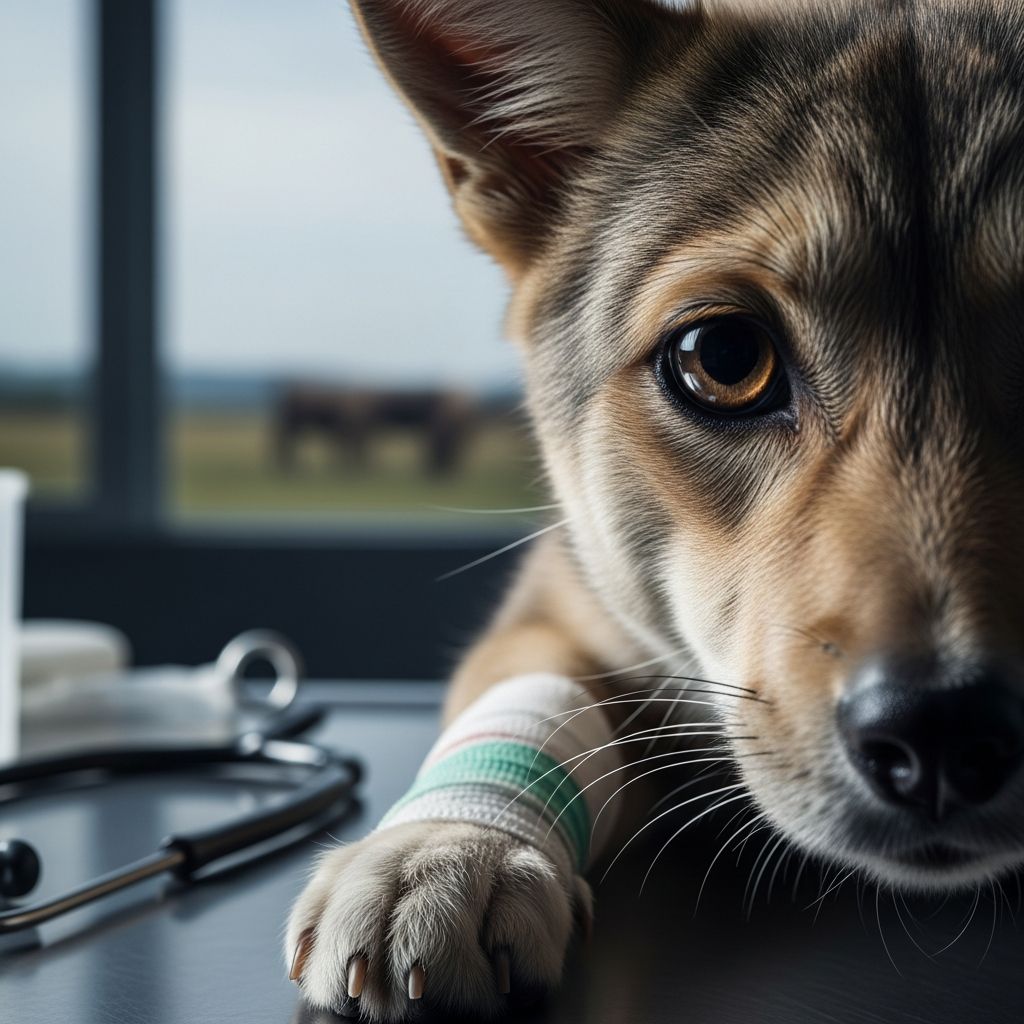
Vaccines play a critical role in preventing infectious diseases in animals, yet they do not always deliver the expected protection. Failures occur when vaccinated animals still contract the targeted illness, while adverse events manifest as unexpected health reactions post-vaccination. Understanding these challenges helps veterinarians and farmers optimize protocols for better outcomes.
Defining Vaccine Failure and Its Impact
Vaccine failure happens when an animal does not develop sufficient immunity despite proper administration. This can lead to disease outbreaks in herds or flocks, resulting in economic losses and animal suffering. In poultry, for instance, inadequate antibody levels post-vaccination heighten outbreak risks. Similarly, in swine, failures often stem from factors beyond vaccine quality, affecting overall herd health.
Primary Causes of Vaccine Shortcomings
Several interconnected factors contribute to ineffective vaccination. These range from biological interferences to logistical errors, each undermining the immune response.
Biological Barriers in the Host
Young animals often carry maternal antibodies from colostrum, which neutralize vaccine antigens before they trigger immunity. This interference is common in calves, foals, and chicks, where virulent pathogens breakthrough sooner than vaccine-induced protection. Immunosuppression from stress, concurrent infections, or nutritional deficits further hampers responses. In pigs, vaccinating during disease or metabolic stress reduces efficacy.
Vaccine Quality and Handling Problems
Modified-live vaccines require viable organisms to replicate and stimulate immunity. Exposure to heat, improper storage, or expiration destroys viability, leading to non-response. In one case, a bacterial vaccine failed due to incomplete inactivation, causing disease in half the treated cattle. Poultry vaccines suffer from cold chain breaks during transport, especially in developing regions.
- Expired or degraded vaccines lose potency.
- Inadequate inactivation allows residual virulence.
- Contamination introduces extraneous pathogens.
Dosage, Route, and Timing Errors
Incorrect dosing—too low or high—prevents optimal immunity. Mass application methods like spray or water in poultry lead to uneven distribution. Vaccination timing matters: too early invites maternal antibody interference; too late exposes animals to field challenges. Swine producers note convenience-based scheduling over efficacy reduces success.
| Factor | Examples | Impact |
|---|---|---|
| Insufficient Time | Vaccination days before exposure | No immunity buildup |
| Overwhelming Challenge | High pathogen dose post-vax | Breaks through protection |
| Antigenic Mismatch | Vaccine strain vs. field variant | Poor cross-protection |
| Concurrent Vaccines | Multiple shots at once | Immune interference |
Recognizing and Managing Adverse Reactions
Besides failures, vaccines can trigger unwanted effects, from mild local swelling to severe anaphylaxis. These arise from immune overreactions or vaccine flaws like residual virulence.
Types of Adverse Events
- Local Reactions: Swelling, pain, or abscesses at injection sites, common with adjuvanted vaccines.
- Systemic Issues: Fever, lethargy, or anaphylactic shock due to cytokine storms.
- Rare Severe Cases: Autoimmune responses or neurological signs from incomplete pathogen inactivation.
In cattle, thimerosal-failed bacterins caused fatal meningoencephalitis. Poultry may experience respiratory distress from live vaccines in stressed flocks.
Host Susceptibility to Reactions
Animals with pre-existing allergies or immunosuppression face higher risks. Genetic factors influence hypersensitivity, particularly in breeds prone to immune dysregulation.
Strategies to Prevent Vaccine Problems
Proactive measures significantly reduce both failures and reactions, ensuring vaccines fulfill their protective role.
Optimizing Vaccination Protocols
Follow label instructions meticulously: store at recommended temperatures, use correct routes (e.g., intramuscular vs. subcutaneous), and administer boosters. In swine, dual-dose regimens outperform single shots. For poultry, calculate dosages precisely, avoiding chlorinated water that inactivates viruses.
- Assess herd/flock health pre-vaccination.
- Time vaccinations to avoid maternal antibody peaks.
- Implement boosters for sustained immunity.
Enhancing Management Practices
Biosecurity, sanitation, and stress reduction amplify vaccine efficacy. Clean facilities prevent overwhelming pathogen loads post-vaccination. Nutritional support bolsters immune competence, countering failures from deficits.
Monitoring and Diagnostics
Post-vaccination serology tests antibody titers to confirm responses. Investigate outbreaks by checking vaccine integrity, administration records, and pathogen strains for mismatches.
Species-Specific Considerations
Poultry Vaccination Challenges
Flocks face unique issues like uneven mass dosing and stress from density. Strategies include hygienic water prep and skilled applicators.
Livestock and Swine Insights
In hogs, maternal interference varies temporally, demanding adjusted timings. PCV2 vaccines highlight strain evolution risks.
Companion Animals and Equines
Pets and horses benefit from tailored schedules, minimizing over-vaccination while covering core diseases.
Frequently Asked Questions (FAQs)
What is the most common reason for vaccine failure?
Maternal antibodies in young animals often block effective responses, alongside improper handling.
How can I tell if a vaccine caused an adverse reaction?
Look for swelling, fever, or breathing issues shortly after administration; consult a vet immediately.
Does booster vaccination help prevent failures?
Yes, boosters sustain antibody levels, crucial for long-term protection.
Can stress affect vaccine success?
Absolutely—stressed animals mount weaker responses, increasing failure rates.
Are all vaccine failures due to poor quality?
No, most stem from management, timing, or host factors rather than the vaccine itself.
Future Directions in Veterinary Vaccines
Advancements like strain-matched vaccines and improved adjuvants promise fewer failures. Research into host genomics may enable personalized protocols, reducing adverse events. Ongoing surveillance tracks evolving pathogens, ensuring vaccines stay relevant.
By addressing these multifaceted issues, animal health professionals can maximize vaccine benefits, safeguarding populations against devastating diseases.
References
- Mechanistic Bases for Adverse Vaccine Reactions and Vaccine Failures — Tizard IR. 1996-01-01. https://pubmed.ncbi.nlm.nih.gov/9890054/
- Vaccine Failure in Poultry Production and its Control Methods — Yitbarek MB. 2019-06-25. https://biomedres.us/fulltexts/BJSTR.MS.ID.004827.php
- Why Vaccines Fail — National Hog Farmer. 2023-10-12. https://www.nationalhogfarmer.com/hog-health/why-vaccines-fail
- Preventing Vaccine Failures — Ag Proud. 2015-05-20. https://www.agproud.com/articles/61512-preventing-vaccine-failures
- Mechanistic Bases for Adverse Vaccine Reactions and… — PMC – NIH. 2020-04-01. https://pmc.ncbi.nlm.nih.gov/articles/PMC7149317/
- Veterinary Vaccines: Types, Mechanisms, and Importance… — SciTechnol. 2022-01-15. https://www.scitechnol.com/download.php?download=peer-review-pdfs%2Fveterinary-vaccines-types-mechanisms-and-importance-in-disease-prevention-a-review-Z25a.pdf
Similar Articles








Read full bio of medha deb


