

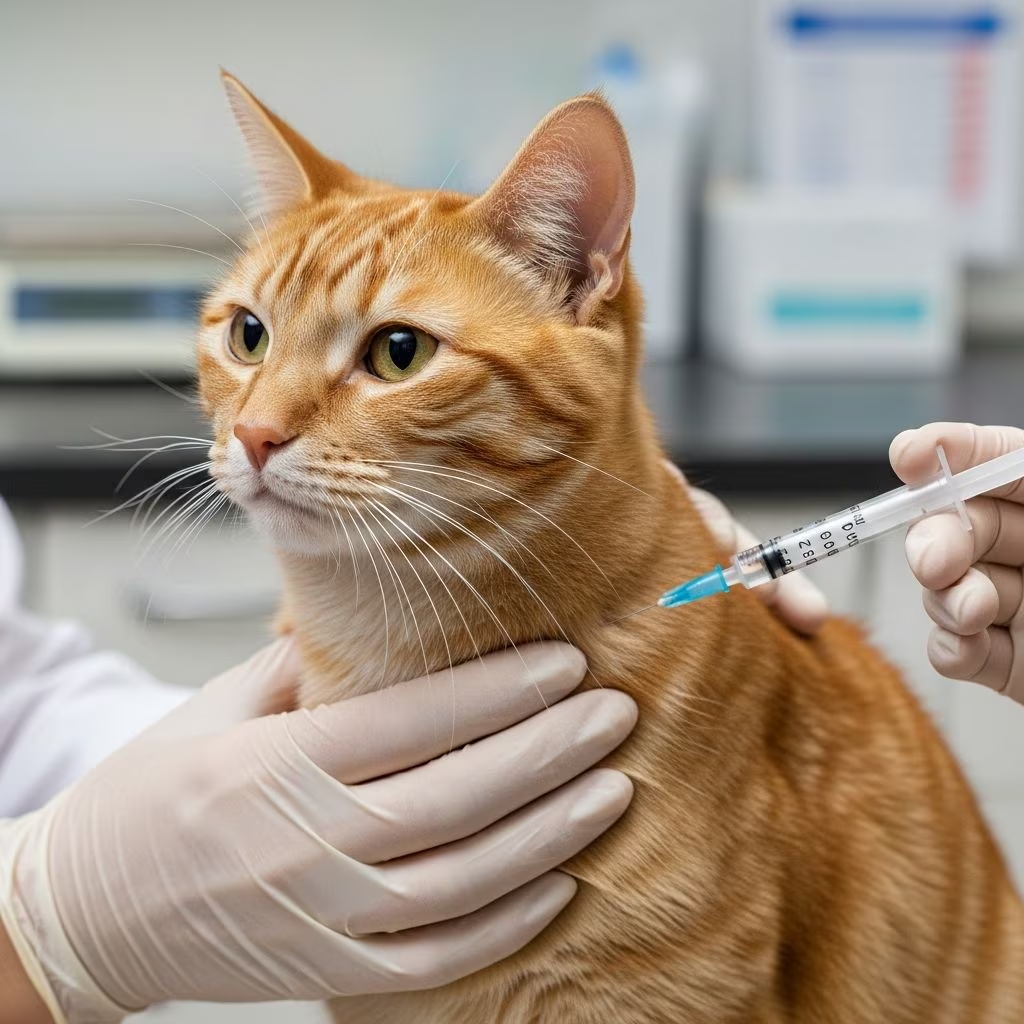
Feline Immunodeficiency Virus (FIV) compromises a cat’s immune system over time, raising questions about the safety and effectiveness of routine vaccinations. Veterinary guidelines generally support vaccinating FIV-positive cats against core diseases using inactivated vaccines, provided the cat is stable, though decisions must balance individual health status and exposure risks.
Understanding Feline Immunodeficiency Virus
FIV, often called the ‘cat AIDS,’ spreads primarily through deep bite wounds from fights, affecting CD4+ T-cells and leading to progressive immunosuppression. Early-stage cats may appear healthy, but advanced disease increases susceptibility to secondary infections. Unlike FeLV, FIV does not spread casually via shared litter boxes or grooming; intact males and outdoor cats face higher risks.
Diagnosis involves antibody tests, but vaccination history can cause false positives since FIV vaccines induce antibodies indistinguishable from infection. Kittens under six months require retesting for confirmation.
Core Vaccines for FIV-Positive Cats
Core vaccines protect against panleukopenia (FPV), herpesvirus (FHV-1), calicivirus (FCV), and rabies. Guidelines from UC Davis recommend these for all cats, including FIV-positive ones, starting at 6-8 weeks with boosters every 3-4 weeks until 16 weeks, followed by a dose at 6 months and triennial revaccination for low-risk cats.
- FPV, FHV-1, FCV: Modified-live virus (MLV) vaccines are standard but avoided in immunosuppressed cats; use killed versions instead.
- Rabies: Mandatory in many areas; administer one dose at 12-16 weeks, booster at one year, then every 3 years.
AAFP notes FIV-positive cats often mount adequate responses to standard protocols without altering intervals, favoring inactivated products to minimize risks.
Non-Core Vaccines and FIV Status
FeLV vaccination is contraindicated for positive cats as it offers no benefit and is reserved for negatives. FIV vaccines exist but are not advised for already infected cats, and testing complicates interpretation.
| Vaccine Type | Recommended for FIV+ Cats? | Notes |
|---|---|---|
| Core (FPV/FCV/FHV-1) | Yes, inactivated preferred | Every 3 years post-series |
| Rabies | Yes | Legal requirement; 3-year interval |
| FeLV | No | No therapeutic value |
| FIV | No | Confuses testing; no benefit |
| Chlamydia/Bordetella | Case-by-case | High-risk environments only |
Benefits of Vaccination in FIV Management
Vaccination prevents opportunistic infections that exploit FIV-induced immunosuppression. Experimental data show early-stage FIV cats respond robustly to vaccines, comparable to FIV-negative peers. For outdoor cats, protection against rabies and panleukopenia is critical, outweighing minimal risks.
AAHA/AAFP guidelines affirm most FIV cats tolerate vaccines well, supporting routine use to maintain quality of life. Indoor elderly FIV cats with low exposure may skip boosters if previously immunized.
Potential Risks and Safety Concerns
Concerns include immune stimulation accelerating FIV progression or MLV vaccines causing disease in compromised hosts. Studies note in vitro lymphocyte activation boosts viral replication, and one trial linked peptide vaccination to declining CD4/CD8 ratios.
ABCD advises inactivated vaccines to avoid MLV pathogenicity risks, with no strong evidence of heightened adverse events but caution for advanced cases. WSAVA echoes avoiding FIV vaccine in positives.
Veterinary Guidelines from Leading Authorities
UC Davis: Vaccinate per standard protocols; avoid FeLV in positives; prefer non-adjuvanted where possible.
AAFP/IDEXX: Use inactivated vaccines; no interval changes needed; test before FeLV shots.
ABCD: Weigh benefits/risks individually; inactivated for cores; regular health checks essential.
AAFP/CatVets: Killed vaccines for immunosuppressed; FeLV only for negatives.
Consensus favors vaccination tailored to lifestyle, with twice-yearly vet exams monitoring weight, hematology, and biochemistry.
Practical Management Strategies for FIV-Positive Cats
- Spay/neuter to curb aggression and roaming.
- Control parasites rigorously.
- Indoor living minimizes exposure.
- High-quality diet supports immunity.
- Avoid breeding infected queens.
Household integration: FIV positives can coexist with negatives if no fighting occurs, unlike FeLV.
Diagnostic Challenges with Vaccinations
FIV antibody tests cannot differentiate vaccination from infection, necessitating history review or PCR for confirmation. Retest kittens at 60-day intervals up to 6 months. FeLV tests remain unaffected by FIV vaccination.
FAQs on FIV-Positive Cat Vaccinations
Can FIV+ cats live long, healthy lives? Yes, many do with proper care, vaccination, and monitoring.
Should I vaccinate my indoor FIV+ cat? Core vaccines yes, but boosters may be less frequent if low-risk.
What if my cat shows vaccine side effects? Report to vet; switch to inactivated formulas.
Is FIV vaccine worth it for at-risk cats? For FIV-negative high-risk cats yes, but not for positives.
How often should FIV+ cats see the vet? Every 6 months for clinical assessments.
Long-Term Prognosis and Owner Responsibilities
With vaccination, nutrition, and preventive care, FIV+ cats often thrive for years. Owners must commit to vigilant health management, recognizing early signs like weight loss or recurrent infections. Consult vets for personalized plans, as guidelines evolve with research.
References
- Vaccination Guidelines for Dogs and Cats — UC Davis Veterinary Medicine. 2023. https://healthtopics.vetmed.ucdavis.edu/health-topics/feline/vaccination-guidelines-dogs-and-cats
- Feline Retrovirus Management Guidelines — AAFP/IDEXX. 2022. https://www.idexx.com/files/aafp-feline-retrovirus-management-guidelines.pdf
- GUIDELINE for Feline Immunodeficiency Virus — ABCD Cats & Vets. 2024. https://www.abcdcatsvets.org/guideline-for-feline-immunodeficiency-virus/
- Vaccination in General Practice — AAFP/CatVets. 2024-01. https://catvets.com/wp-content/uploads/2024/01/VaccinationGLS-summary.pdf
- Feline Immunodeficiency Virus (FIV) — Cornell Feline Health Center. 2023. https://www.vet.cornell.edu/departments-centers-and-institutes/cornell-feline-health-center/health-information/feline-health-topics/feline-immunodeficiency-virus-fiv
- 2020 AAHA/AAFP Feline Vaccination Guidelines — AAHA. 2020. https://www.aaha.org/wp-content/uploads/globalassets/02-guidelines/feline-vaccination-guidlines/resource-center/2020-aahaa-afp-feline-vaccination-guidelines.pdf



