

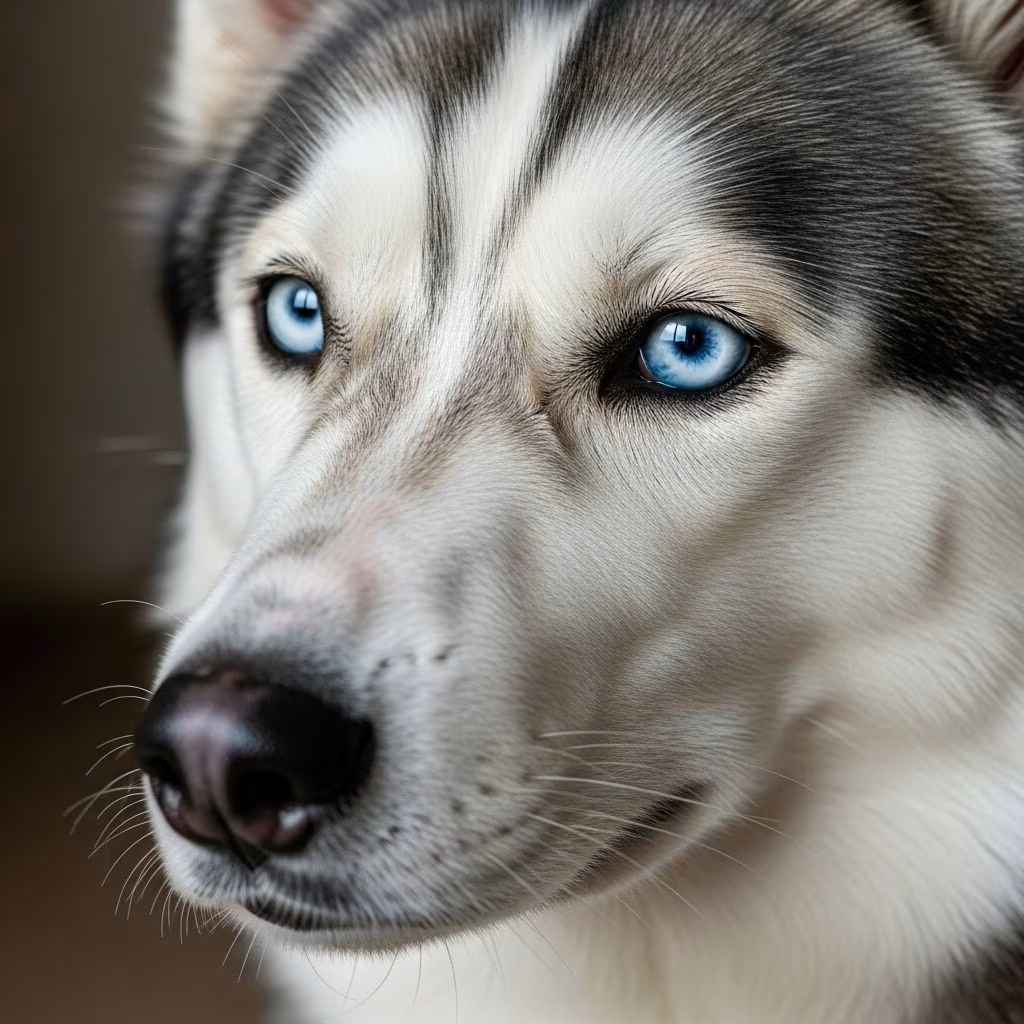
Uveodermatologic syndrome (UDS), also known as Vogt-Koyanagi-Harada-like syndrome, is a rare autoimmune condition primarily affecting dogs with heavily pigmented tissues. This disorder triggers the immune system to attack melanocytes, the cells responsible for pigment production, leading to inflammation in the eyes (uvea) and depigmentation of the skin.
Pathophysiology: How the Immune System Targets Pigment Cells
The core mechanism of UDS involves a misguided immune response against melanocytes or tyrosinase-related antigens. These pigment-producing cells are abundant in the uveal tract (iris, ciliary body, choroid), skin, mucous membranes, and other areas like the nasal planum and paw pads. Macrophages and lymphocytes infiltrate these tissues, causing granulomatous inflammation that destroys melanocytes and releases melanosomes, resulting in visible pigment loss.
In the eyes, this leads to lymphogranulomatous panuveitis, characterized by iridal edema, aqueous flare, and potential complications like retinal detachment. Skin involvement manifests as symmetric lesions, often starting on the face. Unlike human VKH syndrome, canine UDS rarely affects the central nervous system or auditory functions, focusing instead on ocular and dermatologic sites.
Breeds Predisposed and Risk Factors
Certain breeds with rich pigmentation show higher susceptibility, likely due to genetic factors, though the exact inheritance pattern remains unclear. Common affected breeds include:
- Akitas (most frequently reported)
- Akita Matsudos
- Shiba Inus
- Chows
- Siberian Huskies
- Samoyeds
- Other northern or Asian breeds like Norwegian Elkhounds
Age of onset typically ranges from 2-7 years, with no strong sex predisposition. A viral trigger may initiate the autoimmune cascade in genetically susceptible dogs, but this hypothesis lacks definitive proof.
Clinical Manifestations: Recognizing the Signs
Eye symptoms usually precede skin changes by 3-6 months, affecting nearly 100% of cases bilaterally. Initial ocular signs include:
- Painful red eyes with photophobia and blepharospasm
- Epiphora (tearing) and conjunctival hyperemia
- Corneal edema and miosis (constricted pupils)
- Aqueous flare and cloudiness due to uveitis
Untreated, progression leads to posterior synechiae, glaucoma, cataracts, retinal detachment, and blindness in up to 57% of cases.
Dermatologic signs follow, impacting 90% of dogs with leukoderma (skin depigmentation) and leukotrichia (hair whitening), especially on:
| Common Sites | Less Common Sites |
|---|---|
| Nasal planum, lips, eyelids | Footpads, scrotum, anus, vulva |
| Periorbital skin, muzzle | Hard palate |
Additional skin changes: erythema, scaling, alopecia, erosions/ulcers, crusts, hyperkeratosis of pads, and onychomadesis (claw sloughing). Lesions are bilaterally symmetric and non-pruritic in most cases.
Diagnostic Approach: Confirming UDS
Diagnosis relies on clinical history, ophthalmic exam, and histopathology, as no single test is definitive. Key steps include:
- Ophthalmic evaluation: Slit-lamp biomicroscopy for anterior uveitis, indirect ophthalmoscopy for chorioretinitis/retinal issues, tonometry for glaucoma risk.
- Dermatologic assessment: Biopsy reveals lichenoid interface dermatitis with melanophages, pigment incontinence, and melanocyte loss.
- Rule out differentials: Infectious (blastomycosis, histoplasmosis, leptospirosis), neoplastic (lymphoma), or other autoimmune (SLE, pemphigus).
Serology, fungal cultures, and CBC/chemistry help exclude mimics. Schirmer tear tests monitor for keratoconjunctivitis sicca.
Treatment Strategies: Suppressing the Autoimmune Response
UDS requires aggressive, lifelong immunosuppression to control inflammation and preserve vision. No cure exists, but remission is achievable.
Primary Therapy: Systemic corticosteroids (prednisone 2-4 mg/kg/day) tapered slowly once stable, combined with azathioprine (2 mg/kg/day) for steroid-sparing effect. Cyclosporine or mycophenolate as alternatives for non-responders.
Ocular Support:
- Topical steroids (dexamethasone 0.1%) and atropine for mydriasis/cycloplegia
- Anti-glaucoma meds (timolol, latanoprost) if IOP elevates
- Antibiotics for secondary ulcers
Dermatologic Care: Topical tacrolimus for erosions; avoid sun exposure to prevent worsening.
Monitoring: Monthly CBC/chemistry for azathioprine toxicity (hepatopathy, myelosuppression); lifelong ophthalmic exams.
Prognosis and Long-Term Management
With prompt, consistent therapy, many dogs maintain vision and comfort. However, 57% risk blindness from complications if undertreated. Relapses occur upon tapering meds, necessitating indefinite low-dose maintenance.
Owners must commit to vigilance: Watch for uveitis recurrence (subclinical low IOP signals activity). Quality of life remains good with controlled disease, though cosmetic pigment loss persists.
Prevention and Owner Education
No preventive measures exist due to unknown triggers, but early detection in at-risk breeds improves outcomes. Educate on sun protection (E-collar, sunscreen on nose) and prompt veterinary referral for eye redness.
Frequently Asked Questions (FAQs)
What is the first sign of uveodermatologic syndrome in dogs?
Bilateral eye pain, redness, and squinting from uveitis typically appear first.
Can UDS be cured?
No, but lifelong immunosuppression controls it effectively in most cases.
Is UDS contagious?
No, it’s an autoimmune disorder, not infectious.
How much does treatment cost?
Variable; initial diagnostics ~$500-1500, monthly meds $50-200, plus specialist visits.
Do all affected dogs go blind?
No, aggressive treatment prevents blindness in many; 43% retain vision long-term.
This guide empowers pet owners to recognize and manage UDS, ensuring the best possible care for their dogs.
References
- Skin and Eye Inflammation Due to Autoimmune Disorder — PetMD. 2023. https://www.petmd.com/dog/conditions/immune/c_dg_uveodermatologic_syndrome
- The Curious Case of Koda’s Colorlessness — Mississippi State University College of Veterinary Medicine. 2021-09-17. https://www.vetmed.msstate.edu/sites/www.vetmed.msstate.edu/files/presentations/9.17.21%20The%20Curious%20Case%20of%20Koda%E2%80%99s%20Colorlessness%20(Natalie%20Parkins).pdf
- Uveodermatologic Syndrome in Dogs — Embrace Pet Insurance. 2024. https://www.embracepetinsurance.com/health/uveodermatologic-syndrome
- Canine Uveodermatological Syndrome — University of Minnesota Open Library (animaldermatology3). 2023. https://open.lib.umn.edu/animaldermatology3/chapter/1c-canine-uveodermatologic-syndrome/
- Vet Guide 2025: VKH-Like Syndrome in Dogs — AskAVet. 2025. https://askavet.com/blogs/news/vet-guide-2025-vkh-like-uveodermatologic-syndrome-in-dogs-eye-pain-pigment-loss-immune-treatment-%F0%9F%91%81%EF%B8%8F
- Uveodermatologic Syndrome in Dog — Animal Ophthalmology Clinic. 2023. https://www.eyedvm.com/blog/uveodermatologic-syndrome-in-dog



