

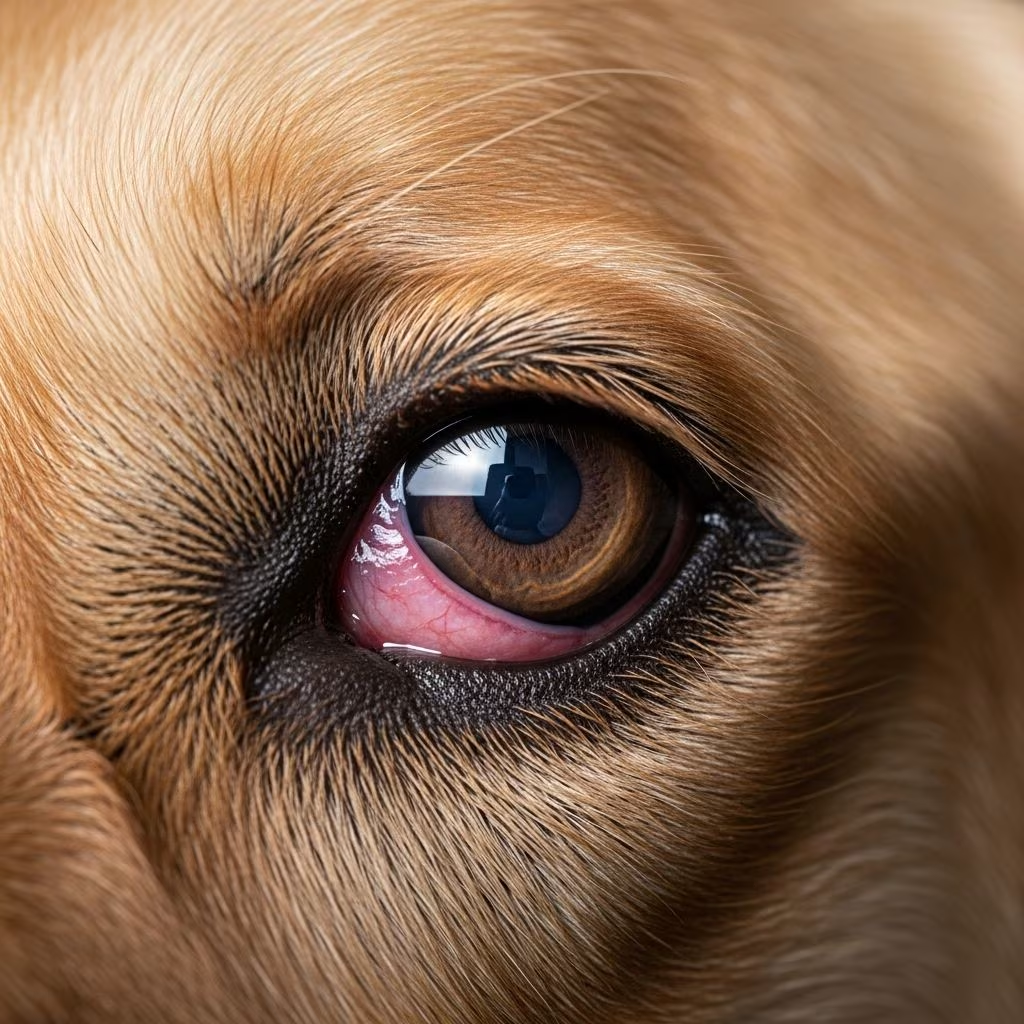
What is Uveitis in Dogs?
Uveitis is an inflammatory condition of the uvea, which is the middle vascular layer of the eye. This layer contains blood vessels that nourish the eye structures. When inflammation occurs in the uvea, it disrupts normal eye function and causes significant discomfort to your dog. The uvea comprises three main parts: the iris, ciliary body, and choroid. Inflammation in any of these structures constitutes uveitis.
The condition can range from mild to severe and may affect one or both eyes. Uveitis is considered a medical emergency because if left untreated, it can lead to permanent vision loss and other serious complications. The inflammation causes a breakdown of the blood-aqueous barrier and blood-retinal barrier, which normally protect the eye’s internal structures. Understanding the condition is crucial for dog owners to recognize symptoms early and seek prompt veterinary care.
Common Causes of Uveitis in Dogs
Uveitis can develop from various underlying causes. Understanding these causes helps veterinarians determine the most appropriate treatment strategy for each individual case.
Infectious Causes
Infections represent one of the most common causes of uveitis in dogs. These can include:
- Viral infections: Rabies and canine distemper virus
- Bacterial infections: Lyme disease and leptospirosis
- Parasitic infections: Toxoplasmosis and ehrlichiosis
- Fungal infections: Blastomycosis, histoplasmosis, cryptococcosis, and coccidioidomycosis
These infectious agents trigger a significant inflammatory response in the eye. Proper identification of the infectious organism is essential for selecting the correct treatment, as different infections require different therapeutic approaches.
Immune-Mediated Diseases
Autoimmune disorders occur when the dog’s immune system mistakenly attacks its own tissues. Lens-induced uveitis occurs when lens proteins leak from a damaged lens and trigger an immune response. Uveodermatologic syndrome is a specific immune-mediated condition that appears more frequently in certain breeds including Akitas, Samoyeds, Siberian Huskies, and Shetland Sheepdogs. Other autoimmune conditions that can cause uveitis include immune-mediated polyarthritis and systemic lupus erythematosus.
Metabolic and Systemic Diseases
Several systemic conditions can trigger uveitis development. These include diabetes, high blood pressure, and other metabolic disorders. When these underlying conditions are present, treating the uveitis effectively requires managing the systemic disease as well.
Trauma and Injury
Direct injury to the eye can cause inflammation of the uveal tract. Penetrating injuries, blunt force trauma, or surgical complications can all result in post-traumatic uveitis. The severity of uveitis following trauma depends on the extent of tissue damage.
Ocular Abnormalities
Lens damage from cataracts, tumors of the eye, or exposure to toxins can cause inflammation. Lens protein leakage is particularly common, as the immune system recognizes escaped lens proteins as foreign material.
Idiopathic Uveitis
In many cases, despite thorough diagnostic evaluation, no specific underlying cause can be identified. These cases are classified as idiopathic uveitis, which represents the most common type of uveitis in dogs. While the cause remains unknown, treatment still focuses on controlling inflammation and preserving vision.
Clinical Signs and Symptoms
Recognizing the signs of uveitis is critical for early diagnosis and treatment. Dogs with uveitis typically exhibit obvious and distressing symptoms that indicate significant eye pain and inflammation.
Observable Symptoms
- Severe eye pain manifested through squinting or blepharospasm (eyelid spasm)
- Intense redness of the visible parts of the eye and surrounding tissues
- Excessive tearing or discharge from the affected eye
- Photophobia or sensitivity to light, causing the dog to keep eyes closed or avoid bright environments
- Swelling of the conjunctiva and surrounding tissues
- Cloudiness or opacity of the anterior chamber
- Change in eye color or appearance of blood in the eye
- Behavioral changes such as reluctance to move or interact due to discomfort
Vision-Related Changes
As uveitis progresses, dogs may experience blurred vision or vision loss. Some dogs may bump into objects, become more cautious during movement, or show reluctance to navigate in dim lighting. These behavioral changes often indicate that vision has been compromised by the inflammatory process.
Diagnosis of Uveitis
Veterinary ophthalmologists use various diagnostic tools and techniques to identify uveitis and determine its underlying cause. A thorough diagnostic approach is essential because proper identification of the etiology guides treatment decisions.
Clinical Examination
The veterinarian begins with a comprehensive physical and ocular examination. They assess the degree of inflammation, measure intraocular pressure, and evaluate vision using specialized tests. Slit-lamp examination provides detailed visualization of anterior chamber inflammation.
Diagnostic Testing
Depending on the clinical presentation, the veterinarian may recommend:
- Blood work and serum chemistry to evaluate for systemic diseases
- Serologic testing to identify infectious agents
- Imaging studies including ultrasound or CT scans
- Aqueocentesis (fluid sampling from the eye) for culture and analysis
- Histopathology if tissue samples are obtained
Treatment Approach for Uveitis
Treatment for uveitis involves an aggressive, multi-faceted approach designed to halt inflammation, preserve vision, minimize pain, and address underlying causes. The specific treatment plan depends on the severity of the condition and the identified etiology.
Primary Treatment Goals
The main objectives of uveitis therapy are:
- Halting the inflammatory process
- Stabilizing the blood-aqueous barrier
- Minimizing sequelae and complications
- Decreasing pain and discomfort
- Preserving vision
Topical Medications
Topical therapy is initiated immediately and forms the foundation of treatment. The aggressive use of topical medications is often necessary, with applications potentially required every couple of hours during acute phases. Common topical medications include:
- Corticosteroids: Prednisolone acetate or dexamethasone to reduce inflammation
- NSAIDs: Flurbiprofen to control pain and inflammation
- Mydriatics: Medications such as atropine sulfate that dilate the pupil to improve comfort and prevent pupil adhesions
- Antibiotics: Broad-spectrum antibiotics to prevent or treat bacterial infection
- Lubricating agents: Artificial tears and lubricating ointments to protect the ocular surface
Systemic Medications
Systemic therapy is necessary for most patients with uveitis because topical treatments do not adequately reach the posterior segment of the eye. Oral medications typically include:
- Corticosteroids: Prednisone is commonly prescribed for immune-mediated disease and posterior uveitis. These medications are gradually tapered over 2 to 4 weeks after clinical signs resolve.
- NSAIDs: Carprofen and other pain-relieving medications
- Antibiotics: Doxycycline and other systemic antibiotics when bacterial infection is suspected
- Immunosuppressives: Cyclosporine and other agents to manage autoimmune responses
Treatment of Underlying Causes
Once the underlying cause is identified, specific therapy is directed toward that etiology. Treatment varies based on the underlying condition:
| Underlying Cause | Treatment Approach |
|---|---|
| Bacterial, viral, or fungal infection | Appropriate antibiotics, antivirals, or antifungal medications targeting the specific organism |
| Autoimmune disease | Immunosuppressive medications including corticosteroids and potentially cyclosporine |
| Trauma or injury | Wound cleaning and repair, plus pain management and antibiotics |
| Eye tumor | Surgery, chemotherapy, or radiation depending on tumor type and location |
| Metabolic disorder (diabetes, Cushing’s) | Management of the systemic condition in conjunction with uveitis treatment |
| Parasitic infection | Appropriate antiparasitic medications to eliminate parasites |
Follow-Up Care and Monitoring
Regular follow-up appointments are essential to monitor your dog’s response to treatment. The veterinarian will assess whether inflammation is resolving, check intraocular pressure, and adjust medication regimens as needed. Anti-inflammatory medications are typically continued for 2 to 4 weeks past the resolution of clinical signs to ensure complete healing. Compliance with the prescribed medication schedule is crucial for successful outcomes.
Severe or Refractory Cases
For dogs with severe or refractory uveitis that does not respond to aggressive medical management, or for eyes that have become blind despite treatment, enucleation (removal of the eye) may be recommended to alleviate pain and improve quality of life. This decision is made in consultation with the veterinarian based on individual circumstances.
Prognosis and Complications
Early and aggressive treatment significantly improves the prognosis for dogs with uveitis. However, without prompt intervention, serious complications can develop. Potential complications include glaucoma (elevated intraocular pressure), cataracts, retinal detachment, scarring of uveal tissues, and permanent blindness. The key to preserving vision is recognizing symptoms early and initiating treatment immediately.
When to Contact Your Veterinarian
If your dog exhibits any signs of uveitis, contact your veterinarian immediately. This is considered a medical emergency. Do not delay seeking care, as the inflammatory process can cause irreversible damage within hours. Symptoms requiring urgent attention include sudden redness of the eye, intense squinting, obvious eye pain, discharge, or cloudiness of the eye.
Frequently Asked Questions
Q: Can uveitis in dogs be cured?
A: The prognosis depends on the underlying cause and how quickly treatment begins. Infectious uveitis may resolve with appropriate antimicrobial therapy. Immune-mediated cases often require long-term management. Idiopathic uveitis episodes may improve with treatment, though recurrence is possible. Early, aggressive intervention offers the best chance for preserving vision and resolving inflammation.
Q: Is uveitis painful for dogs?
A: Yes, uveitis causes significant eye pain. Dogs with uveitis typically exhibit severe discomfort, including squinting, light sensitivity, and behavioral changes reflecting their distress. Pain management is a critical component of treatment, with multiple medication types used to provide comfort.
Q: Can uveitis cause blindness?
A: Yes, untreated or severe uveitis can lead to permanent blindness. The inflammatory process can damage vital structures including the retina and optic nerve. This is why aggressive early treatment is essential to preserve vision.
Q: How long does it take to treat uveitis?
A: Treatment duration varies depending on the underlying cause and severity. Most cases require aggressive treatment for several weeks. Anti-inflammatory medications are typically continued for 2 to 4 weeks past clinical sign resolution. Some dogs may require long-term management, particularly those with immune-mediated or chronic conditions.
Q: Can I give my dog over-the-counter eye drops for uveitis?
A: No, uveitis requires prescription medications specifically chosen for the condition and underlying cause. Over-the-counter drops are inadequate and may even be harmful. Only use medications prescribed by your veterinarian, applied exactly as directed.
Q: Are certain dog breeds more prone to uveitis?
A: Some immune-mediated forms of uveitis, such as uveodermatologic syndrome, occur more frequently in specific breeds including Akitas, Samoyeds, Siberian Huskies, and Shetland Sheepdogs. However, uveitis can affect dogs of any breed or age.
References
- Uveitis in Dogs: Causes, Symptoms, Diagnosis, Treatment — Beyond Pets. Accessed 2025. https://beyondpets.com/pet-health-plus/uveitis-in-dogs/
- Canine and Feline Uveitis — PubMed Central, National Institutes of Health. 2019. https://pmc.ncbi.nlm.nih.gov/articles/PMC7124245/
- Managing Uveitis in Dogs and Cats — Today’s Veterinary Practice. Accessed 2025. https://todaysveterinarypractice.com/ophthalmology/managing-uveitis-in-dogs-and-cats/
- Uveitis in Dogs: Symptoms and When To Call Your Veterinarian — PetMD. Accessed 2025. https://www.petmd.com/dog/conditions/eyes/uveitis-in-dogs
- Uveitis in Dogs — VCA Animal Hospitals. Accessed 2025. https://vcahospitals.com/know-your-pet/uveitis-in-dogs
- Uveitis – Veterinary Teaching Hospital — Colorado State University College of Veterinary Medicine and Biomedical Sciences. Accessed 2025. https://vetmedbiosci.colostate.edu/vth/services/ophthalmology/uveitis/
- Uveitis in Dogs and Cats — American College of Veterinary Ophthalmologists (ACVO). Accessed 2025. https://www.acvo.org/tips-treatments-tricks/tkl4fnm8grdtdwldjg96tta534jpaz



