

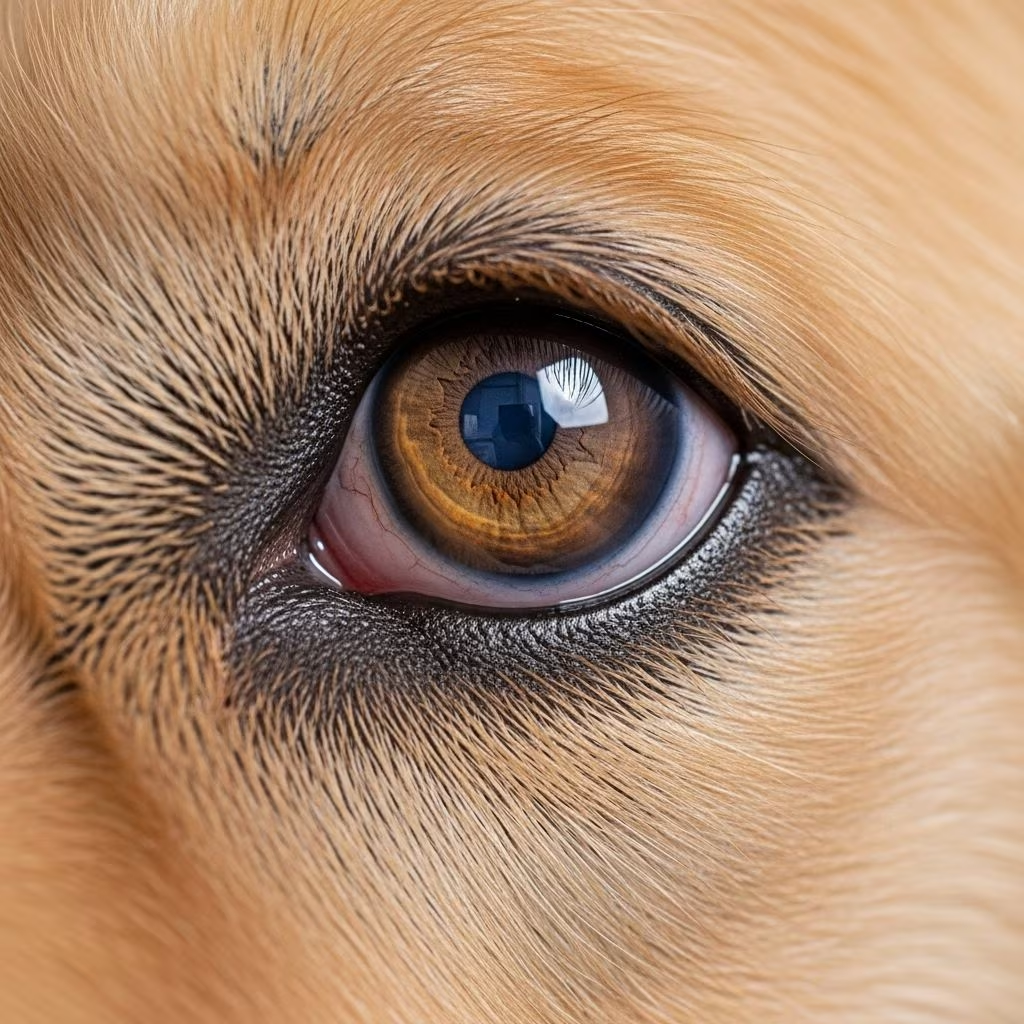
Uveitis in dogs is a serious inflammation of the uveal tract—the middle layer of the eye that includes the iris, ciliary body, and choroid. This condition causes significant pain and can lead to vision loss, glaucoma, or blindness if not addressed promptly. Affecting dogs of all ages and breeds, uveitis requires immediate veterinary attention to reduce inflammation, manage pain, and treat underlying causes.
What Is Uveitis in Dogs?
The uveal tract nourishes the eye and regulates light entry through the pupil. When inflamed, it disrupts these functions, leading to pain, cloudiness, and potential permanent damage. Anterior uveitis affects the front portion (iris and ciliary body), while posterior uveitis involves the choroid. Both can occur together, complicating treatment. Early intervention is crucial, as untreated uveitis often results in secondary complications like cataracts or glaucoma.
Dogs may develop uveitis unilaterally (one eye) from trauma or bilaterally (both eyes) from systemic diseases. Breeds like Golden Retrievers, Akitas, Samoyeds, Siberian Huskies, and Shetland Sheepdogs are predisposed due to genetic factors like uveodermatologic syndrome.
Causes of Uveitis in Dogs
Uveitis stems from diverse triggers, categorized into ocular, infectious, systemic, traumatic, and idiopathic causes. Identifying the root cause guides treatment and prevents recurrence.
Trauma and Ocular Causes
Blunt or penetrating injuries, corneal ulcers, or lens damage (e.g., from cataracts) provoke reflex uveitis via nerve stimulation and prostaglandin release. Leaking lens proteins trigger immune responses, causing lens-induced uveitis. Eye tumors like uveal melanoma also initiate inflammation.
Infectious Causes
- Viral: Distemper, rabies.
- Bacterial: Leptospirosis, Brucella canis, Lyme disease.
- Fungal: Blastomycosis, histoplasmosis, cryptococcosis, coccidioidomycosis.
- Parasitic: Toxoplasmosis, toxocariasis (roundworms), ehrlichiosis.
- Tick-borne: Lyme disease, ehrlichiosis.
These infections spread systemically, often causing bilateral uveitis. While uveitis isn’t contagious, underlying infections may be.
Systemic and Metabolic Diseases
Hypertension, diabetes mellitus, and cancers like lymphoma contribute. High blood pressure exacerbates lens protein leakage, while diabetes increases cataract risk, leading to uveitis. Autoimmune conditions, including uveodermatologic syndrome, prompt antibody attacks on eye tissues.
Toxins and Environmental Factors
Harmful chemicals (pesticides, acidic cleaners), UV radiation, and even vaccine reactions (rare with modern CAV-2 vaccines) can induce uveitis. Outdoor dogs may benefit from protective goggles like Doggles.
Idiopathic and Breed-Specific
When no cause is found, it’s idiopathic—the most common type. Golden Retriever uveitis often lacks a clear trigger but progresses to glaucoma.
Symptoms of Uveitis in Dogs
Symptoms vary by severity and location but signal eye pain and dysfunction. Owners often notice behavioral changes like pawing at the face or reluctance to play.
- Redness: Conjunctival hyperemia, episcleral injection (red whites of eyes).
- Pain indicators: Squinting (blepharospasm), tearing, elevated third eyelid.
- Pupil changes: Constricted pupils (miosis), poor light response.
- Cloudiness: Aqueous flare (hazy anterior chamber), corneal edema.
- Discharge: Pus or blood in the anterior chamber (hypopyon/hyphema), settling at the bottom.
- Other: Light sensitivity (photophobia), sunken eye (low intraocular pressure), vision loss.
Bilateral symptoms with systemic signs (e.g., fever, lameness, increased thirst) suggest underlying disease.
Diagnosis of Uveitis in Dogs
Veterinarians use a multi-step approach: history, ophthalmic exam, and targeted tests.
- Physical and Ophthalmic Exam: Check intraocular pressure (tonometry), pupil response, flare via slit-lamp biomicroscopy. Fluorescein stain detects ulcers.
- Schirmer Tear Test: Measures tear production.
- Bloodwork: CBC, chemistry for infections, diabetes, hypertension.
- Serology: Tests for Lyme, leptospirosis, toxoplasmosis.
- Imaging: Ultrasound for posterior segment, tumors; chest X-rays for systemic cancer.
- Aqueous Centesis: Rarely, fluid sampling for cytology/culture.
Systemic evaluation is essential for bilateral cases.
Treatment for Uveitis in Dogs
Treatment targets inflammation, pain, underlying causes, and complications. Aggressive, multi-modal therapy is standard, often lasting weeks to months.
Topical Medications
- Corticosteroids: Prednisolone acetate 1% or dexamethasone 0.1% q3-6h initially, taper over weeks. Avoid with ulcers.
- NSAIDs: Diclofenac, flurbiprofen for steroid-intolerant cases.
- Mydriatics/Cycloplegics: Atropine sulfate 1% q8-24h to dilate pupils, relieve spasms, prevent synechia (adhesions). Use ointment in cats to avoid salivation.
Systemic Medications
- Corticosteroids: Oral prednisone (anti-inflammatory or immunosuppressive doses), taper after 1-2 weeks.
- Antibiotics/Antifungals: For infections (e.g., doxycycline for Lyme).
- Immunosuppressives: Cyclosporine for autoimmune diseases.
Severe cases require hospitalization for frequent dosing.
Treatment of Complications
| Complication | Treatment |
|---|---|
| Glaucoma | Pressure-lowering drops (e.g., latanoprost), surgery if advanced. |
| Cataracts | Surgical removal if vision-impairing. |
| Phthisis Bulbi | Enucleation (eye removal) for blind, painful eyes. |
Treat underlying causes aggressively to prevent recurrence.
Prognosis for Dogs with Uveitis
Prognosis depends on cause, timeliness, and complications. Mild, treated early cases resolve fully. Chronic/recurrent uveitis (e.g., autoimmune) risks cataracts (50-70% cases), glaucoma, or phthisis bulbi. Idiopathic or Golden Retriever uveitis often progresses despite treatment. Vision preservation is highest with prompt care.
Prevention of Uveitis in Dogs
- Vaccinate against preventable infections (distemper, Lyme).
- Control systemic diseases (diabetes, hypertension).
- Protect eyes from trauma/UV with goggles for outdoor dogs.
- Regular vet check-ups for at-risk breeds.
- Monitor cataracts early to prevent lens-induced uveitis.
While not all cases are preventable, vigilance reduces risks.
Frequently Asked Questions (FAQs)
What causes uveitis in dogs?
Common causes include infections (bacterial, viral, fungal), trauma, systemic diseases (diabetes, hypertension), autoimmune disorders, toxins, and idiopathic factors.
How is uveitis diagnosed in dogs?
Via ophthalmic exam, tonometry, blood tests, serology, and imaging to identify inflammation and causes.
Can uveitis in dogs lead to blindness?
Yes, untreated uveitis causes glaucoma, cataracts, or retinal detachment, potentially resulting in permanent blindness.
How long does treatment for uveitis last?
Typically 2-4 weeks post-resolution, with tapering; chronic cases may require lifelong management.
Is uveitis contagious between dogs?
No, but some underlying infections (e.g., leptospirosis) are.
References
- Uveitis in Dogs: Causes, Symptoms and Treatment — ToeGrips. 2023. https://toegrips.com/uveitis-in-dogs/
- Managing Uveitis in Dogs and Cats — Today’s Veterinary Practice. 2022-10-01. https://todaysveterinarypractice.com/ophthalmology/managing-uveitis-in-dogs-and-cats/
- Uveitis in Dogs: Symptoms and When To Call Your Veterinarian — PetMD. 2024. https://www.petmd.com/dog/conditions/eyes/uveitis-in-dogs
- Uveitis in Dogs — VCA Animal Hospitals. 2023. https://vcahospitals.com/know-your-pet/uveitis-in-dogs
- Anterior Uveitis in Small Animals — Merck Veterinary Manual. 2024-05-01. https://www.merckvetmanual.com/emergency-medicine-and-critical-care/ophthalmic-emergencies-in-small-animals/anterior-uveitis-in-small-animals



