

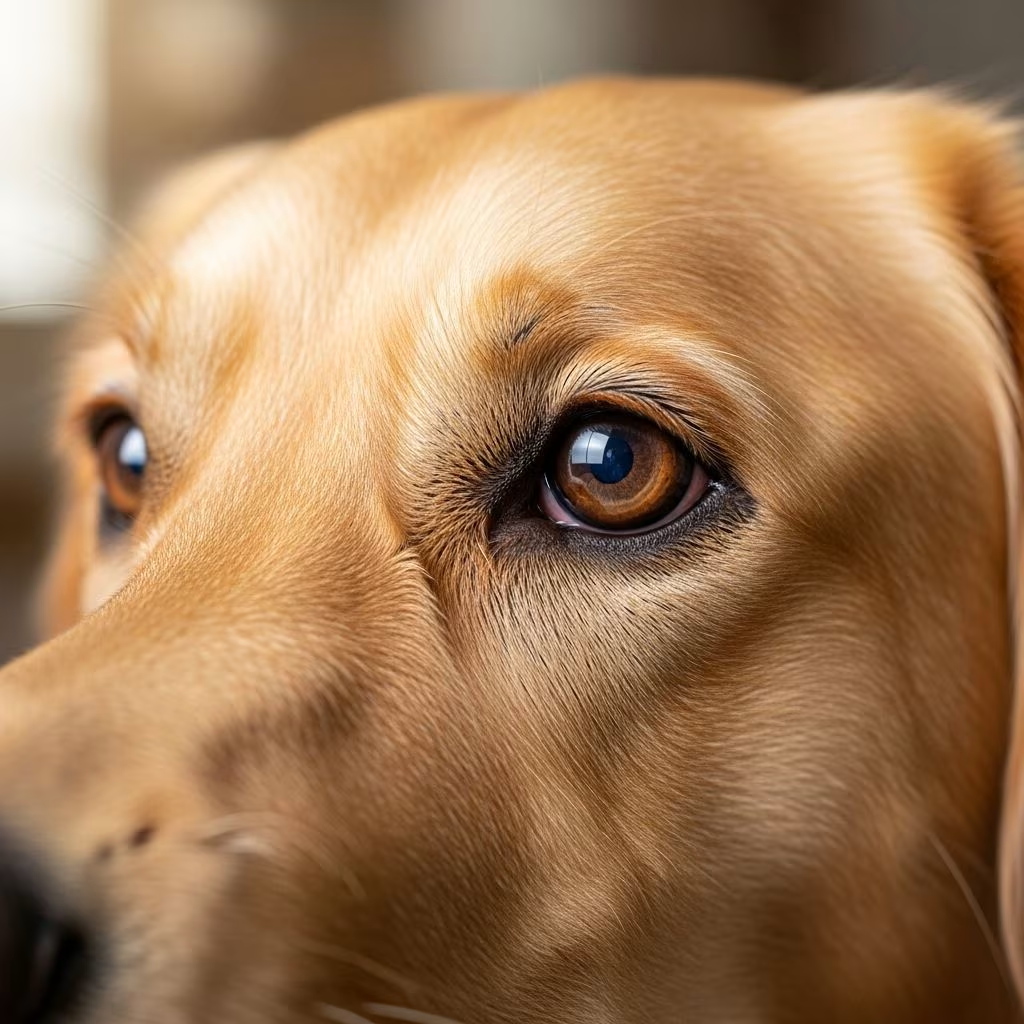
Understanding Uveitis in Dogs
Uveitis is a serious and painful inflammation of the uvea, which is the middle layer of the eye that contains blood vessels and provides nutrients to the eye structures. This condition can affect one or both eyes and requires prompt veterinary attention to prevent vision loss and other complications. The uvea consists of three main structures: the iris, the ciliary body, and the choroid. When inflammation affects any of these structures, it can compromise your dog’s vision and cause significant discomfort.
The condition occurs when the blood-aqueous barrier breaks down, allowing inflammatory cells and proteins to enter the anterior chamber of the eye. This breakdown can be triggered by various underlying causes ranging from infections to systemic diseases or traumatic injuries. Understanding the nature of uveitis is essential for dog owners, as early recognition and treatment can prevent serious complications and preserve your pet’s sight.
Causes of Uveitis in Dogs
Uveitis in dogs can be caused by numerous factors, and identifying the underlying cause is crucial for determining the appropriate treatment plan. The causes can be broadly categorized into infectious, immune-mediated, traumatic, and idiopathic causes.
Infectious Causes
Infectious uveitis occurs when bacterial, viral, fungal, or parasitic agents trigger inflammation in the uvea. Common infectious causes include:
– Leptospirosis- Lyme disease- Canine distemper virus- Toxoplasmosis- Ehrlichiosis- Tick-borne diseases
These infections can cause a significant inflammatory response in the eye, and the uveitis often indicates systemic disease that requires comprehensive treatment beyond just the eye symptoms.
Immune-Mediated Causes
Immune-mediated uveitis occurs when the dog’s immune system incorrectly attacks the eye tissues or when the lens proteins trigger an inflammatory response. Lens-induced uveitis can develop following cataract formation or lens trauma. Uveodermatologic syndrome is another immune-mediated condition that affects the skin and eyes and is seen more frequently in male Akitas, Samoyeds, Siberian Huskies, and Shetland Sheepdogs. Other immune-related causes include autoimmune disorders such as immune-mediated polyarthritis and systemic lupus erythematosus.
Ocular Trauma
Direct injury to the eye from penetrating or blunt trauma can trigger uveitis as the eye attempts to heal. Corneal ulceration or abscessation can stimulate corneal nerves and trigger a reflex response that releases inflammatory compounds inside the eye, leading to anterior uveitis. Infectious keratitis can cause more severe inflammation than simple corneal ulcers.
Systemic Diseases
Various systemic diseases can manifest as uveitis in dogs. These include cancer, diabetes, Cushing’s disease, and other metabolic disorders. Additionally, some dogs develop vaccine-induced uveitis, typically appearing 10 to 14 days after immunization, particularly with modified live virus vaccines.
Idiopathic Uveitis
In many cases, the underlying cause cannot be identified despite thorough investigation. Idiopathic uveitis, where no specific cause can be determined, is actually the most common form of uveitis in dogs. These cases still require aggressive treatment to control inflammation and preserve vision.
Clinical Signs and Symptoms
Dogs with uveitis display characteristic clinical signs that indicate significant eye discomfort and inflammation. Recognizing these signs early is important for seeking timely veterinary care.
Observable Symptoms
The most prominent signs of uveitis include severe pain with intense reddening of the visible parts of the eye. Affected dogs typically keep their eyes shut due to blepharospasm (involuntary eyelid closure or squinting) and photophobia (sensitivity to light). The eye may become cloudy or appear bloody, and there may be excessive tearing or discharge.
Additional signs include:
– Swollen or puffy eyelids- Constricted pupil (miosis)- Aqueous flare (cloudiness in the eye fluid)- Hypopyon (pus in the anterior chamber)- Anterior chamber fibrin- Behavior changes such as restlessness or lethargy- Reluctance to go outside in bright light
Serious Complications
If left untreated, uveitis can lead to severe complications including glaucoma (elevated eye pressure), cataracts, posterior synechiae (permanent adhesions between the iris and lens), retinal detachment, and ultimately blindness. Some dogs with severe or refractory uveitis may experience such intense pain that the eye cannot be salvaged, requiring enucleation (surgical removal of the eye) or potentially euthanasia in extreme cases.
Diagnosis and Examination
Veterinarians use several diagnostic tools and techniques to evaluate uveitis and determine its underlying cause.
Physical Examination
During the initial examination, your veterinarian will assess the eye’s appearance, check for pain response, evaluate pupil size and reactivity, and examine the anterior and posterior segments of the eye. They will measure intraocular pressure using tonometry to check for glaucoma and perform a complete physical examination to detect signs of systemic disease.
Diagnostic Tests
To identify the underlying cause, your veterinarian may recommend:
– Blood tests and serum chemistry profiles- Complete blood count (CBC)- Infectious disease screening (tick-borne diseases, leptospirosis, and other specific infections)- Urinalysis- Imaging studies such as X-rays or ultrasound- Anterior chamber paracentesis and cytology- Aqueous humor analysis- Specialized ophthalmologic testing
These diagnostic procedures help identify systemic diseases or specific infectious agents causing the uveitis, which is essential for formulating an effective treatment plan.
Treatment Approaches
Treatment for uveitis in dogs is multifaceted and focused on addressing the underlying cause, controlling inflammation, managing pain, and preserving vision. The treatment plan must be aggressive and often requires frequent medication administration, sometimes every couple of hours in acute cases.
Topical Medications
Topical medications are the primary treatment for uveitis and should be administered frequently in the acute phase:
Corticosteroids: Topical corticosteroids such as prednisolone acetate or dexamethasone are the preferred primary treatment for reducing inflammation and managing pain. These are typically applied frequently during acute phases.Nonsteroidal Anti-inflammatory Drugs (NSAIDs): Topical NSAIDs such as flurbiprofen can be used as alternatives or adjunctive therapy to reduce inflammation and manage discomfort.Mydriatic Agents: Medications that dilate the eye, such as atropine sulfate, are commonly used to improve comfort and prevent pupil adhesions (posterior synechiae). These medications also help reduce pain associated with pupil movement.Artificial Tears and Lubricating Ointments: These provide symptom relief and prevent corneal damage from excessive tearing and dryness.
Systemic Medications
In addition to topical therapy, oral medications are typically prescribed for moderate to severe cases:
Oral Corticosteroids: Prednisone or other systemic corticosteroids are prescribed to control systemic inflammation, particularly in cases of severe anterior uveitis, posterior uveitis, or systemic disease.Oral NSAIDs: Medications such as carprofen provide pain relief and anti-inflammatory effects systemically.Antibiotics and Antivirals: If bacterial or viral infections are identified or suspected, appropriate antibiotics (for bacterial infections) or antiviral medications such as famciclovir or acyclovir are prescribed to treat the underlying infection.Antifungal Medications: For fungal infections causing uveitis, appropriate antifungal agents are administered.Immunosuppressive Medications: Medications such as cyclosporine may be used to manage autoimmune-mediated uveitis and limit complications.Pain Management: Additional pain relief medications, including opioids, may be prescribed for severe pain management.
Treatment of Underlying Conditions
To effectively resolve uveitis, the underlying cause must be identified and treated appropriately:
Infections: For bacterial, viral, or fungal infections, the veterinarian prescribes appropriate antimicrobial medications. Following the prescribed dosage and duration is essential for adequate management.
Autoimmune Diseases: For conditions such as immune-mediated polyarthritis or systemic lupus erythematosus, immunosuppressive drugs like corticosteroids or other medications are prescribed to manage the immune response.
Traumatic Injury: For uveitis due to eye injury, the veterinarian addresses the primary injury through cleaning, suturing, or other necessary treatments, along with pain medication and antibiotics to prevent infection.
Tumors: Tumor-related uveitis may require surgery, chemotherapy, or radiation therapy depending on the type and location of the tumor.
Metabolic Disorders: For uveitis caused by diabetes or Cushing’s disease, appropriate management of the underlying metabolic condition is provided.
Parasites: For parasitic causes, appropriate antiparasitic medications are prescribed to eliminate the organisms.
Surgical Intervention
In severe cases where medical management is insufficient, surgery may be necessary. Surgical options include procedures to address complications like glaucoma or to remove damaged intraocular tissue. In cases of severe, refractory uveitis affecting blind or extremely painful eyes, enucleation (removal of the eye) may be recommended as a humane solution.
Treatment Duration and Follow-up
Treatment for uveitis is typically prolonged, and anti-inflammatory medications should be gradually tapered to continue for 2 to 4 weeks past the resolution of clinical signs. This extended treatment helps prevent recurrence and ensures complete resolution of inflammation.
Regular follow-up appointments are essential to monitor your dog’s progress, reassess intraocular pressure, check for the development of complications, and adjust medications as needed. Insufficient management of the underlying disease will result in recurrent or persistent uveitis, making these follow-ups critical for long-term success.
Prognosis and Prevention
The prognosis for uveitis depends on the underlying cause, the severity of inflammation, the timeliness of treatment, and how well the dog responds to therapy. Early recognition and aggressive treatment significantly improve the likelihood of preserving vision and preventing complications.
While not all cases of uveitis can be prevented, maintaining your dog’s overall health through regular veterinary care, up-to-date vaccinations with appropriate vaccines, tick prevention, and prompt treatment of infections can reduce the risk. If your dog has experienced uveitis, work closely with your veterinarian to manage any underlying chronic conditions.
Frequently Asked Questions (FAQs)
Q: What is the most common cause of uveitis in dogs?
A: Idiopathic uveitis, where no specific cause can be identified, is the most common form. However, infections, trauma, and immune-mediated diseases are also significant causes that your veterinarian will investigate.
Q: Can uveitis in dogs cause blindness?
A: Yes, if left untreated or inadequately managed, uveitis can lead to serious complications including blindness. This is why prompt and aggressive treatment is essential to preserve vision.
Q: How often does my dog need medication for uveitis?
A: In acute cases, medications are often administered every couple of hours. As the condition improves, the frequency is gradually reduced. Your veterinarian will provide specific instructions for your dog’s treatment schedule.
Q: Is uveitis in dogs contagious to other pets?
A: Uveitis itself is not contagious, but if it is caused by an infectious disease such as leptospirosis or tick-borne diseases, those underlying infections may be transmissible to other pets. Consult your veterinarian about appropriate precautions.
Q: Can my dog recover completely from uveitis?
A: With appropriate and timely treatment, many dogs recover well and retain their vision. However, some cases may result in permanent complications or chronic recurrent uveitis, requiring ongoing management.
Q: What should I do if I notice signs of uveitis in my dog?
A: Contact your veterinarian immediately. Uveitis is a medical emergency, and delayed treatment can result in permanent vision loss and serious complications. Early intervention is crucial for the best outcome.
References
- Infectious Causes of Uveitis in Dogs: Recognition and Management — Beyond Pets. 2024. https://beyondpets.com/pet-health-plus/uveitis-in-dogs/
- Canine and Feline Uveitis — PubMed Central, National Institutes of Health. 2020. https://pmc.ncbi.nlm.nih.gov/articles/PMC7124245/
- Uveitis in Dogs: Symptoms and When To Call Your Veterinarian — PetMD. 2024. https://www.petmd.com/dog/conditions/eyes/uveitis-in-dogs
- Managing Uveitis in Dogs and Cats — Today’s Veterinary Practice. 2024. https://todaysveterinarypractice.com/ophthalmology/managing-uveitis-in-dogs-and-cats/
- Uveitis in Dogs: Causes, Symptoms, & Treatment — Cumberland Animal Clinic. 2024. https://www.cumberlandanimalclinic.com/site/blog/2024/06/15/uveitis-dogs
- American College of Veterinary Ophthalmologists — Uveitis in Dogs and Cats: Tips, Treatments, and Tricks — ACVO.org. 2024. https://www.acvo.org/tips-treatments-tricks/tkl4fnm8grdtdwldjg96tta534jpaz
- Uveitis — Veterinary Teaching Hospital Ophthalmology Services — Colorado State University College of Veterinary Medicine & Biomedical Sciences. 2024. https://vetmedbiosci.colostate.edu/vth/services/ophthalmology/uveitis/



