Uveitis in Cats: Causes, Symptoms, and Treatment
Complete guide to feline uveitis: understanding symptoms, causes, and effective treatment options.
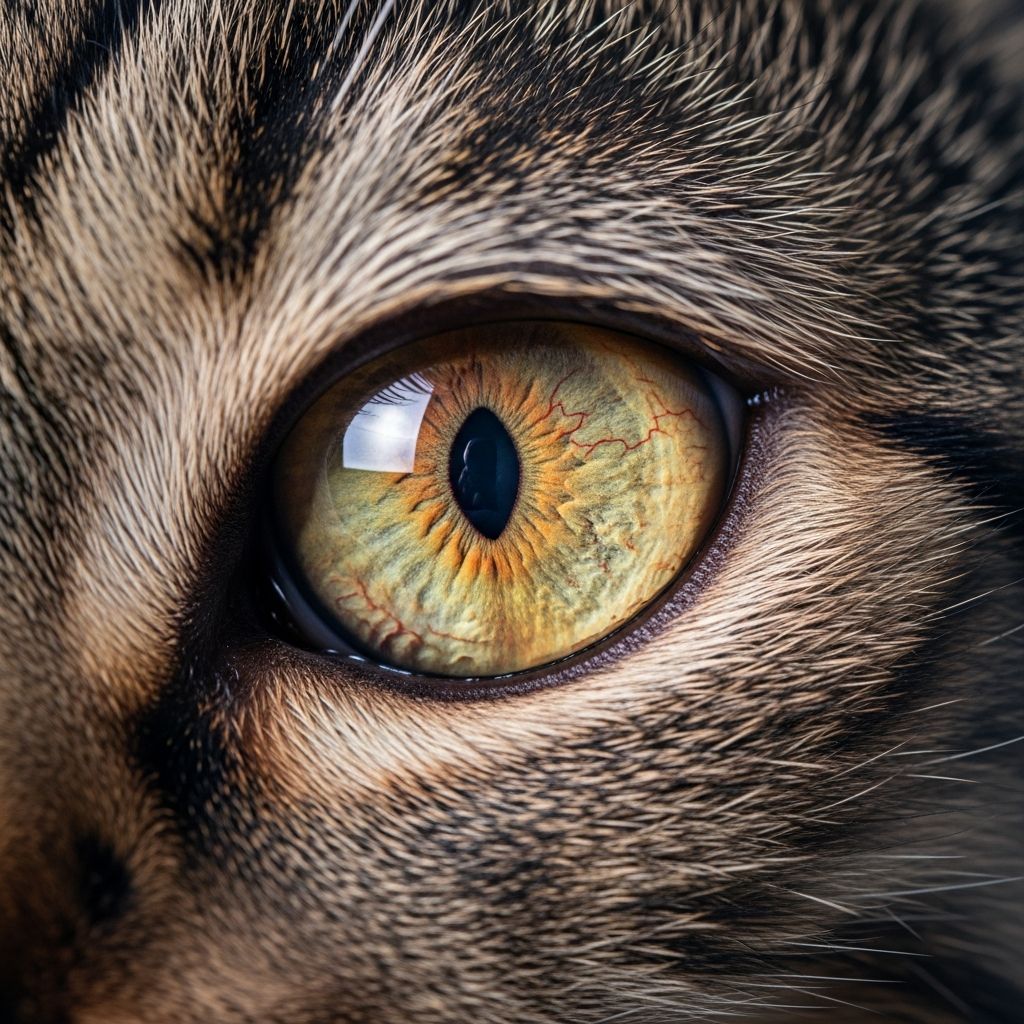
Understanding Uveitis in Cats
Uveitis is a condition characterized by inflammation within the eye, specifically affecting the uveal tract, which includes the iris, ciliary body, and choroid. This inflammatory condition is one of the most common and painful eye diseases affecting cats, and it can potentially lead to vision loss if not properly treated. The condition requires prompt veterinary attention, as early intervention is crucial in preventing secondary complications and maintaining your cat’s vision.
Uveitis can affect cats of any age or breed, though it is often an indicator of underlying systemic disease. Some cats may experience a single episode of uveitis that resolves with appropriate treatment, while others develop chronic uveitis requiring long-term medication management. Understanding this condition, its causes, and available treatments is essential for cat owners seeking to maintain their pet’s ocular health and quality of life.
Recognizing the Symptoms of Uveitis
The symptoms of feline uveitis can vary in severity and presentation. Common clinical signs that may indicate your cat has uveitis include:
- Cloudiness or haziness in the eye
- Eye swelling or inflammation
- Excessive tearing or discharge
- Squinting or blepharospasm
- Redness in and around the eye
- Light sensitivity (photophobia)
- Visible blood in the eye
- Changes in pupil size or appearance
- Eye pain or obvious discomfort
- Behavioral changes indicating pain
If you notice any of these symptoms in your cat, it is essential to seek veterinary care promptly. Uveitis is often painful, and urgent care is recommended for any cat showing signs of this condition, as delays in treatment can result in permanent vision loss or other serious complications.
Causes of Uveitis in Cats
Uveitis in cats can result from various causes, which are generally categorized into ocular causes (related directly to the eye) and systemic causes (related to underlying health conditions).
Ocular Causes
Ocular causes originate from direct eye problems or injuries. These include:
- Corneal ulcers (tears on the surface or within the cornea)
- Eye trauma or injury
- Cataracts (clouding of the eye lens)
- Lens damage resulting in the leakage of lens protein
- Eye tumors
- Reflex uveitis from corneal ulceration or abscessation
Systemic Causes
Systemic causes of uveitis are extensive and can be categorized into infectious, noninfectious, and immune-mediated conditions.
Infectious Causes: These include viral, bacterial, parasitic, and fungal infections that affect the entire body, subsequently causing ocular inflammation.
- Viral infections: Feline leukemia virus (FeLV), feline immunodeficiency virus (FIV), and feline infectious peritonitis (FIP)
- Parasitic infections: Toxoplasmosis and migrating larvae (Cuterebra larval migration)
- Fungal infections: Cryptococcosis and blastomycosis
- Bacterial infections including Bartonella henselae
Feline leukemia and feline infectious peritonitis are among the most common infectious causes of uveitis in cats.
Noninfectious Causes:
- Metabolic diseases such as diabetes
- High blood pressure (hypertension)
- Eating fatty foods
Immune-Mediated Causes:
- Drug reactions
- Vaccine reactions
- Exposure to toxins (typically chemicals or irritants getting onto the eye)
- Autoimmune disease where the cat produces antibodies against its own tissues
- Other systemic disease processes
Idiopathic Uveitis
In many cases of feline uveitis, despite thorough examination and diagnostic testing, a specific underlying cause cannot be identified. This condition is called idiopathic uveitis and accounts for a significant proportion of feline uveitis cases. Idiopathic uveitis is a diagnosis of exclusion, meaning that other potential causes must be ruled out through comprehensive ocular examination, physical examination, and additional diagnostic testing before this diagnosis is confirmed.
Diagnosis of Feline Uveitis
Diagnosing uveitis involves a comprehensive approach that includes both ocular and systemic evaluation. Your veterinarian will perform a thorough ophthalmic examination, which may include:
- Visual inspection of the eye and surrounding structures
- Tonometry to measure intraocular pressure
- Slit-lamp examination to assess anterior chamber inflammation
- Ophthalmoscopy to evaluate posterior segment structures
- Tear production testing
Additional diagnostic testing may be necessary to determine the underlying cause of uveitis. These tests may include blood work, imaging studies, infectious disease screening, and other specialized tests based on clinical findings. Your veterinarian will determine which diagnostic tests are most appropriate for your individual cat based on the clinical presentation and suspected underlying causes.
Treatment Approaches for Uveitis
Treatment of feline uveitis involves two primary strategies: addressing the underlying cause when identified, and providing symptomatic relief to reduce inflammation and pain.
Topical Eye Medications
Corticosteroids: These medications are the treatment of choice for uveitis and should be started immediately after diagnosis. Ophthalmic prednisolone acetate 1% or dexamethasone 0.1% are commonly prescribed and achieve therapeutic levels in the aqueous humor. These medications are typically prescribed every 3 to 6 hours depending on uveitis severity. Following clinical improvement, treatment frequency can be gradually tapered over several weeks. Abrupt cessation of corticosteroid treatment may result in recurrence of uveitis, so a slow taper is often recommended.
Nonsteroidal Anti-Inflammatory Drugs (NSAIDs): Topical NSAIDs such as flurbiprofen (brand name Ocufen®) provide an alternative or complementary anti-inflammatory approach. These medications help reduce inflammation and provide pain relief without the potential side effects associated with corticosteroids in some cases.
Mydriatic and Cycloplegic Agents: Atropine sulfate 1% is commonly used to dilate the pupil, manage pain by paralyzing the ciliary body muscles, and prevent posterior synechia (adhesions between the iris and lens). Atropine ointment is preferred for cats because of the bitter taste of liquid formulations, which can cause significant salivation or vomiting when the medication drains to the nose. Atropine is typically applied once to twice daily depending on uveitis severity, then tapered to every 48 hours after maximal pupil dilation. Tropicamide is an alternative cycloplegic medication that can be used if there is a risk of secondary glaucoma, as it is short-acting and typically lasts only 4 to 6 hours.
Systemic Medications
Systemic therapy becomes necessary for cats with severe anterior uveitis, posterior uveitis, or systemic disease. Oral medications may be used once underlying causes have been ruled out. Both oral prednisone and meloxicam (an NSAID) have been shown to decrease intraocular inflammation in cats, though careful administration is recommended as many NSAIDs are not well tolerated by or advocated for use in cats.
For cats with fungal infections causing uveitis, systemic antifungal treatment is essential. Fluconazole is the preferred treatment for ocular fungal infections, as it is a triazole drug with few side effects that penetrates the eye and brain well.
Targeted Treatment for Underlying Causes
When specific causes are identified, treatment should address these underlying conditions:
- For traumatic injuries: Surgical repair may be necessary
- For infectious diseases: Specific anti-infective therapy appropriate to the organism causing infection
- For systemic diseases: Treatment targeting the underlying condition, such as managing high blood pressure or diabetes
- For lens-induced uveitis: Surgical removal of the affected lens may be necessary
- For tumors: Surgical intervention is typically required
One of the goals of treatment is to prevent secondary complications from developing, such as glaucoma, cataracts, or permanent vision loss. Appropriate treatment of underlying disease, when possible, is paramount, as insufficient management will result in recurrent or persistent uveitis.
Recovery and Management
Many cases of feline uveitis are resolved through comprehensive veterinary care involving thorough examination, diagnostic testing, and appropriate medication therapy. However, recovery timelines vary significantly among individual cats. Some cats experience a single episode that resolves completely with proper treatment, while others require months of ongoing treatment or develop chronic uveitis requiring long-term medication management.
Cats with fungal infections typically require lengthy treatment periods, as the underlying fungal cause can be difficult to eliminate. Your veterinarian will schedule follow-up visits to assess healing and the resolution of the condition. During these appointments, your vet will evaluate the response to treatment and adjust medications as needed.
Anti-inflammatory medications should be gradually tapered to continue for 2 to 4 weeks past the resolution of clinical signs, such as when intraocular pressure returns to normal and aqueous flare resolves. This gradual tapering helps prevent recurrence of inflammation and allows the eye to stabilize completely.
Prevention and Home Care
While not all cases of uveitis can be prevented, certain measures may help reduce your cat’s risk:
- Maintain regular veterinary check-ups to identify systemic diseases early
- Keep vaccinations current as recommended by your veterinarian
- Provide a safe environment to minimize the risk of eye trauma
- Monitor your cat for signs of systemic illness and seek prompt veterinary care
- Administer prescribed medications exactly as directed
- Attend all follow-up appointments to ensure proper healing
Frequently Asked Questions About Feline Uveitis
Q: Is uveitis in cats a serious condition?
A: Yes, uveitis is a serious and painful eye condition that can lead to vision loss if left untreated. Prompt veterinary attention is essential to prevent complications and preserve your cat’s vision.
Q: Can uveitis in cats be cured?
A: Many cases of uveitis can be successfully treated with appropriate veterinary care. However, some cats develop chronic uveitis requiring ongoing medication management. The prognosis depends on the underlying cause and how quickly treatment is initiated.
Q: What is the most common cause of uveitis in cats?
A: Idiopathic uveitis, where no specific underlying cause can be identified despite thorough testing, is one of the most common diagnoses. Among identifiable causes, feline leukemia virus (FeLV) and feline infectious peritonitis (FIP) are among the most common.
Q: How long does treatment for uveitis typically last?
A: Treatment duration varies depending on the underlying cause and severity of inflammation. Some cats recover within weeks, while others require months of treatment or chronic long-term medication management.
Q: Can my cat go blind from uveitis?
A: Without proper treatment, uveitis can potentially lead to blindness. However, with prompt and appropriate veterinary care, many cats retain their vision and experience full or substantial recovery.
Q: What should I do if I notice symptoms of uveitis in my cat?
A: Seek veterinary care immediately. Uveitis is painful and can cause rapid progression of eye damage. Early treatment is crucial for the best outcomes and to prevent complications.
Q: Are certain cat breeds more prone to uveitis?
A: Uveitis can affect cats of any breed or age. However, underlying systemic diseases that may cause uveitis may have breed predispositions that your veterinarian can discuss with you.
Q: Will my cat need medication permanently?
A: This depends on whether your cat develops chronic uveitis. Some cats require only temporary treatment, while others need ongoing medication management to prevent recurrence of inflammation.
References
- Uveitis in Cats: Symptoms, Causes, Treatment, and FAQs — PetMD. 2024. https://www.petmd.com/cat/conditions/eyes/c_ct_anterior_uveitis
- Uveitis in Cats — VCA Animal Hospitals. 2024. https://vcahospitals.com/know-your-pet/uveitis-in-cats
- Managing Uveitis in Dogs and Cats — Today’s Veterinary Practice. 2024. https://todaysveterinarypractice.com/ophthalmology/managing-uveitis-in-dogs-and-cats/
- Uveitis in Cats – Causes, Treatment and Associated Conditions — Vetster. 2024. https://vetster.com/en/conditions/cat/uveitis
- Feline Uveitis: Diagnosis and Treatment — PubMed Central. 2020. https://pmc.ncbi.nlm.nih.gov/articles/PMC7110830/
- Feline Uveitis FAQs — University of Tennessee College of Veterinary Medicine. https://vetmed.tennessee.edu/wp-content/uploads/sites/4/UTCVM_FelineUveitis_FAQs.pdf
- Feline uveitis: A review of its causes, diagnosis, and treatment — DVM360. 2024. https://www.dvm360.com/view/feline-uveitis-review-its-causes-diagnosis-and-treatment
Similar Articles








Read full bio of Sneha Tete