

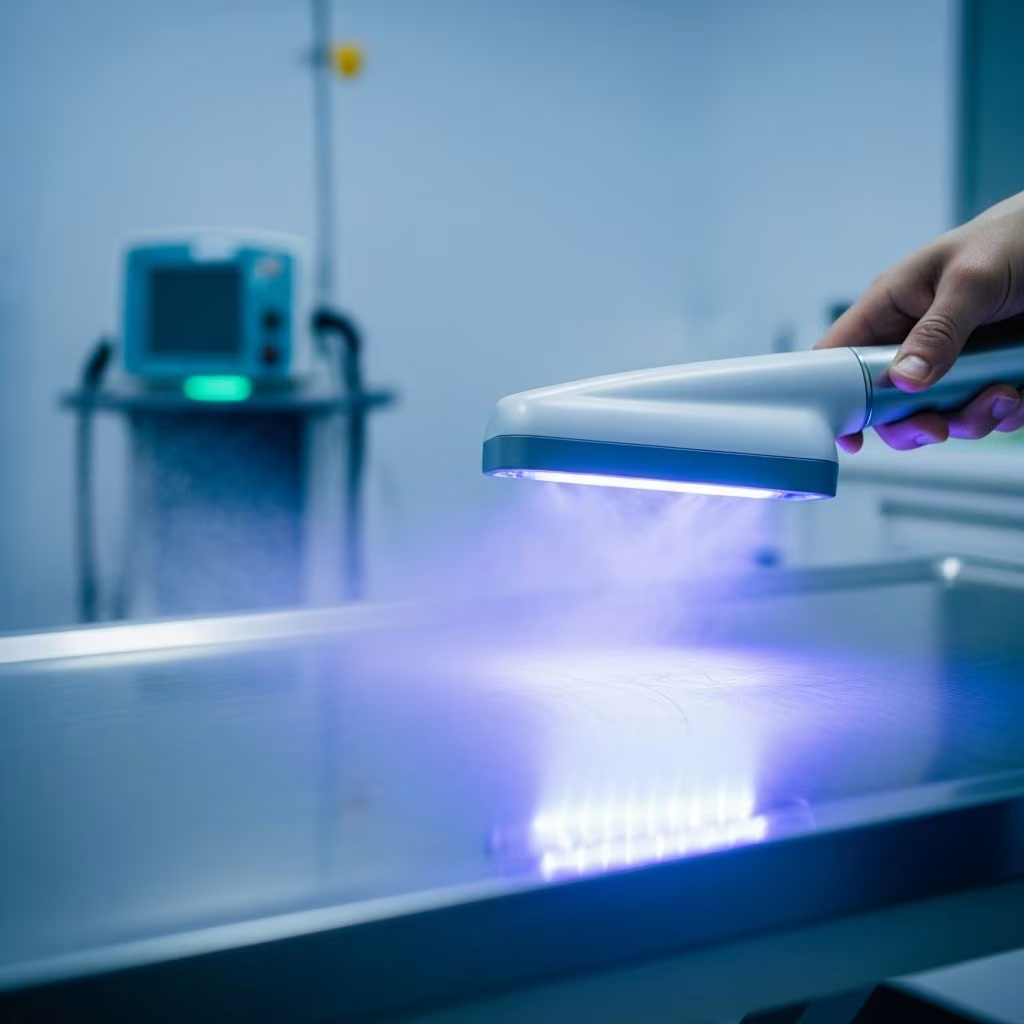
Ultraviolet (UV) light has emerged as a powerful tool in veterinary medicine for controlling microbial pathogens without the use of harsh chemicals. By harnessing specific wavelengths of UV radiation, particularly UV-C at around 254 nm, this technology disrupts the DNA and RNA of bacteria, viruses, and fungi, preventing replication and infection spread. In animal care environments—from bustling clinics to large-scale farms—UV disinfection offers a safe, efficient alternative to traditional methods, promoting healthier livestock, pets, and working animals alike.
The Science Behind UV Light’s Microbial Killing Power
UV light’s germicidal action stems from its ability to penetrate microbial cells and cause thymine dimers in DNA, which halts reproduction. UV-C rays, the most effective range (200-280 nm), are absorbed by nucleic acids, leading to lethal mutations. This process is rapid, often inactivating over 99% of pathogens in seconds to minutes depending on dosage and exposure.
Unlike chemical disinfectants that may leave residues harmful to animals, UV treatment produces no byproducts, making it ideal for food-contact surfaces, water systems, and air in veterinary settings. Studies show UV effectively targets enveloped viruses like coronaviruses and avian influenza, as well as hardy bacteria such as Clostridioides difficile.
Key Applications in Animal Health Facilities
UV systems are versatile, addressing multiple disinfection needs in veterinary practices.
- Air Purification: Upper-air UV units and HVAC-integrated systems continuously sanitize circulating air, reducing airborne pathogens like kennel cough agents (Bordetella) and parvovirus by over 99%.
- Surface Sterilization: Mobile UV wands and robots treat exam tables, surgical tools, and kennels, eliminating ringworm, salmonella, and SARS-CoV-2.
- Water Treatment: UV lamps in waterers deactivate protozoa, bacteria, and viruses in livestock drinking sources, preventing outbreaks without altering water taste or quality.
In zoos and shelters, automated UV devices scan enclosures post-cleaning, ensuring comprehensive coverage and minimizing human error.
Benefits for Veterinary Clinics and Hospitals
Veterinary environments face constant pathogen exposure from diverse animal patients. UV technology reduces downtime between procedures, allowing quick turnaround in operating rooms and isolation wards.
| Benefit | Description | Impact |
|---|---|---|
| Chemical-Free | No residues or fumes | Safe for sensitive animals and staff |
| Rapid Action | Inactivates pathogens in minutes | Minimizes facility closure time |
| Staff Safety | Reduces zoonotic risks | Lowers illness and absenteeism |
| Cost-Effective | Low maintenance; lamps last 1 year | Long-term savings over chemicals |
Occupational health studies highlight veterinary workers’ elevated risks for respiratory infections and zoonoses; UV mitigates these by targeting microbes in air and on surfaces.
UV in Livestock and Farm Management
On farms, UV prevents pandemics linked to intensive operations. Sunlight naturally degrades viruses like H5N1 avian influenza in outdoor feces within 30 minutes, but indoor UV replicates this indoors. Water disinfection systems ensure clean hydration for herds, curbing diseases like cryptosporidiosis.
Farms using UV report fewer antibiotic interventions, supporting antimicrobial stewardship. Enclosed UV air sanitizers handle high-density barns, destroying mold spores and bacteria without ozone production for immediate re-entry.
Safety Protocols for UV Deployment
While highly effective, UV-C poses risks: skin burns and eye damage from direct exposure. Systems incorporate safety features like motion sensors, enclosed chambers, and protective lamp coatings.
- Operate only in unoccupied areas or use shielded units.
- Wear PPE (goggles, gloves) during maintenance.
- Remove or cover aquariums/plants during treatment.
Ozone-free lamps, common in veterinary-grade devices, eliminate respiratory concerns, enabling safe use around animals post-cycle.
Proven Efficacy Against Common Animal Pathogens
UV’s broad-spectrum action covers veterinary threats:
- Viruses: Parvovirus, distemper, calicivirus, coronaviruses (>99.9% kill rate).
- Bacteria: Mycobacterium avium, Acinetobacter, VRE (variable efficacy).
- Fungi: Aspergillus, ringworm spores.
Lab tests confirm 99.99% reduction for salmonella and norovirus analogs, with real-world hospital trials showing decreased C. difficile incidence.
Implementation Strategies and Best Practices
Selecting UV systems involves assessing space, pathogen load, and airflow. Portable wands suit small clinics; fixed HVAC units excel in large facilities.
- Calculate UV dose (mJ/cm²) based on target microbes.
- Combine with mechanical cleaning for optimal results.
- Monitor lamp output quarterly; replace annually.
- Train staff on protocols to ensure compliance.
Hybrid approaches—UV post-chemical wipe—enhance disinfection in high-risk zones like ICUs.
Challenges and Limitations
UV requires direct line-of-sight, ineffective on shadowed areas or soiled surfaces. High organic loads reduce penetration, necessitating pre-cleaning. Efficacy varies by strain; some spores resist standard doses. Initial costs are higher, though ROI comes via reduced disease losses.
Future Directions in UV Veterinary Technology
Advancements include pulsed UV for faster kills, AI-robotic scanners for adaptive coverage, and narrow-band lamps for energy efficiency. Integration with IoT enables remote monitoring and predictive maintenance, promising smarter disinfection.
Research expands UV’s role in plasma sterilization for transfusions and food safety, potentially curbing emerging pandemics from factory farming.
Frequently Asked Questions (FAQs)
What wavelength of UV light is best for disinfection?
UV-C at 254 nm is optimal for germicidal action in veterinary applications.
Is UV safe for use around pets and livestock?
Yes, with proper shielding and ozone-free systems; animals can re-enter immediately after cycles.
How often should UV lamps be replaced?
Typically annually, depending on usage and output monitoring.
Can UV replace all chemical disinfectants?
No, it’s most effective as a complement, especially for air and water.
Does UV work on all pathogens?
Highly effective on most bacteria/viruses; less so on some shadows or heavily soiled prions.
References
- Ultraviolet Light as Antiseptic and Disinfectant for Use With Animals — Merck Veterinary Manual. 2025. https://www.merckvetmanual.com/pharmacology/antiseptics-and-disinfectants/ultraviolet-light-as-antiseptic-and-disinfectant-for-use-with-animals
- BrightBot UV Disinfection of Animal Care Facilities — BrightBot UV-C. Accessed 2026. https://brightbotuvc.com/animal-care
- UV Air Sanitizers Help Stop the Spread of Animal Illness — American Ultraviolet. Accessed 2026. https://ultraviolet.com/uv-air-animal-illness/
- UV Disinfection for Veterinary Hospitals & Clinics — Aerapy Animal Health. Accessed 2026. https://aerapyanimalhealth.com/animal-industry-solutions/veterinary-hospitals-clinics/
- What is the Role of UV Disinfection in Animal Waterers? — Barn World. Accessed 2026. https://www.barnworld.com/livestock-waterer/what-is-the-role-of-uv-disinfection-in-animal-waterers/



