

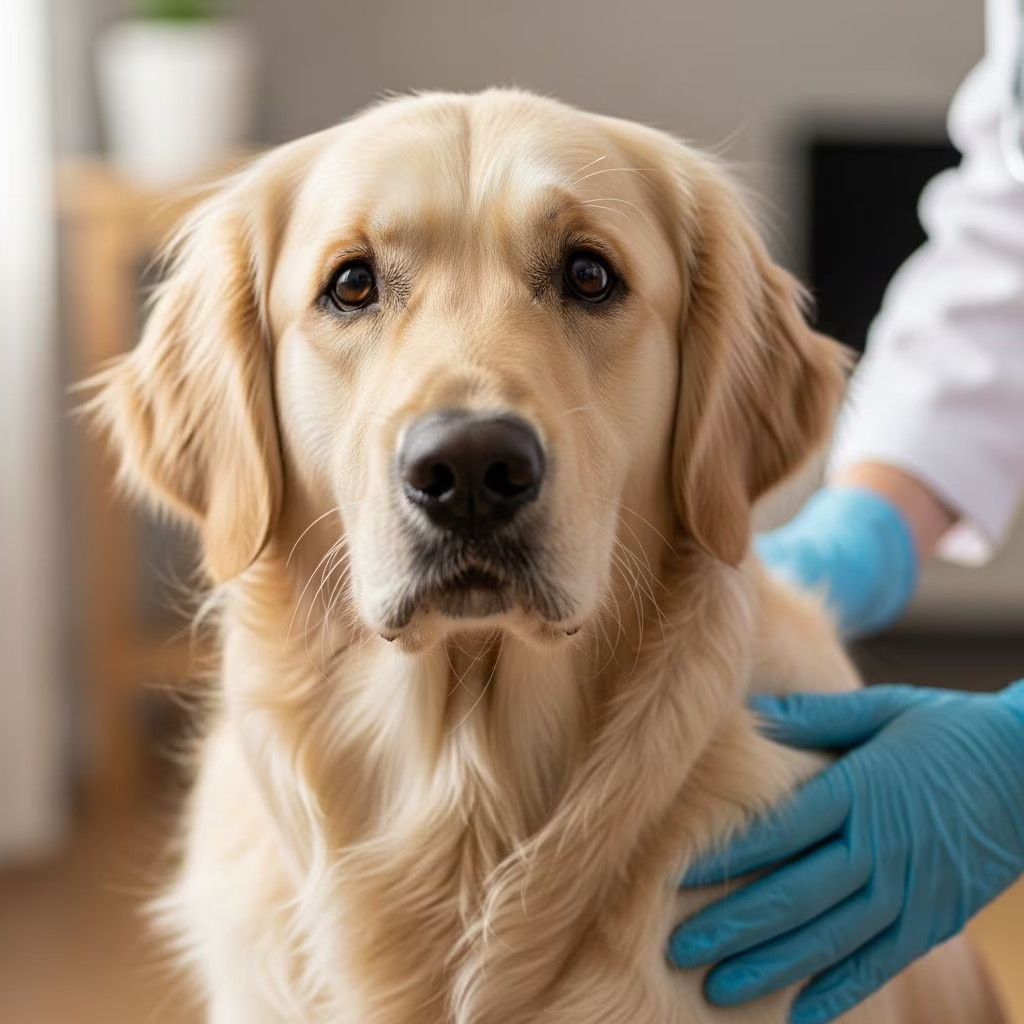
Urinary tract infections (UTIs) represent a frequent health challenge for dogs, primarily driven by bacterial invasion of the bladder and urethra. These infections demand prompt recognition and veterinary intervention to avert escalation to kidney complications or chronic states. This guide explores symptoms, origins, diagnostic approaches, therapies, and proactive measures tailored for canine companions.
Recognizing the Warning Signs of Canine UTIs
Dogs afflicted with UTIs often display behavioral and physical cues signaling urinary distress. Pet owners should monitor for shifts in elimination habits, as these provide the earliest indicators.
- Frequent urination attempts: Dogs may visit outdoor areas repeatedly, producing scant urine volumes each time.
- Straining during voiding: Visible discomfort or prolonged efforts to urinate suggest inflammation or obstruction.
- Blood-tinged or cloudy urine: Hematuria or opacity points to active infection or irritation.
- Excessive genital licking: This self-soothing action arises from irritation around the urethral opening.
- Indoor accidents: House-trained dogs may suddenly soil indoors due to urgency overriding control.
Advanced cases might involve systemic symptoms like lethargy, appetite loss, fever, or vomiting, especially if the infection ascends to the kidneys. Female dogs exhibit higher susceptibility owing to their shorter urethras, facilitating bacterial ascent. Puppies, seniors, and those with comorbidities face elevated risks.
What Triggers UTIs in Canine Patients?
Predominantly, UTIs stem from bacterial pathogens, with *Escherichia coli* (*E. coli*) from fecal sources topping the list, migrating via the urethra into the bladder. Urine’s natural sterility falters when bacteria proliferate unchecked.
Several predisposing elements amplify vulnerability:
| Risk Factor | Description | Impact |
|---|---|---|
| Anatomical traits | Shorter female urethra; skin folds trapping moisture | Eases bacterial entry |
| Bladder stones/crystals | Irritate lining, foster stagnation | Promotes recurrence |
| Endocrine disorders | Diabetes, Cushing’s disease | Weakens immunity, alters urine composition |
| Immunosuppression | Medications, chronic illness | Reduces defenses |
| Dehydration/hygiene | Concentrated urine, poor cleaning | Ideal for bacterial growth |
Recurrent UTIs signal unresolved issues like tumors, prostate problems in males, or structural anomalies, necessitating thorough investigation.
Diagnostic Steps for Accurate UTI Identification
Veterinarians employ a multi-faceted protocol to confirm UTIs and pinpoint causes. Initial assessment includes history review and physical exams targeting abdominal tenderness or genital anomalies.
- Urinalysis: Detects bacteria, white blood cells, crystals, or blood; first-line test.
- Urine culture: Identifies specific bacteria and antibiotic sensitivities, vital for resistant cases.
- Imaging: Ultrasound or X-rays reveal stones, tumors, or obstructions.
- Bloodwork: Checks for diabetes, kidney function, or systemic involvement.
Differentiating UTIs from incontinence or behavioral issues proves crucial, as symptoms overlap. Asymptomatic infections, common in diabetics, require routine screening.
Treatment Protocols: Antibiotics and Beyond
Treatment hinges on culture-guided antibiotics, typically spanning 10-14 days for simple cases, extending for complications. Common agents target *E. coli* effectively, but resistance prompts sensitivity testing.
- Supportive care: Pain relief, anti-inflammatories ease discomfort.
- Stone management: Dietary dissolution or surgical removal if present.
- Underlying condition therapy: Insulin for diabetes, surgery for anomalies.
Follow-up cultures ensure clearance, as incomplete resolution breeds resistance and pyelonephritis (kidney infection). Hospitalization suits severe dehydration or sepsis.
Preventive Strategies to Safeguard Your Dog
Proactive habits mitigate UTI incidence, especially for at-risk breeds like those prone to stones or females with conformational issues.
- Hydration boost: Unlimited fresh water dilutes urine, flushing bacteria.
- Frequent potty breaks: Prevents stagnation; ideal for seniors or post-op dogs.
- Hygiene maintenance: Wipe genital areas post-voiding, especially in long-haired or folded-skin breeds.
- Diet optimization: Low-mineral formulas deter crystals; probiotics support gut-bladder axis.
- Regular vet monitoring: Annual urinalysis for high-risk dogs.
Avoid human remedies; cranberry supplements lack robust evidence in canines, per veterinary consensus.
When UTIs Persist: Managing Chronic and Recurrent Cases
Chronic UTIs demand detective work. Up to 14% of dogs face lifetime episodes, but repeats flag deeper pathology. Pulsed antibiotic therapy or preventive low-dose meds may apply under supervision.
Surgical corrections for hooded vulvas or ectopic ureters yield high success. Holistic monitoring via home urine test strips aids early detection between visits.
FAQs on Dog UTIs
Q: Can UTIs resolve without antibiotics?
A: Rarely in dogs; untreated infections risk kidney damage.
Q: Why do female dogs get more UTIs?
A: Shorter urethra allows easier bacterial access.
Q: Is bloody urine always a UTI sign?
A: No, but common; stones or trauma also cause it.
Q: How long until symptoms improve post-treatment?
A: Typically 48-72 hours; complete course essential.
Q: Can diet prevent UTIs?
A: Helps by reducing stones; not a cure-all.
Q: Should I change water bowls daily for prevention?
A: Yes, clean sources discourage bacterial harboring.
Long-Term Outlook and Owner Vigilance
With swift action, most canine UTIs resolve fully, restoring comfort and continence. Vigilant owners partnering with vets achieve optimal outcomes, minimizing recurrence through lifestyle tweaks. Routine wellness exams catch subclinical issues early, ensuring vibrant health.
References
- UTI (Urinary Tract Infection) in Dogs: Symptoms, Causes & Prevention — Veg.com. 2023. https://www.veg.com/post/uti-urinary-tract-infection-in-dogs-symptoms-causes-prevention
- Urinary Tract Infection (UTI) in Dogs — Neighborhood Veterinary Clinic. 2024. https://www.neighborhoodvetclinic.com/urinary-tract-infection-uti-in-dogs/
- UTIs in Pets: How to Spot the Signs and Prevent Recurring Infections — Providence Veterinary. 2023. https://providencevetva.com/utis-in-pets-how-to-spot-the-signs-and-prevent-recurring-infections/
- 5 Signs of a Urinary Tract Infection in Dogs — Animal Care Center. 2024. https://www.animalcarectr.com/blog/5-signs-of-a-urinary-tract-infection-in-dogs
- A pet owner’s guide to urinary tract infections in dogs — Vetster. 2023. https://vetster.com/en/wellness/a-pet-owner-s-guide-to-urinary-tract-infections-in-dogs
- Urinary Tract Infections (UTIs) in Dogs — VCA Animal Hospitals. 2024-01-15. https://vcahospitals.com/know-your-pet/urinary-tract-infections-utis-in-dogs



