

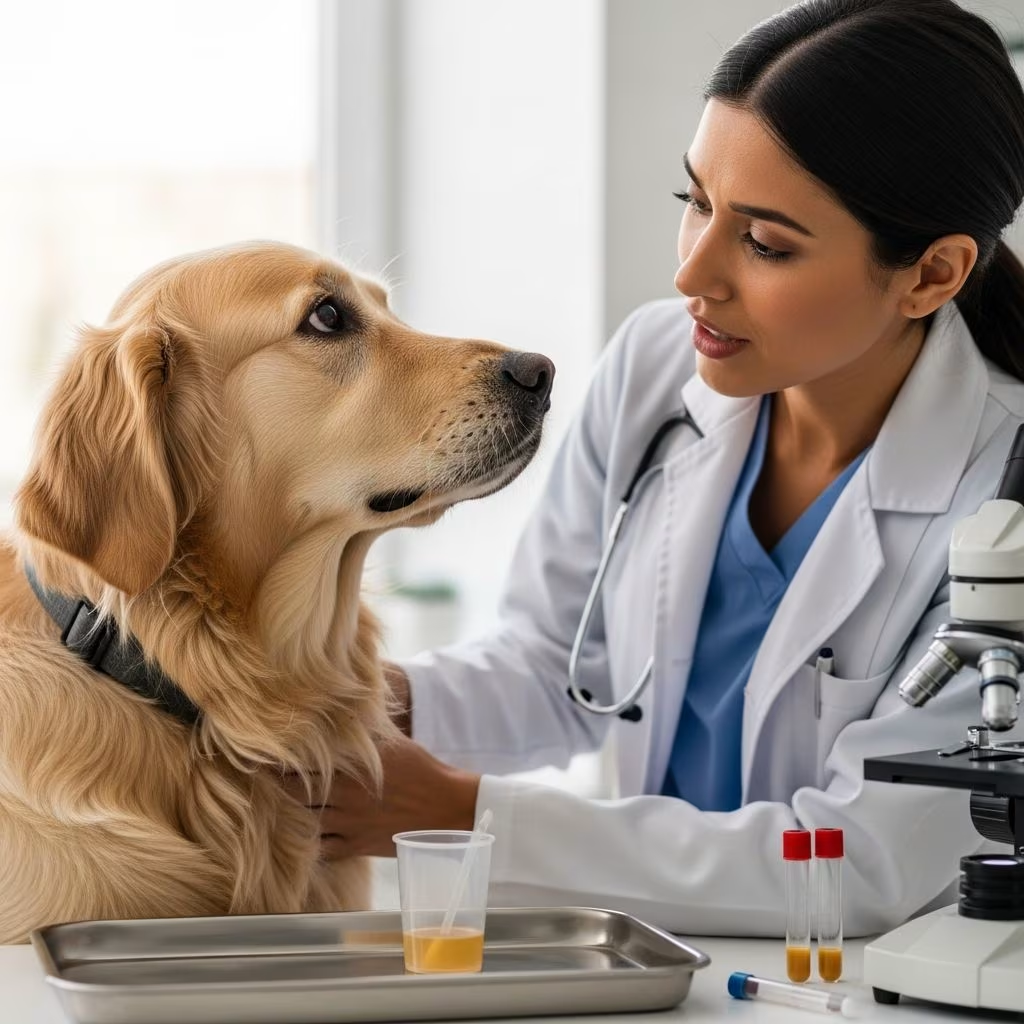
Urinary tract infections represent a frequent health challenge for dogs, often stemming from bacterial invasions that disrupt normal urinary function. These conditions demand prompt recognition to avoid escalation into severe issues like kidney damage. Owners play a pivotal role in observing subtle behavioral shifts that signal trouble.
Recognizing the Warning Signs of Urinary Issues
Dogs afflicted with UTIs display distinct behavioral and physical cues that alert attentive owners. One primary indicator involves altered urination patterns, where dogs attempt to urinate more often but produce minimal output each time. This stems from bladder irritation prompting constant signals to empty, even when little urine accumulates.
Straining during elimination ranks among the most noticeable symptoms, as infected tissues become inflamed and sensitive. Dogs may posture repeatedly without success or exhibit discomfort through whining or restlessness. Excessive licking around the genital region follows closely, serving as the dog’s instinctive response to soothe irritation or clear abnormal discharges.
- Frequent, unproductive urination attempts disrupt daily routines and household cleanliness.
- Visible straining or cries of pain during the act highlight acute discomfort.
- Persistent genital licking often mats fur and signals underlying inflammation.
Urine characteristics shift dramatically in affected dogs. Expect cloudy appearances, potent odors, or tinges of blood, reflecting bacterial proliferation and tissue damage. Incontinence-like accidents indoors, uncommon for house-trained pets, further underscore the infection’s impact on bladder control. Advanced cases extend symptoms systemically, incorporating lethargy, appetite loss, fever, or vomiting when kidneys become involved.
Root Causes Behind Canine Urinary Infections
Bacterial ascent through the urethra initiates most UTIs, with *Escherichia coli* from fecal matter leading as the predominant culprit due to its proximity to the urinary opening. Female dogs face heightened vulnerability owing to their shorter urethras, facilitating easier bacterial migration compared to males.
Anatomical and hygiene elements compound risks. Skin folds or retained moisture near the vulva trap bacteria, fostering ascent into the bladder. Incomplete bladder emptying, often from weakness or obstructions, creates stagnant environments ripe for multiplication.
| Risk Factor | Description | Impact on UTI Likelihood |
|---|---|---|
| Shorter Urethra (Females) | Anatomical feature allowing quicker bacterial entry | High – Most common predisposition |
| Bladder Stones/Crystals | Irritants causing inflammation and stasis | High – Promotes recurrent infections |
| Diabetes Mellitus | Elevated sugar levels feeding bacteria | Moderate to High |
| Immunosuppression | Medications or diseases weakening defenses | Moderate |
Systemic conditions amplify susceptibility dramatically. Diabetes fosters bacterial growth via glucosuria, while Cushing’s disease, kidney ailments, and cancers impair urinary defenses. Bladder stones not only irritate but also shelter bacteria from natural flushing. Puppies, seniors, and dogs on corticosteroids encounter elevated risks due to immature, declining, or suppressed immunity. Dehydration concentrates urine, enhancing bacterial viability.
Diagnostic Approaches for Accurate Identification
Veterinarians employ targeted diagnostics to confirm UTIs and pinpoint pathogens. Initial urinalysis screens for bacteria, white blood cells, blood, or crystals via dipstick or microscopy. Yet, culture and sensitivity testing provide definitive identification, culturing samples to reveal bacterial strains and their antibiotic vulnerabilities.
Imaging like ultrasound or X-rays detects stones, tumors, or structural anomalies underlying recurrent cases. Blood panels assess kidney function and screen for diabetes or hormonal imbalances. Differentiating UTIs from incontinence proves crucial, as UTI dogs remain urination-aware but frequent, unlike involuntary dribbling.
Treatment Strategies to Restore Urinary Health
Antibiotics form the cornerstone, selected post-culture for 10-14 days to eradicate infections thoroughly and curb resistance. Symptom relief incorporates pain management and anti-inflammatories, while stone dissolution or surgical extraction addresses root contributors.
Hospitalization suits severe pyelonephritis cases with IV fluids and monitoring. Post-treatment cultures verify clearance, especially in high-risk dogs requiring ongoing surveillance. Owners must administer full antibiotic courses despite symptom abatement to prevent relapse.
Proactive Steps to Prevent Recurrence
Prevention hinges on bolstering urinary defenses through lifestyle measures. Ample fresh water intake dilutes urine, flushing bacteria effectively—consider fountains to entice drinking. Frequent outdoor access ensures complete emptying, minimizing stasis.
- Maintain hygiene by gently cleaning genital areas, particularly in long-haired or fold-prone females.
- Schedule regular vet check-ups with urine screenings for at-risk breeds or seniors.
- Manage underlying diseases like diabetes rigorously to reduce predispositions.
- Feed urinary-supportive diets if stones or crystals appear recurrently.
Weight control and exercise support bladder tone, while avoiding irritant treats preserves mucosal integrity. For recurrent sufferers, low-dose prophylactic antibiotics or supplements may apply under veterinary guidance.
When to Seek Immediate Veterinary Intervention
Urgency escalates with systemic signs like vomiting, fever, or profound lethargy, signaling potential kidney involvement. Unremitting straining, bloody urine volumes, or sudden incontinence warrant same-day evaluation to forestall complications. Puppies, seniors, or chronically ill dogs merit swift action even for mild symptoms given vulnerability.
Frequently Asked Questions About Dog UTIs
Can UTIs resolve without antibiotics?
Rarely; most require treatment to prevent ascent and resistance. Mild cases may self-limit, but veterinary confirmation ensures safety.
Why do female dogs suffer more UTIs?
Their shorter urethras enable easier bacterial access from nearby anal regions.
Do diet changes prevent UTIs?
They aid by promoting hydration and reducing crystals, but not standalone solutions.
How long until UTI symptoms improve?
Typically 48-72 hours post-antibiotics, though full courses last weeks.
Are UTIs contagious between dogs?
No, they arise from endogenous bacteria, not dog-to-dog transmission.
Long-Term Monitoring for Chronic Cases
Dogs with repeated UTIs demand vigilant oversight. Quarterly urinalyses track subclinical infections, while addressing predisposers like incontinence or endocrine disorders proves essential. Owners benefit from logging urination patterns, water intake, and symptoms for vet consultations.
References
- UTI (Urinary Tract Infection) in Dogs: Symptoms, Causes & Prevention — Veg.com. 2023. https://www.veg.com/post/uti-urinary-tract-infection-in-dogs-symptoms-causes-prevention
- Urinary Tract Infection (UTI) in Dogs — Neighborhood Veterinary Clinic. 2024. https://www.neighborhoodvetclinic.com/urinary-tract-infection-uti-in-dogs/
- UTIs in Pets: How to Spot the Signs and Prevent Recurring Infections — Providence Veterinary Hospital. 2023. https://providencevetva.com/utis-in-pets-how-to-spot-the-signs-and-prevent-recurring-infections/
- 5 Signs of a Urinary Tract Infection in Dogs — Animal Care Center. 2024. https://www.animalcarectr.com/blog/5-signs-of-a-urinary-tract-infection-in-dogs
- A pet owner’s guide to urinary tract infections in dogs — Vetster. 2023. https://vetster.com/en/wellness/a-pet-owner-s-guide-to-urinary-tract-infections-in-dogs
- Urinary Tract Infections (UTIs) in Dogs — VCA Animal Hospitals. 2024. https://vcahospitals.com/know-your-pet/urinary-tract-infections-utis-in-dogs



