

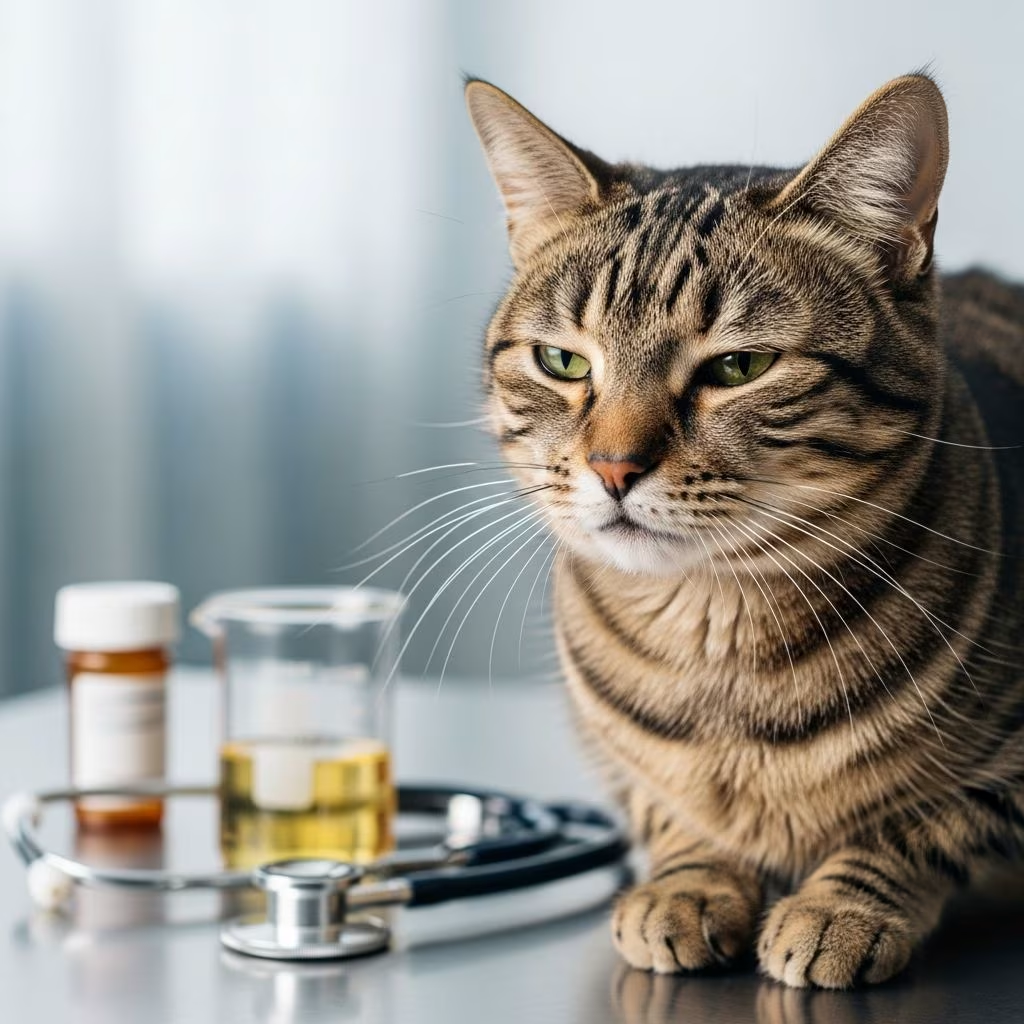
Understanding Urinary Tract Infections in Cats
Urinary tract infections (UTIs) are a common health concern affecting cats of all ages and breeds. A UTI in cats is a bacterial infection that develops in the bladder and urinary system, causing discomfort and various clinical signs that pet owners should recognize. These infections can range from mild to severe, and early detection is crucial for preventing complications and ensuring your cat receives appropriate treatment quickly.
The urinary system in cats is normally sterile, meaning it contains no harmful bacteria. However, when bacteria travel up the urethra and enter the bladder, they can multiply and establish an infection. Understanding how these infections develop and what signs to watch for will help you protect your feline companion’s health and well-being.
How Cats Develop Urinary Tract Infections
UTIs in cats are caused by bacterial infections that enter through the urethra. Bacteria travel up this tube and establish themselves in the bladder where they multiply and reproduce, causing inflammation and infection. Several factors can increase your cat’s susceptibility to developing a UTI, making some felines more vulnerable than others.
Female cats are significantly more prone to urinary tract infections because they have shorter urethras compared to males, making it easier for bacteria to reach the bladder. Additionally, certain underlying health conditions can predispose cats to UTIs. Diabetes, kidney disease, and hyperthyroidism can weaken the immune system or alter the urinary tract environment, making it more conducive for bacterial growth.
Bladder stones represent another risk factor, as they can irritate the bladder lining or obstruct urine flow, creating an ideal environment for bacterial colonization. Cats with poor grooming habits or those unable to groom themselves properly due to obesity or arthritis may accumulate dirt and bacteria around the genital area, increasing infection risk. Environmental factors also play a role, including stress, dehydration, and living in multi-cat households.
Recognizing Symptoms of Feline Urinary Tract Infections
Identifying UTI symptoms early is essential for prompt veterinary intervention. Cat owners should watch for several characteristic signs that may indicate their pet is suffering from a urinary tract infection.
Primary symptoms include:
- Straining to urinate or difficulty during urination
- Reduced amounts of urine or inability to urinate completely
- Not urinating at all, which constitutes a medical emergency
- Pain or discomfort when urinating
- Urine tinged with blood, appearing pinkish in color
- Urinating outside the litter box in unusual locations
Additional behavioral and physical signs may include:
- Excessive licking of the genital area due to irritation
- Strong ammonia or unpleasant odor in urine
- Increased thirst and drinking more water than usual
- Loss of bladder control or incontinence
- Avoidance or fear of the litter box
- Hard or distended abdomen
- Lethargy and decreased activity levels
- Vomiting and loss of appetite
- Fever, irritability, or general signs of feeling unwell
Some cats may urinate in unusual places such as bathtubs, sinks, or on hard or cold floors rather than their litter box, which is often their way of communicating discomfort. If you notice any combination of these symptoms, contact your veterinarian promptly for evaluation.
Distinguishing UTIs from Other Urinary Tract Diseases
It’s important to note that similar symptoms can indicate other feline lower urinary tract diseases (FLUTD) or conditions beyond simple UTIs. Several conditions can present with comparable clinical signs, making professional veterinary diagnosis essential.
Other lower urinary tract conditions include:
- Bladder stones (uroliths)
- Urethral obstruction
- Crystalluria (crystals in the urine)
- Feline idiopathic cystitis (FIC), bladder inflammation of unknown cause
- Tumors or polyps in the urinary tract
- Spinal cord issues
- Congenital abnormalities
- Incontinence due to weak bladder or excessive water consumption
- Urethral plugs from debris accumulation
- Injury or tumors in the urinary tract
- Emotional or environmental stressors
Feline idiopathic cystitis (FIC) is particularly common in cats and causes bladder inflammation that may lead to secondary infections. While the exact cause remains unknown, stress is believed to be a significant contributing factor. Because these conditions can mimic UTI symptoms, accurate veterinary diagnosis through testing is necessary to determine the underlying cause and appropriate treatment.
Diagnosing Urinary Tract Infections in Cats
When you bring your cat to the veterinarian with suspected UTI symptoms, your vet will conduct a thorough examination and diagnostic testing. Proper diagnosis ensures that treatment targets the actual problem rather than assuming a simple UTI when other conditions may be present.
Your veterinarian will perform a physical examination and likely request a urinalysis, which involves analyzing a urine sample under a microscope. This test can reveal the presence of bacteria, white blood cells, red blood cells, crystals, and other abnormalities that indicate infection or other urinary tract disease. Some veterinarians may also perform a urine culture to identify the specific type of bacteria causing the infection, which can help guide antibiotic selection for more effective treatment.
Additional diagnostic imaging such as ultrasound or X-rays may be recommended to rule out bladder stones, tumors, or other structural abnormalities that could contribute to urinary symptoms. Blood tests might also be performed to assess your cat’s overall health and identify any underlying conditions like diabetes or kidney disease that could predispose them to UTIs.
Treatment Options for Feline UTIs
Once your veterinarian confirms a urinary tract infection diagnosis, treatment typically focuses on eliminating the bacterial infection and managing symptoms to provide relief for your cat.
Primary treatment approach:
Cats diagnosed with UTIs such as cystitis are typically prescribed antibacterial medications to fight the infection. Your veterinarian will select an appropriate antibiotic based on the type of bacteria involved and your cat’s specific health status. It’s crucial to administer the full course of antibiotics as prescribed, even if your cat appears to improve, to ensure complete elimination of the infection and prevent recurrence.
Supportive care measures may include:
- Pain relief medications to alleviate discomfort during urination
- Increased water intake to promote flushing of the urinary tract
- Dietary modifications if recommended by your veterinarian
- Environmental enrichment and stress reduction techniques
- Frequent litter box access to encourage regular urination
- Treatment of underlying health conditions contributing to the infection
If your veterinarian cannot determine the underlying cause of your cat’s urinary symptoms, your cat may be diagnosed with cystitis, which is inflammation of the bladder. In these cases, managing inflammation and stress becomes central to treatment, alongside any necessary antibiotic therapy.
Prevention and Long-Term Management
While not all UTIs can be prevented, several strategies can reduce your cat’s risk of developing urinary tract infections and support urinary health long-term.
Preventive measures include:
- Ensuring your cat has consistent access to fresh, clean water to promote adequate hydration and urine production
- Maintaining clean litter boxes and providing multiple boxes in multi-cat households
- Reducing environmental stress through environmental enrichment and maintaining routine
- Assisting with grooming for senior cats or those with mobility issues to prevent bacterial accumulation
- Managing underlying health conditions like diabetes or hyperthyroidism effectively
- Regular veterinary check-ups to catch potential problems early
- Monitoring weight to prevent obesity-related mobility issues
- Providing appropriate nutrition and hydration, including consideration of wet food diets
For cats prone to recurrent UTIs, your veterinarian may recommend ongoing monitoring, dietary modifications, or additional preventive measures. Some cats benefit from increased water intake through wet food or water fountains that encourage drinking.
When to Seek Emergency Veterinary Care
Certain situations require immediate veterinary attention and should not wait for a regular appointment. If your cat cannot urinate at all, this constitutes a medical emergency, particularly in male cats where urethral obstruction can occur. Complete urinary blockage can be life-threatening if not treated promptly. Additionally, if your cat shows signs of severe illness such as high fever, persistent vomiting, extreme lethargy, or abdominal pain, emergency veterinary care is warranted.
Frequently Asked Questions About Feline UTIs
Q: Can cats recover completely from urinary tract infections?
A: Yes, most cats recover completely from UTIs when treated promptly with appropriate antibiotics and supportive care. Recovery prognosis depends on early detection and addressing any underlying health conditions that contributed to the infection.
Q: How long does it take to treat a cat UTI?
A: Most UTI treatments involve a course of antibiotics lasting 7 to 14 days. Your cat may show improvement within a few days, but it’s essential to complete the entire prescribed course even if symptoms resolve.
Q: Are male or female cats more prone to UTIs?
A: Female cats are more prone to UTIs because they have shorter urethras that make it easier for bacteria to reach the bladder. However, males can also develop UTIs and face the risk of urethral obstruction.
Q: Can stress cause UTIs in cats?
A: Yes, stress can contribute to the development of UTIs and related urinary tract diseases in cats. Environmental changes, multi-cat households, and routine disruptions can all increase stress-related urinary issues.
Q: How can I prevent my cat from getting a UTI?
A: Provide fresh water access, maintain clean litter boxes, reduce environmental stress, manage underlying health conditions, and schedule regular veterinary check-ups to help prevent UTIs in your cat.
Q: What should I do if my cat stops urinating?
A: Inability to urinate is a medical emergency requiring immediate veterinary attention. Contact an emergency veterinary clinic right away, as urinary blockage can be life-threatening.
References
- Urinary Tract Infections (UTIs) in Cats — VCA Animal Hospitals. 2024. https://vcahospitals.com/know-your-pet/urinary-tract-infections-utis-in-cats
- UTIs in Cats (Urinary Tract Infections in Cats) — PetMD. 2024. https://www.petmd.com/cat/conditions/urinary/utis-cats-urinary-tract-infections-cats
- Bladder Infection (UTI) in Cats — PDSA. 2024. https://www.pdsa.org.uk/pet-help-and-advice/pet-health-hub/conditions/bladder-infection-uti-in-cats
- UTI in Cats: Exploring the Signs, Causes, and Treatment Options — Bond Vet. 2024. https://bondvet.com/blog/uti-in-cats-symptoms-diagnosis-treatment-and-prevention
- Cat Urinary Tract Infections & Diseases: Symptoms, Treatment, Recovery — Animal General CT. 2022. https://www.animalgeneralct.com/site/blog/2022/03/15/cat-urinary-tract-infections-and-diseases-symptoms-treatment-recovery



