UTI in Cats: Symptoms, Diagnosis, and Treatment
Complete guide to recognizing, diagnosing, and treating urinary tract infections in cats.
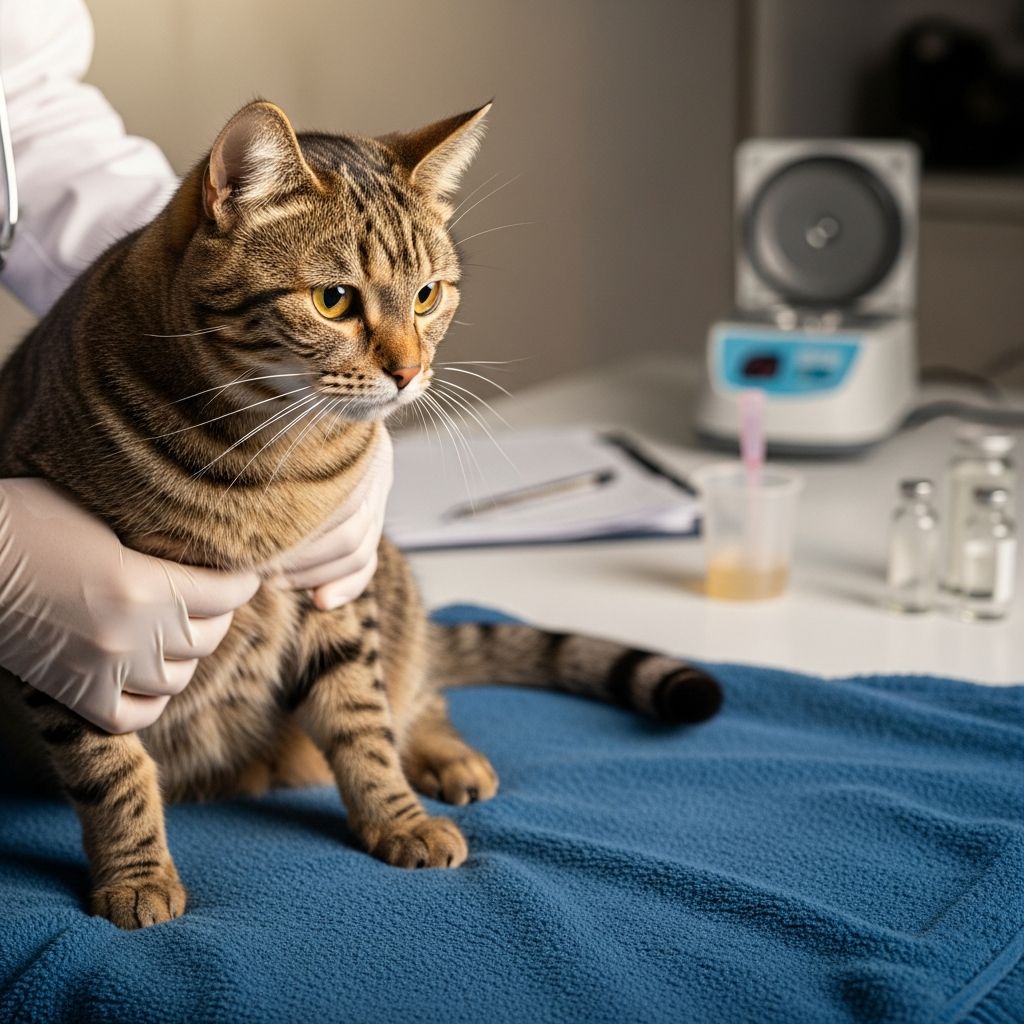
Understanding Urinary Tract Infections in Cats
Urinary tract infections (UTIs) represent a common health concern affecting cats of various ages and backgrounds. These infections occur when bacteria invade the cat’s urinary system, causing inflammation and discomfort. While UTIs are treatable with proper veterinary care, recognizing the early signs and seeking prompt treatment is essential to prevent complications and ensure your feline companion’s well-being. This comprehensive guide covers everything cat owners need to know about urinary tract infections, from identifying symptoms to understanding treatment options.
What Is a Feline Urinary Tract Infection?
A urinary tract infection in cats, often referred to as cystitis when it affects the bladder, involves bacterial contamination of the lower urinary tract. The condition can affect any part of the urinary system, including the bladder, urethra, and kidneys. Cats are susceptible to UTIs due to various factors including age, gender, underlying health conditions, and urinary tract abnormalities. Understanding the nature of these infections helps cat owners appreciate the importance of early detection and intervention.
Common Symptoms of Cat UTIs
Recognizing the symptoms of a urinary tract infection is the first step toward getting your cat proper treatment. Cats with UTIs typically display several characteristic signs that may vary in severity depending on the infection’s extent.
Primary Urinary Symptoms
The most obvious indicators of a feline UTI involve changes in urination patterns and behavior. Your cat may strain to urinate while producing only small amounts of urine, or in severe cases, may be unable to urinate at all. Pain or discomfort during urination often causes cats to vocalize or appear anxious when using the litter box. One telltale sign is the presence of blood in the urine, which may appear as a pinkish tint or visible blood spots. Additionally, cats with UTIs may urinate outside their litter box in unusual locations such as the bathtub, sink, or on flooring, signaling that something is wrong with their urinary system.
Behavioral and General Symptoms
Beyond urinary changes, infected cats often exhibit broader signs of illness. Excessive licking of the genital area indicates discomfort and irritation from the infection. The urine may develop a notably strong or ammonia-like odor that differs from your cat’s normal urine smell. Some cats show signs of general malaise including lethargy, reduced appetite, fever, and irritability. In more serious cases, you may notice your cat avoiding the litter box due to fear or pain associated with urination, or displaying loss of bladder control. Additional warning signs include drinking more water than usual, vomiting, and a hard or distended abdomen.
Distinguishing UTIs from Feline Lower Urinary Tract Disease (FLUTD)
It’s important to note that urinary tract infection symptoms can overlap with feline lower urinary tract disease (FLUTD), a broader condition that encompasses multiple urinary problems. While a UTI is specifically a bacterial infection, FLUTD can result from various causes including bladder stones, urinary blockages, tumors, or idiopathic cystitis (inflammation without a identified cause). If your cat displays urinary symptoms, professional veterinary evaluation is necessary to determine the exact underlying condition and appropriate treatment approach.
Diagnostic Procedures for Cat UTIs
Accurate diagnosis is crucial for effective treatment of feline urinary tract infections. Veterinarians employ several diagnostic tools to identify UTIs and rule out other urinary tract disorders.
Initial Examination and Urinalysis
The diagnostic process typically begins with a thorough physical examination and detailed discussion of your cat’s symptoms and medical history. Your veterinarian will palpate the abdomen to assess bladder size and check for pain or abnormalities. The next critical step involves urinalysis, which examines the urine sample under a microscope to identify bacteria, white blood cells, red blood cells, crystals, and other indicators of urinary tract disease or abnormalities. This initial screening provides valuable information about the presence and severity of infection.
Urine Culture and Sensitivity Testing
When a UTI is suspected, your veterinarian will perform a urine culture to identify the specific bacterial species causing the infection. This test is essential because it allows the veterinarian to determine which antibiotics will be most effective against the identified bacteria. Urine samples for culture should ideally be collected through cystocentesis, a procedure where a needle is inserted directly into the bladder to obtain a sterile sample, preventing contamination from the lower urinary tract. Culture results typically take three to five days to process.
Additional Diagnostic Testing
Depending on your cat’s specific symptoms and medical history, your veterinarian may recommend additional diagnostic procedures. Blood work can help assess your cat’s overall health and kidney function, particularly important if kidney infection is suspected. Ultrasound imaging may be performed to visualize the bladder, urethra, and kidneys, helping to identify structural abnormalities, stones, or other complications that might contribute to recurrent infections. In some cases, radiographs (X-rays) may be taken to detect bladder or urethral stones that could predispose your cat to UTIs.
Treatment Options for Feline UTIs
Once a UTI diagnosis is confirmed, treatment focuses on eliminating the bacterial infection and managing pain while addressing any underlying factors that contributed to the infection.
Antibiotic Therapy
Antibiotics form the cornerstone of UTI treatment in cats. Because culture results take several days, veterinarians typically initiate treatment with broad-spectrum antibiotics that are effective against the most common UTI-causing bacteria. Once culture and sensitivity results are available, your veterinarian may adjust the antibiotic to one that targets the specific bacteria identified in your cat’s urine. The typical antibiotic course lasts between seven and fourteen days. It’s crucial to complete the full prescribed course of antibiotics even if your cat appears to improve, as stopping treatment prematurely can result in recurrence or the development of antibiotic-resistant bacteria.
Pain Management and Anti-Inflammatory Medications
UTIs cause significant discomfort for affected cats. Pain medications and anti-inflammatory drugs are often prescribed to manage discomfort while antibiotics work to eliminate the infection. These medications improve your cat’s quality of life during treatment and reduce the stress associated with urination pain.
Supportive Care and Fluid Therapy
Increasing water consumption helps dilute the urine and promotes flushing of bacteria from the urinary tract. Your veterinarian may recommend dietary modifications to support urinary health. In cases of severe infection or urinary obstruction, intravenous or subcutaneous fluid therapy may be necessary to maintain hydration, support kidney function, and help flush bacteria from the system.
Management of Complications
For male cats with urethral obstruction, more aggressive intervention may be necessary. A urinary catheter may be placed to relieve the blockage and allow urine to drain, or surgery may be required to remove urethral stones or address structural abnormalities. If bladder stones are identified as a contributing factor, additional treatment may include urinary acidifiers or dietary modifications to prevent stone formation and recurrent infections.
Recovery and Follow-Up Care
Most uncomplicated feline UTIs can be treated on an outpatient basis without hospitalization. However, close monitoring during recovery is essential to ensure treatment success. After completing the antibiotic course, your veterinarian will likely recommend a follow-up urinalysis to confirm that the infection has been completely resolved. If urinary symptoms persist after treatment completion, additional investigation is warranted to identify underlying factors such as kidney infection (pyelonephritis), bladder stones, or structural abnormalities that may contribute to recurrent infections.
Prevention Strategies for Cat UTIs
While not all UTIs are preventable, several strategies can reduce your cat’s risk of developing urinary tract infections. Maintaining adequate hydration is crucial; ensure your cat has constant access to fresh water and consider using a cat water fountain to encourage drinking. Regular litter box cleaning promotes good hygiene and allows you to monitor your cat’s urination patterns for early detection of problems. A high-quality diet appropriate for your cat’s age and health status supports overall urinary tract health. Some cats benefit from diets specifically formulated to support urinary health and prevent stone formation. Regular veterinary check-ups allow your veterinarian to identify early signs of urinary problems before they develop into full infections.
When to Seek Immediate Veterinary Care
Certain situations require emergency veterinary attention. If your male cat is unable to urinate or is straining without producing urine, seek immediate care as this may indicate a life-threatening urinary obstruction. Similarly, if your cat exhibits signs of severe systemic illness such as vomiting, fever, lethargy, or abdominal pain, professional evaluation is necessary. Any cat displaying urinary symptoms should be evaluated by a veterinarian within 24 hours to prevent complications.
Potential Complications of Untreated UTIs
Leaving a feline UTI untreated can lead to serious complications. Persistent infections may ascend to the kidneys, causing pyelonephritis, a more serious condition requiring intensive treatment. Secondary bladder stones may develop as a result of chronic infection, requiring surgical removal. Untreated infections cause ongoing discomfort and suffering for your cat, affecting their quality of life and behavior.
Frequently Asked Questions About Cat UTIs
Q: How long does it take for antibiotic treatment to work for a cat UTI?
A: Most cats begin showing improvement within 48 to 72 hours of starting antibiotic treatment. However, the full course of antibiotics must be completed as prescribed, typically lasting 7 to 14 days, even if symptoms resolve earlier.
Q: Can a cat UTI go away on its own without treatment?
A: While some mild infections might theoretically resolve independently, waiting without treatment risks serious complications including kidney infection and persistent discomfort. Professional veterinary treatment is strongly recommended to ensure complete resolution and prevent complications.
Q: Are male or female cats more prone to UTIs?
A: While both male and female cats can develop UTIs, male cats face increased risk of urinary obstruction, which is a more serious complication. Female cats may have higher overall UTI rates in some populations.
Q: What should I do if my cat’s UTI symptoms return after treatment?
A: Recurrent UTI symptoms warrant immediate veterinary evaluation. Your veterinarian may recommend additional diagnostic testing to identify underlying factors such as kidney infection, bladder stones, or structural abnormalities that predispose your cat to repeated infections.
Q: Can diet help prevent UTIs in cats?
A: Yes, diet plays an important role in urinary tract health. Adequate hydration through diet and water consumption helps dilute urine and promote bacterial flushing. Some cats benefit from therapeutic diets formulated to support urinary health and maintain appropriate urine pH.
Q: Is hospitalization necessary for treating feline UTIs?
A: Most uncomplicated feline UTIs can be successfully treated on an outpatient basis with oral antibiotics and supportive care at home. Hospitalization is typically reserved for severe infections, complications, or cases involving urinary obstruction.
Q: How can I tell if my cat’s UTI has been cured?
A: After completing antibiotic treatment, your veterinarian will perform a follow-up urinalysis to confirm that the infection has been eliminated. Resolution includes normalization of urinary habits, elimination of pain-related behaviors, and negative bacterial culture results.
References
- UTI in Cats: Exploring the Signs, Causes, and Treatment Options — Bond Vet. Accessed November 2025. https://bondvet.com/blog/uti-in-cats-symptoms-diagnosis-treatment-and-prevention
- How to Care for a Cat with a Urinary Tract Infection — Atlantic Coast Veterinary Referral Center. August 30, 2023. https://www.atlanticcoastvet.com/site/blog-long-island-vet/2023/08/30/how-care-cat-urinary-tract-infection
- Cat Urinary Tract Infection – Symptoms, Treatment & Recovery — Animer Veterinary Emergency & Specialty Hospital. May 30, 2021. https://www.animergevets.com/site/blog/2021/05/30/cat-urinary-tract-infection
- Cat Urinary Infection & Treatment — Flat Rock Animal Medical Center. April 29, 2021. https://www.wcrah.com/site/blog-flat-rock-vet/2021/04/29/cat-urinary-infection-treatment
- Urinary Tract Infections (UTIs) in Cats — VCA Animal Hospitals. https://vcahospitals.com/know-your-pet/urinary-tract-infections-utis-in-cats
- Urinary Tract Infection (UTI) in Cats — Small Door Veterinary. https://www.smalldoorvet.com/learning-center/medical/uti-in-cats
- Cat Urinary Tract Problems and Infections — WebMD Pets. https://www.webmd.com/pets/cats/cat-urinary-tract-problems
Similar Articles







Read full bio of medha deb