

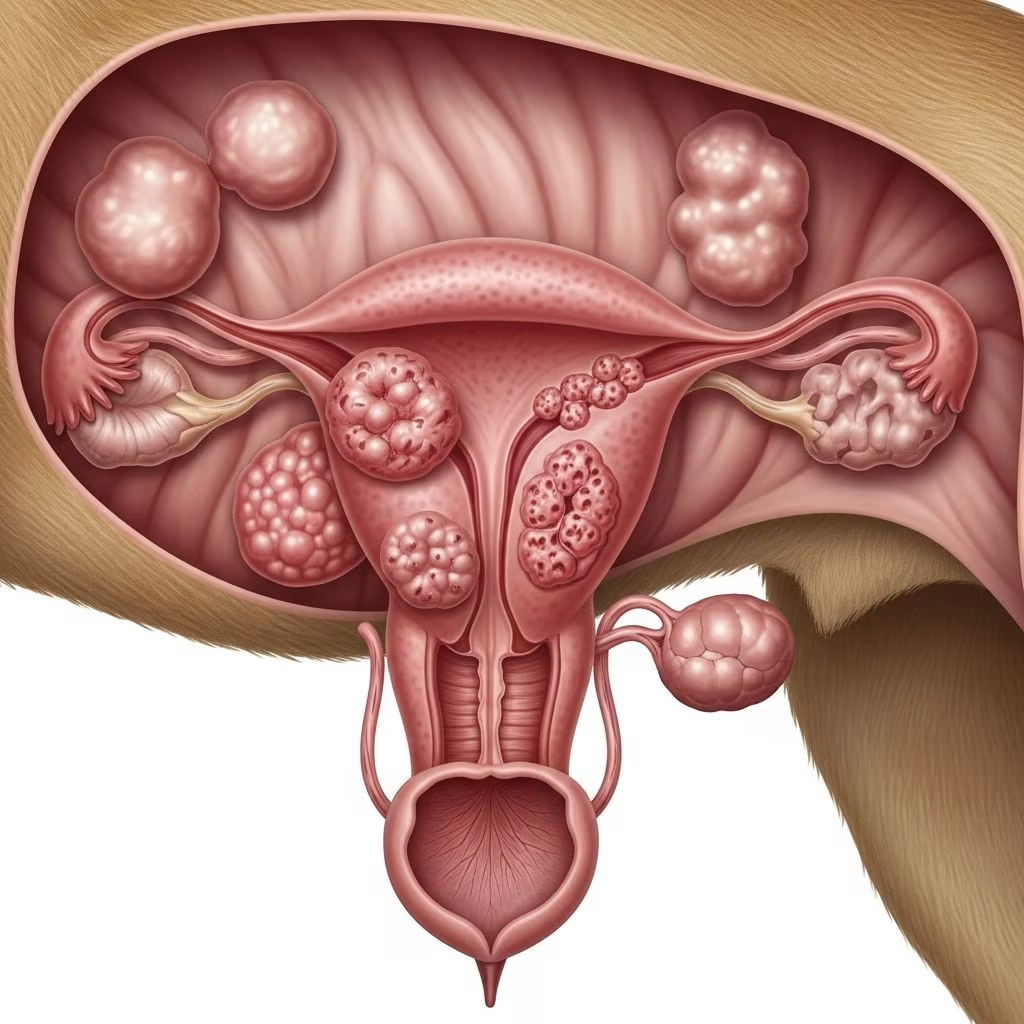
Uterine tumors in dogs represent a rare but significant health concern, primarily affecting unspayed female dogs. These growths, which can be benign or malignant, often go unnoticed until they cause noticeable symptoms or are found incidentally during other procedures. Understanding this condition is crucial for dog owners to ensure timely intervention and improve outcomes.
Understanding the Nature of Uterine Tumors
Uterine tumors account for only 0.3% to 0.4% of all canine cancers, making them uncommon compared to other reproductive issues like pyometra. The most prevalent type is leiomyoma, a benign smooth muscle tumor comprising 85% to 90% of cases. Leiomyosarcoma, its malignant counterpart, makes up about 10% and has a higher potential for metastasis.
These tumors develop in the uterus wall and may remain asymptomatic for long periods. Benign forms rarely spread, while malignant ones can invade nearby tissues or distant organs. Hormonal influences, particularly prolonged progesterone exposure post-estrus, contribute to endometrial changes that predispose the uterus to abnormal growths.
Risk Factors and Predispositions
Several factors elevate the risk of uterine tumors in dogs:
- Intact Status: Unspayed females face the highest risk due to repeated hormonal cycles.
- Age: Middle-aged to older dogs, typically over six years, are most affected.
- Concurrent Conditions: Pyometra, an infection often linked to hormonal imbalances, frequently co-occurs, complicating diagnosis.
No strong breed predispositions exist, though any unspayed female is vulnerable. Spaying eliminates this risk entirely by removing the uterus and ovaries.
Recognizing Early Symptoms
Many dogs with uterine tumors show no outward signs, especially with small or benign growths detected only during spaying or autopsy. When symptoms appear, they often stem from tumor size, obstruction, or secondary infections.
| Symptom | Description | Frequency |
|---|---|---|
| Vaginal Discharge | Bloody, pus-like, or mucoid; may be subtle and require close observation. | Common |
| Abdominal Distension | Swelling due to large tumors or fluid accumulation (hydrometra/mucometra). | Frequent |
| Lethargy and Anorexia | Reduced energy, appetite loss, often with pyometra. | Common |
| Urinary Changes | Straining, frequent urination, or blood in urine from compression. | Occasional |
| Other Signs | Vomiting, constipation, weight loss, excessive thirst. | Variable |
Owners may notice vulvar licking, masking discharge. Prompt veterinary attention is essential, as these signs mimic other conditions like vaginitis or abdominal organ tumors.
Diagnostic Approaches
Diagnosis begins with a detailed history and physical exam, noting reproductive status and symptom onset. Palpation may reveal an enlarged uterus or mass.
Laboratory tests include:
- Complete blood count (CBC) to detect infection or anemia.
- Biochemical profile for organ function assessment.
- Urinalysis to evaluate kidney involvement.
Imaging is pivotal:
- Abdominal radiographs detect masses or fluid-filled uteri.
- Ultrasound differentiates tumors from pyometra or cysts, offering superior detail.
- Chest X-rays check for metastasis in malignant cases.
- Advanced options like CT/MRI for precise staging.
Definitive confirmation requires biopsy or histopathology of surgically removed tissue, classifying the tumor as benign or malignant.
Treatment Strategies
Ovariohysterectomy (spay surgery) is the gold standard, removing the tumor and preventing recurrence or pyometra. It’s curative for benign tumors and most early malignant ones.
For advanced or metastatic cases:
- Chemotherapy targets remaining cancer cells, with monitoring every 1-3 weeks.
- Palliative care manages pain, discharge, and appetite issues.
Post-surgery, monitor for complications like infection or recurrence signs. Prognosis excels for leiomyomas (excellent post-removal) but varies for leiomyosarcomas based on spread.
Prevention and Home Management
Spaying before the first heat cycle is the most effective prevention, drastically reducing reproductive tumor risks. Routine wellness exams aid early detection.
At home post-treatment:
- Watch for lethargy, discharge, or appetite changes.
- Administer medications as prescribed.
- Maintain a balanced diet and gentle exercise.
Prognosis and Long-Term Outlook
Benign tumors yield near-100% cure rates with surgery. Malignant cases depend on stage; early detection improves survival. Regular follow-ups ensure sustained health.
Frequently Asked Questions
Can spayed dogs develop uterine tumors?
No, spaying removes the uterus, eliminating this risk.
Is uterine cancer painful for dogs?
Advanced stages can cause discomfort from organ pressure or infection; pain relief is integral to care.
How common are uterine tumors versus pyometra?
Tumors are rare (0.3-0.4%); pyometra is far more frequent in unspayed dogs.
What if my dog shows vaginal discharge?
Seek immediate vet care; it could indicate tumors, infection, or other issues.
Recent Advances in Canine Reproductive Oncology
Recent veterinary research emphasizes minimally invasive diagnostics like advanced ultrasound and genetic profiling for better tumor classification. Studies from 2024-2025 highlight targeted therapies for leiomyosarcomas, improving outcomes in non-surgical candidates. Ongoing trials explore immunotherapy, though surgery remains primary.
Pet owners should prioritize spaying and annual check-ups. Early vigilance can turn a potential crisis into a manageable condition, enhancing quality of life for canine companions.
References
- Uterine Cancer in Dogs: 5 Essential Medications to Know — The Pet Vet. 2023. https://thepetvet.com/uterine-cancer-in-dogs/
- Uterine Tumors in Dogs — PetPlace. 2024. https://www.petplace.com/article/dogs/pet-health/uterine-tumors-in-dogs
- Uterine Tumors Canine — Veterinary Society of Surgical Oncology. 2023. https://vsso.org/uterine-tumors-canine
- Uterine Tumors — National Canine Cancer Foundation. 2024. https://wearethecure.org/learn-more-about-canine-cancer/canine-cancer-library/uterine-tumors/
- Tumor of the Uterus in Dogs — PetMD. 2025. https://www.petmd.com/dog/conditions/reproductive/c_dg_uterine_tumor
- Uterine Tumors in Dogs – Causes, Treatment — Vetster. 2024. https://vetster.com/en/conditions/dog/uterine-tumors



