

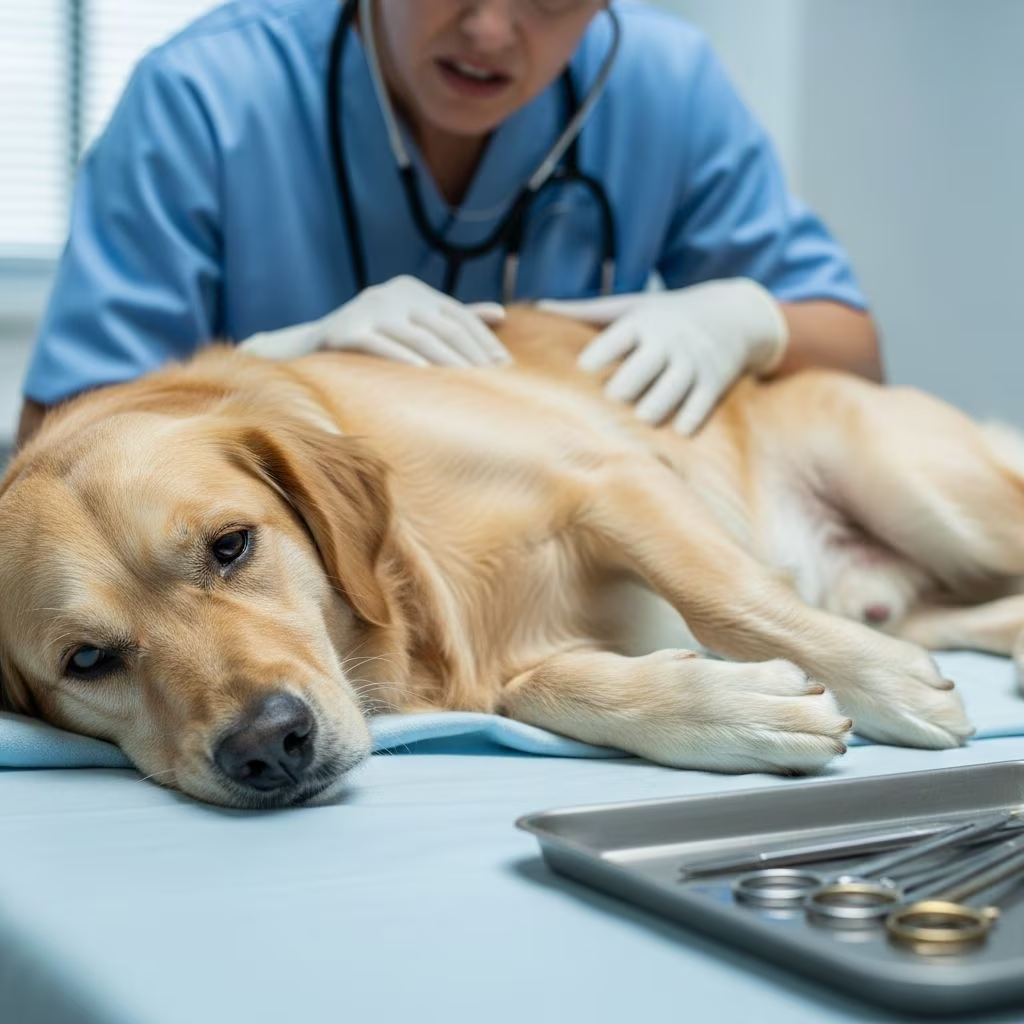
One of the most serious reproductive conditions affecting unspayed female dogs is a uterine infection that develops silently and can progress to a medical emergency within days. This condition, characterized by pus accumulation in the uterus, poses significant risks to a dog’s organs and overall survival. Understanding the mechanisms behind this infection, recognizing its early warning signs, and knowing when to seek emergency veterinary care can mean the difference between recovery and catastrophic organ failure.
Understanding the Biology Behind Uterine Infection
The female canine reproductive cycle creates predictable hormonal patterns that directly influence the uterus. During each heat cycle, the body releases high levels of progesterone to prepare the uterine lining for potential pregnancy. This hormone causes the uterine tissue to thicken substantially and reduces the muscle contractions that would normally help clear fluid and bacteria from the reproductive tract. These physiological changes, which are normal and necessary for reproduction, inadvertently create an environment where dangerous bacteria can flourish.
The transformation of the uterus during repeated heat cycles can lead to permanent structural changes. Over time, the tissue becomes increasingly thickened and more vulnerable to bacterial invasion. This vulnerability increases significantly during the weeks following the end of a heat cycle, when progesterone levels remain elevated but the cervix may still be slightly relaxed. The combination of hormonal influence and reduced immune function creates a critical window where infection can establish itself quickly.
The Bacterial Culprits and Risk Factors
While multiple bacteria can cause uterine infection in dogs, E. coli is responsible for the vast majority of cases, accounting for between 57 to 100 percent of documented infections. Researchers believe this bacterium travels upward from the intestinal tract into the uterus after ascending through the reproductive canal. The bacteria take advantage of the permissive environment created by hormonal changes and reduced local immune defenses.
Beyond the normal reproductive cycle, certain factors significantly increase a dog’s risk of developing this condition:
- Administration of estrogen or progesterone-based medications for non-reproductive purposes
- Consumption of raw meat diets, which increase harmful bacteria in the stool, particularly salmonella and E. coli
- Advanced age combined with repeated heat cycles without spaying
- Previous episodes of uterine infection
- Underlying immune system compromise
Dogs receiving hormone therapy for other medical conditions should be monitored closely for warning signs, as their altered hormonal environment heightens susceptibility.
Two Distinct Presentations: Understanding Open Versus Closed Infection
Uterine infections present in two fundamentally different forms, each with distinct clinical implications and progression patterns. Recognizing which type is present helps guide appropriate treatment decisions.
| Type | Cervical Status | Visible Symptoms | Progression Speed | Diagnostic Clarity |
|---|---|---|---|---|
| Open Infection | Cervix remains relaxed, allowing drainage | Foul-smelling pus or bloody discharge from vulva is visible | Generally slower, more gradual | Easier to suspect based on discharge |
| Closed Infection | Cervix is tightly sealed | No external discharge; may appear deceptively mild | Rapid deterioration; sudden severe symptoms | Can be missed without diagnostic imaging |
The closed form of infection represents a particular danger because infected material accumulates within the sealed uterus rather than draining externally. Pus builds up pressure, causing the abdominal cavity to become dangerously distended. The bacteria simultaneously release toxins directly into the bloodstream, leading to systemic toxemia. Dogs can appear relatively stable initially, then collapse rapidly as their condition worsens. This unpredictable pattern makes closed infections especially treacherous, as owners may not recognize the severity until their dog requires emergency intensive care.
Recognizing the Warning Signs
The symptoms of developing uterine infection typically emerge within 4 to 8 weeks following a dog’s heat cycle, though closed infections may progress with minimal warning. Early signs are often subtle and can easily be attributed to minor illnesses, which is why vigilant observation during the post-heat period is essential.
Behavioral and Physical Changes:
- Unusual lethargy that differs from normal rest patterns
- Dramatically reduced appetite or complete refusal to eat
- Increased thirst and corresponding increase in urination, as the body attempts to flush bacterial toxins
- Noticeable loss of interest in activities the dog normally enjoys
- Fever, shivering, or obvious discomfort
Gastrointestinal Symptoms:
- Vomiting or dry heaving
- Diarrhea or loose stools
- Excessive drooling
- Nausea evident through reduced interest in food
Physical Examination Findings:
- Visibly bloated or distended abdomen, particularly in closed infections
- Abdominal tenderness or pain when touched
- Pus or bloody vaginal discharge with foul odor in open infections
- Increased respiratory rate or frequent panting
Any combination of these symptoms, especially when they occur within weeks of a heat cycle, warrants immediate veterinary evaluation. The insidious nature of early-stage infection means that some dogs may show only one or two symptoms while harboring a serious condition internally.
Diagnostic Approaches and Veterinary Evaluation
Veterinarians employ multiple diagnostic tools to confirm uterine infection and assess its severity. Physical examination alone cannot definitively diagnose the condition, particularly in closed infections where no discharge is visible. Radiographic imaging reveals the characteristic enlarged, fluid-filled uterus. Abdominal ultrasound provides excellent visualization of the uterine walls and accumulated fluid content. Blood work often shows elevated white blood cell counts reflecting the body’s immune response to infection, while bloodwork may also reveal organ dysfunction from systemic toxemia.
The timing of diagnosis significantly influences treatment options and outcomes. Dogs identified early in the infection’s progression, before severe systemic illness develops, are better surgical candidates and typically recover more completely. Conversely, dogs diagnosed after progressing to advanced stages may require intensive hospitalization and careful monitoring during recovery.
Surgical Treatment: The Primary Intervention
Surgical removal of the infected uterus and ovaries represents the standard treatment approach and offers the most reliable path to complete recovery. This surgical procedure, formally called an ovariohysterectomy, differs significantly from routine spaying of healthy dogs. The surgeon must exercise extreme precision to prevent pus and bacteria from spilling into the abdominal cavity during the procedure, which could trigger peritonitis and sepsis.
Because of these added complexities and the typically compromised health status of affected dogs, pyometra surgery typically costs five to ten times more than a routine spay procedure. Dogs diagnosed early may require less complex surgical intervention and shorter hospitalization periods. However, most dogs are not diagnosed until they are quite ill, resulting in more complicated surgical procedures and extended recovery periods requiring hospitalization.
Before surgery, veterinarians stabilize the dog with intravenous fluids to correct dehydration and support organ function. This pre-operative stabilization is critical, as infected, septic dogs are poor surgical candidates unless their immediate physiological crisis is addressed first. Post-operatively, antibiotics are administered for approximately two weeks to eliminate remaining infection.
Medical Treatment: When Surgery May Not Be Feasible
A non-surgical treatment option exists for specific circumstances, though it carries significant limitations and risks. This approach uses prostaglandin hormones administered by injection to induce uterine contractions that force infected material out through the cervix. This treatment can only be attempted in cases of open infection where pus can drain externally. Closed infections cannot be treated medically because no drainage pathway exists, and increased contractions could rupture the overstretched uterus.
The medical approach is typically reserved for breeding dogs whose owners wish to preserve reproductive capability and are willing to accept substantial risks. Treatment duration extends up to one week to clear the infection. However, the recurrence rate following medical treatment is extremely high, estimated at 77 percent. Dogs treated medically must successfully breed and complete a pregnancy during their next heat cycle, or the infection will almost certainly return. This precondition makes the medical approach impractical for most pet owners and unsuitable for dogs with poor breeding prospects.
Potential Complications and Long-Term Risks
Without prompt treatment, developing uterine infection can progress through severe systemic complications. The bacteria and their toxins can trigger peritonitis (infection of the abdominal lining), sepsis (life-threatening systemic infection), and dysfunction of multiple organ systems. Kidney failure, profound dehydration, and toxemia represent the cascade of deterioration that can occur within days of symptom onset. In some cases, the infection proves fatal despite aggressive intervention.
Dogs that receive medical rather than surgical treatment face not only the high recurrence risk but also the possibility that residual infection or scarring could compromise future breeding success or reproductive health.
Prevention Through Spaying: The Most Effective Strategy
The single most effective method of preventing uterine infection is surgical spaying of female dogs before their first heat cycle or before infection has an opportunity to develop. Spaying eliminates the hormonal cycles that create susceptibility and removes the target organ entirely. Beyond infection prevention, spaying eliminates the risk of mammary cancer when performed early in a dog’s life and prevents other reproductive emergencies.
Dogs that have not been spayed should be monitored especially closely during and after each heat cycle. Any behavioral changes or physical symptoms warrant prompt veterinary evaluation rather than watchful waiting.
Frequently Asked Questions
At what age is a dog most likely to develop this infection?
While uterine infection can occur in unspayed females of any age, the risk increases significantly in middle-aged and older dogs. The cumulative effect of repeated heat cycles over years increases the likelihood of permanent uterine changes and subsequent infection. However, younger dogs are not exempt from risk.
Can I see symptoms immediately after my dog’s heat cycle?
Symptoms typically appear 4 to 8 weeks after the heat cycle ends, not immediately. This delayed presentation occurs because bacteria require time to establish infection within the altered uterine tissue. Owners should maintain heightened vigilance during this window but understand that infection may not develop immediately.
Is vaginal discharge always present with this infection?
No. Many dogs with uterine infection show no vaginal discharge at all because the cervix remains tightly closed, trapping infection internally. This is a common misconception that leads to missed diagnoses. The absence of discharge does not rule out infection.
How quickly can the condition become life-threatening?
Dogs with closed infections can deteriorate rapidly, developing severe symptoms within hours to days. Open infections typically progress more gradually, providing slightly more time for diagnosis and treatment. The unpredictability of progression makes any suspected case a potential emergency.
What is the recovery timeline after surgical treatment?
Dogs diagnosed early may recover within days to weeks. Those diagnosed after becoming severely ill may require weeks of recovery and careful monitoring. Complete recovery includes wound healing, restoration of normal appetite and energy, and return to normal urinary patterns.
References
- Canine Pyometra: A Short Review of Current Advances — PMC/NIH. 2023. https://pmc.ncbi.nlm.nih.gov/articles/PMC10647846/
- Pyometra in Dogs — CareCredit. https://www.carecredit.com/well-u/pet-care/pyometra-in-dogs/
- Pyometra: Causes, Diagnosis and Treatment — Towne Center Animal Hospital. https://www.townecenteranimalhospital.com/pyometra-causes-diagnosis-treatment/
- Pyometra in Dogs — PetMD. https://www.petmd.com/dog/conditions/reproductive/pyometra-dogs
- What Is Pyometra in Dogs? Causes, Symptoms, and More — WebMD Pets. https://www.webmd.com/pets/dogs/what-is-pyometra-in-dogs
- Pyometra in Dogs — VCA Animal Hospitals. https://vcahospitals.com/know-your-pet/pyometra-in-dogs
- Pyometra in Dogs — Blue Cross UK. https://www.bluecross.org.uk/advice/dog/health-and-injuries/pyometra-in-dogs
- Pyometra in Dogs: Why Your Pet Needs Emergency Surgery — FV Pet Emergency. https://fvpetemergency.com/pyometra-in-dogs-why-your-pet-needs-emergency-surgery/
- Pyometra: Potentially Fatal but Preventable Uterine Infection in Pets — University of Illinois College of Veterinary Medicine. https://vetmed.illinois.edu/pet-health-columns/pyometra-uterine-infection-pets/



