

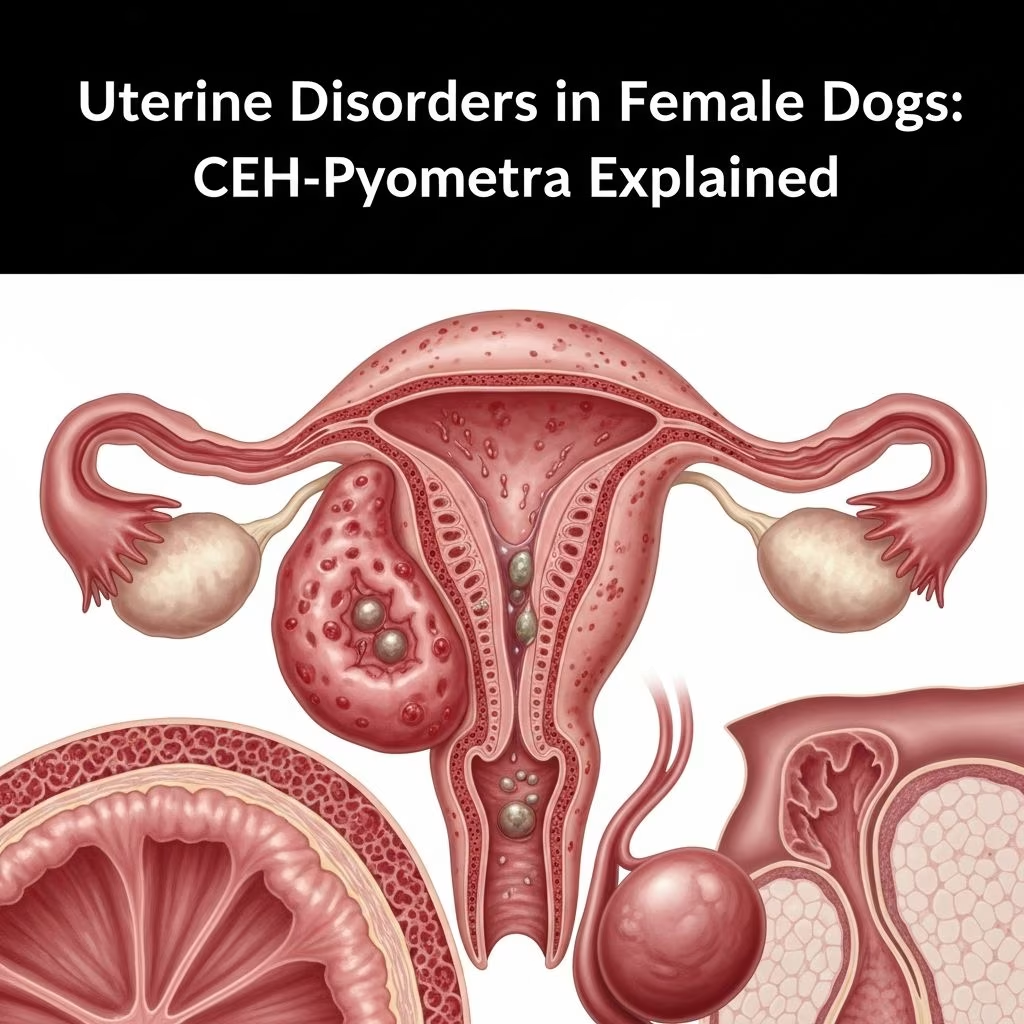
Female dogs face significant reproductive health risks from conditions like cystic endometrial hyperplasia (CEH) and pyometra, which together form a dangerous complex. These disorders stem from hormonal influences and bacterial invasions, potentially leading to life-threatening infections if untreated.
Understanding the Hormonal Foundations of Uterine Changes
The reproductive cycle in intact female dogs involves fluctuating levels of progesterone and estrogen, which prepare the uterus for potential pregnancy. During diestrus, prolonged progesterone exposure causes the endometrial lining to thicken abnormally, fostering glandular cysts in CEH. This pre-existing uterine alteration creates a fertile ground for bacterial overgrowth, escalating into pyometra.
Research indicates that even clinically healthy dogs exhibit endometrial thickening or cystic glands, highlighting how common these changes are across estrus cycles. Unlike pregnancy, where the uterus resolves post-whelping, unbred cycles accumulate damage, increasing susceptibility with each heat.
Key Distinctions: CEH vs. Pyometra and Their Interplay
- Cystic Endometrial Hyperplasia (CEH): A non-inflammatory proliferation of uterine glands forming cysts, often asymptomatic until complicated.
- Pyometra: Acute bacterial infection filling the uterus with pus, which can be open (discharging) or closed (no external signs).
- Mucometra/Hydrometra: Fluid or mucus accumulation without significant inflammation, a milder CEH variant.
While CEH predisposes to pyometra, studies show pyometra can arise independently, challenging the notion that infection always follows hyperplasia. Bacteria like E. coli ascend from the vagina into the compromised uterus.
Who Is at Risk? Age, Breed, and Cycle Factors
Traditionally linked to middle-aged or older unspayed females (>6 years), pyometra now affects younger dogs due to mismating treatments with estrogens, which disrupt cycles and provoke early onset. Cases in bitches under 1 year post-first estrus underscore the need for vigilance regardless of age.
| Risk Factor | Description | Impact |
|---|---|---|
| Age | Any intact female, mean 2.4 years in some studies | Higher with repeated cycles |
| Breeds | Rottweilers, Golden Retrievers prone | Genetic predisposition |
| Hormone Use | Estrogen for pregnancy prevention | Triggers in young dogs |
| Spay Status | Unspayed only (rare stump cases post-spay) | Eliminates risk via ovariohysterectomy |
Each heat cycle amplifies risk, with pyometra possible 4-14 weeks post-estrus.
Recognizing the Signs: From Subtle to Severe
Symptoms vary by cervical status. Open-cervix pyometra shows purulent vaginal discharge, sometimes initially overlooked if brief. Affected dogs may seem relatively well initially.
- Lethargy and depression
- Loss of appetite or anorexia
- Increased thirst (polydipsia) and urination (polyuria)
- Vomiting, diarrhea, or abdominal distension
Closed-cervix cases are insidious, trapping pus and toxins, leading to sepsis, shock, or polyarthritis from bacteremia. Owners might note transient discharge before systemic illness. Rarely, post-spay stump pyometra mimics these in altered females.
Diagnostic Approaches: Confirming the Threat
Veterinarians rely on history (diestrus timing), physical exams (palpating enlarged uterus), and imaging. Radiographs reveal uterine enlargement (differentiate from early pregnancy), while ultrasound excels at detecting fluid, wall thickness, and cysts.
Laboratory tests include leukocytosis, left shift, and elevated globulins. Vaginal cytology shows bacteria and pus cells; culture identifies pathogens like E. coli. Serum progesterone confirms diestrus. Cystocentesis risks uterine puncture, so ultrasound guidance is advised; proteinuria may signal glomerulonephropathy.
Histology via biopsy distinguishes CEH-mucometra from endometritis-pyometra, revealing cystic glands even in healthy dogs.
Treatment Strategies: Surgical Gold Standard and Medical Alternatives
Ovariohysterectomy (OHE) is the definitive cure, removing the infected uterus and ovaries to halt hormonal drive. Ideal for non-breeding dogs, it’s performed emergently in unstable cases post-stabilization with fluids and antibiotics.
For valuable breeders, medical management uses prostaglandins (e.g., PGF2α) to contract the uterus, expel contents, and regress hyperplasia. Success rates vary by uterine changes graded ultrasonographically; early open-cervix cases respond best. Antibiotics target bacteria, with monitoring for relapse.
| Treatment Type | Pros | Cons | Best For |
|---|---|---|---|
| Surgical (OHE) | Curative, prevents recurrence | Invasive, ends breeding | All non-breeders, severe cases |
| Medical (PGF2α + Antibiotics) | Preserves fertility | Relapse risk, side effects | Young breeders, mild cases |
Complications and Prognosis: What to Watch For
Untreated, pyometra causes uterine rupture, peritonitis, sepsis, and death. Post-treatment, monitor for relapse, especially medically managed dogs. Proteinuria resolves with therapy. Prognosis nears 100% with timely OHE, lower (50-80%) medically.
Prevention: The Power of Spaying and Proactive Care
Spaying before first heat eliminates risk entirely. For breeders, limit cycles, avoid unnecessary hormones, and screen post-estrus. Annual exams catch early CEH via ultrasound.
Frequently Asked Questions (FAQs)
What causes pyometra in dogs?
Primarily progesterone-driven CEH allowing bacterial invasion, exacerbated by repeated heats or estrogen use.
Can pyometra occur in young dogs?
Yes, even under 1 year, often linked to mismating estrogens.
Is medical treatment safe for breeding dogs?
It preserves fertility but carries relapse risk; ultrasound grading predicts success.
How do I differentiate pyometra from pregnancy?
Ultrasound and radiographs distinguish fluid/pus from fetuses; history aids.
Does spaying prevent this forever?
Yes, by removing ovaries and uterus; rare stump pyometra possible if remnants remain.
References
- Cystic endometrial hyperplasia-pyometra complex in the bitch — PubMed/NCBI. 2001-05. https://pubmed.ncbi.nlm.nih.gov/11354710/
- Pyometra and Cystic Endometrial Hyperplasia in Dogs — PetMD. Recent (post-2024 update inferred). https://www.petmd.com/dog/conditions/reproductive/c_multi_pyometra_hyperplasia
- Cystic Endometrial Hyperplasia/Pyometra Complex — Veterian Key. Recent. https://veteriankey.com/cystic-endometrial-hyperplasiapyometra-complex/
- Response to medical management in cystic endometrial hyperplasia-pyometra affected bitches — Journal of Veterinary and Animal Sciences. Recent. https://www.jvas.in/article/response-to-medical-management-in-cystic-endometrial-hyperplasia-pyometra-affected-bitches-graded-ultrasonographically-for-uterine-changes/



