

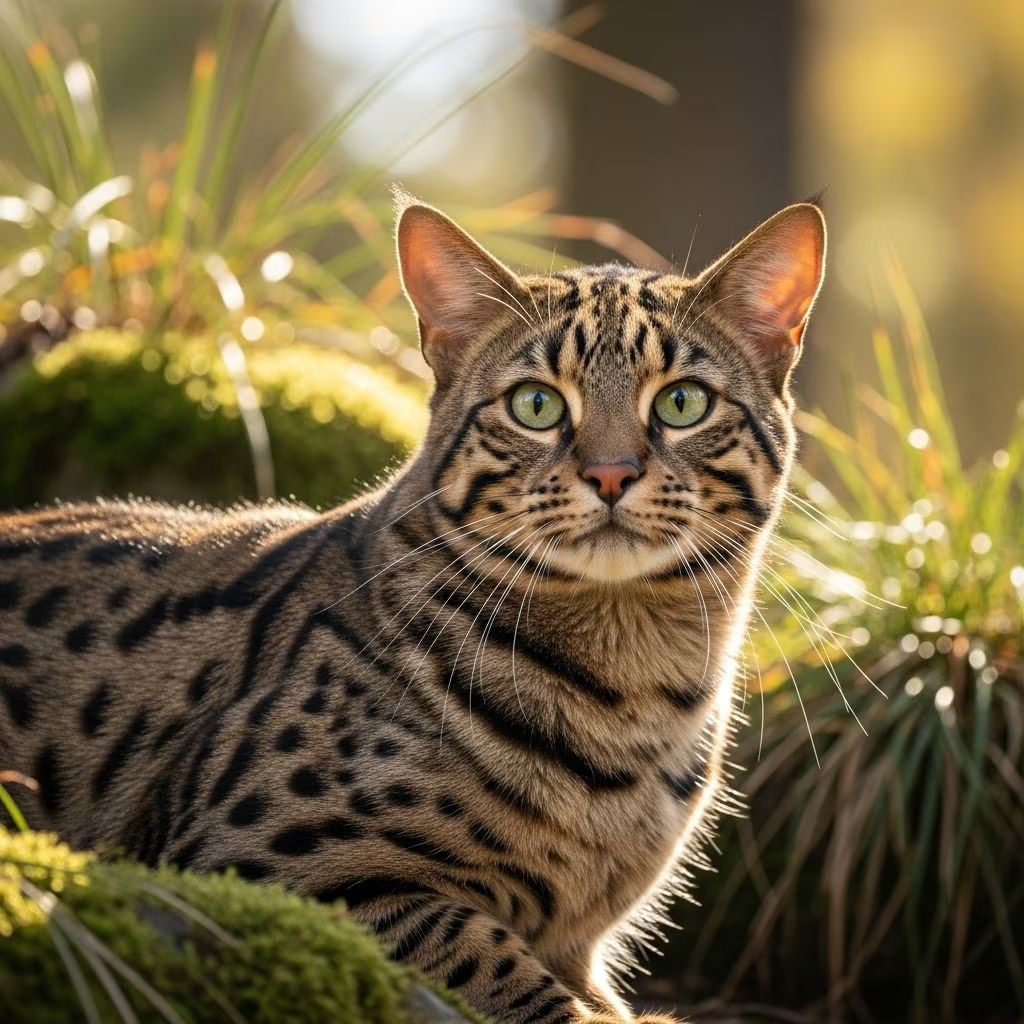
The **Ussuri cat** stands out as one of the rarest and most enigmatic feline breeds, originating from the wild landscapes of Russia’s Amur River region. This naturally occurring hybrid blends the instincts of wild forest cats with domestic adaptability, resulting in a strikingly athletic, spotted feline with unparalleled hunting skills. Known for its independence, intelligence, and low-maintenance coat, the Ussuri appeals to owners seeking a self-sufficient companion rather than a cuddly lap cat. Despite its elusive status and lack of formal recognition, this breed captivates enthusiasts with its wild heritage and robust health.
Breed Overview
| Height: | 9-11 inches |
|---|---|
| Weight: | 11-15 pounds |
| Lifespan: | 12-15 years |
| Colors: | Spotted, tabby, striped tabby |
| Suitable for: | Singles and families, those looking for a low-maintenance cat |
| Temperament: | Intelligent, athletic, skillful, playful, independent, instinctive |
Ussuri Cats History
The **Ussuri cat** traces its roots to the rugged Amur River region in Russia, where natural hybridization occurred between domestic cats and small wild species like Amur Forest Cats and Amur Leopard Cats—a subspecies of the Asian Leopard Cat (Prionailurus bengalensis). This wild foundation gave rise to semi-wild Ussuris that later interbred with Siberian cats and European or Domestic Shorthairs, shaping the breed we speculate about today. Much of the history remains conjecture, inferred from the cat’s distinctive wild appearance rather than documented records.
In the mid-1990s, a translated breed standard for the Ussuri and other native Russian breeds was published, hinting at early recognition efforts. However, no formal breeding programs emerged, and the breed’s status remains unclear. Unlike selectively bred cats, the Ussuri developed naturally without human intervention, contributing to its rarity. It lacks recognition from major associations like The International Cat Association (TICA) or The Cat Fancier’s Association (CFA), and purebred specimens are scarce due to ongoing interbreeding with local domestics.
Efforts to repopulate the breed through controlled interbreeding continue in Russia, but as of recent searches, finding Ussuri kittens proves challenging. This natural hybrid’s story underscores the blend of wilderness and domestication, making it a living relic of Russia’s feline biodiversity.
Physical Characteristics of Ussuri Cats
**Ussuri cats** embody a wild aesthetic with an athletic, well-boned yet graceful body. Their medium-sized, rounded head features a well-shaped chin that’s firm but not prominent. Medium-length legs are muscular and sturdy, ending in rounded, firm paws ideal for agile movement. The tail tapers to a rounded tip reminiscent of the European wildcat, often adorned with lynx-like tufts on the ear tips.
Coat patterns dazzle with a golden-brown or goldish-fawn background accented by stripes, rings, spots, and a prominent dark dorsal stripe along the spine. Legs bear stripes, while the paler belly displays bronzed buttons. This glossy topcoat overlays a thick, coarse undercoat inherited from wild ancestors, contributing to their low-shedding, weather-resistant fur.
- Body: Athletic and muscular, 9-11 inches tall, 11-15 pounds.
- Head: Medium, rounded with balanced features.
- Ears: Tufted with lynx brushes.
- Tail: Tapering, rounded tip.
- Coat: Short, glossy with wild tabby/spotted patterns in brown, fawn tones.
These traits not only enhance their hunting prowess but also make them visually striking, evoking images of forest prowlers.
Temperament & Intelligence of the Ussuri Cat
Renowned for **intelligence and adroitness**, Ussuri cats inherit a wild heritage that manifests in exceptional problem-solving and hunting talents. They effortlessly eliminate household pests like mice, rats, and lizards, often preferring solitary hunts over interactive play. Less playful than average cats, they prioritize instinctual pursuits, disappearing for hours to explore before returning independently.
Ussuris form deep bonds with one primary person, showing loyalty without clinginess. They rarely vocalize demands or trail owners for attention, embodying a reserved, self-reliant nature. While affectionate and playful on their terms, their high prey drive makes them challenging with smaller pets—birds, rodents, or even dogs may trigger hunting instincts.
With children, supervision is essential due to their independent streak and size; early socialization helps, but they’re better suited for adults or older kids. Freedom-loving, they thrive in spacious environments allowing autonomy, tolerating others but choosing their favorite human.
Does This Breed Get Along With Other Pets?
The Ussuri’s innate hunting drive poses risks for multi-pet homes. Smaller animals may be seen as prey, so introductions must be cautious. They coexist better with larger, non-prey dogs if socialized young, but their independent nature means they often ignore housemates.
Are Ussuri Cats Good With Strangers?
Reserved around newcomers, Ussuris observe from afar rather than engage warmly. They warm up slowly but remain wary, prioritizing their chosen person over guests.
In summary, this breed suits patient owners valuing a skilled, low-drama companion over constant interaction.
Things to Know When Owning a Ussuri Cat
1. The Breed Is Not Recognized by Associations
Without TICA or CFA status, Ussuris remain experimental and rare, complicating pedigree verification.
2. It Had a Breed Status in the Mid-1990s
A 1990s standard publication stalled without follow-up, leaving development informal.
3. They Have a Strong Hunting Instinct
Expect pest-free homes but supervise around small animals.
4. Provide Ample Space and Enrichment
High-energy explorers need vertical spaces, puzzles, and outdoor access to channel instincts.
5. Low Vocalization
Quiet by nature, they communicate subtly.
6. Water Lovers
Some enjoy swimming, playing in water like their wild kin.
Ussuri Cat Care Guide
Grooming
Low-maintenance with a glossy, thick undercoat requiring weekly brushing to manage minimal shedding. Bathing is rare; their coat repels dirt naturally.
Exercise
Athletic build demands daily activity: interactive toys, climbing trees, or secure outdoor time. Hunting games satisfy instincts.
Health & Nutrition
Robust with 12-15 year lifespan, no known hereditary issues due to diverse genetics. Susceptible to standard cat ailments; regular vet checks advised. Feed high-protein diets mimicking wild needs.
Training
Intelligent and instinctive, they excel in litter training and basic commands via positive reinforcement. Harness training suits their adventurous spirit.
Frequently Asked Questions
How rare is the Ussuri cat?
Extremely rare; no formal programs exist, and purebreds are hard to find due to natural hybridization.
Do Ussuri cats make good family pets?
Better for singles or experienced owners; high prey drive and independence suit them less for young kids or small pets.
What is the lifespan of a Ussuri cat?
Typically 12-15 years with proper care.
Are Ussuri cats hypoallergenic?
No, but low-shedding coats produce less dander than longhaired breeds.
Can Ussuri cats be kept indoors only?
Yes, with ample enrichment; they adapt but crave exploration.
References
- Ussuri – Information, Health, Pictures & Training — Pet Paw. 2023. https://www.petpaw.com.au/cat-breeds/ussuri/
- The Ussuri Cat: A Rare Breed Indeed — Raising Happy Kittens. 2022. http://raisinghappykittens.com/ussuri-cat/
- Ussuri Cat Breed Info: Pictures, Traits & Facts — Catster. 2024-05-15. https://www.catster.com/cat-breeds/ussuri-cat/
- Ussuri Cat Breed: Size, Appearance & Personality — Cats.com. 2023. https://cats.com/cat-breeds/ussuri
- Russian and Ukrainian Cat Breeds — Messybeast. 2021-08-20. http://messybeast.com/russian-breeds.htm



