

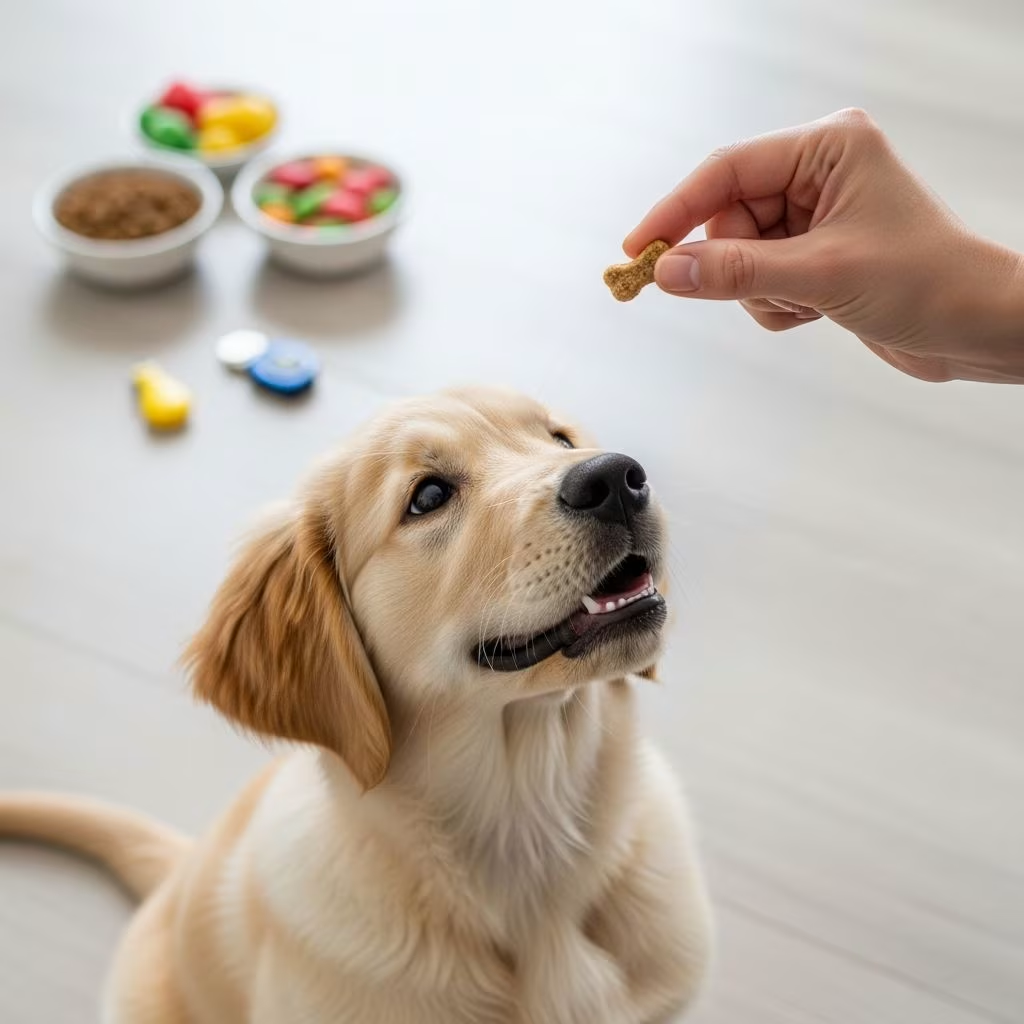
Using Food and Treats for Training Dogs
Food-based positive reinforcement is one of the most effective and widely used methods for training dogs. Whether you’re teaching basic commands, advanced tricks, or modifying unwanted behaviors, treats serve as powerful motivators that tap into your dog’s natural food drive. Understanding how to use food strategically in training—while maintaining your dog’s health and nutritional balance—is essential for successful and sustainable training outcomes.
Can You Use Regular Food for Dog Training?
One of the most practical approaches to dog training is using your dog’s regular kibble as a training reward. Many dog owners overlook this simple solution, yet it offers significant advantages. Your dog’s regular food is already complete and balanced, containing all the essential nutrients your dog needs. When you use kibble as a training treat, you avoid the risk of unbalancing your dog’s diet with incomplete food options.
Using kibble works particularly well during intense training sessions where you need to deliver frequent rewards. Since the kibble is part of your dog’s regular daily caloric intake, you can easily account for it without exceeding your dog’s daily calorie allowance. This approach is especially beneficial for training simple tasks and reinforcing good manners. However, it’s important to note that some dogs may not find regular kibble as motivating as higher-value treats, particularly during training of advanced skills or in complex environments where extra motivation is needed.
Is It OK to Use “People Food” for Treats During Training?
Many trainers and veterinarians support the use of whole foods or “people” foods as training treats, provided they are safe for dogs. Commercially produced dog treats are certainly a good option for positive reinforcement, but safe human foods can be equally effective and sometimes more economical. The key is selecting appropriate foods and using them wisely.
When considering people food for training, it’s essential to understand that high-value treats—the ones most dogs find irresistible—are often high in calories. While these treats can be tremendously motivating during training sessions, they require careful monitoring. If you use high-calorie treats without accounting for them in your dog’s daily diet, they can quickly add up to excess calories, leading to weight gain and potentially creating nutritional imbalances over time.
Safe Foods for Dog Training
Several human foods are safe and often enjoyed by dogs, making them excellent candidates for training treats. These options allow you to diversify your reward system while keeping your dog engaged and motivated. The best approach is to offer these foods without seasonings and to prioritize low-calorie options when possible.
Safe foods that work well as training treats include:
– Apples (sans seeds)- Cheese (in small portions)- Cooked eggs- Lettuce- Carrots- Zucchini- Green beans- De-strung celery- Pasta (plain)- Blueberries- Strawberries- Raspberries- Seedless watermelon- Cooked meats- Cooked seafood
Finding what your dog considers a treat may require some experimentation. Some dogs are enthusiastic about carrots or green beans, which are exceptionally low in calories, while others prefer cheese or cooked meats. Testing different options at home will help you identify which foods genuinely motivate your individual dog.
Foods to Avoid When Training
Not all foods are safe for dogs, and some can pose serious health risks. It’s critical to be familiar with toxic foods and avoid them entirely when selecting training treats. If you’re uncertain whether a food is safe, consult your veterinary healthcare team or reliable resources like the ASPCA Poison Control website or the Pet Poison Helpline.
Foods that should be avoided due to potential toxicity include:
– Alcohol- Chocolate- Macadamia nuts- Garlic- Onions- Grapes- Raisins- Salty snack foods- High-fat snacks- Moldy cheeses- Any food containing xylitol artificial sweetener (including some peanut butters)
Additionally, while some foods like sprayable cheese products and peanut butter are very tasty to dogs and can be helpful in training, they are often extremely high in calories. These should be used cautiously and sparingly, reserved only for situations where their high value justifies the caloric impact.
Understanding the 10% Treat Allowance Rule
One of the most important principles in dog training and nutrition is the 10% treat rule. Veterinarians recommend keeping calories from treats within 10% of your dog’s total daily caloric intake. This guideline exists to prevent excessive nutrient intake, help prevent nutritional deficiencies, and protect against unwanted weight gain.
Here’s how the calculation works: If your dog eats approximately 550 calories per day, then 495 calories should come from a complete and balanced diet appropriate for your dog’s life stage, and only 55 calories can come from treats and other non-food rewards. This means that for many medium-sized dogs, only one to two small treats per day may be appropriate.
To put this in perspective, a single large milk bone biscuit contains about 85 calories—for a medium-sized dog, this single biscuit represents nearly an entire day’s treat allowance. Understanding these numbers helps explain why monitoring treat intake is so crucial.
How to Stay Within Your Dog’s 10% Allowance
The easiest way to avoid over-treating is by measuring out treats and ensuring strict adherence to your dog’s 10% allowance. Here are practical strategies for managing treat calories effectively:
For commercial treats: Check the packaging to determine how many calories each treat provides. Set aside exactly the correct amount for the day, removing them from the package so you won’t accidentally exceed your limit.
For whole foods: Find general calorie counts using the USDA FoodData Central food database online. Estimate how many calories your chosen treats provide, then ensure you stay within the 10% allowance.
For kibble-based training: Count each piece of kibble used during training as part of your dog’s daily food intake, and reduce the dinner portion accordingly.
Common Training Treats with Calorie Information
Understanding the caloric content of common training treats helps you make informed decisions about which rewards to use and how many you can offer. Low-calorie options allow you to give more frequent rewards without exceeding your dog’s daily calorie limit.
If you find a low-calorie treat that your dog genuinely enjoys, you’ll have far more flexibility in your training sessions. Many dogs enthusiastically accept carrots, green beans, celery, and watermelon as rewards, and these foods are exceptional for allowing frequent reinforcement during training without calorie concerns.
What Treats Are Recommended for Training?
Certain treat characteristics make them ideal for training purposes. The best training treats share several important qualities that enhance training effectiveness and efficiency.
Ideal training treats should be:
– Easily broken into many small pieces- Small kibble or appropriately sized for quick consumption- Low in calories (if possible)- Highly motivating to your individual dog- Quick to eat so training momentum isn’t lost
The rationale behind these characteristics is straightforward: during training sessions, you need to deliver frequent rewards to reinforce desired behaviors quickly. Large treats slow down the training process and make it difficult to maintain your dog’s focus. Small pieces allow you to reward behaviors multiple times within a brief window, strengthening the association between the behavior and the reward.
However, it’s equally important to keep in mind what treats genuinely motivate your dog and what rewards will provide the positive experience you’re aiming for during your training session. A treat that your dog doesn’t find particularly appealing won’t effectively reinforce behavior, no matter how practical it is from a training logistics perspective.
Medical Conditions and Special Dietary Needs
If your dog has a medical condition and is on a special diet, it’s crucial to check with your veterinary care team before using any treats. Certain treats may be unsafe based on your dog’s specific health situation. For example, if your dog has chronic pancreatitis and follows a low-fat diet, high-fat treats could trigger a flare-up. Similarly, dogs with food allergies require treats that don’t contain suspected allergens.
When testing new treats with a dog on a special diet, only offer a small piece initially to observe for any adverse reactions. This cautious approach helps identify potential problems before they become serious issues.
Freeze-Dried and Raw Treats: Special Considerations
While freeze-dried and dehydrated raw treats have gained popularity, it’s important to be aware of their risks. These treats pose a potential risk for bacterial contamination, which can be harmful not only to the dog eating the raw treat but also to other pets and humans in the household. Bacteria can be spread through saliva and feces, potentially affecting multiple individuals. When considering these treat options, weigh the convenience against these safety considerations, and discuss them with your veterinary team.
High-Value Treats and Special Occasions
High-value and high-calorie treats serve an important purpose in dog training but should be used strategically. Reserve these special rewards for specific circumstances rather than incorporating them into daily training routines. Consider saving high-calorie treats for:
– Advanced skill training where extra motivation is needed- Specific behavioral challenges requiring significant reinforcement- Special occasions or celebrations- Training important skills like recalls or emergency responses
By reserving high-value treats for these specific situations, you maintain their motivating power while preventing them from becoming normalized daily occurrences that contribute to weight gain.
Creative Alternatives to Traditional Treats
Treating doesn’t always mean offering food. After your dog successfully responds to a command, consider these alternative rewards that still reinforce the desired behavior without adding calories:
– Enthusiastic praise and affection- A favorite toy or game- Extra playtime at the dog park- An extra-long snuggle session- A trip to a favorite location- Pieces of regular kibble (which still count within the 10% allowance)- Interactive feeding methods using puzzle toys or snuffle mats
Frequently Asked Questions About Dog Training Treats
Q: Can treats unbalance my dog’s diet?
A: Yes, treats can unbalance your dog’s diet if they exceed 10% of daily caloric intake. Unlike commercially prepared complete and balanced dog foods, many treats don’t contain all essential nutrients. Keeping treats to 10% or less ensures 90% of your dog’s nutrition comes from complete and balanced food.
Q: What if my dog is overweight—should I stop using treats for training?
A: No, but adjust your approach. Use lower-calorie treats like green beans or carrots, use kibble from their daily meal allowance, or employ non-food rewards like toys and praise alongside occasional treats.
Q: How many treats can I give during a single training session?
A: The number depends on your dog’s daily calorie allowance and the calorie content of individual treats. For a 550-calorie-per-day dog with a 55-calorie treat allowance, you might give 3-5 small low-calorie treats or 1-2 regular-sized treats per day.
Q: Are commercial dog treats better than people food for training?
A: Both can be effective. Commercial treats are convenient and formulated for dogs, while safe people foods are often more economical and equally motivating. The best choice depends on your dog’s preferences and your specific training goals.
Q: What should I do if I accidentally give my dog too many treats?
A: If you notice you’ve exceeded your dog’s treat allowance, simply reduce the portion size of their next meal to account for the extra calories, and resume proper treat management immediately.
Conclusion
Using food and treats for dog training is an effective, time-honored approach that harnesses your dog’s natural food motivation. Success lies in making informed choices about which treats to use, understanding caloric implications, and maintaining a balance between motivation and nutrition. By following the 10% treat rule, selecting safe foods, and exploring creative alternatives, you can train your dog effectively while keeping them healthy and maintaining optimal body condition. Remember that the best training treats are those your individual dog finds motivating, paired with a comprehensive understanding of their nutritional needs and dietary restrictions.
References
- Using Food and Treats for Training Dogs — VCA Animal Hospitals. Accessed November 28, 2025. https://vcahospitals.com/know-your-pet/using-food-and-treats-for-training-dogs
- Dog Treats — VCA Animal Hospitals. Accessed November 28, 2025. https://vcahospitals.com/know-your-pet/dog-treats
- Choosing Healthy Treats for Dogs & Cats — VCA Animal Hospitals. Accessed November 28, 2025. https://vcahospitals.com/shop/home/nutrition/weight-management/treating-your-pet-the-healthy-way
- Behavior Management – Working for Food — VCA Canada. Accessed November 28, 2025. https://vcacanada.com/know-your-pet/behavior-management-working-for-food
- How To Choose Puppy Treats — VCA Animal Hospitals. Accessed November 28, 2025. https://vcahospitals.com/pediatric/puppy/nutrition/how-to-choose-puppy-treats



