

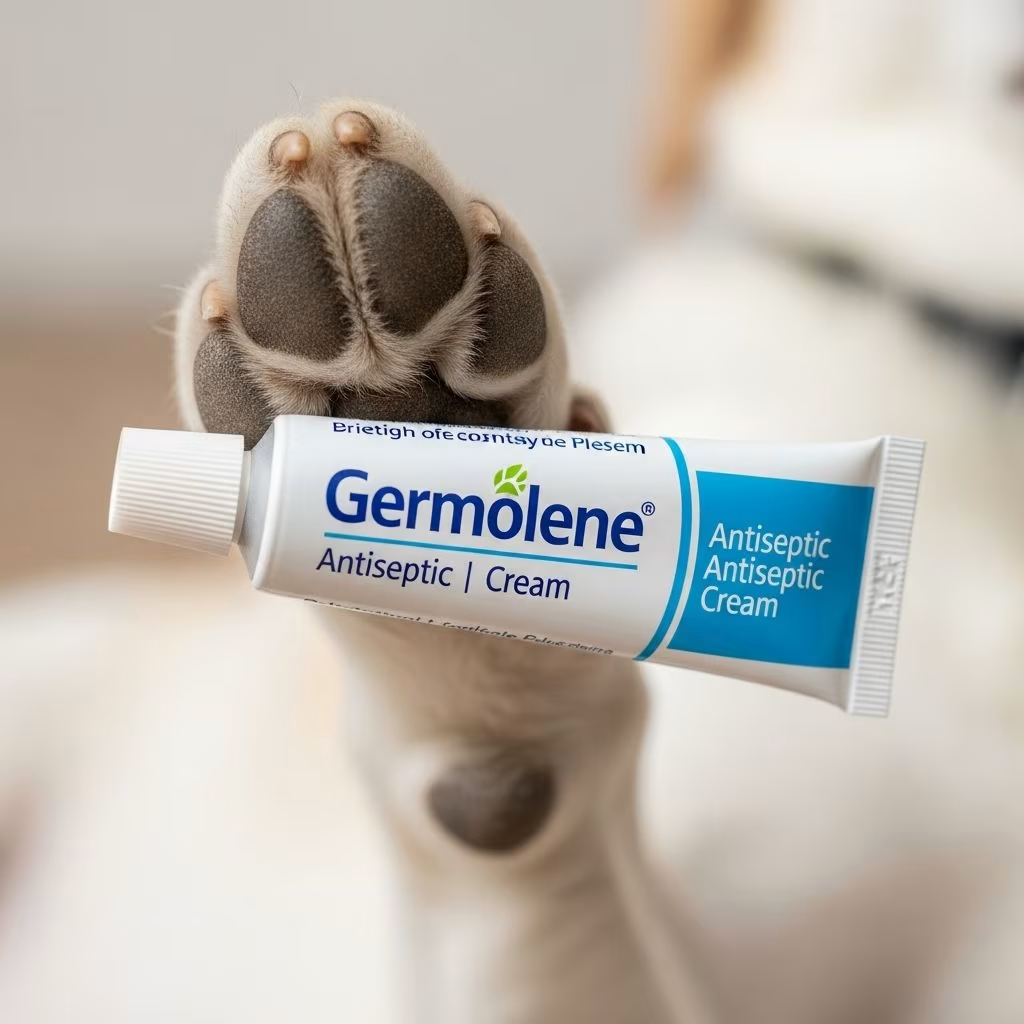
Germolene antiseptic cream can be used on dogs for minor cuts, grazes, and burns in small amounts under veterinary guidance, as its active ingredients help prevent infection and soothe irritation, but risks like licking off phenol make caution essential.
What is Germolene?
Germolene is a popular over-the-counter antiseptic cream designed primarily for human use to treat minor skin wounds. It contains key active ingredients such as chlorhexidine gluconate, an antibacterial agent, and phenol (also known as carbolic acid), which provides antiseptic and mild anesthetic properties to reduce pain and itching. These components work together to create a protective barrier on the skin, preventing bacterial growth while promoting healing for superficial injuries like cuts, scrapes, abrasions, and minor burns.
The cream’s formulation also includes soothing emollients like wool fat, which help moisturize the affected area and reduce discomfort. Available in tubes, Germolene has been a staple in UK households for generations due to its effectiveness and ease of use. However, its suitability for pets, particularly dogs, requires careful consideration because dogs have different skin pH levels, grooming habits, and sensitivities compared to humans.
Can you use Germolene on dogs?
Yes, Germolene can be used on dogs for short-term treatment of minor skin issues, but only sparingly and with close monitoring to prevent ingestion. Experts note that while it may help with superficial wounds, it’s not specifically formulated for canine skin, and veterinary approval is strongly recommended before application.
Dogs’ skin is thinner and more sensitive, and their tendency to lick wounds introduces risks not present in human applications. Sources indicate that appropriate, limited use can be beneficial for preventing infection in small cuts or hot spots, but persistent issues warrant professional care.
What is Germolene used for on dogs?
Germolene is typically applied to dogs for treating minor wounds and irritations where infection risk is present. Common uses include:
- Minor cuts and grazes: Protects against bacteria while aiding healing.
- Burns and abrasions: Soothes pain and reduces inflammation.
- Hot spots: Alleviates itching and prevents secondary infections from scratching.
- Rashes or insect bites: Provides antiseptic action for irritated skin.
It’s most effective for superficial issues, not deep wounds or chronic conditions.
Is Germolene safe for dogs?
Germolene is generally safe for dogs when used correctly in small quantities for brief periods, but safety hinges on preventing licking or chewing, as phenol can be toxic if ingested or absorbed in large amounts. Allergic reactions are possible, though less common than with some alternatives like Neosporin.
Veterinarians emphasize moderation: apply thinly, use an Elizabethan collar if needed, and discontinue if irritation worsens. It’s not recommended for puppies, pregnant dogs, or those with liver/kidney issues without vet consultation.
Germolene ingredients for dogs
| Ingredient | Function | Safety Notes for Dogs |
|---|---|---|
| Chlorhexidine gluconate | Antibacterial agent | Generally safe; effective against common wound bacteria. |
| Phenol (liquified) | Antiseptic, anesthetic | Toxic if ingested; use minimally to avoid absorption. |
| Wool fat (lanolin) | Emollient, moisturizer | Soothing; low risk unless dog has wool allergy. |
| Zinc oxide | Protective barrier | Safe in small amounts; aids healing. |
These ingredients make Germolene effective but highlight the need for caution with phenol.
How to apply Germolene to dogs
To apply Germolene safely:
- Clean the area: Gently wash the wound with mild saline or lukewarm water to remove debris. Pat dry with a clean cloth.
- Thin layer application: Squeeze a small pea-sized amount onto a clean finger or cotton swab. Apply sparingly to cover only the affected area.
- Prevent licking: Use a cone collar or bitter-tasting spray. Distract your dog post-application.
- Monitor closely: Reapply 1-2 times daily for up to 3 days. Stop if no improvement or if redness increases.
- Consult vet: For wounds larger than 1cm, bleeding, or showing pus.
Avoid eyes, mouth, and genitals. Wash hands thoroughly after use.
Risks and side effects of using Germolene on dogs
Potential risks include:
- Phenol toxicity: If licked, can cause vomiting, diarrhea, lethargy, or seizures. Severe cases lead to liver damage.
- Skin irritation: Redness, swelling, or allergic reactions in sensitive dogs.
- Ingestion from grooming: Long-haired breeds are at higher risk.
- Delayed healing: Overuse masks deeper infections.
Symptoms of adverse reaction: excessive salivation, tremors, or breathing issues—seek emergency vet care immediately.
When not to use Germolene on your dog
- Deep punctures, bites, or surgical wounds.
- Dogs prone to licking (without prevention tools).
- Puppies under 6 months or seniors with health issues.
- Known allergies to phenols or chlorhexidine.
- Chronic skin conditions like eczema or mange.
- Any wound showing infection signs (pus, fever, swelling).
Always prioritize vet-prescribed treatments for serious injuries.
Germolene alternatives for dogs
Safer options include:
- Veterinary ointments: Like silver sulfadiazine or mupirocin for targeted antibacterial action.
- Natural remedies: Diluted geranium essential oil (safe when diluted 1:10 with carrier oil) for calming and flea-repelling properties without toxicity risks.
- Honey or aloe vera: Natural antiseptics for minor wounds.
- Neosporin (with caution): Triple antibiotic, but monitor for allergies; less phenol risk but licking concerns remain.
- Pet-specific creams: Hydrocortisone sprays or medicated shampoos from vets.
Geranium oil stands out for its anti-inflammatory, antifungal benefits and safety profile when properly diluted.
Veterinary advice on using Germolene
Vets generally advise against routine human creams like Germolene, favoring pet-formulated products to avoid toxicities. If used, limit to 48 hours max and follow up. For hot spots or allergies, oral meds or antibiotics may be needed. Regular grooming and parasite prevention reduce wound occurrences.
Frequently Asked Questions (FAQs)
Is Germolene toxic to dogs if they lick it?
Yes, the phenol content can cause gastrointestinal upset or toxicity if ingested in quantity; always use a cone.
Can I use Germolene on my puppy?
No, avoid on puppies under 6 months due to sensitive skin and higher ingestion risk; consult a vet.
How long can I use Germolene on a dog wound?
Limit to 2-3 days; if no improvement, seek veterinary care.
Is Germolene better than Neosporin for dogs?
It depends: Germolene for itching/hot spots, Neosporin for cuts, but both require caution—vet guidance preferred.
What natural alternative to Germolene for dog skin issues?
Diluted geranium essential oil offers antibacterial, calming effects safely.
Preventing wounds and skin issues in dogs
Proactive care minimizes need for treatments:
- Regular grooming to check skin.
- Flea/tick preventives like geraniol-based products.
- Soft bedding and paw booties for rough terrain.
- Balanced diet for healthy skin.
- Training to avoid rough play.
Early detection via daily checks ensures minor issues don’t escalate.
References
- 6 Benefits of Geranium Essential Oil For Dogs — Mutt Scrub Products. 2023. https://muttscrubproducts.com/geranium-essential-oil-for-dogs/
- Neosporin Ointment vs Germolene for Dogs — Antibiotics For Dogs. 2024-03-27. https://www.antibioticsfordogs.com/neosporin-vs-germolene-ointment-for-dogs/
- Can I Use Germolene On My Dog? Experts Answer — Kinship. Accessed 2026. https://www.kinship.com/uk/dog-health/use-germolene-on-dog
- Can I Use Germolene On My Dog? — Dog Friendly Scene. Accessed 2026. https://dogfriendlyscene.co.uk/can-i-use-germolene-on-my-dog/
- 11 safe and unsafe human creams to use at home on your dog — Pet Chef. Accessed 2026. https://petchef.my/human-creams-use-on-dogs-home/
- A Pet Parent’s Guide to Geraniol — Only Natural Pet. Accessed 2026. https://www.onlynaturalpet.com/blogs/holistic-healthcare-library/a-guide-to-geraniol



