

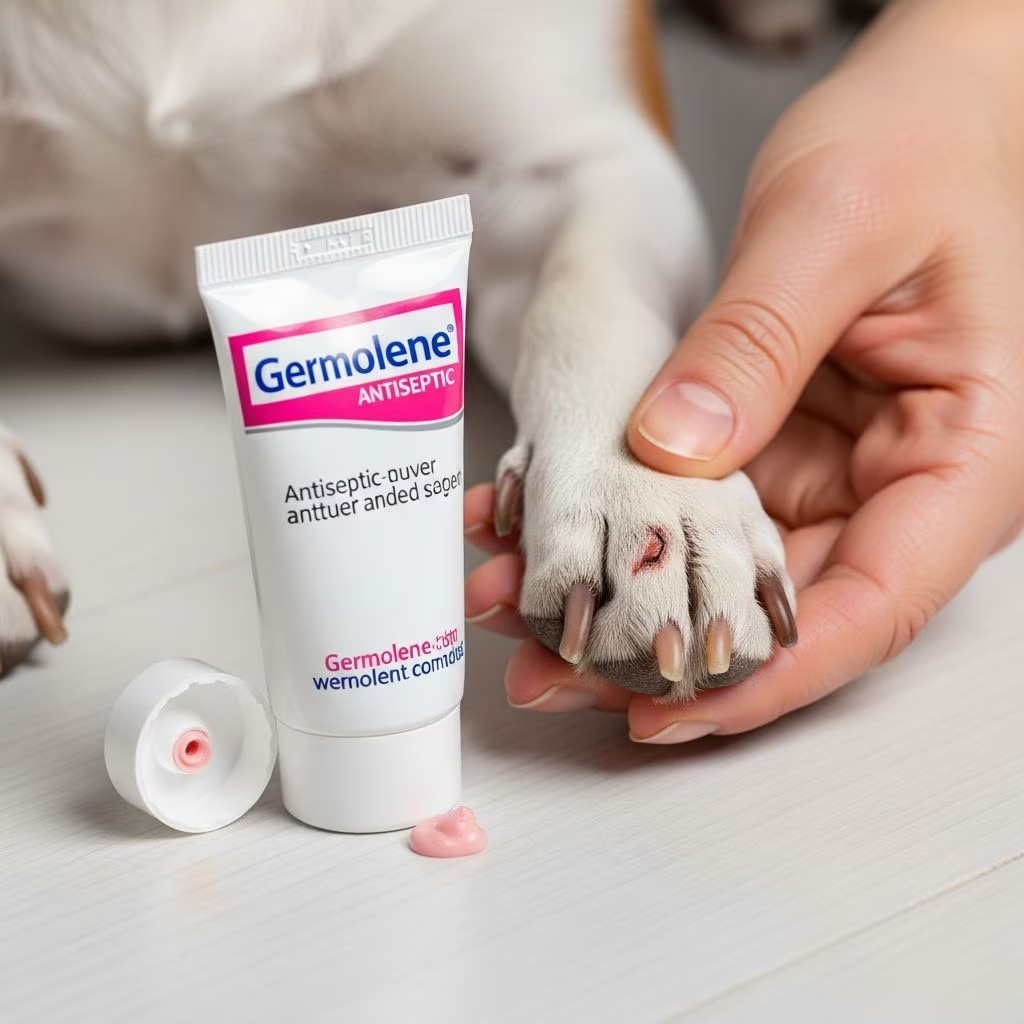
Germolene antiseptic cream is a common household product used for minor cuts, grazes, and skin irritations in humans, but its safety for dogs requires careful consideration. While it contains active ingredients like chlorhexidine gluconate and phenol that can help prevent infection and soothe discomfort, veterinary experts advise caution due to potential toxicity risks, especially if licked or ingested by dogs.
This comprehensive guide examines Germolene’s composition, benefits, risks, proper application methods, and safer alternatives to ensure your dog’s skin health without compromising safety. Always prioritize veterinary consultation for any wound or irritation persisting beyond minor cases.
What is Germolene and What Are Its Active Ingredients?
Germolene is an over-the-counter antiseptic cream formulated to treat minor wounds, abrasions, and superficial burns in humans. Its key active ingredients include:
- Chlorhexidine gluconate: A broad-spectrum antibacterial agent that disrupts bacterial cell membranes, effectively preventing infection in cuts and grazes.
- Liquefied phenol: Provides antiseptic properties and a mild anesthetic effect to reduce pain and itching.
- Wool fat (lanolin): Acts as an emollient to soothe and protect irritated skin, forming a barrier against further irritation.
These components work synergistically to clean wounds, fight bacteria, and promote healing. However, while effective for human skin, dogs’ physiology differs, making direct application problematic.
Can You Use Germolene on Dogs? Expert Opinions
Veterinary sources present mixed views on using Germolene on dogs. Some indicate it may be suitable for very minor, superficial wounds under strict supervision, as its antibacterial properties can prevent infection. Kinship experts note that Germolene can help with minor cuts, grazes, or burns by reducing pain and irritation.
Conversely, other pet health resources strongly caution against it due to phenol’s toxicity. Phenol (carbolic acid) can be absorbed through the skin or ingested if dogs lick the area, potentially causing gastrointestinal upset, mouth ulcers, or systemic poisoning. Sites like PetChef explicitly state Germolene is not recommended without veterinary guidance.
| Pros of Germolene for Dogs | Cons of Germolene for Dogs |
|---|---|
| Antibacterial action against common wound bacteria | Phenol toxicity risk if licked or absorbed |
| Soothes itching and minor hot spots | Potential allergic reactions or skin irritation |
| Readily available over-the-counter | Not formulated for canine pH-balanced skin |
Experts universally agree: for anything beyond a tiny scratch, consult a vet immediately rather than self-treating.
When Might Germolene Be Appropriate for Dog Wounds?
In rare cases of superficial, non-bleeding abrasions where immediate vet access is unavailable, a thin layer of Germolene might be applied sparingly. Suitable scenarios include:
- Minor paw pad scrapes from rough terrain.
- Small insect bites or superficial scratches.
- Hot spots from excessive licking, provided the dog cannot reach the area.
Application should be minimal, covered with a pet-safe bandage, and monitored closely. Discontinue if redness increases or licking occurs. Germolene’s phenol provides a numbing effect that may deter self-trauma temporarily. However, this is not a substitute for professional care.
Risks and Side Effects of Using Germolene on Dogs
The primary concern is phenol toxicity. Dogs are more sensitive to phenols than humans; even small amounts ingested can lead to:
- Gastrointestinal issues: Vomiting, diarrhea, drooling, or loss of appetite.
- Neurological symptoms: Tremors, weakness, or seizures in severe cases.
- Skin reactions: Increased redness, swelling, or allergic dermatitis.
Chlorhexidine is generally safer but can cause irritation in sensitive dogs. Licking removes the cream before it heals, exacerbating wounds. Long-term use risks antibiotic resistance or disrupted skin microbiome. Always watch for signs of distress and seek emergency vet care if symptoms appear.
How to Safely Apply Germolene to Your Dog (If Necessary)
If a vet approves short-term use, follow these steps meticulously:
- Clean the wound: Gently rinse with cool water or saline solution to remove debris. Pat dry with a clean towel.
- Apply thinly: Use a clean finger or cotton swab to dab a pea-sized amount. Avoid eyes, mouth, or mucous membranes.
- Prevent licking: Use an Elizabethan collar (cone) or bitter-tasting spray. Cover with non-stick gauze if possible.
- Monitor closely: Reapply only 1-2 times daily for no more than 48 hours. Clean between applications.
- Follow up: Schedule a vet visit if no improvement in 24 hours.
Never use on deep punctures, burns larger than 1cm, or infected areas showing pus/discharge.
Signs Your Dog’s Wound Needs Veterinary Attention
Not all wounds suit home remedies. Rush to the vet if you observe:
- Deep lacerations or excessive bleeding.
- Pus, foul odor, or swelling indicating infection.
- Limping, lethargy, or fever.
- Wound not closing within 24-48 hours.
- Any behavioral changes like whining or hiding.
Early intervention prevents abscesses or sepsis.
Safer Alternatives to Germolene for Dog Skin Care
Opt for vet-approved options tailored for pets:
- Pet-specific antiseptics: Chlorhexidine-based shampoos or wipes (e.g., Douxo Chlorhexidine).
- Natural remedies: Pure aloe vera gel (latex-free) for soothing burns and irritations. Diluted apple cider vinegar (1:1 with water) for minor itches.
- Essential oils: Properly diluted geranium essential oil repels fleas/ticks and calms skin issues without phenol risks. Use topically at 1-2% dilution.
- Honey or silver sulfadiazine: Prescription-grade for burns; Manuka honey has natural antibacterial properties.
- Neosporin (with caution): Triple antibiotic ointment, but monitor for licking as it lacks phenol.
Table of alternatives:
| Alternative | Best For | Safety Notes |
|---|---|---|
| Pure Aloe Vera | Burns, dry skin | Remove latex; non-toxic if licked |
| Geranium Oil (diluted) | Itch relief, flea repellent | Topical only; calming effect |
| Chlorhexidine Wipes | Infections, hot spots | Vet-recommended; low toxicity |
Preventing Wounds and Skin Issues in Dogs
Proactive care minimizes need for treatments:
- Regular grooming and paw inspections.
- Booties for rough walks.
- Flea preventives like geraniol-based products.
- Balanced diet for healthy skin coat.
- Training to avoid hazards.
Annual vet check-ups catch issues early.
Frequently Asked Questions (FAQs)
Is Germolene safe for dogs to lick?
No, due to phenol toxicity. Use a cone to prevent licking.
Can I use Germolene on my puppy?
Avoid; puppies are more sensitive. Consult vet for age-appropriate options.
What if my dog licks Germolene?
Monitor for vomiting or lethargy. Contact vet or poison hotline immediately.
Is Germolene better than Neosporin for dogs?
Neither ideal; Germolene risks phenol, Neosporin allergies. Vet products preferred.
How long can I use Germolene on a dog wound?
Maximum 48 hours; seek vet if no improvement.
References
- 6 Benefits of Geranium Essential Oil For Dogs — Mutt Scrub Products. 2023. https://muttscrubproducts.com/geranium-essential-oil-for-dogs/
- Neosporin Ointment vs Germolene for Dogs — Antibiotics For Dogs. 2024-03-27. https://www.antibioticsfordogs.com/neosporin-vs-germolene-ointment-for-dogs/
- Can I Use Germolene On My Dog? Experts Answer — Kinship. Accessed 2026. https://www.kinship.com/uk/dog-health/use-germolene-on-dog
- Can I Use Germolene On My Dog? — Dog Friendly Scene. Accessed 2026. https://dogfriendlyscene.co.uk/can-i-use-germolene-on-my-dog/
- 11 Safe and Unsafe Human Creams to Use on Dogs — PetChef. Accessed 2026. https://petchef.my/human-creams-use-on-dogs-home/
- A Pet Parent’s Guide to Geraniol — Only Natural Pet. Accessed 2026. https://www.onlynaturalpet.com/blogs/holistic-healthcare-library/a-guide-to-geraniol



