

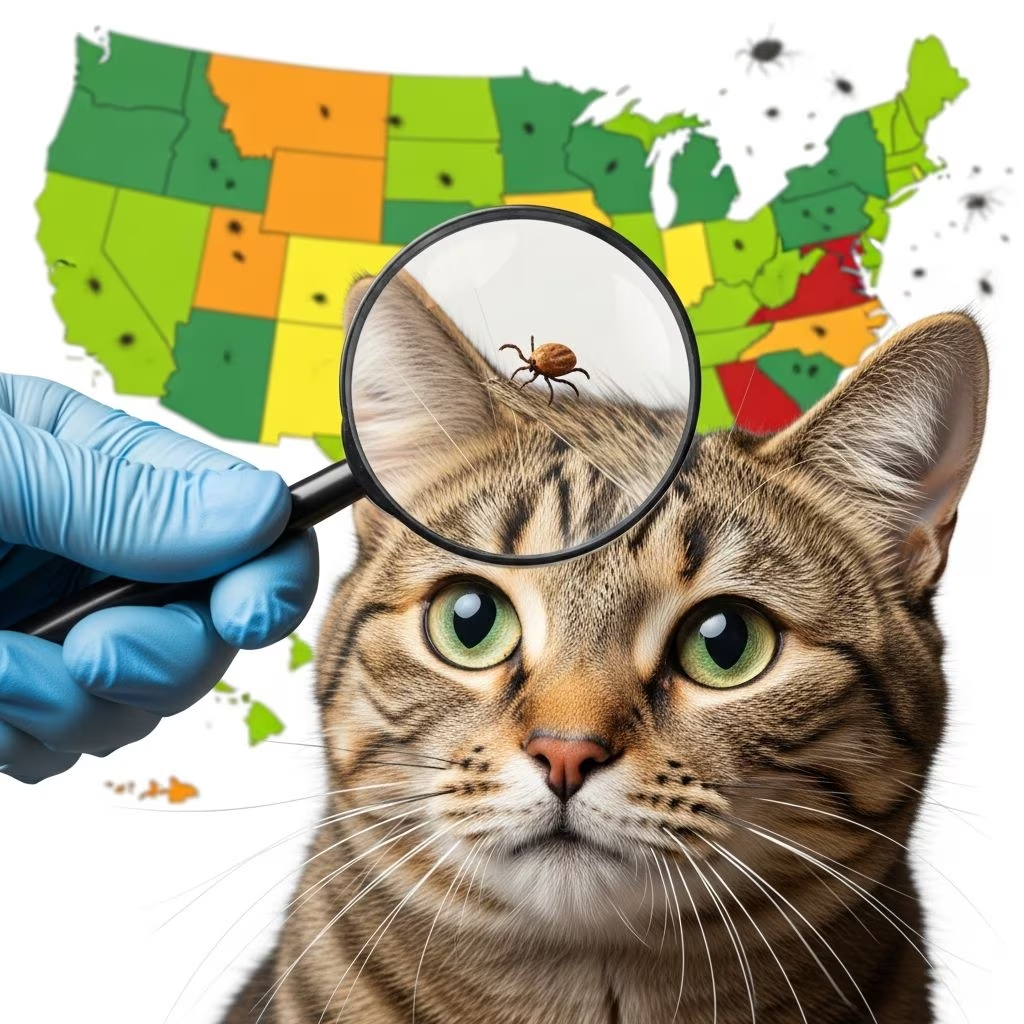
Fleas and ticks pose significant health threats to cats nationwide, with activity patterns varying by climate and geography. Understanding regional differences enables cat owners to implement targeted prevention, reducing risks of anemia, infections, and diseases like Lyme.
Understanding Fleas and Ticks: Key Differences and Dangers
Fleas are insects with six legs, excelling at jumping and thriving on blood meals from hosts like cats. The predominant species, Ctenocephalides felis (cat flea), infests cats across North America, causing itching, allergies, and tapeworm transmission. Ticks, arachnids with eight legs, latch onto skin for days, transmitting pathogens such as Rocky Mountain spotted fever or alpha-gal syndrome.
Both parasites complete life cycles involving eggs, larvae, pupae, and adults, often in shaded, humid environments. Indoor cats face risks via hitchhiking fleas on clothing or luggage, while outdoor cats encounter ticks in grassy or wooded areas.
Regional Breakdown of Flea and Tick Seasons
Parasite activity hinges on temperature and humidity; warmer areas support year-round cycles, while colder regions see seasonal peaks. Below is a table summarizing seasons by US region:
| Region | States Included | Peak Season | Notes |
|---|---|---|---|
| West Coast | CA, OR, WA | Year-round | Temperate climate prevents dormancy. |
| Rocky Mountains | CO, UT, NV, etc. | Mar-Nov (NV year-round) | Colder winters limit most states. |
| Southwest | AZ, NM, TX, OK | Year-round (lull Dec in north) | Arid but warm conditions sustain. |
| Southeast | FL, GA, AL, TN, NC, KY | Year-round (Mar-Dec north) | Humid warmth fuels constant risk. |
| Midwest | IL, OH, MN, etc. | Mar/Apr-Nov/Dec | Winter freeze reduces activity. |
| Northeast | NY, PA, MA, etc. | Apr (Mar south)-Nov/Dec | Earlier starts in southern areas. |
| Noncontiguous | AK, HI | AK: May-Oct; HI: Year-round | AK cold limits; HI tropical. |
Climate change extends seasons, with warmer winters enabling earlier emergences even in northern states.
Common Species Targeting Cats by Region
Cat fleas dominate everywhere, but ticks vary. Eastern and central areas feature black-legged ticks (Ixodes scapularis), Lyme vectors active in forests. Lone star ticks (Amblyomma americanum) prevail in Southeast and Mid-Atlantic, linked to meat allergies. American dog ticks (Dermacentor variabilis) carry spotted fever in Midwest and Northeast.
West Coast sees brown dog ticks (Rhipicephalus sanguineus), while Southwest has multiple species due to diversity. Hawaii limits to brown dog ticks; Alaska has shorter exposures.
How to Spot Fleas and Ticks on Your Cat
Regular checks prevent infestations. Flea signs include ‘flea dirt’ (dark specks turning red in water), excessive grooming, and hair loss on lower back or belly. Ticks appear as raised lumps, often on head, ears, neck, or legs.
- Flea hotspots: Base of tail, groin, armpits, belly.
- Tick hotspots: Ears, eyelids, between toes, under collar.
Use a fine comb over white paper; live fleas jump, ticks engorge.
Environmental Hotspots: Yard and Home Risks
Fleas breed in moist, shaded pet areas: under porches, in carpets, soil near shrubs. Larvae need >50% humidity, dying in dry conditions.
Tick habitats include lawn-wood edges, tall grass, leaf litter, deer trails. Fairfax County notes deer as key transporters.
- Yard fixes: Mow grass, clear debris, create barriers.
- Home fixes: Vacuum daily, wash bedding, use dehumidifiers.
Seasonal Activity Peaks and Climate Influences
Mid-Atlantic ticks peak Apr-Sep; fleas Aug-Oct outdoors, year-round indoors. West/South: Constant due to mild weather. Northern states gain winter breaks, but warming trends erode this.
Humidity and host availability (mice, deer) boost populations.
Effective Prevention Strategies for Cats
Year-round topical/oral preventives are essential; CAPC advocates against seasonal gaps. Consult vets for cat-safe options like fipronil or imidacloprid.
- Topicals: Apply monthly to skin.
- Oral/Injectables: Chewables or shots for convenience.
- Collars: Seresto-like for extended release.
Environmental control: Insect growth regulators indoors/out. Avoid dog products on cats.
Diseases Transmitted and Health Impacts
Fleas cause flea allergy dermatitis, anemia in kittens, tapeworms. Ticks spread Lyme, ehrlichiosis, anaplasmosis, babesiosis. Prompt removal reduces risks, but vet checks needed.
Year-Round Vigilance: Why Skipping Isn’t Safe
Sporadic treatment invites breakthroughs; indoor persistence and hitchhikers demand consistency. Warmer climates and travel amplify threats.
Frequently Asked Questions
Can indoor cats get fleas or ticks?
Yes, via owners’ shoes, other pets, or vents.
Are long-haired cats more prone?
No, all fur lengths host equally; check hidden areas.
Winter prevention necessary?
In warm regions yes; northern areas may pause, but resuming early advised.
How to remove a tick safely?
Use tweezers at base, pull steadily, clean with alcohol; save for ID.
DIY prevention effective?
Limited; vet products outperform natural remedies.
Regional Action Plans
- West/South: Monthly all year.
- Mid/North: Mar-Dec, resume Feb.
- AK: May-Oct intensive.
Tailor to locale, monitor weather.
References
- Fleas & Ticks on Cats: A Guide for Each Region in the US — Catster. 2023. https://www.catster.com/cat-health-care/regional-guide-to-fleas-and-ticks-on-cats/
- Flea vs Tick: What Mid-Atlantic Homeowners Need to Know — Better Termite. 2023. https://bettertermite.com/flea-vs-tick/
- No Off-Season: Why Flea and Tick Prevention Matters All Year Long — CC Pet. 2023. https://ccpet.com/no-off-season-why-flea-and-tick-prevention-matters-all-year-long/
- Beyond Borders: The Truth About Ticks — Today’s Veterinary Practice. 2023. https://todaysveterinarypractice.com/parasitology/the-truth-about-ticks/
- Insects and Ticks > Fleas — Purdue University Extension Entomology. 2023. https://extension.entm.purdue.edu/publichealth/insects/flea.html



