

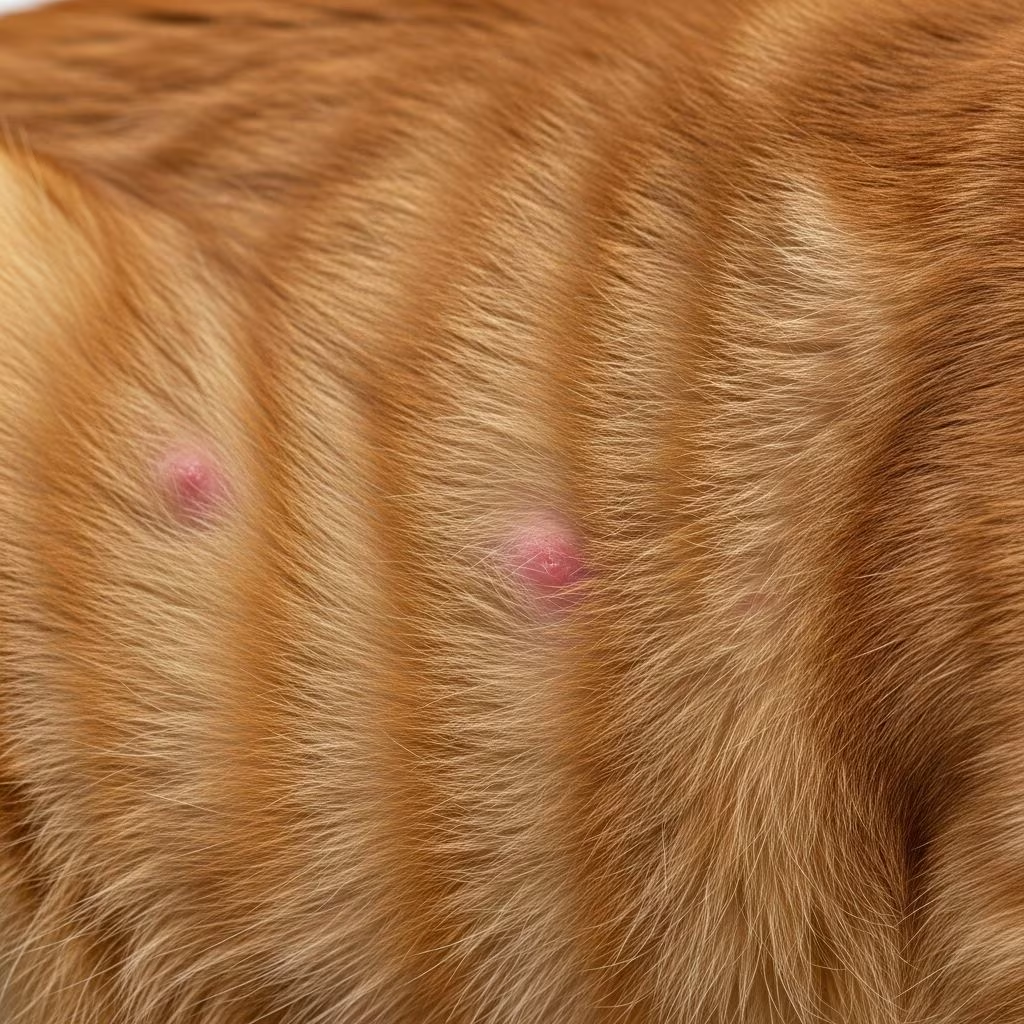
Urticaria, commonly known as hives or wheals, manifests in cats as sudden raised, itchy welts on the skin due to mast cell degranulation releasing histamine, leading to localized swelling and inflammation. This condition typically arises from allergic or irritant triggers and often resolves within 12-48 hours without intervention, though prompt identification of causes prevents recurrence.
Understanding the Mechanisms Behind Feline Hives
Hives develop when mast cells in the dermis release histamine and other mediators, causing vasodilation and fluid leakage into tissues, resulting in edematous plaques. In cats, this can be an acute type I hypersensitivity reaction occurring minutes after exposure or a non-immunologic response to direct irritation. While rare in felines compared to dogs, urticaria demands attention as it signals underlying sensitivities or infections.
The adaptive immune system drives immunological urticaria via antibodies against antigens like proteins in foods or vaccines, whereas innate responses handle physical stressors such as pressure or temperature changes. Chronic forms, though uncommon, may link to immune-mediated issues requiring deeper investigation.
Common Triggers Sparking Skin Reactions in Cats
Numerous factors provoke urticaria in cats, ranging from environmental allergens to parasitic assaults. Identifying the culprit is crucial for effective management.
- Insect and Arthropod Encounters: Bites from bees, wasps, ants, mosquitoes, or spiders frequently initiate reactions, with flea saliva causing allergic dermatitis in hypersensitive cats.
- Parasitic Infestations: Fleas represent a primary culprit, as even minimal bites trigger intense responses due to saliva proteins.
- Contact Irritants: Fabrics, detergents, cleaning agents, or human apparel can provoke non-immunologic hives upon direct skin contact.
- Pharmacological Reactions: Antibiotics (e.g., penicillin, ampicillin), vaccines, or other drugs like ivermectin may induce hypersensitivity.
- Nutritional Sensitivities: Food proteins, additives, or novel ingredients spark immunological responses.
- Airborne Allergens: Pollens, molds, or dust provoke inhalation-triggered urticaria.
- Infections and Immune Disorders: Bacterial skin infections or rare immune-mediated conditions contribute.
- Idiopathic Cases: In some instances, no trigger is identifiable despite thorough evaluation.
Seasonal patterns often correlate with insect activity or pollen peaks, while indoor cats may react to household chemicals or diet.
Recognizing Symptoms of Hives in Your Cat
Cats exhibit distinctive signs of urticaria, primarily affecting the face, trunk, and limbs. Key indicators include:
- Raised, pale wheals or plaques, often 1-5 cm in diameter, that blanch under pressure.
- Intense pruritus leading to self-trauma, alopecia, or excoriations.
- Angioedema causing facial or paw swelling in severe cases.
- Lethargy, agitation, or vocalization from discomfort.
Unlike human hives, feline lesions may lack erythema due to fur coverage, appearing as bumps or edematous areas. Acute episodes peak within hours and fade in 24-48 hours, but recurrent bouts suggest ongoing exposure. Monitor for anaphylaxis signs like vomiting, diarrhea, or respiratory distress, necessitating emergency care.
| Condition | Key Features | Duration | Common Triggers |
|---|---|---|---|
| Urticaria | Raised wheals, transient, itchy | 12-48 hours | Allergens, insects |
| Flea Allergy Dermatitis | Miliary dermatitis, papules | Chronic | Flea saliva |
| Atopic Dermatitis | Pruritus, eosinophilia | Recurrent | Environmental |
| Urticaria Pigmentosa | Persistent papules, mast cells | Chronic | Mastocytosis |
Diagnostic Approaches for Feline Urticaria
Veterinarians employ a systematic process to pinpoint urticaria causes, starting with history and physical exam. Essential steps include:
- History Review: Timeline of onset, recent exposures (vaccines, new foods, travel), and recurrence patterns.
- Dermatologic Exam: Inspect for wheals, swelling, fleas, or lesions under fur.
- Skin Scrapings and Cytology: Rule out parasites, bacteria, or fungi.
- Intradermal or Serology Testing: For suspected allergies, though less reliable in cats.
- Elimination Diet Trial: 6-8 weeks on hydrolyzed or novel protein diet to test food allergies.
- Skin Biopsy: For refractory cases to identify mastocytosis or other pathologies.
Cultures for dermatophytes and trial antiparasitics precede advanced tests. Idiopathic urticaria is a diagnosis of exclusion.
Effective Treatment Strategies for Cat Hives
Treatment prioritizes trigger avoidance, with supportive therapies for symptom relief. Most mild cases self-resolve, but intervention accelerates recovery.
- Antihistamines: H1-blockers like cetirizine (1-2 mg/kg daily) or hydroxyzine reduce histamine effects.
- Glucocorticoids: Prednisolone (0.5-1 mg/kg) or dexamethasone for inflammation; short courses preferred.
- Supportive Care: Cool compresses, colloidal oatmeal baths soothe itching.
- Immunotherapy: For confirmed allergies, allergen-specific shots after testing.
- Advanced Options: Oclacitinib or cyclosporine for chronic, refractory urticaria.
In severe anaphylaxis, epinephrine, fluids, and oxygen are critical. Tailor dosages to avoid side effects like lethargy from antihistamines.
Preventive Measures to Safeguard Your Cat
Proactive steps minimize urticaria risks:
- Monthly flea preventives year-round.
- Hypoallergenic diets for at-risk cats.
- Regular home cleaning to reduce dust and allergens.
- Monitor new medications or foods.
- Environmental controls like air purifiers for pollen-sensitive cats.
Omega-3 supplements and mast cell stabilizers like palmitoylethanolamide offer adjunct prevention.
When to Seek Urgent Veterinary Help
Rush to the vet if your cat shows facial swelling, breathing issues, collapse, or persistent hives beyond 48 hours. Early intervention prevents complications like secondary infections.
Frequently Asked Questions (FAQs)
Can urticaria in cats be fatal?
Rarely, if progressing to anaphylaxis with respiratory compromise, but most cases are benign and self-limiting.
How long do cat hives last?
Typically 12-48 hours; recurrent episodes indicate ongoing triggers.
Are food allergies a common cause?
Yes, confirmed via elimination trials showing resolution on novel diets.
Can I treat hives at home?
Mild cases yes, with vet-approved antihistamines; severe require professional care.
Is urticaria contagious?
No, it’s an individual hypersensitivity reaction, not transmissible.
References
- Urticaria in Cats: Causes, Symptoms, and Treatment — cats.com. 2023. https://cats.com/urticaria-in-cats
- Urticaria pigmentosa-like skin disease in a domestic shorthair cat — PMC (PubMed Central). 2019-01-16. https://pmc.ncbi.nlm.nih.gov/articles/PMC6327337/
- Feline urticaria pigmentosa in three related Sphinx cats — University of Saskatchewan WCVM. N/A. https://wcvm.usask.ca/documents/vet-path/rounds/UP.sphinx.pdf
- Urticaria (Hives, Wheals) in Animals — MSD Veterinary Manual. 2023. https://www.msdvetmanual.com/integumentary-system/urticaria/urticaria-hives-wheals-in-animals
- 7 Signs of a Cat Allergic Reaction — PetMD. 2023. https://www.petmd.com/cat/general-health/signs-of-cat-allergic-reaction



