

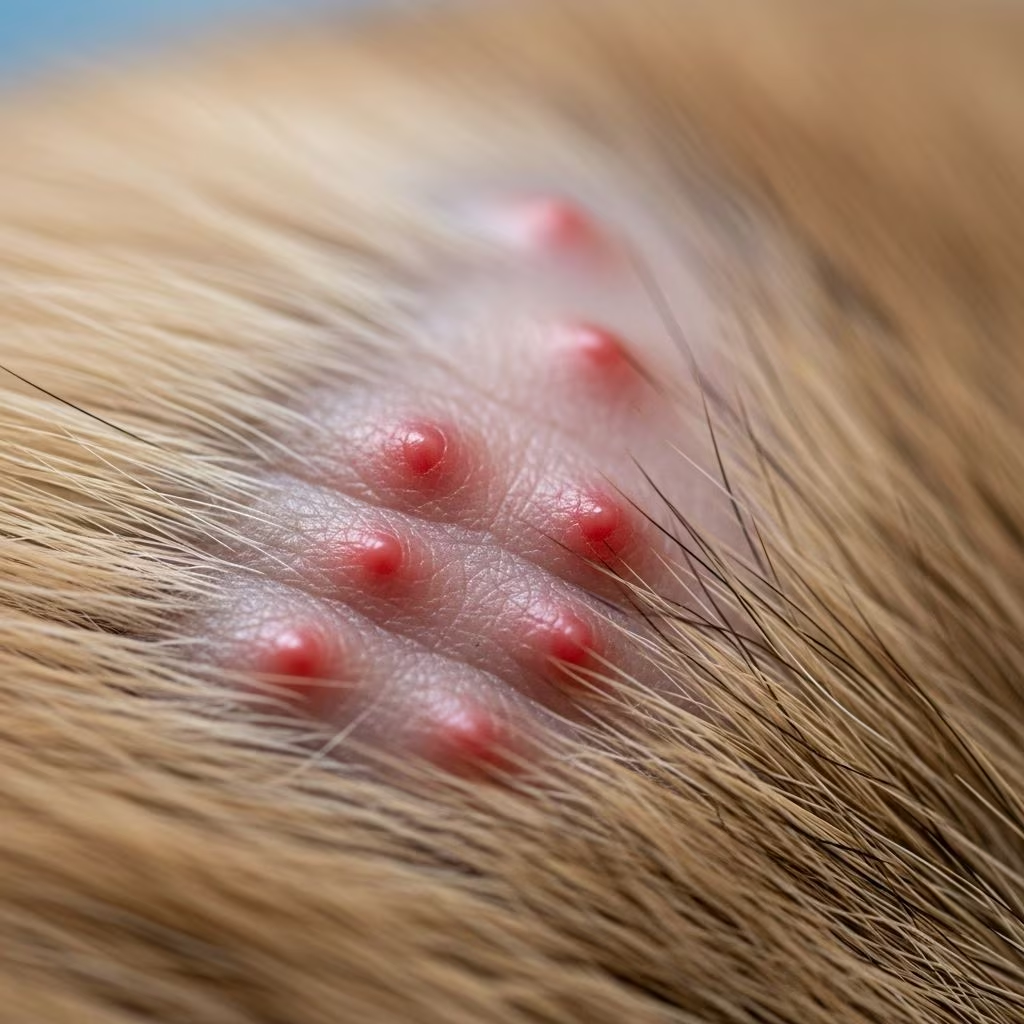
Urticaria, commonly referred to as hives or wheals, represents a frequent skin response in animals characterized by edematous, often itchy swellings on the skin surface. This condition arises primarily from mast cell degranulation, leading to histamine release that provokes localized fluid accumulation in the dermis. While it affects various mammals, dogs and horses encounter it most regularly, with episodes typically emerging rapidly after exposure to triggers and resolving within hours to days if unaddressed.
Understanding the Mechanisms Behind Animal Hives
The foundational process of urticaria involves an immune-mediated reaction, predominantly type I hypersensitivity, where allergens or irritants prompt mast cells to unleash histamine and other mediators. This results in blood vessel dilation and plasma leakage into surrounding tissues, forming the distinctive raised plaques. In animals, this can manifest acutely, with wheals appearing in minutes, or persist chronically in rare instances due to ongoing stimuli. Unlike human cases, animal urticaria seldom involves deep tissue angioedema unless progressing to severe anaphylaxis.
Several pathways contribute to this degranulation. Allergens bind to IgE antibodies on mast cell surfaces, triggering immediate release. Non-immune causes, such as direct mast cell activators like certain drugs or physical factors, bypass this antibody step. Histamine primarily drives the vascular changes, but leukotrienes and prostaglandins amplify inflammation and pruritus.
Common Triggers Sparking Hives in Pets
Identifying inciting factors is crucial for management. In dogs, insect stings or bites top the list, followed by topical agents like shampoos, medications, and contact with irritants such as plants or chemicals. Horses often react to insect exposure or environmental allergens. Vaccinations occasionally provoke episodes, necessitating adjusted protocols.
- Insect-related: Bees, wasps, and flies cause rapid onset, especially facial swelling.
- Pharmacological: Antibiotics, vaccines, or NSAIDs can induce reactions.
- Contact irritants: Shampoos, detergents, or toxic foliage.
- Food or environmental: Less common acutely but possible in recurrent cases.
- Physical: Pressure, cold, or sunlight in susceptible animals.
These triggers vary by species; cats rarely show urticaria but face toxicity risks from certain repellents.
Recognizing Clinical Manifestations Across Species
Hives present as circumscribed, erythematous, edematous elevations varying from millimeters to centimeters, often coalescing into larger plaques. They favor the trunk, flanks, face, and extremities, with pruritus ranging from mild to intense. In dogs, facial and muzzle swelling predominates post-insect encounters, potentially escalating to airway compromise. Horses display similar back and leg involvement.
| Species | Typical Locations | Associated Signs |
|---|---|---|
| Dogs | Face, lips, back, legs | Itchiness, swelling, piloerection |
| Horses | Flanks, neck, eyelids | Fever, lethargy in severe cases |
| Cats (rare) | Trunk, paws | Mild edema, minimal itch |
| Other mammals | Mucocutaneous junctions | Variable systemic signs |
Acute episodes arise suddenly, lasting 12-48 hours, while chronic forms evade quick resolution, hinting at persistent allergens. Systemic precursors like fever or anorexia may precede outbreaks.
Diagnostic Approaches for Accurate Identification
Veterinarians rely on history, exam, and therapeutic response for diagnosis, as lesions are pathognomonic. Owners report sudden wheal development post-exposure, with physical findings confirming edematous, blanching plaques. Differential diagnoses include flea allergy dermatitis or early toxic eruptions, but urticaria’s evanescent nature distinguishes it.
In ambiguous or recurrent scenarios, skin biopsies reveal dermal edema sans cellular infiltrates, contrasting allergic dermatoses. Allergy testing or elimination diets probe chronic triggers. Monitoring post-treatment subsidence solidifies the verdict.
Effective Treatment Protocols for Rapid Relief
Many mild instances self-resolve, yet intervention averts progression. First-line therapy combines antihistamines and glucocorticoids for synergistic histamine blockade and anti-inflammatory effects. Injectable forms yield swift abatement, often within minutes.
Dog-specific antihistamine dosing:
- Diphenhydramine: 2-4 mg/kg PO q8-12h or 0.5-2 mg/kg IM.
- Cetirizine: 1-4 mg/kg PO q24h.
- Hydroxyzine: 2 mg/kg PO q12h.
Avoid loratadine or clemastine in dogs due to inefficacy. Glucocorticoids like prednisone (0.5-1 mg/kg PO) or dexamethasone injections complement, particularly in angioedema. Severe anaphylaxis demands epinephrine, fluids, and oxygen. Chronic cases may require oclacitinib or cyclosporine. Newer options like Zenrelia (2024) target contact dermatitis-related itch.
Strategies for Long-Term Prevention and Control
Avoidance reigns supreme: eliminate identified triggers via insect control, hypoallergenic products, or medication adjustments. For inescapable exposures, daily antihistamines or mast cell stabilizers like palmitoylethanolamide prove beneficial.
- Permethrin repellents for dogs/horses (toxic to cats).
- Omega-3 supplements reduce inflammation.
- Allergen-specific immunotherapy for confirmed hypersensitivities.
- Pre-treatment prior to vaccines.
Food trials isolate dietary culprits in persistent cases.
Species-Specific Considerations and Prognosis
Dogs generally fare well with prompt care, though recurrent allergies warrant dermatology referral. Horses benefit from fly sheets and repellents. Prognosis excels unless anaphylaxis intervenes, which is rare but fatal without intervention. Chronic urticaria signals deeper atopy, demanding comprehensive allergy workups.
Frequently Asked Questions (FAQs)
Are hives in dogs always from allergies?
No, while allergies predominate, physical factors or infections can trigger them.
Can hives resolve without vet care?
Yes, mild cases often fade in 12-48 hours, but monitoring prevents escalation.
Is urticaria contagious to other pets?
No, it’s an individual immune response, not transmissible.
What if my pet’s face swells with hives?
Seek emergency care; it may indicate anaphylaxis threatening breathing[10].
How do I prevent vaccine-induced hives?
Inform your vet of history for preemptive antihistamines.
Key Takeaways for Pet Owners
- Urticaria signals hypersensitivity; act swiftly on wheals.
- Antihistamines plus steroids offer quick relief.
- Pinpoint and evade triggers for prevention.
- Chronic cases need specialist input.
References
- Hives (Urticaria) in Dogs — VCA Animal Hospitals. 2023. https://vcahospitals.com/know-your-pet/urticaria-or-hives-in-dogs
- Hives and Rashes (Urticaria) in Dogs — MSD Veterinary Manual. 2024-01-15. https://www.msdvetmanual.com/dog-owners/skin-disorders-of-dogs/hives-and-rashes-urticaria-in-dogs
- Hives on Dogs: What They Mean & What Causes Them — Animal Friends Dermatology. 2024-01-30. https://www.animalfriendsdermatology.com/site/blog/2024/01/30/hives-dogs
- Urticaria (Hives, Wheals) in Animals — Merck Veterinary Manual. 2025. https://www.merckvetmanual.com/integumentary-system/urticaria/urticaria-hives-wheals-in-animals
- Dog Hives: Causes, Symptoms, and Treatment — PetMD. 2024-11-20. https://www.petmd.com/dog/conditions/skin/hives-dogs-causes-symptoms-and-treatment-options
- Hives in Dogs: What They Mean & What Causes Them — Monroe Veterinary Clinic. 2024-03-30. https://www.monroeveterinaryclinic.com/site/blog/2024/03/30/hives-dogs



