

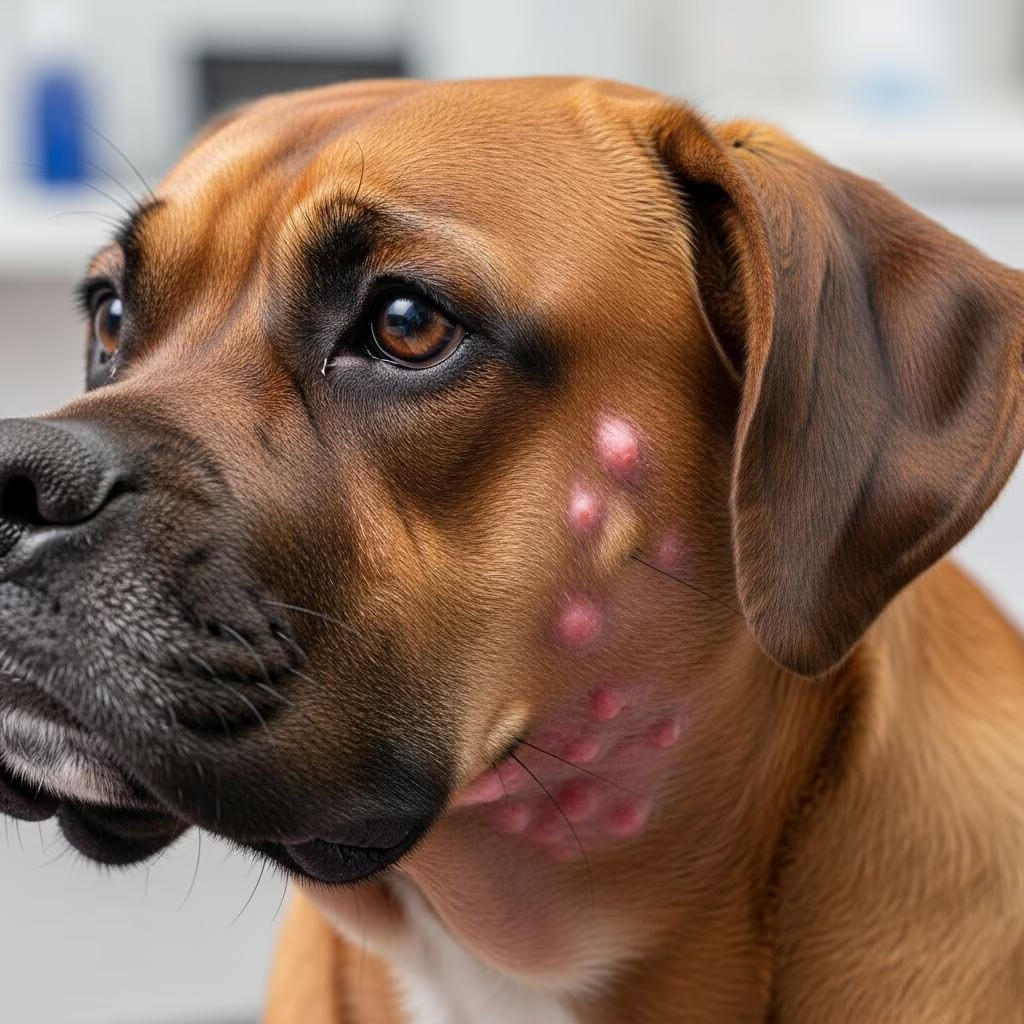
Urticaria, commonly known as hives, represents a localized inflammatory response of the skin that manifests as raised, red, and typically itchy patches. While these cutaneous eruptions can be alarming to pet owners, they are relatively infrequent in dogs compared to other skin conditions. Understanding the nature of these reactions, their underlying causes, and appropriate management strategies enables dog owners to respond effectively and minimize their pet’s discomfort.
What Are Hives and How Do They Develop?
Hives develop through a specific biological mechanism involving the release of inflammatory mediators from immune cells. When a dog’s body encounters a substance it perceives as threatening, specialized immune cells called mast cells release a chemical compound known as histamine into the bloodstream. This histamine triggers dilation of blood vessels in the affected area, causing fluid to leak into surrounding tissues. The result is the characteristic raised, swollen appearance that defines urticaria.
These skin manifestations typically appear suddenly and may resolve with equal rapidity, often disappearing within several hours to two days without intervention. The transient nature of hives can sometimes deceive pet owners into thinking the condition is inconsequential, but proper documentation and monitoring remain important for long-term health management.
The lesions themselves usually present as localized areas of edema and erythema, creating a bumpy texture on the skin surface. Dogs frequently exhibit scratching or licking behavior in response to the associated pruritus, though not all cases involve significant itching.
Identifying Common Triggers and Risk Factors
Multiple categories of substances and circumstances can precipitate hive development in susceptible dogs. Understanding these triggers allows owners to implement preventive strategies and identify patterns in their pet’s reactions.
Biological and Environmental Allergens
Insect bites and stings rank among the most frequent culprits, particularly affecting the head and neck regions where dogs may encounter flying insects. Exposure to environmental allergens including pollen, mold spores, and dust can also trigger reactions in sensitive individuals. Dogs with concurrent environmental allergies may experience seasonal patterns of hive development.
Chemical and Topical Agents
Grooming products represent a significant source of contact dermatitis and subsequent urticaria. Shampoos, conditioners, and other topical treatments may contain ingredients that trigger reactions in predisposed dogs. Even hypoallergenic formulations can occasionally provoke responses in highly sensitive animals.
Dietary Components
Food allergens constitute another important category of triggers. Specific protein sources, grains, or additives within commercial and homemade diets can precipitate systemic reactions that manifest as hives.
Pharmaceutical and Immunological Factors
Medications and vaccines sometimes trigger urticarial reactions as a component of drug sensitivity or immune response. Vaccination-related hives warrant particular attention, as they may indicate the need for modified protocols in future immunizations.
Additional Contributing Factors
Physical and physiological stressors can precipitate or exacerbate hive formation. These include exposure to extreme temperatures, intense exercise, mechanical friction on the skin, elevated stress levels, and ultraviolet radiation. Certain genetic predispositions may increase individual susceptibility to developing urticaria in response to various stimuli.
Clinical Presentation and Recognition
Pet owners should understand what hives appear and feel like to facilitate early recognition. The typical presentation includes discrete or confluent areas of raised, erythematous skin with visible swelling or edema. The affected areas may feel warm to the touch and vary in size from small bumps to larger plaques.
Associated symptoms commonly include excessive scratching, licking, or nibbling at affected regions. Some dogs experience facial swelling, particularly around the muzzle and eyes, which can appear more dramatic than localized body hives. In mild cases, hives may disappear within 12 to 48 hours even without medical intervention.
The sudden onset and variable resolution timeline distinguish urticaria from chronic skin conditions. An owner might notice hives appearing over the course of minutes to hours following exposure to a triggering substance.
Diagnostic Approach and Medical Evaluation
While hives are often recognizable by their appearance, determining the underlying cause requires a systematic diagnostic approach. Veterinarians typically begin by obtaining a detailed history regarding recent exposures, dietary changes, medication administration, and environmental modifications.
For dogs experiencing recurrent episodes, allergy testing may confirm specific environmental or dietary triggers. Elimination diets can identify problematic food components by systematically removing suspected ingredients and observing whether reactions diminish. Blood tests and intradermal allergy testing provide additional diagnostic tools for comprehensive evaluation.
Documentation of timing, distribution, associated symptoms, and any identified exposures helps veterinarians develop targeted management strategies.
Immediate Treatment and Management Strategies
Dogs with hives respond favorably to veterinary intervention in the majority of cases. Treatment approaches vary based on severity and underlying cause.
Pharmaceutical Interventions
Injectable antihistamines and corticosteroids produce rapid improvement, sometimes within minutes of administration. These medications work by blocking histamine receptors or suppressing immune system activation that perpetuates the inflammatory response.
The antihistamine diphenhydramine is frequently administered via injection for acute reactions. Studies indicate that cetirizine, an oral antihistamine, may provide superior efficacy in reducing both dermatologic symptoms and gastrointestinal complications associated with allergic reactions.
For chronic or recurrent hives, oral antihistamines and corticosteroids may be prescribed for home administration over several days or weeks. Newer prescription medications introduced recently offer targeted relief with simplified dosing regimens.
In severe cases involving respiratory compromise or systemic reactions, intravenous fluid therapy and injectable epinephrine may be necessary, requiring hospitalization and close monitoring.
At-Home Comfort Measures
Several practical strategies provide symptomatic relief while medical treatments take effect:
- Cold compress application to affected areas reduces swelling and provides temporary itch relief; use a clean cloth soaked in cold water or ice wrapped in a towel applied for several minutes.
- Oatmeal baths can soothe irritated skin and reduce itching sensations.
- Environmental modification such as moving an affected dog indoors or using air filtration can reduce exposure to environmental allergens.
- Removal of stinging insects or stingers from the skin prevents continued venom exposure.
- Ceasing exposure to suspected food allergens immediately stops ongoing dietary trigger exposure.
Long-Term Management and Prevention
Dogs with single episodes of hives generally require no ongoing intervention beyond addressing the triggering factor. However, dogs experiencing recurrent reactions benefit from comprehensive management plans.
Allergy Identification and Avoidance
Once causative allergens are identified, the most effective prevention involves minimizing exposure. This might include switching to different grooming products, modifying the diet, or using environmental controls.
Immunotherapy
For dogs with frequent reactions to unavoidable environmental allergens, immunotherapy (allergy shots) gradually desensitizes the immune system to specific triggers, reducing reaction severity over time.
Hypoallergenic Products
Specialized shampoos and leave-in conditioners formulated for sensitive skin can minimize irritation from grooming procedures.
Vaccination Protocol Modifications
Dogs experiencing vaccine-related hives may benefit from pre-treatment with antihistamines before future vaccinations or modified vaccination schedules that reduce antigen load.
When Hives Become a Medical Emergency
While most cases of urticaria resolve without serious complications, certain presentations require immediate emergency intervention. Pet owners should seek urgent veterinary care if hives occur alongside:
- Difficulty breathing or respiratory distress
- Severe facial or throat swelling that may compromise airways
- Extreme lethargy or collapse
- Signs of anaphylaxis including rapid heartbeat, weakness, or shock
- Hives following vaccination or medication administration
Anaphylactic reactions, though uncommon, represent life-threatening emergencies requiring immediate hospitalization and aggressive treatment.
Prognosis and Recovery Expectations
The prognosis for dogs with urticaria is generally excellent. Most cases resolve within hours to days, and dogs experience complete recovery without permanent sequelae. Death from urticaria alone is uncommon and typically occurs only when anaphylaxis or respiratory tract swelling develops.
Dogs with identified triggers that can be effectively managed or avoided typically experience no further episodes. Even dogs with recurrent reactions can achieve good quality of life through appropriate preventive measures and rapid treatment when reactions occur.
Frequently Asked Questions
Can I treat my dog’s hives at home without veterinary care?
While mild hives sometimes resolve without treatment, veterinary evaluation is recommended to ensure proper diagnosis, rule out serious complications, and document the episode in your dog’s medical record. Home measures like cold compresses can provide comfort, but professional assessment prevents delayed complications.
Is it safe to give my dog human antihistamines?
Never administer human medications without explicit veterinary guidance. While some human antihistamines like diphenhydramine can be used in dogs at specific dosages, others contain ingredients harmful to dogs. Always consult your veterinarian before giving any medication.
How quickly do hives disappear after treatment?
Injectable antihistamines and corticosteroids often produce dramatic improvement within minutes to hours. Oral medications may take several hours to show effects. Untreated mild cases typically resolve within 12 to 48 hours.
If my dog had hives once, will they have them again?
Not necessarily. If the trigger was a one-time exposure unlikely to recur, your dog may never experience another reaction. However, if the trigger is environmental or dietary, reactions may recur with re-exposure. Documentation helps identify patterns.
What’s the difference between food allergies and environmental allergies causing hives?
Food allergies typically cause year-round reactions, while environmental allergies often show seasonal patterns. An elimination diet can identify food triggers, whereas environmental allergies require different diagnostic approaches including intradermal testing.
Working with Your Veterinary Team
Successful management of urticaria involves close collaboration between pet owners and veterinarians. Maintain detailed records of hive episodes, including when they occurred, what your dog was exposed to beforehand, which areas were affected, and how quickly they resolved. This information proves invaluable for identifying patterns and developing prevention strategies.
Report all hive episodes to your veterinarian, even if they resolve spontaneously, as this contributes to your dog’s comprehensive health history and informs future medical decisions, particularly regarding vaccinations and medications.
Your veterinarian can recommend appropriate preventive measures, allergy testing if indicated, or specialized medications for dogs experiencing frequent reactions. For complex or recurrent cases, referral to a veterinary dermatologist may provide additional expertise in identifying triggers and optimizing management.
References
- Hives (Urticaria) in Dogs — VCA Animal Hospitals. https://vcahospitals.com/know-your-pet/urticaria-or-hives-in-dogs
- Dog Hives: What They Are and How To Treat Them — PetMD. https://www.petmd.com/dog/conditions/skin/hives-dogs-causes-symptoms-and-treatment-options
- Hives and Rashes (Urticaria) in Dogs – Dog Owners — MSD Veterinary Manual. https://www.msdvetmanual.com/dog-owners/skin-disorders-of-dogs/hives-and-rashes-urticaria-in-dogs
- Hives on Dogs: What They Mean & What Causes Them — Animal Friends Dermatology. https://www.animalfriendsdermatology.com/site/blog/2024/01/30/hives-dogs
- How to Treat Dog Hives at Home — Whole Dog Journal. https://www.whole-dog-journal.com/health/how-to-treat-dog-hives-at-home/
- Hives in Dogs: What They Mean & What Causes Them — Monroe Veterinary Clinic. https://www.monroeveterinaryclinic.com/site/blog/2024/03/30/hives-dogs
- What To Do If Your Dog Experiences an Allergic Reaction — Port City Veterinary Hospital. https://www.portcityvet.com/blog/what-to-do-if-your-dog-experiences-an-allergic-reaction



