

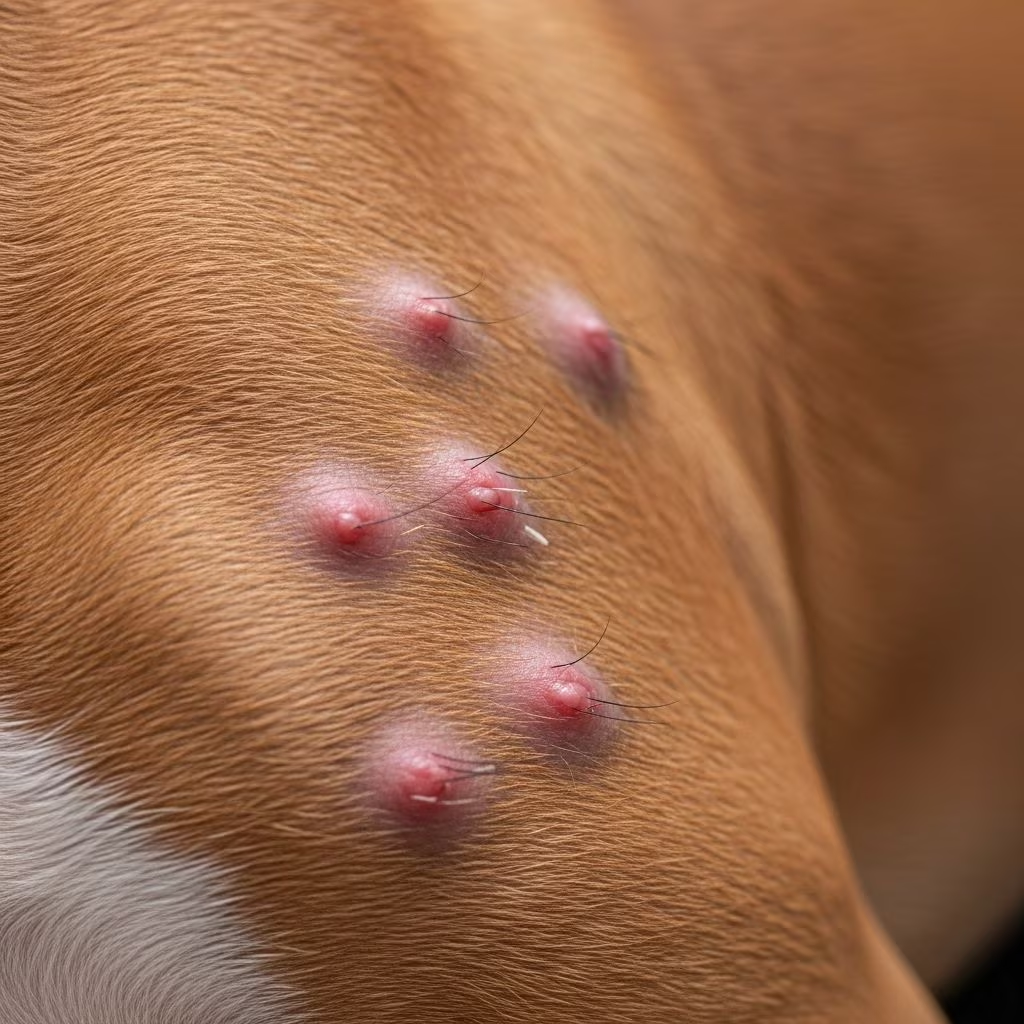
Understanding Urticaria (Hives) in Dogs
Urticaria, commonly known as hives, is an allergic skin condition that affects dogs and causes the development of raised, swollen welts on the skin. These welts can appear suddenly and may develop anywhere on your dog’s body, including the face, lips, tongue, throat, and ears. While hives are typically not life-threatening, they can cause significant discomfort to your pet and warrant prompt attention from a veterinarian. Understanding what causes hives, recognizing the symptoms, and knowing how to respond appropriately is essential for every responsible dog owner.
The condition manifests as dome-shaped bumps known as wheals that can vary in size and intensity. In most cases, dogs recover from hives without requiring medical intervention, though some situations demand immediate veterinary care. It’s important to note that hives are considered an uncommon condition in dogs, making each occurrence noteworthy and worthy of documentation in your pet’s medical records.
What Causes Hives in Dogs
Urticaria is most commonly triggered by allergic reactions to various substances and stimuli. Understanding the potential causes can help you identify and prevent future episodes of hives in your dog. The most frequent triggers include:
Insect Bites and Stings: Reactions to mosquitoes, bees, wasps, fleas, and other insects represent one of the primary causes of hives in dogs. These reactions occur when your dog’s immune system responds to proteins or venom introduced through the bite or sting.
Food Allergies: Certain food ingredients can trigger allergic reactions that manifest as hives. Common culprits include chicken, beef, dairy, wheat, and soy products. If your dog has a history of food sensitivities, identifying and eliminating problematic ingredients becomes crucial.
Environmental Allergens: Pollen, mold, dust mites, and other environmental triggers can cause hives in sensitive dogs. These reactions often occur seasonally or in response to changes in your home environment.
Medication Reactions: Certain medications can provoke allergic responses that result in hives. Additionally, hives can develop as a reaction to vaccinations, which is particularly important to monitor and report to your veterinarian.
Contact Dermatitis: Direct contact with irritating substances, chemicals, or materials can trigger localized or generalized hive responses.
Temperature Extremes and Stress: Some dogs may develop hives in response to extreme temperatures or stressful situations, though these triggers are less common than allergic causes.
Recognizing the Symptoms of Hives
Being able to identify the signs of hives is crucial for timely intervention. Symptoms can range from mild to severe, and understanding the difference helps determine whether home care or emergency veterinary attention is necessary.
Mild Symptoms
Mild cases of urticaria may include visible raised welts on the skin, mild itching or scratching behavior, slight redness around affected areas, and general discomfort. These symptoms often develop within minutes to hours after exposure to the allergen. In many cases, mild hives resolve spontaneously within 12 to 48 hours without requiring treatment.
Severe Symptoms Requiring Emergency Care
Certain symptoms indicate a more serious reaction that demands immediate veterinary attention. These include facial swelling, particularly around the face, lips, and throat, difficulty breathing or labored respiration, excessive drooling, lethargy or collapse, and vomiting or diarrhea. Severe swelling in the throat area can potentially compromise your dog’s airway, making breathing difficult and requiring emergency intervention.
Diagnosing Hives in Your Dog
Veterinarians typically diagnose urticaria through physical examination, as the characteristic appearance of hives is usually sufficient for identification. Your veterinarian will examine the raised welts and assess the severity of the reaction. During the examination, be prepared to discuss your dog’s recent activities, dietary changes, vaccination history, and any known allergies or previous allergic reactions.
To help identify the underlying cause of the hives, maintain detailed records of when the episodes occur, what your dog ate in the hours before the reaction, environmental conditions, and any new exposures (medications, treats, new bedding, pest control treatments, etc.). This information proves invaluable in determining whether the reaction is caused by a specific allergen or trigger.
Treatment Options for Canine Hives
The good news is that urticaria responds well to treatment, and dogs typically recover quickly. Treatment approaches vary depending on the severity of the reaction and the underlying cause, but several effective options are available.
Medical Treatments
Antihistamines: Injectable or oral antihistamines are commonly prescribed as the first line of treatment. Injectable antihistamines can produce dramatic improvement in symptoms, sometimes within minutes of administration. For dogs, effective antihistamines may include diphenhydramine (2-4 mg/kg orally every 8-12 hours for 3-5 days), cetirizine (1-4 mg/kg orally every 24 hours for 3-5 days), and hydroxyzine pamoate (2 mg/kg orally every 12 hours for 3-5 days). It’s important to note that loratadine and clemastine are not effective for treating hives in dogs.
Corticosteroids: Glucocorticoids like prednisone (0.5-1.0 mg/kg orally once) are generally sufficient for mild to moderate cases, while dexamethasone sodium phosphate (0.1 mg/kg intravenously once) may be administered for severe cases with rapid progression. Many veterinarians find that combining antihistamines with corticosteroids produces quicker resolution compared to antihistamine treatment alone.
Specialized Medications: For dogs with contact dermatitis, your veterinarian may recommend Zenrelia, a prescription medication introduced in late 2024 that provides fast itch relief with a single daily pill. Other options include Apoquel and Cytopoint, depending on your individual dog’s needs and lifestyle.
Severe Cases: In severe reactions, injectable medications and intravenous fluids may be necessary to manage symptoms and prevent complications.
At-Home Treatment Approaches
For mild cases of hives, several home care strategies can provide relief while working with your veterinarian on medical treatment:
Cold Compresses: Applying cold compresses over affected hives or swollen areas can provide significant relief from itchiness and reduce inflammation. Use a clean cloth or compress for 10-15 minutes at a time, several times daily.
Oatmeal Baths: Oatmeal baths can soothe irritated skin and provide relief from itching. Use lukewarm (not hot) water and colloidal oatmeal specifically designed for pets.
Allergen Removal: Once you’ve identified the triggering allergen, remove your dog from exposure immediately. This may involve bathing your dog if the reaction is from contact with an irritating substance, changing bedding, or eliminating a food ingredient from the diet.
Important Caution: Never administer human medications or over-the-counter products without explicit veterinary approval. Always consult your veterinarian before giving any medication to your dog.
Vaccination-Related Hives
If your dog develops hives following a vaccination, it’s crucial to report this incident to your veterinarian immediately. This information becomes an important part of your dog’s medical records and vaccination history. Your veterinarian may modify future vaccination protocols to minimize allergic reactions. Options may include spacing out vaccinations, administering vaccines separately rather than together, or pre-treating your dog with antihistamines prior to future vaccinations to prevent or minimize reactions.
Long-Term Management and Prevention
For dogs that experience recurrent episodes of hives, long-term management strategies focus on identifying and preventing exposure to triggers. Your veterinarian may recommend several approaches:
Allergy Testing: Professional allergy testing can identify specific environmental or food allergens affecting your dog. This information allows for targeted allergen avoidance or specific treatment planning.
Food Trials: Elimination diets and food trials help identify problematic food ingredients. This process involves feeding a limited ingredient or novel protein diet for several weeks to determine which foods trigger reactions.
Immunotherapy: For dogs with confirmed environmental allergens, allergen-specific immunotherapy (allergy shots) can desensitize your dog to specific triggers over time.
Preventive Medications: For dogs with chronic or recurrent hives, daily administration of antihistamines may be necessary. Mast cell stabilizers like palmitoylethanolamide and omega-3 fatty acid supplementation can also help prevent urticaria development. In cases of severe allergic disease, immunosuppressive treatments such as oclacitinib or cyclosporine may be required.
Environmental Modifications: Regular cleaning to reduce dust and mold, frequent flea prevention to avoid insect bite reactions, and careful monitoring of your dog’s environment can significantly reduce the occurrence of hives.
Prognosis and Recovery
The prognosis for dogs with hives is generally excellent. Most cases resolve on their own with appropriate treatment, often within a few hours to days. Dogs typically respond quickly to antihistamines and corticosteroids, with many showing dramatic improvement shortly after administration.
However, it’s important to understand that hives may recur if your dog continues to be exposed to the triggering allergen or irritant. Additionally, dogs that experience one episode of urticaria may be prone to other allergic reactions or may experience worsening episodes in the future. For this reason, documenting incidents and working closely with your veterinarian to identify triggers is essential for long-term management.
Frequently Asked Questions
Q: Are hives in dogs contagious?
A: No, hives are not contagious. Urticaria is an allergic or inflammatory response specific to the affected individual dog and cannot be transmitted to other dogs or pets.
Q: Can I use human antihistamines to treat my dog’s hives?
A: Never administer human medications without explicit veterinary approval. While some human antihistamines may be prescribed by veterinarians at appropriate dosages for dogs, dosing is critical and differs significantly from human dosing. Always consult your veterinarian before giving any medication.
Q: How quickly do hives appear after exposure to an allergen?
A: Hives can develop within minutes to hours after exposure to an allergen. Some reactions occur almost immediately, while others may take several hours to manifest. Keeping detailed records of your dog’s activities and diet can help identify the trigger.
Q: Will my dog’s hives leave scars?
A: Typically, hives do not leave permanent scars. As they resolve, the skin usually returns to normal. However, if your dog scratches excessively and damages the skin, secondary skin infections could potentially occur, which is why preventing excessive scratching is important.
Q: What should I do if my dog develops facial swelling along with hives?
A: Facial swelling, especially affecting the throat or lips, is a serious symptom that requires immediate emergency veterinary attention. This could indicate a severe allergic reaction that may compromise your dog’s airway, and professional medical intervention is essential.
Q: Can stress cause hives in dogs?
A: While stress alone is not a common cause of hives, some dogs may develop hives in response to extreme stress combined with other factors. Maintaining a calm environment and addressing your dog’s anxiety can be beneficial for overall health management.
Q: How long does it typically take for hives to resolve with treatment?
A: Dogs with hives usually respond quickly to treatment, with visible improvement often occurring within minutes to hours of receiving antihistamines or corticosteroids. Mild cases may spontaneously resolve within 12-48 hours even without treatment, though veterinary consultation is still recommended.
References
- Hives (Urticaria) in Dogs — VCA Animal Hospitals. 2025. https://vcahospitals.com/know-your-pet/urticaria-or-hives-in-dogs
- Dog Hives: Causes, Symptoms, and Treatments Guide — PetsCare. 2025. https://www.petscare.com/news/post/dog-hives-causes-symptoms-treatment
- Hives (Urticaria) in Dogs – Causes, Treatment and Prevention — Vetster. 2025. https://vetster.com/en/conditions/dog/hives-urticaria
- Dog Hives: What They Are and How To Treat Them — PetMD. 2025. https://www.petmd.com/dog/conditions/skin/hives-dogs-causes-symptoms-and-treatment-options
- Urticaria (Hives, Wheals) in Animals – Integumentary System — Merck Veterinary Manual. 2025. https://www.msdvetmanual.com/integumentary-system/urticaria/urticaria-hives-wheals-in-animals
- Hives on Dogs: What They Mean & What Causes Them — Animal Friends Dermatology. 2024. https://www.animalfriendsdermatology.com/site/blog/2024/01/30/hives-dogs



