

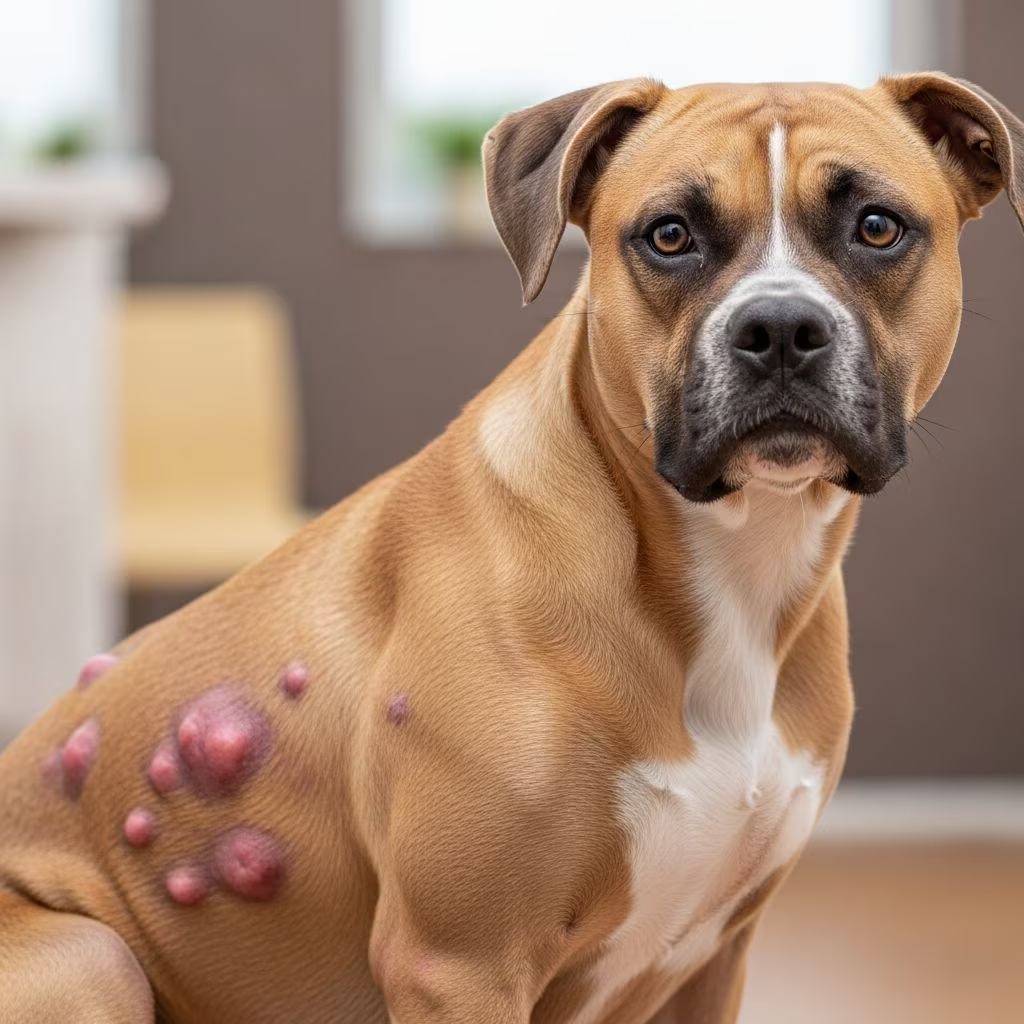
Understanding Urticaria or Hives in Dogs
Urticaria, commonly known as hives, represents a significant skin condition that can affect dogs of all breeds and ages. This allergic reaction manifests as raised, dome-shaped bumps on a dog’s skin and can develop rapidly in response to various triggers. While hives are relatively uncommon in dogs compared to other skin conditions, they can cause considerable discomfort and concern for pet owners. Understanding this condition is essential for recognizing symptoms early and seeking appropriate veterinary care when necessary.
What Are Hives?
Hives, medically termed urticaria, are characterized by the sudden appearance of raised, circular or irregular bumps on a dog’s skin, often referred to as wheals. These bumps typically appear in clusters and can vary significantly in size. The condition develops as a result of an allergic reaction or immune response, during which mast cells in the skin release histamine and other inflammatory mediators. This causes localized swelling and inflammation, resulting in the characteristic appearance of hives. The affected areas may feel warm to the touch and are often accompanied by intense itching.
Common Causes of Hives in Dogs
Several factors can trigger the development of hives in dogs, ranging from environmental triggers to specific allergens:
– Insect bites and stings: Reactions to bees, wasps, mosquitoes, or other insects represent one of the most common causes of urticaria in dogs. The venom or saliva from these insects can trigger an immediate allergic response.- Food allergies: Certain food ingredients can provoke hive formation in sensitive dogs. Common culprits include proteins, grains, and food additives.- Environmental allergens: Pollen, dust mites, mold, and grass can contribute to allergic reactions manifesting as hives.- Medications and vaccinations: Some dogs develop hives as an adverse reaction to specific medications or following vaccination. If episodes occur after vaccination, veterinarians may modify future vaccination protocols.- Contact dermatitis: Direct contact with irritating substances such as cleaning products, plants, or certain materials can trigger hive formation.- Stress and temperature changes: Emotional stress and extreme temperature fluctuations can sometimes precipitate urticaria in susceptible dogs.
Clinical Signs and Symptoms
Recognizing the symptoms of hives is crucial for prompt intervention. Pet owners should watch for the following clinical manifestations:
– Sudden appearance of raised bumps on the skin- Intense itching and scratching behavior- Swelling of the face, lips, ears, or around the eyes- Facial swelling that may affect the nose or throat- Redness or inflammation at the affected areas- Hives appearing and sometimes disappearing rapidly, potentially within hours- In severe cases, difficulty breathing or swallowing if swelling involves the respiratory tract
The severity of symptoms can vary considerably between individual dogs. While some dogs may experience mild itching and minimal visual changes, others may develop significant swelling and severe discomfort. In rare cases, anaphylaxis may occur, representing a medical emergency requiring immediate veterinary attention.
Diagnosis of Urticaria
Diagnosing hives typically involves a straightforward process that does not require extensive testing. Veterinarians usually rely on physical examination and visual assessment of the characteristic bumps on the dog’s skin. The distinctive appearance of wheals and the acute onset of symptoms are generally sufficient for diagnosis. Additionally, veterinarians will take a detailed history regarding recent exposures, dietary changes, vaccinations, or medications that might have triggered the reaction. In some cases, further investigation may be necessary to identify the underlying cause, particularly if hives recur or become chronic. This might include allergy testing or food elimination trials to pinpoint specific allergens.
Treatment Options for Hives
The good news for pet owners is that hives respond well to treatment in most cases. Multiple therapeutic approaches can effectively alleviate symptoms and promote recovery.
Pharmaceutical Treatments
Injectable antihistamines and corticosteroids typically provide dramatic improvement, sometimes within minutes. Specific medication options include:
– Antihistamines: These medications block histamine release and reduce allergic responses. Commonly prescribed options include diphenhydramine (2–4 mg/kg orally, every 8–12 hours for 3–5 days), cetirizine (1–4 mg/kg orally, every 24 hours for 3–5 days), and hydroxyzine pamoate (2 mg/kg orally, every 12 hours for 3–5 days). Injectable forms may also be administered for rapid relief.- Corticosteroids: Glucocorticoids such as prednisone (0.5–1.0 mg/kg orally) or dexamethasone sodium phosphate (0.1 mg/kg intravenously) effectively reduce inflammation and swelling, particularly in moderate to severe cases.- Specialized medications: Newer prescription options like Zenrelia, introduced in late 2024, provide fast itch relief with once-daily dosing for dogs with contact dermatitis. Apoquel and Cytopoint represent alternative options depending on individual dog needs.- Injectable medications and supportive care: For severe cases, intravenous fluids and injectable medications may be necessary to manage symptoms and support recovery.
At-Home Treatment Measures
Pet owners can provide supportive care at home under veterinary supervision:
– Cold compresses: Applying cold compresses directly over affected areas provides relief from itching and helps reduce swelling.- Dietary management: Food trials and dietary changes may help identify and eliminate ingredients causing allergic reactions. Specific dietary recommendations can then be implemented long-term.- Environmental control: Identifying and minimizing exposure to known allergens helps prevent recurrence.
It is critical that pet owners never administer human medications to their dogs without explicit veterinary approval, as some human antihistamines and other over-the-counter medications may be ineffective or potentially harmful to dogs.
Recovery and Prognosis
The prognosis for dogs with urticaria is excellent in most cases. Mild cases often resolve spontaneously within 12–48 hours without medical intervention. However, treatment is generally recommended because it is difficult to predict whether untreated hives will resolve or worsen over time. With appropriate veterinary care, most dogs respond rapidly to treatment and recover completely.
Dogs that develop hives after vaccination or medication should have this incident noted in their medical records. This information helps veterinarians plan modified protocols for future treatments to minimize reactions. Similarly, if rashes develop and resolve without treatment, veterinary documentation remains important for tracking potential patterns.
The prognosis becomes more guarded if severe reactions develop, particularly those involving anaphylaxis or respiratory tract swelling that impairs breathing. However, these severe cases remain relatively uncommon.
Managing Recurrent Hives
For dogs experiencing recurring episodes of urticaria, a more comprehensive approach to management becomes necessary. Veterinarians may recommend:
– Allergy testing: Identifying specific environmental allergens through testing allows for targeted avoidance strategies.- Immunotherapy: Allergy shots or immunotherapy treatment can desensitize dogs to specific allergens over time, reducing reactivity.- Food elimination trials: Systematic removal and reintroduction of food ingredients helps identify dietary triggers, leading to specific dietary recommendations.- Preventive antihistamines: Daily administration of antihistamines may be necessary for dogs that cannot avoid known triggers or insects that induce urticaria.- Mast cell stabilizers: Medications like palmitoylethanolamide help stabilize mast cells and prevent histamine release.- Omega-3 supplementation: Omega-3 fatty acids possess anti-inflammatory properties and can help prevent urticaria in some cases.- Immunosuppressive treatment: In cases of recurrent or chronic severe allergic disease, medications such as oclacitinib or cyclosporine may be required.
When to Seek Emergency Care
While most cases of hives are manageable with standard veterinary care, certain situations require immediate emergency attention. Pet owners should contact an emergency veterinary clinic if their dog experiences:
– Severe facial swelling, particularly around the nose or throat- Difficulty breathing or labored respiration- Severe lethargy or collapse- Signs of anaphylaxis, including rapid heart rate and extreme distress- Swelling of the respiratory tract that impairs breathing
These symptoms may indicate a severe allergic reaction or anaphylaxis, conditions that necessitate intensive emergency care.
Prevention Strategies
Pet owners can implement several strategies to reduce the likelihood of hives developing in their dogs:
– Maintain awareness of environmental allergens and minimize exposure when possible- Use appropriate insect prevention products to reduce exposure to bites and stings- Avoid known food allergens once identified through testing or elimination trials- Keep accurate medical records of all vaccinations and medications administered- Monitor for reactions following vaccinations or new medications- Maintain a clean living environment to reduce dust mites and mold exposure- Consider prophylactic antihistamine administration in dogs with seasonal allergies or known sensitivities
Frequently Asked Questions About Hives in Dogs
Q: How quickly do hives appear and disappear in dogs?
A: Hives can develop rapidly and often disappear just as quickly, typically within a few hours. Some mild cases resolve spontaneously within 12–48 hours. However, without identifying and eliminating the trigger, hives may return rapidly.
Q: Are hives dangerous for dogs?
A: Hives are rarely dangerous and have an excellent prognosis. However, in severe cases involving respiratory tract swelling or anaphylaxis, the condition can become serious and require emergency care. Most cases are manageable and resolve well with appropriate treatment.
Q: Can I treat my dog’s hives at home?
A: While cold compresses can provide symptomatic relief, professional veterinary care is recommended. Never administer medications, including human antihistamines, without explicit veterinary approval, as some may be ineffective or harmful to dogs.
Q: How common are hives in dogs?
A: Hives are uncommon in dogs compared to other skin conditions. This relative rarity means many pet owners may not immediately recognize the condition, making veterinary consultation important for proper diagnosis and management.
Q: What should I do if hives appear after vaccination?
A: Contact your veterinarian immediately to report the reaction. This information will be documented in your dog’s medical records, and your veterinarian may modify future vaccination protocols or pre-treat your dog with antihistamines to minimize reactions.
Q: How long does treatment for hives typically take?
A: Most dogs respond quickly to treatment with antihistamines and corticosteroids, sometimes showing dramatic improvement within minutes. Oral antihistamines are typically continued for 3–5 days to prevent acute recurrence.
Q: What causes chronic hives in dogs?
A: Chronic hives are typically caused by ongoing exposure to environmental or food allergens. Allergy testing, food elimination trials, and allergen identification are important for managing chronic cases.
References
- Urticaria or Hives in Dogs — VCA Hospitals. 2024. https://vcahospitals.com/know-your-pet/urticaria-or-hives-in-dogs
- Hives (Urticaria) in Dogs – Causes, Treatment and Prevention — Vetster Veterinary Telemedicine. 2024. https://vetster.com/en/conditions/dog/hives-urticaria
- Dog Hives: What They Are and How To Treat Them — PetMD. 2024. https://www.petmd.com/dog/conditions/skin/hives-dogs-causes-symptoms-and-treatment-options
- Urticaria (Hives, Wheals) in Animals – Integumentary System — MSD Veterinary Manual. 2024. https://www.msdvetmanual.com/integumentary-system/urticaria/urticaria-hives-wheals-in-animals
- Hives on Dogs: What They Mean & What Causes Them — Animal Friends Dermatology. 2024. https://www.animalfriendsdermatology.com/site/blog/2024/01/30/hives-dogs
- Hives and Rashes (Urticaria) in Dogs – Dog Owners — Merck Veterinary Manual. 2024. https://www.merckvetmanual.com/dog-owners/skin-disorders-of-dogs/hives-and-rashes-urticaria-in-dogs



