

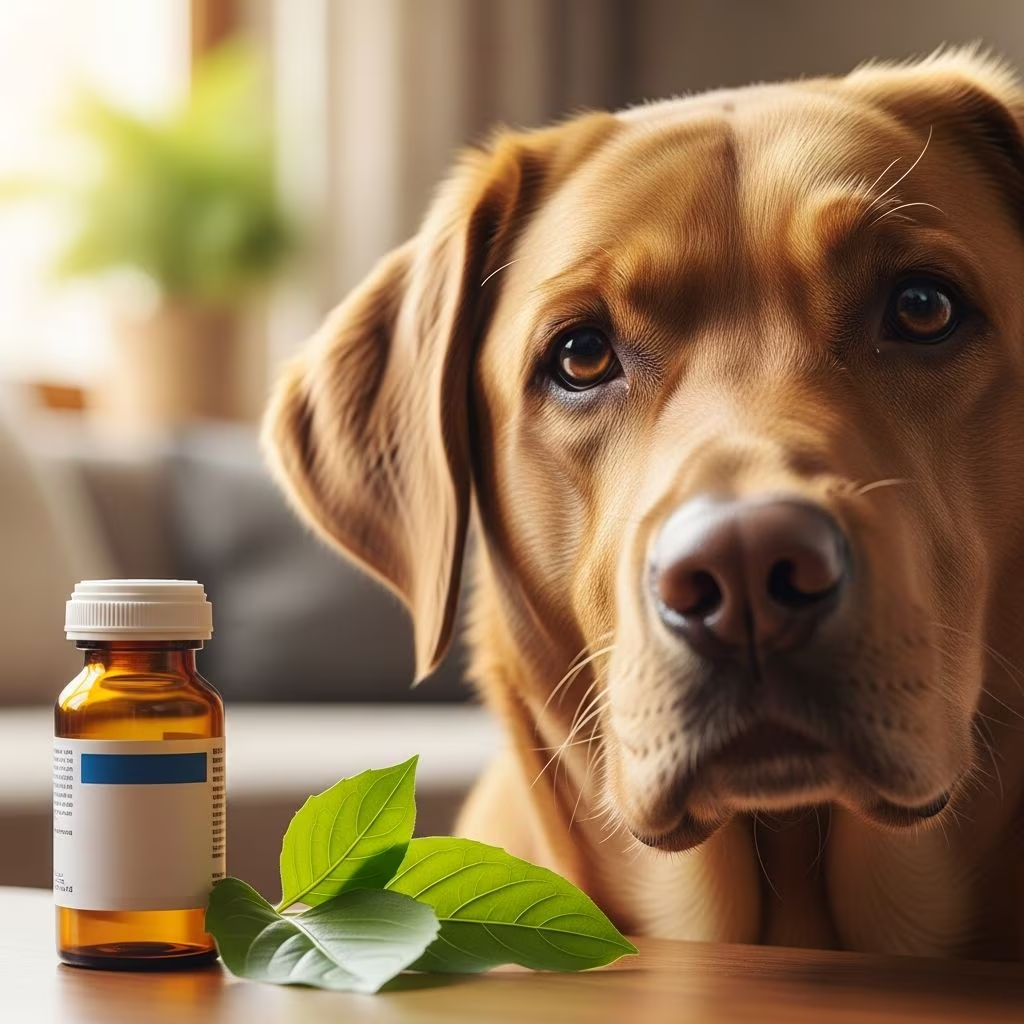
Ursodiol, known scientifically as ursodeoxycholic acid, serves as a key medication in veterinary medicine for managing various liver and gallbladder disorders in dogs. This naturally occurring bile acid helps improve bile flow, protects liver cells, and reduces toxic buildup, making it essential for conditions like chronic hepatitis and cholestasis.
Understanding Ursodiol’s Role in Canine Health
The liver plays a critical role in a dog’s body, processing nutrients, detoxifying blood, and producing bile for digestion. When liver function falters, bile acids can accumulate, leading to inflammation and damage. Ursodiol addresses this by replacing harmful, hydrophobic bile acids with hydrophilic ones that are less toxic and easier to excrete. It also stabilizes cell membranes and modulates immune responses in the liver, promoting overall hepatoprotection.
In veterinary practice, ursodiol is classified as a choleretic agent, meaning it enhances bile production and flow. This action prevents sludge formation in the gallbladder and supports the liver’s natural repair processes. Studies and clinical reports highlight its efficacy in small animals, particularly dogs, where it has become a standard adjunctive therapy.
Common Liver and Gallbladder Conditions Treated with Ursodiol
Veterinarians prescribe ursodiol for a range of hepatobiliary issues in dogs. Here are the primary conditions:
- Chronic Hepatitis: Long-term liver inflammation often idiopathic or copper-associated; ursodiol reduces inflammation and improves enzyme levels.
- Cholestatic Liver Disease: Impaired bile flow leading to toxin buildup; ursodiol enhances excretion and protects hepatocytes.
- Gallstones (Cholelithiasis): Cholesterol-based stones in the gallbladder; ursodiol dissolves them by lowering cholesterol saturation in bile.
- Cholangiohepatitis or Cholecystitis: Inflammation of bile ducts, liver, or gallbladder; it promotes bile flow to alleviate obstruction.
- Portosystemic Shunts or Portal Vein Hypoplasia: Congenital vascular anomalies causing liver bypass; ursodiol supports remaining liver function.
- Juvenile Fibrosing Liver Disease: Scarring in young dogs; helps slow progression and maintain bile dynamics.
These applications stem from ursodiol’s ability to alter bile acid composition, decreasing hepatotoxic effects and aiding in waste clearance.
How Ursodiol Functions in a Dog’s Liver
Ursodiol exerts multiple protective mechanisms. Primarily, it increases bile flow (choleretic effect), flushing out accumulated toxins and preventing stasis. It displaces toxic bile acids, expands the hydrophilic bile pool, and inhibits cholesterol absorption and synthesis in the gut. This is particularly beneficial for gallstone dissolution, as stones often form from supersaturated cholesterol bile.
Additionally, ursodiol offers cytoprotective benefits by stabilizing liver cell membranes against damage from free radicals and inflammatory mediators. Its immunomodulatory properties dampen excessive immune responses that exacerbate hepatitis. Oral administration ensures good absorption, especially when given with food, allowing sustained therapeutic levels.
| Mechanism | Benefit to Liver | Clinical Impact |
|---|---|---|
| Increased bile flow | Reduces cholestasis | Lowers enzyme elevations (ALT, AST) |
| Bile acid replacement | Decreases toxicity | Protects hepatocytes |
| Cholesterol reduction | Dissolves gallstones | Prevents surgical intervention |
| Anti-inflammatory | Modulates immunity | Improves long-term prognosis |
Administering Ursodiol to Dogs: Dosage and Best Practices
Dosage typically ranges from 2.5 to 7 mg per pound of body weight, administered twice daily. For a 20-pound dog, this equates to roughly 50-140 mg per dose. Always follow veterinary instructions, as adjustments depend on condition severity, weight, and response.
Give ursodiol with food to enhance bioavailability and minimize gastrointestinal upset. Tablets or capsules are common, but compounded forms like transdermal gels or soft chews exist for picky eaters or compliance issues. Consistency is key for chronic conditions, often requiring months of therapy.
General Dosage Table by Weight
| Dog Weight (lbs) | Daily Dose Range (mg) | Frequency |
|---|---|---|
| 10 | 25-70 | Twice daily |
| 25 | 62.5-175 | Twice daily |
| 50 | 125-350 | Twice daily |
| 75+ | 187.5-525+ | Twice daily |
Note: Consult vet for precise dosing; table for illustration.
Recognizing Symptoms That Warrant Ursodiol Therapy
Early detection improves outcomes. Watch for signs of liver compromise:
- Increased thirst and urination (polydipsia/polyuria)
- Loss of appetite or weight loss
- Jaundice (yellowing of gums, eyes, skin)
- Vomiting, diarrhea, or drooling
- Lethargy or behavioral changes
- Abdominal pain or swelling
Bloodwork revealing elevated liver enzymes (ALT, AST, ALP), bilirubin, or bile acids confirms need for intervention. Ultrasound detects sludge, stones, or structural issues.
Potential Side Effects and Safety Considerations
Ursodiol is generally well-tolerated in dogs, with rare adverse effects. Mild vomiting or diarrhea may occur initially but often resolve. In humans, gastrointestinal issues are more common, but canine reports are minimal.
Contraindications:
- Complete biliary obstruction (risk of worsening)
- Active gallstone complications or pancreatitis
- Hindgut fermenters like rabbits (metabolic risks)
Safety in pregnancy mirrors human data showing fetal benefits in cholestasis, but veterinary studies are limited. Monitor liver function regularly via enzymes, bile acids, or imaging.
Monitoring Progress and Long-Term Management
Regular veterinary check-ups are vital. Track liver panels every 4-6 weeks initially, then quarterly. Improvements include normalized enzymes, reduced bile acids, and ultrasound evidence of cleared sludge.
Combine with diet: low-copper, high-quality protein foods support liver health. Supplements like SAMe or milk thistle may complement under guidance. Long-term use is safe for chronic cases, enhancing quality of life.
Frequently Asked Questions (FAQs)
What conditions does ursodiol treat in dogs?
It manages chronic hepatitis, gallstones, cholestasis, and congenital liver issues by improving bile flow and protecting cells.
How long does ursodiol take to work in dogs?
Effects may appear in weeks, with full benefits in 1-3 months via lab improvements.
Can ursodiol be used in cats?
Yes, though less data exists; it’s for similar hepatobiliary conditions.
Is ursodiol safe for puppies?
Appropriate for juvenile diseases like fibrosing liver issues, dosed by weight.
What if my dog refuses ursodiol tablets?
Compounded flavors, gels, or chews improve palatability.
Partnering with Your Veterinarian for Optimal Results
Ursodiol shines as part of a comprehensive plan including diagnostics, diet, and monitoring. Prompt veterinary consultation at symptom onset maximizes efficacy. This therapy not only alleviates symptoms but can extend life expectancy in chronic liver patients, underscoring its value in canine care.
References
- Ursodiol for Veterinary Use — Wedgewood Pharmacy. 2024. https://www.wedgewood.com/professional-monographs/ursodiol-for-veterinary-use/
- Ursodiol For Dogs and Cats — AVRiorx. 2024. https://avriorx.com/ursodiol-for-dogs-and-cats/
- Ursodiol for Dogs and Cats — PetMD. 2024. https://www.petmd.com/pet-medication/ursodiol
- Ursodiol Transdermal Gel for Dogs & Cats — SVP Meds. 2024. https://www.svpmeds.com/product/ursodiol-transdermal-gel-compounded-for-dogs-cats/
- Ursodiol For Dogs: How It Can Improve Liver Health — Kingsdale Animal Hospital. 2024. https://www.kingsdale.com/ursodiol-for-dogs-how-it-can-improve-liver-health



