

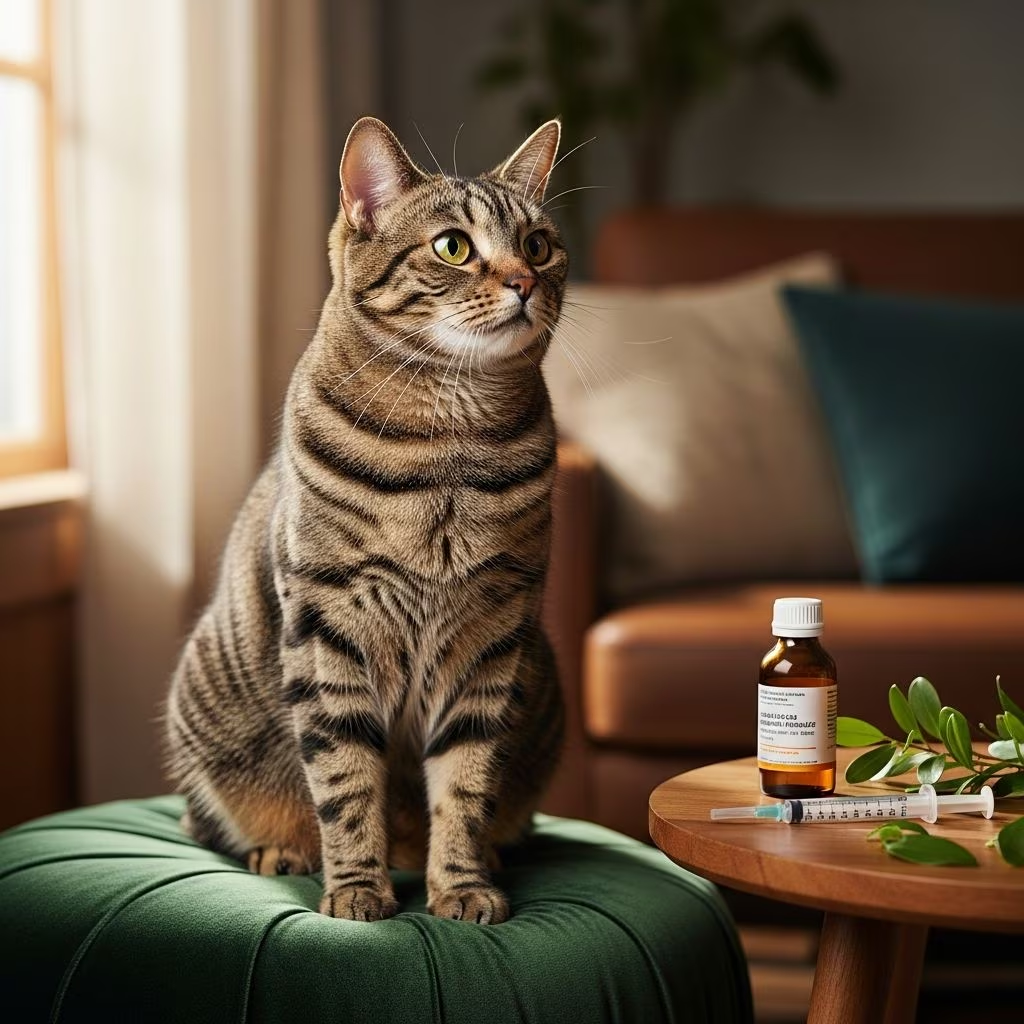
Ursodiol, also known as ursodeoxycholic acid, serves as a vital medication in feline veterinary care, primarily targeting liver and gallbladder disorders. This naturally occurring bile acid helps regulate cholesterol levels in bile, promotes bile flow, and protects liver cells from damage, making it essential for managing chronic conditions in cats.
Understanding Feline Liver and Gallbladder Challenges
Cats face unique risks for hepatobiliary issues due to their sensitive metabolism. The liver processes toxins, produces bile for digestion, and regenerates efficiently, but diseases like cholangiohepatitis—inflammation of the bile ducts, gallbladder, and liver—can impair these functions. Gallbladder sludge or cholesterol-based stones form when bile thickens, blocking flow and causing jaundice, vomiting, or lethargy.
Common signs include increased thirst, appetite loss, yellowing gums, and behavioral changes. Early detection via blood tests and ultrasounds is crucial, as these conditions progress silently.
How Ursodiol Functions in Cats
Ursodiol mimics a natural bile component, reducing cholesterol production in the liver and its intestinal absorption. This decreases bile saturation, dissolving cholesterol gallstones and preventing new formations. It enhances bile flow (choleresis), counters toxic bile salts, and supports liver cell regeneration, particularly in cholestatic diseases where bile stagnates.
- Cholesterol Reduction: Lowers hepatic secretion and gut uptake, solubilizing stones.
- Bile Flow Improvement: Prevents sludge buildup in the gallbladder.
- Hepatoprotection: Shields cells from inflammation in chronic hepatitis.
In cats, it’s especially useful for adjunctive therapy in cholestasis and biliary conditions, improving outcomes without surgery.
Primary Applications in Feline Medicine
Veterinarians prescribe Ursodiol for a spectrum of issues:
| Condition | Description | Ursodiol Role |
|---|---|---|
| Chronic Hepatitis | Long-term liver inflammation | Reduces inflammation, promotes tissue repair |
| Cholangiohepatitis | Bile duct and liver inflammation | Enhances bile flow, prevents toxicity |
| Gallstones (Cholesterol) | Bile duct obstructions | Dissolves stones, avoids surgery |
| Cholestasis | Impaired bile excretion | Improves flow, adjunct therapy |
| Idiopathic Hepatic Lipidosis | Fatty liver from anorexia | Supports recovery in small animals |
It’s also explored for congenital shunts and juvenile liver fibrosis, though evidence is emerging.
Administering Ursodiol to Cats
Dosing must be precise, tailored by a vet based on weight and condition. For cats, the standard is 5-7 mg per pound (10-15 mg/kg) once daily, or up to 15 mg/kg every 24 hours per some guidelines.
- Give with food to boost absorption and minimize nausea.
- Use tablets or capsules; compounding may aid palatability.
- Monitor via liver enzymes, ultrasounds every 4-6 weeks initially.
Treatment duration varies: weeks for acute issues, lifelong for chronic ones. Never stop abruptly to avoid relapse.
Safety Profile and Potential Side Effects
Ursodiol is well-tolerated in cats, with mild effects mirroring its natural presence. Most common is diarrhea, often resolving with dose adjustment.
Contraindications:
- Allergy to bile acids.
- Calcified gallstones or cholecystitis (gallbladder inflammation).
- Biliary obstruction, pancreatitis history, or cholangitis.
Drug Interactions: Avoid aluminum antacids, cholestyramine, or certain analgesics like acetaminophen, which impair absorption or efficacy. Inform your vet of all meds.
Rabbits and hindgut fermenters should avoid it due to toxicity risks.
Monitoring and Veterinary Oversight
Regular check-ups ensure efficacy. Baseline and follow-up tests include:
- Bloodwork: ALT, AST, bilirubin for liver function.
- Ultrasound: Track gallstone size, bile flow.
- Weight and appetite logs by owners.
Adjustments prevent complications; success shows normalized enzymes and symptom relief within months.
Real-World Success Stories and Evidence
Clinical use demonstrates Ursodiol’s value. In cats with cholestasis, it reduces sludge effectively. A study on short bowel syndrome in cats noted improved adaptation with 15 mg/kg dosing over 6 weeks.
Vets report high tolerance, with gallstone dissolution in responsive cases, sparing invasive procedures.
Complementary Care Strategies
Pair Ursodiol with:
- Diet: Low-fat, high-quality protein to ease liver load.
- Supplements: SAMe, milk thistle (vet-approved).
- Hydration: Encourage water intake.
- Lifestyle: Stress reduction, routine check-ups.
Holistic approaches enhance outcomes when integrated professionally.
Frequently Asked Questions (FAQs)
Is Ursodiol FDA-approved for cats?
No, it’s extra-label but legally prescribed by vets based on human formulations like Actigall®.
How quickly does Ursodiol work in cats?
Improvements in bile flow may appear in weeks; full gallstone dissolution takes months.
Can Ursodiol cure liver disease?
It manages symptoms and progression but doesn’t cure underlying causes; combined therapies are key.
What if my cat refuses the medication?
Compounded flavors or liquids help; consult for alternatives.
Is long-term use safe?
Yes, with monitoring; many cats thrive indefinitely.
Choosing Ursodiol: Key Takeaways
For cats battling liver woes, Ursodiol offers a targeted, low-risk option. Consult vets promptly at symptom onset for best results. This guide empowers informed decisions, prioritizing your pet’s vitality.
References
- What You Need to Know if Your Dog or Cat Needs Ursodiol — Wedgewood Pharmacy. 2024. https://www.wedgewood.com/medications/ursodiol/
- Ursodiol (Actigall®, Urso®) for Dogs and Cats — PetPlace. Accessed 2026. https://www.petplace.com/article/drug-library/drug-library/library/ursodiol-actigall-urso-for-dogs-and-cats
- Ursodiol Use in Cats and Dogs — CFS Pharmacy. Accessed 2026. https://www.cfspharmacy.pharmacy/blog/post/ursodiol-use-in-cats-and-dogs
- Ursodiol For Dogs and Cats — AvrioRx. Accessed 2026. https://avriorx.com/ursodiol-for-dogs-and-cats/
- Ursodiol for Dogs and Cats – Pet Medications — PetMD. Accessed 2026. https://www.petmd.com/pet-medication/ursodiol
- Ursodeoxycholic Acid Promotes Intestinal Adaptation in a Cat Model — PubMed (de V Kouti et al.). 2011-01. https://pubmed.ncbi.nlm.nih.gov/21210842/
- Drugs That Affect Digestive Functions in Monogastric Animals — MSD Veterinary Manual. Accessed 2026. https://www.msdvetmanual.com/pharmacology/systemic-pharmacotherapeutics-of-the-digestive-system/drugs-that-affect-digestive-functions-in-monogastric-animals



